Check out how to effectively boost your immunity in autumn: diet, physical activity, vitamin D, body hardening, and natural home remedies for staying healthy without infections.
Table of Contents
- Why does immunity drop in autumn? Most common reasons
- Immunity diet – what to eat to avoid getting sick in autumn?
- Physical activity and body hardening during cold season
- Vitamin D and other key supplements for immunity in autumn
- Healthy sleep, stress and hygiene – factors supporting the immune system
- Home remedies for immunity – natural support against infections
Why does immunity drop in autumn? Most common reasons
Autumn is a particularly challenging time for our immune system, as many seasonal factors make us more susceptible to infections. After the summer months—when the sun provided us with plenty of vitamin D and fresh fruits and vegetables were within easy reach—the sudden change in weather conditions strongly affects our health. One of the main reasons for decreased immunity in autumn is the noticeable drop in sunlight exposure. Shorter days and more frequent cloud cover result in reduced vitamin D production in the body, which plays a key role in modulating immune responses. This is made worse by the fact that natural dietary sources of vitamin D are relatively rare, and not everyone remembers to supplement it. Moreover, falling temperatures and increased air humidity affect both the mucous membranes of the nose and throat—making them more prone to irritation and dryness—and foster the proliferation of pathogens in the environment. We also spend more time in closed, poorly ventilated rooms at home, school, or work and have closer contact with others, which greatly facilitates the spread of viruses and bacteria through droplet transmission.
Lifestyle and everyday habits also have a significant impact on our immune system in autumn. The rapid return of children to school and adults to work after the vacation period means more social contact, but also stress, fatigue, and a lack of sleep. Ongoing stress and insufficient sleep have a destructive effect on immunity, weakening the body’s natural defense mechanisms. With the arrival of colder weather, there is also a noticeable decline in physical activity—we’re less likely to go for walks or practice outdoor sports, leading to insufficient oxygenation and less efficient circulation. Polish diets often change in autumn as well, with less intake of fresh fruits, vegetables, and antioxidant-rich foods, and more reliance on high-calorie, processed foods and sweets that do not benefit immunity. Frequent temperature fluctuations, including wet feet or exposure to wind, also contribute to colds, especially if we don’t adjust clothing appropriately. Reduced air humidity in heated rooms causes the respiratory mucosa to dry out, making it a less effective barrier against microbes. Other factors lowering immunity include smoking, excessive alcohol intake, and lack of proper hand hygiene, which are especially dangerous when infection rates are up. Altogether, these elements create an environment conducive to lower immunity and an increased risk of infection in the autumn months.
Immunity diet – what to eat to avoid getting sick in autumn?
A well-balanced diet plays a key role in maintaining strong immunity, especially during autumn, when our bodies are particularly vulnerable to viruses and bacteria. In autumn, it is especially important to ensure intake of all essential vitamins, minerals, and nutrients that support the proper functioning of the immune system. The basis of a healthy meal plan should be fresh vegetables and fruits rich in antioxidants, vitamin C, polyphenols, and fiber. Seasonal products such as pumpkin, carrots, beets, kale, spinach, broccoli, and cabbage are especially valuable, as well as plums, apples, pears, and cranberries. Vitamin C—found in peppers, parsley, and rose hips—boosts the body’s defenses, increasing white blood cell activity. Although citrus fruits are associated with immunity, in Poland’s colder months, they can be alternated with domestic fruit rich in vitamin C to diversify the diet. Fermented foods such as sauerkraut, pickled cucumbers, homemade kefir, or natural yogurt are also essential, as they contain live bacterial cultures that have a beneficial effect on the gut microbiota—the intestines are a key immunity center. Probiotics and prebiotics help protect against pathogens and keep immune mechanisms efficient. Adequate fiber intake is also important, as it promotes the growth of beneficial gut bacteria and helps eliminate toxins.
Supplying the body with healthy fats, primarily those rich in omega-3 and omega-6 fatty acids, is also crucial for immunity; they have anti-inflammatory effects and help eliminate microorganisms. Autumn diets should feature fatty sea fish (such as salmon, mackerel, sardines), flaxseed oil, linseed, and walnuts. Pumpkin and sunflower seeds, high in zinc, should also be included—this mineral is essential for antibody production, and its deficiency leads to weakened immune responses. Supporting immunity also means providing vitamins A and E, which regenerate mucous membranes and strengthen the body’s natural protective barrier. These can be found in intensely colored plants like carrots, sweet potatoes, spinach, egg yolks, and vegetable oils. Don’t forget about vitamin D, whose skin synthesis is highly limited in autumn—consider supplementation or increase intake of animal products such as fatty fish, egg yolk, milk, and dairy. Proper hydration also becomes crucial in autumn, as dry air contributes to mucosal dryness, and water deficiency impairs immune processes. Drink water regularly, as well as herbal teas (e.g., linden, raspberry, ginger, nettle) and strengthening infusions. Limit simple sugars (white sugar, sweets, fizzy drinks) in your daily diet, as they weaken the immune system and increase susceptibility to infection. Opt for whole grains, groats, nuts, seeds, and legumes—they supply magnesium, selenium, iron, and other minerals essential for effective immune mechanisms. Enrich your diet with natural spices with proven antiviral and antibacterial effects, such as garlic, onion, ginger, turmeric, and thyme, which not only strengthen immunity but also aid in dealing with the first symptoms of colds or flu.
Physical activity and body hardening during cold season
Regular physical activity is one of the most important factors supporting immunity, especially during the autumn cold and flu season. Exercise boosts the immune system’s efficiency—moderate physical effort increases production of immune cells, improves blood circulation, and accelerates toxin removal. Walks outdoors, jogging, Nordic walking, cycling, or swimming—all these activities oxygenate the body and improve overall function. It is essential to exercise regularly, at least 3-4 times a week, adapting the intensity to your condition and age. Take every opportunity to stay active—use stairs instead of the elevator, walk instead of drive, or do short home workouts. Remember that excessive and prolonged exercise can have the opposite effect, making your body more susceptible to infections, so avoid overtraining and always give your body time to rest. Outdoor air is also important in daily activity—training outside, away from areas with a high concentration of pathogens, promotes regeneration and hardens the body, and also helps combat autumn blues.
An essential supplement to physical activity is body hardening—gradually getting the body used to temperature and weather changes. This process strengthens natural defense mechanisms and reduces the risk of colds. The simplest and most effective way to harden the body is regular time outdoors regardless of the weather—walks on cooler days, moderate exposure to rain or wind, and regularly airing out your home all help improve heat regulation abilities. Alternating showers are also very beneficial—pouring warm and then cool water over the body hardens blood vessels and stimulates circulation. This procedure should be done regularly, starting with small temperature differences and gradually increasing intensity, always matching it to your abilities and health. Using a sauna also helps, as alternating high and low temperatures stimulate immune cell production and support detoxification. In autumn, it’s beneficial to lower the bedroom temperature to about 18-19°C, avoid overheating, and dress children in layers (“onion style”) to help them adapt to variable weather conditions. The key to successful body hardening is consistency—only systematic application of these methods brings real benefits without health risks. However, body hardening is not recommended during acute infection, fever, or serious chronic illnesses—always consult your doctor in such cases. Skillfully combining moderate physical activity and body hardening significantly reduces infection risk and speeds recovery in case of a cold, creating a solid protective barrier against seasonal viruses and bacteria.
Vitamin D and other key supplements for immunity in autumn
Autumn is a time when our body’s demand for certain vitamins and microelements that directly support immunity increases. The most crucial of these is undoubtedly vitamin D, known as the “sunshine vitamin,” because it is produced in the body under UVB exposure. However, in our latitudes, as early as the end of September, the amount of sunlight reaching the skin drops significantly, causing skin synthesis of vitamin D to become minimal or even absent. A deficiency of this vitamin occurs in over 80% of Poles during the autumn and winter months, resulting in visibly reduced immunity, higher susceptibility to respiratory infections, and prolonged inflammation. Vitamin D plays a key role in regulating immune responses—increasing the activity of macrophages, T and B lymphocytes, and stimulating the production of antimicrobial proteins that neutralize viruses and bacteria at early infection stages. The recommended daily supplementation dose for adults is typically 2000 IU, but levels should be checked by lab tests and discussed with a doctor, especially for seniors, pregnant women, or those with chronic illnesses. Adequate vitamin D intake is just as important for children and adolescents, as it supports healthy immunity and reduces the risk of frequent colds.
Besides vitamin D, autumn health prevention often relies on other supplements that can work synergistically and optimize the immune response. Ascorbic acid (vitamin C) is well known for its role in infection defense due to its antioxidant properties, stimulation of phagocytosis, and strengthening of the epithelial barrier. Regular supplementation can be especially useful for people with low fresh fruit and vegetable intake. Zinc is often recommended, as it catalyzes many enzymatic reactions in acquired and innate immunity, and its deficiency results in more frequent colds and slower recovery. However, zinc intake should be carefully measured—both deficiency and excess can negatively affect immunity. Selenium, a potent antioxidant, also deserves attention, as it reduces free radicals and supports lymphocyte activity. Selenium deficiency is relatively common in Europe, so periodic supplementation under a doctor’s guidance can support viral and bacterial defense during flu season. Also important are probiotics and prebiotics, which care for the gut microbiome—the most crucial immune barrier. Supplementing with the right probiotic strains (e.g., Lactobacillus, Bifidobacterium) reduces upper respiratory infection occurrence and eases symptoms. Immunostimulating plant extracts—such as black elderberry or purple coneflower—are increasingly popular, as are vitamins A and E, which support mucous membrane integrity and antioxidant defenses. Supplementation should always be tailored individually, avoiding random mixing of products, and always consulting a specialist if taking medications or managing chronic diseases. The appropriately selected supplements, supported by a balanced diet, physical activity, and a healthy lifestyle, can significantly increase the body’s immunity and reduce the risk of prolonged infections in the autumn season.
Healthy sleep, stress and hygiene – factors supporting the immune system
Healthy sleep, effective stress management, and proper hygiene are all key to maintaining a strong immune system, especially in autumn when the risk of infection increases. The body regenerates most effectively during deep, uninterrupted sleep, so adults should aim for 7–8 hours every night. Lack of adequate sleep disrupts T lymphocyte production and weakens the activity of NK (natural killer) cells, increasing susceptibility to colds, flu, and other viral diseases. Keeping a regular sleep rhythm, avoiding blue-light devices before bed, and ensuring a good sleep environment—quiet, optimal temperature, and darkness—are basic habits for healthy sleep hygiene. Bad habits like excessive caffeine and alcohol—especially in the evening—may disrupt melatonin secretion, so they should be limited. Autumn transitions often disturb circadian rhythms, so sticking to regular bedtime and wake-up times, even on weekends, will help the immune system stay optimal all season.
The second crucial factor affecting immunity is coping with stress effectively. Chronic stress—regardless of its origin (work, school, family, or finances)—leads to excess cortisol, which, over time, weakens immune cells, causing chronic inflammation and increasing susceptibility to infections and autoimmune diseases. Relaxation techniques such as controlled breathing, yoga, meditation, or regular physical activity calm the nervous system and support repair processes. Maintaining social connections with family and friends also helps protect against the negative effects of stress. Lastly, hygiene remains a crucial part of immune prevention, especially handwashing, which is one of the most effective ways of reducing virus and bacteria transmission. Hygienic habits include frequent, thorough hand washing with soap for at least 30 seconds, regular disinfection of everyday objects, avoiding touching your face, and proper ventilation and cleaning of spaces. Healthy hygiene also involves caring for the skin’s microbiota, forgoing aggressive disinfectants in favor of mild preparations, and maintaining everyday routines—such as bathing, changing bedding and towels—especially if someone at home is ill. Combining proper sleep, stress management, and hygiene forms the foundation of daily immune support, and, together with diet, exercise, and supplementation, strengthens the body in times of increased exposure to infections.
Home remedies for immunity – natural support against infections
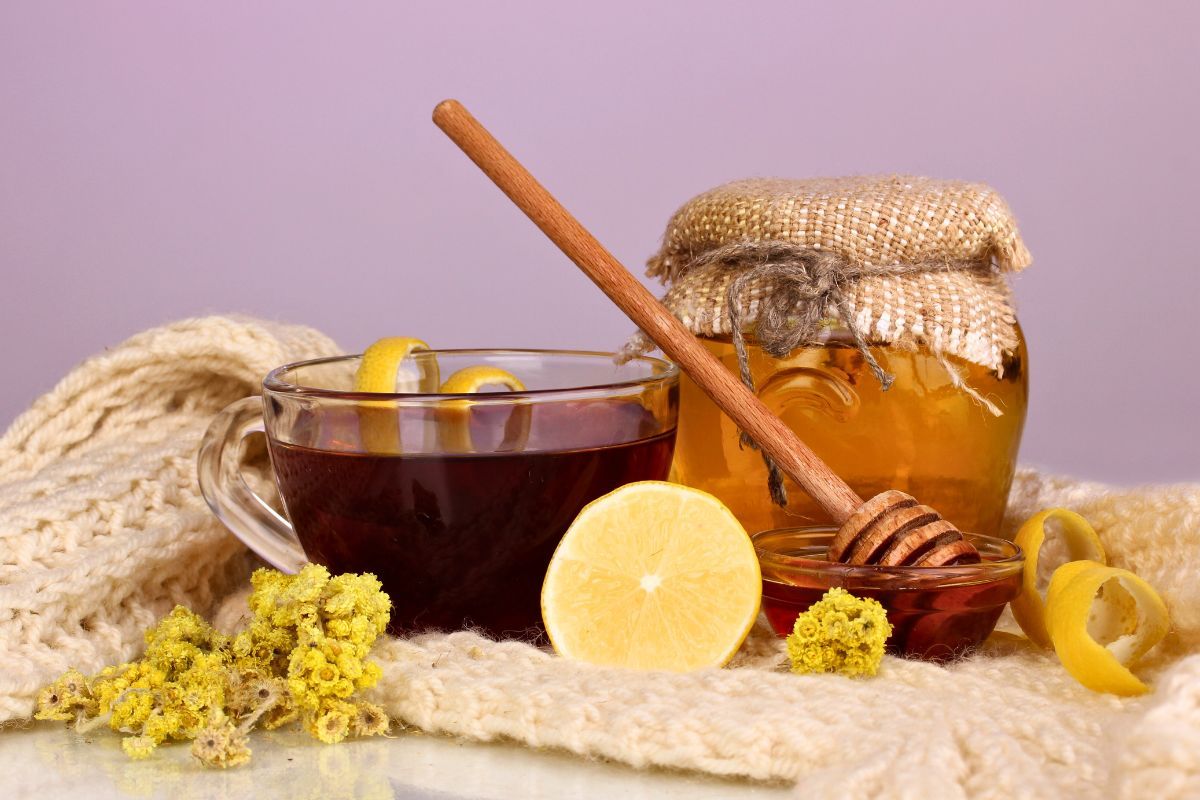
Autumn is a time when many households return to traditional natural methods of boosting immunity, passed down for generations. One of the most effective pillars of home health prevention are natural teas made from herbs and plants with proven immune-modulating properties. Among the most popular are teas made from cistus, chamomile, linden, or rosehip, which are rich in vitamin C and polyphenols. Drinking warm herbal teas with ginger, turmeric, or cloves helps cleanse the body, warm it up, and ease early symptoms of infection. Homemade syrups with onion, honey, and garlic are also widely used—their strong antibacterial and antiviral actions support fighting pathogens and soothe coughs and sore throats. Adding garlic, ginger, and turmeric to everyday meals not only strengthens immunity but also stimulates metabolism and the body’s ability to clear toxins. Don’t forget honey—best from local beekeepers—which is rich in enzymes, minerals, and antioxidants and supports immune function; add honey to lukewarm, not hot, drinks to preserve its properties. Home-made tinctures and syrups from quince, chokeberry, or elderberry are recommended for adults—these fruits are packed with vitamins, flavonoids, and anthocyanins, boosting natural immunity. Essential oil inhalations, e.g. with eucalyptus, thyme, pine or mint oil, are also popular. Breathing in these vapors cleans the respiratory tract, unclogs the nose and sinuses, and soothes inflamed mucous membranes. Inhalations are especially helpful for people prone to frequent upper respiratory infections or at the first sign of a cold. Another, often overlooked, element of home prevention is humidifying and ventilating rooms, as this limits the development of bacteria and viruses and benefits the nasal and throat mucosa. During periods of increased flu and cold activity, regular throat rinses with saline, sage, or chamomile are recommended, as they disinfect, calm inflammation, and reduce infection risk. Warming compresses for the chest made from mustard, salt, or honey, which improve blood flow and help the body fight off the initial infection, are also helpful.
Home immunity strengthening also means conscious exposure to fresh air—even a short walk in the woods, park, or by water helps boost your mood, oxygenate cells and improve immune system function. A proven ritual, often practised after bathing, is alternating warm and cold showers, which harden the body, aiding its adaptation to environmental changes. Many experts point to the benefits of regular physical activity—even home workouts or yoga—as moderate exercise stimulates immune cell production and circulation. Deep, diaphragmatic breathing techniques, which not only oxygenate tissues but also reduce stress and support the immune system, are equally important. In Polish homes, fermented foods such as pickles, sauerkraut, or pickled beets are especially valued in autumn—they’re rich in probiotics, vitamin C, and fiber, supporting gut health, which accounts for as much as 70% of immune activity. Homemade juices from carrots, beets, apples, or celery are great sources of powerful antioxidants and minerals crucial in a daily immunity-supporting diet. Limiting stimulants, regular rest, and relaxation techniques are also invaluable. It’s the diligent incorporation of both culinary and lifestyle home rituals and hygiene that forms an effective, natural shield for the body against seasonal infections. Scientific research confirms the effectiveness of home remedies: a diet rich in natural, unprocessed foods, regular exercise, keeping hygienic, and psychological calm all significantly reduce the risk of illness, while enhancing the body’s regenerative abilities—even with increased exposure to pathogens.
Summary
Autumn is a season when our immunity is particularly put to the test. By implementing a healthy, seasonal diet, regular physical activity, body hardening, vitamin D supplementation, and taking care of sleep, stress reduction, and basic hygiene, we can effectively support our immune system. Proper home remedies will further strengthen your body and protect you against common seasonal infections. By using proven, natural methods and cultivating good habits, you increase the chances for a healthy, peaceful, illness-free autumn.