
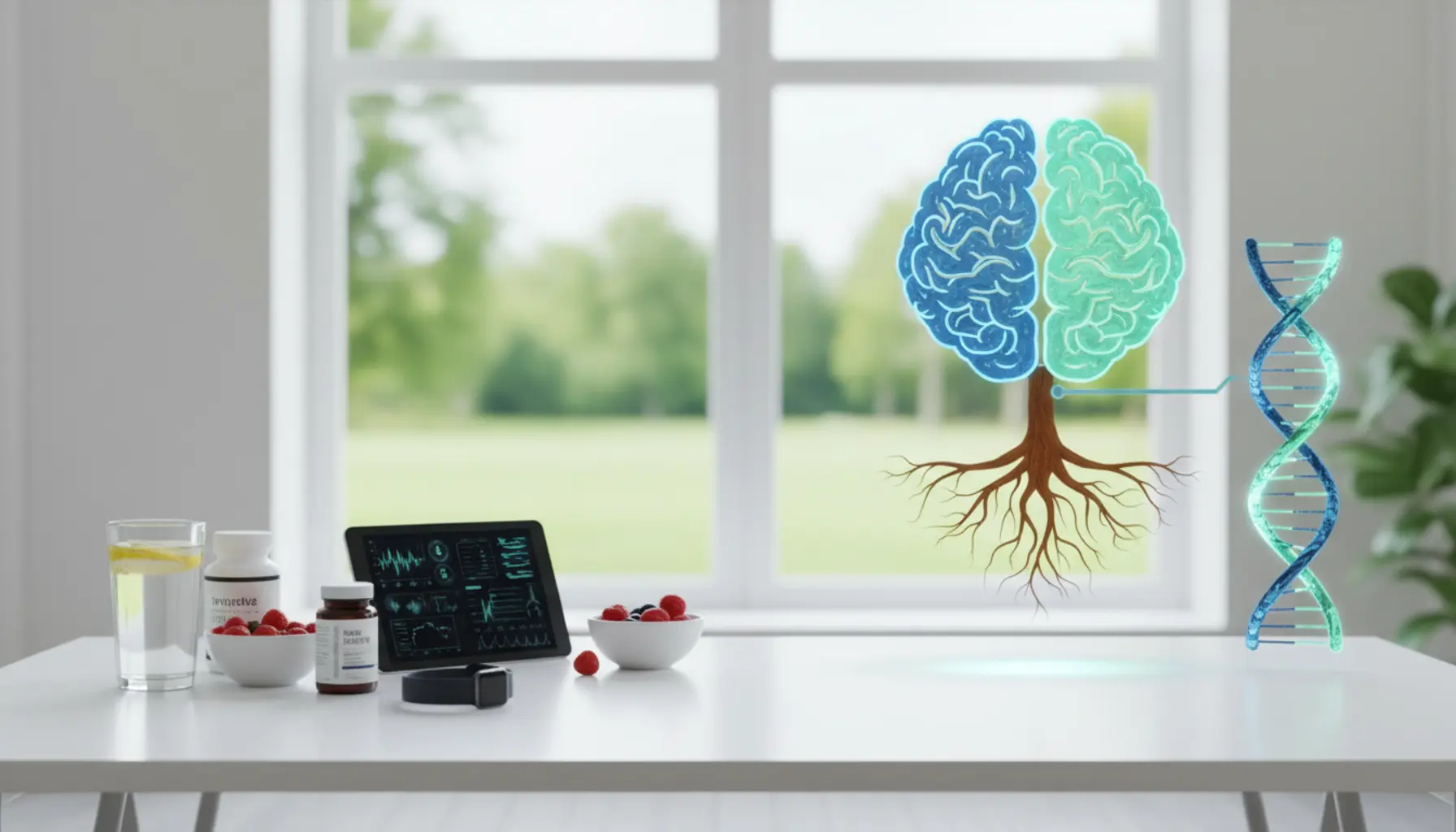
Discover the key principles of biohacking—from theory to practical tips on diet, sleep, supplementation, and technology. Learn how to monitor your body, boost your energy, and implement simple habits that support your health.
Find out what biohacking is and check out a practical guide: principles, diet, sleep, technology, and easy habits for beginners.
Table of Contents
- What is Biohacking? A Modern Definition
- Basic Biohacking Principles for Beginners
- Biohacking, Diet, and Supplementation
- How to Improve Sleep, Energy, and Wellbeing?
- Tools and Technologies Supporting Biohackers
- Biohacking in Practice – Simple Habits to Start
What is Biohacking? A Modern Definition
In the simplest terms, biohacking is the conscious, data-driven, and experimental “programming” of your body and mind, to make them work more efficiently, healthily, and effectively. The modern definition moves away from the extreme image of eccentrics implanting chips under their skin and focuses on everyday, practical lifestyle changes that can be measured and systematically improved. A biohacker treats their body as a complex system: they observe it, collect information (e.g., test results, sports watch data, mood journal), introduce small modifications (in diet, sleep, physical activity, light exposure, stress), and then check how those changes affect energy, focus, mood, or recovery. It’s not about magical shortcuts or internet “hacks,” but thoughtful, repeatable, and measurable actions that gradually optimize the functioning of the entire organism. The key here is conscious responsibility: biohacking does not mean thoughtlessly testing everything that is currently trendy, but verifying information, considering your own health, and consulting a doctor or specialist if needed. Modern biohacking combines knowledge from nutrition, medicine, neurobiology, psychology, exercise physiology, and uses the potential of new technologies—from simple sleep-tracking apps to more advanced solutions like continuous glucose monitoring or genetic testing. Thanks to this, it is no longer reserved solely for scientists or elite athletes but is becoming a tool available to anyone who wants to better understand their body and make more informed health decisions. An important element of the modern definition of biohacking is personalization—the awareness that there is no universal diet, perfect sleep routine, or training plan for everyone, so the starting point is getting to know your own “biological individuality” through observing bodily responses, basic lab tests, tracking daily energy levels, or analyzing sleep quality. For some, the main goal will be to enhance focus and cognitive efficiency (e.g., better memory, faster learning), for others—lowering stress levels, improving immunity, weight loss, slowing aging processes, or simply feeling better daily, without afternoon energy crashes. Unlike the classic “treat the disease” approach, biohacking emphasizes prevention and optimization—not just avoiding illness but functioning in your best possible form for as long as possible.
It’s also important to define what biohacking is not. It is not alternative medicine or a set of unverified tricks detached from science; quite the opposite, in its mature, modern form, it strongly relies on current scientific knowledge and critical thinking. Neither is it a race for the most extreme experiments—implants, dangerous supplement doses, or extreme nutritional protocols—even though such images often make it to the media. From a beginner’s perspective, biohacking is conscious work on the basics: stable sleep, enough daylight, quality diet, movement adjusted to your experience level, stress management, and the environment you spend most of your day in (office, home, computer screen). In practice, this means, for example, observing how specific foods affect your digestion and energy, how using your phone in the evening disturbs falling asleep, or which time of day is best for demanding mental work. Biohacking uses both simple tools—a sleep diary, mood notes, measuring resting heart rate—and wearables (smartwatches, fitness bands, rings measuring sleep), which help detect patterns in the body’s behavior. Another standout feature is iteration. Instead of one-off, radical resolutions, a biohacker introduces small, concrete changes, observes the effects over a set time, compares the data (e.g., average deep sleep length, energy levels, test results), and then decides whether to keep, modify, or drop the strategy. This enables a gradual build-up of an individual set of “protocols”—proven habits, rituals, and lifestyle settings that support health and performance without constantly fighting yourself. Modern biohacking thus blends rationality with self-attunement, technology with intuition, science with everyday practice, and its essence is better management of your own biology in harmony with nature, not against it.

Basic Biohacking Principles for Beginners
Biohacking for beginners should start with simple, safe, and well-researched rules, not radical experiments. The first of these is the “self-science” approach—before changing anything, begin with observation. For a week or two, write down in a simple journal (paper or app): sleep and wake times, daily energy level, what you eat, amount of movement, mood, and stressful situations. Don’t judge, just collect data. This basic “audit” reveals a true starting point and often disproves illusions (“I sleep 8 hours” in reality turns out to be 6.5 hours of interrupted sleep). The second principle is introducing one change at a time and testing it over a set period (e.g., 2–4 weeks). If you change your diet, training, supplements, and sleep time all at once, you won’t know what actually worked. Biohacking resembles a mini-scientific experiment: formulate a hypothesis (“if I go to bed at the same time, I’ll have more energy in the morning”), implement the change, monitor effects, and draw conclusions. The third principle—measurability. Use tools that give numbers instead of just feelings: a band or watch tracking sleep and resting heart rate, a simple blood pressure monitor, writing down your daily steps, periodic blood tests. Even basic metrics, such as daily scales for energy and mood from 1 to 10, can reveal clear trends and make deciding what to keep or change easier. The fourth key rule concerns safety, based on “first, do no harm.” Biohacking does not substitute for medical consultation, and experiments should never mean quitting medications without a specialist’s permission or following extreme diets. Any intense intervention (fasts, cold baths for circulatory issues, extreme training) should be discussed with a doctor or dietitian—especially if you have chronic illness, take medications, are pregnant, or breastfeeding. For beginners, the best strategy is to start with “low risk, high benefit”—actions with minimal risk and potentially big reward: improving sleep hygiene, gentle dietary tweaks, more daily movement, hydration, and daylight exposure. The next rule is individualization—something that worked great for a famous YouTube biohacker may not be optimal for you. Genetics, lifestyle, age, stress level, and health history mean your response to the same stimuli may differ greatly. Instead of copying someone else’s protocols, treat them as inspiration, not dogma; test on a small scale and observe your own body. Use scientific studies, but remember many reports concern special groups (e.g., elite athletes) and may not translate directly to your case. Another fundamental is prioritizing basics—before advanced gadgets, pricey supplements, or complex protocols, cover the foundations: sleep, nutrition, movement, stress, and recovery. If you only sleep five hours and live off fast food, even the best sleep tracker or red LED lamp will be just an expensive extra with little effect. In practice, it’s wise to pick one foundation as your main goal for 4–8 weeks, e.g., “sleep hygiene,” and only switch focus once you see stable improvements. This prevents chaos and keeps you motivated, since you’ll see tangible results faster. Biohacking also requires consistency—your body likes rhythm, not randomness. Regular sleep/eating times, a consistent but not monotonous movement pattern, and scheduled work and recovery breaks “program” your biology to stabilize hormones, glucose, and mood.
Another pillar of biohacking is mindfulness and self-awareness of your body’s signals. Instead of blindly following a written plan, learn to recognize when you need rest, when an experiment doesn’t benefit you, and when it just takes time to adapt (e.g., to cold showers or strength training). Helpful here are short “check-ins” during the day—pause for a moment, assess muscle tension, breathing pace, mental clarity, and note it even in a simple notes app. This lets you quickly spot cause-and-effect relationships (e.g., certain products worsen brain fog, late caffeine disrupts sleep). Another principle is informational minimalism. Beginners can easily fall into the trap of information overload—following a dozen experts, applying dozens of tips, experimenting with countless supplements. Overload leads to decision paralysis, and chaotic actions make it hard to tell what truly works. Therefore, predetermine how many sources you’ll use (e.g., 2–3 trusted blogs, one podcast, one book) and regularly check their reliability—does the author quote sources, refer to studies, or just promise “miracles in 7 days”? A useful organizing principle is to work in cycles: plan your biohacks in time blocks (e.g., 30 days), pick 1–2 clear, measurable goals at the start (“falling asleep in 20 minutes,” “average 7500 daily steps,” “no coffee after 2 p.m.”), and at the end of the cycle, summarize the data and subjective impressions—decide what to continue, adjust, or drop. The final key for beginners is realistic expectations and patience. Biohacking is not a magic button that will change your body and brain in one week, but a gradual process of pushing your capabilities. Some results (like better sleep from less screen time before bed, more energy after a stabilized high-protein/fat breakfast, or improved calm after a daily 10-minute meditation) may come relatively quickly, but deep changes—stable weight, better inflammation markers, noticeable focus improvements—take months of consistent effort. So instead of racing others, treat biohacking as a long-term self-investment, aiming for each decision being a bit better than the last, with habits simple enough to stick for years, not just brief bursts of motivation.
Biohacking, Diet, and Supplementation
Diet is one of the most powerful biohacking tools because it affects virtually every system in your body—from energy levels and brain function to recovery, immunity, and hormones. For beginners, it’s crucial to move from thinking “diet = weight loss” to “diet = programming metabolism and the brain.” The first step is stabilizing blood sugar: eliminating excess added sugar, sweetened drinks, and ultra-processed foods reduces glucose and insulin spikes, which results in steadier daytime energy, fewer hunger attacks, and less mood swings. In practice, this means basing your meals on unprocessed foods: vegetables (especially leafy and colorful), complete protein sources (fish, eggs, legumes, quality meat), healthy fats (olive oil, avocado, nuts, seeds, fatty sea fish), and whole grains if tolerated. Biohacking also values conscious use of “eating windows”—not necessarily long fasts, but for example, confining eating to 10–12 hours a day (gentle time-restricted eating) which helps synchronize your circadian rhythm, improves insulin sensitivity, and may support better sleep. For many, “front loading” calories—having most daily calories earlier in the day instead of heavy, late dinners—proves beneficial. It is also vital to individualize macronutrient ratios—ultra-low-carb diets aren’t for everyone; instead of blindly copying trends, observe what mix of protein, fat, and carbs leaves you feeling full, focused, and emotionally stable. Biohacking emphasizes ingredient quality—choosing less processed foods, trustworthy meat sources, fish with lower heavy metals, and seasonal fruits/vegetables often brings a noticeable difference in wellbeing. Supporting your gut microbiome is also key: regularly eat soluble fiber (veggies, oats, flaxseed), fermented foods (sauerkraut, pickles, kefir, unsweetened yogurt), and limit what harms your gut—excess alcohol, ultra-processed snacks, and chronic stress. Your gut, through the gut-brain axis, affects concentration, mood, and immunity, making gut nourishment as important as “feeding” your muscles or brain. Ensure adequate protein (for most active people, 1.2–1.6 g/kg body weight daily), which supports recovery, stabilizes glucose, and helps control hunger. Hydration is also vital—a little dehydration impairs cognition and increases fatigue, so aim to drink water regularly throughout the day, adjusted for body weight, activity, and climate, rather than “chugging” several glasses at night.
Supplementation in biohacking should be treated as a precise dietary addition, not a magic solution for all problems. Start by checking your baseline health (e.g., vitamin D level, iron, B12, lipid profile, fasting glucose and insulin, inflammation markers), and consult a doctor or dietitian before trying advanced supplements. For many in our latitude, the primary, well-researched “biohack” is vitamin D supplementation in autumn/winter months, at doses suited to your test result—crucial not just for bones but also immunity and mood. Supplementing omega‑3s (EPA and DHA), especially if low in fatty fish intake, is often useful—they improve lipid profile, are anti-inflammatory, and support brain function. Magnesium is another supplement that often genuinely helps reduce muscle tension, improve sleep quality, and ease stress responses, especially if your diet lacks greens or whole grains. Adaptogens (e.g., ashwagandha, rhodiola, ginseng) may support stress resilience and nervous system balance—test cautiously, start with low doses, and monitor your reaction, as what calms one person may make another drowsy or jittery. Biohacking also encourages a critical approach to “nootropics”—products for focus and memory; many have limited scientific backing or highly individual effects, so before reaching for stronger options, focus on basics: stable glucose, sleep, movement, and less chronic stress often improve cognition far better than a pill. Also, rotate supplements—some should be taken cyclically with breaks and re-testing levels, not continuously or blindly. Certain groups (daily medication users, pregnant/breastfeeding women, those with autoimmune or clotting disorders) must always consult doctors before new supplements. From a biohacker’s view, minimalism counts—it’s better to use a few well-matched and monitored supplements than a handful of random pills with unknown content and interactions. Track symptoms (energy, mood, sleep, digestion), get periodic bloodwork, and keep a journal—link supplements to specific changes and decide which truly help and which can go. This makes diet and supplementation a conscious system for managing your biology, not a collection of random food and “just in case” pills.
How to Improve Sleep, Energy, and Wellbeing?
In biohacking, sleep is treated as the “main reset button” for the whole body, so the first step is focusing on its quality, not just quantity. The optimal goal for most adults is 7–9 hours of continuous sleep at similar times, even on weekends. Key is setting consistent bedtime and wake-up times—this signals your biological clock, stabilizing circadian rhythm, hormone levels (cortisol, melatonin), and appetite. For a week or two, note sleep times, wake times, nighttime awakenings, and how you feel in the morning—this forms the basis for further “tuning” your sleep. Evening exposure to blue light from screens inhibits melatonin—so at least 60–90 minutes before bed, limit TV, phone, and computer use or use blue light filters. Morning light is also crucial—10–15 minutes outdoors in the first hour after waking supports circadian synchronization and easier falling asleep in the evening. For beginners, a good experiment is an evening routine: a calming book, breathing session, stretching, warm shower or bath, and airing the bedroom. Keep room temperature cool (about 18–20°C), and the bedroom as dark and quiet as possible; if needed, use an eye mask or earplugs. Controlling chemical arousers is part of sleep hygiene: caffeine after 2–3 p.m. can significantly reduce deep sleep for some, as can alcohol—which shortens REM sleep, worsening recovery, even if it seems to help you fall asleep at first. Another biohack is “cyclical” observation—over 2–4 weeks, change just one element (e.g., skip late coffee or add an evening routine) and compare sleep quality and feeling using a journal or sleep-tracking app (but don’t obsess; the trend, not perfection, is your goal).
Sleep quality directly affects energy, but from a biohacking point of view, managing daytime energy via movement, exposure to stressors, and conscious planning is just as important. Rather than relying on “motivation,” work with physiology: light morning movement (walk, stretching, a few squats or push-ups) stimulates circulation, raises body temperature, and acts as a natural “switch on.” Short “micro-sessions” of activity—5–10 minutes per 60–90 minutes seated—boost blood flow to the brain, improve focus and stability of mood, and support post-meal glucose profile; the “walk after eating” habit is among the most researched and underappreciated biohacks. Try also “hormetic stressors”—brief, controlled exposures like cold showers, alternating hot/cold, or sauna; in small doses, these build stress tolerance, support immunity, and mood, if introduced gradually and with health status considered. For mental and emotional energy, nervous system regulation techniques are crucial: simple breath exercises (e.g., extended exhale 4–6 seconds, repeated), short mindfulness meditations, gratitude practice, or a few minutes of “mental breaks” from screens reduce tension and hyperarousal—often confused with “fatigue.” In biohacking, wellbeing is a measurable parameter—track energy, mood, stress, and key habits daily (sleep, movement, light exposure, work breaks) on a 1–10 scale. You’ll quickly see your own patterns: for some, a late dinner is critical, for others, lack of morning movement, or scrolling social media in the evening. The fundamental remains minimalism and safety: start with basics (regular routine, optimal sleep, light activity, breathwork), only testing advanced tools like trackers, HRV analysis apps, or intermittent fasting once you’ve seen real energy/wellbeing improvements, rather than complicating things.
Tools and Technologies Supporting Biohackers
Practical biohacking increasingly relies on technology, but its role is to facilitate, monitor, and accelerate self-learning—not replace healthy habits. For beginners, the core toolkit is sleep, activity, heart rate, and daily habit tracking. Popular smartwatches and fitness bands (e.g., Garmin, Apple Watch, Xiaomi, Polar) measure steps, resting HR, estimated energy expenditure, and often sleep quality and HRV—one of the main markers of nervous system load and stress. A sensible first step is wearing such a device regularly for several weeks and observing natural patterns—when you fall asleep/wake up, what daily steps feel best, how alcohol or late workouts affect sleep. Besides wearables, use health data tracking apps—manufacturers usually provide their own, or there are aggregators combining data from many sources. Start by focusing on a few main markers (sleep, daily activity, resting HR), not obsessively analyzing dozens of metrics, which can be overwhelming. Equally handy are basic diaries—apps or spreadsheets for meals, energy, mood, and subjective sleep quality. Even without advanced electronics, such “analog” tracking reveals repeatable links, e.g., heavy dinners lowering next-day productivity or certain foods causing bloating and loss of focus. Another biohacking tech category includes at-home metabolic health monitors. Blood glucose meters (classic glucometer or a more advanced CGM sensor) let you see first-hand how different foods affect your blood sugar and insulin resistance. This tool should be used cautiously, ideally with a doctor’s input, but even a short period can teach you more about your own body’s reaction to food than years of theoretical knowledge. Home blood-pressure monitors, pulse oximeters, and body composition scales are also gaining popularity—they aren’t perfectly precise but show long-term trends, helping evaluate training and nutrition results. For those interested in deeper biology analysis, commercial lab and genetic tests are available: blood tests (lipids, vitamin D, ferritin, thyroid hormones), gut microbiome analysis, and DNA tests. With biohacking, the key isn’t having test results, but connecting them to everyday behavior—like adjusting vitamin D/omega-3 supplementation after seeing actual values or dietary changes after glycemic sensitivity analysis. However, interpreting advanced results should involve a specialist to avoid unnecessary anxiety and misinterpretations.
The second big area of biohacking technology is tools for recovery, concentration, and nervous system regulation. Meditation, breathwork, and mindfulness apps (e.g., Calm, Headspace, Waking Up, Balance) guide you through protocols, especially helpful at the habit-building stage. Some integrate with trackers or smartwatches to show changes in HR or HRV after relaxation sessions—an example of combining subjective experiences with objective data. Light therapy lamps are also increasingly popular at home, especially in autumn and winter with less natural light. Short exposures in the morning can help regulate the body clock, mood, and evening sleep, though caution is needed if you have eye problems or mood disorders. For sleep, biohackers use tech improving bedroom conditions: mattress-cooling mats, white noise generators, smart blinds, or bulbs changing color with the time of day. These are background tools that don’t need active attention but support sleep hygiene without extra effort. To boost mental work and productivity, some use apps for time management and focus (Pomodoro method, site blockers, habit trackers), as well as simple neurofeedback—e.g., apps teaching body tension recognition and relaxation. More advanced EEG devices or tDCS headsets are commercially available, but beginners should avoid using them unsupervised due to risks; focus on tools with known safety profiles at first. From the “biohacker gadget” segment, notable are acupressure mats, saunas (including home infrared saunas), cold showers, and ice barrels—though with these, technology is the least important aspect; what matters more is how you dose heat/cold, observe your reactions, and gradually ramp up intensity. The key choosing/using tech tools in biohacking must be the “one change at a time” rule and clear benefits: before buying a new device, ask what problem it will solve, how you’ll measure its impact, and if you’ll use it consistently. Too many gadgets, apps, or metrics can paradoxically worsen wellbeing, increasing stress and chaos. Start with a simple tracker (e.g., smartwatch), one recovery-support tool (e.g., breathing app), and an organized observation journal; only after a few months’ mindful use of these basics consider more advanced tech.
Biohacking in Practice – Simple Habits to Start
Practical biohacking starts with small, repeatable decisions you can implement today—no expensive gadgets or complex protocols needed. The simplest entry point is structuring your day around stable “anchors”: a consistent wake-up time, first exposure to light, first meal, and wind-down before sleep. Set a single fixed wake-up time for all seven days (no more than 30 minutes variance on weekends) and treat it as a foundation for all other habits. Right after waking, open blinds or step outside—5–10 minutes of daylight in the morning help regulate your body clock, boost mood, and ease evening sleep. Simultaneously, make it a habit to drink a glass of water within 15–20 minutes of waking to replenish night dehydration and “activate” the circulatory and digestive systems—a simple biohack that really boosts energy and mental clarity. In the first hour after waking, limit digital stimuli: skip the phone/social media, use 5 minutes for quiet breathing, gentle stretching, or a mini journal (e.g., three things you’re grateful for, or one intention for the day). Such a “digital buffer” reduces the morning cortisol spike, leading to a steadier mood. Another foundational biohacking practice is structured eating: plan 2–4 fixed “eating windows” instead of snacking all day, to balance blood sugar and ease the digestive load. In practice: breakfast 7–9 a.m., lunch 12–2 p.m., dinner 6–8 p.m., no (or one mindful protein/fat) snack between. Make sure each meal includes protein (eggs, fish, legumes, meat, dairy), veggies, and healthy fats (olive oil, avocado, nuts, seeds), and let carbs mainly come from less processed sources (grains, rice, starchy vegetables). Also crucial is caffeine and sugar “hygiene”: coffee only after breakfast (not on an empty stomach), last caffeine at least 6–8 hours before bed, replace sweets with nuts, 70% or higher dark chocolate, or fruit with protein to reduce glucose spikes.
Equally important as nutrition are micro-movement habits and simple nervous system regulation techniques, which you can blend into a normal workday. Instead of seeing exercise as just a 60-minute gym session, see movement as “scattered doses” for your muscles and brain. Plan 1–2 minutes of activity every 60–90 minutes sitting: a few squats, bends, desk push-ups, taking the stairs, dynamic shoulder and hip stretches. Set phone reminders or use “pomodoro” apps to do a quick “movement reset” each cycle—this boosts circulation, brain oxygenation, focus, and relieves muscle tension. In a week, aim for a total step count suited to your starting point; if you average 3–4k steps, try adding 1k–2k more and watch for subjective fatigue. Add 2–3 short strength-training sessions per week (even just 10–15 minutes bodyweight)—biohacking is about muscle/bone health as much as looks. For the nervous system, a simple and effective habit is having 1–2 short “recovery windows” during the day: e.g., 5 minutes of calm diaphragmatic breathing (4–6 seconds inhale, 6–8 seconds exhale), a brief mindfulness exercise, body scan, or a few minutes looking into distance without a screen. In the evening, schedule a 30–60-minute wind-down: dim lights, put away screens (or use blue-light filters), pick a slow activity (reading a paper book, warm shower, light stretching, relaxed conversation). Set a fixed “cut-off time” for work and media—e.g., after 9 p.m. no emails/messengers, giving your nervous system time for regeneration. To make these habits actually work, use the biohacker’s approach to monitoring: pick one, max two variables to track for 2–4 weeks (e.g., sleep hours and morning energy 1–10, step count and work focus, sweets cravings after breakfast change), note them daily in a simple journal or app. This way, you’ll quickly see which micro-changes really improve your wellbeing, which are neutral, or even uncomfortable—and you can consciously adjust them, rather than acting on intuition or random advice.
Summary
Biohacking is an effective way to improve your health, wellbeing, and performance—of body and mind. Applying basic principles like conscious sleep monitoring, healthy eating, supplementation, and celebrating simple lifestyle changes can yield surprising results even for beginners. Technologies and biohacker tools make the journey even smoother. Start with small steps—each one brings you closer to better wellbeing and longer, healthier life. Try your first biohacker practices and experience their effectiveness for yourself!