

Discover the fascinating connections between gut microbiota, the brain, and our well-being. Learn how gut health influences immunity, metabolism, and mental state, and how to consciously support your microbiota every day.
Find out why the gut is called our second brain! Explore how gut microbiota impacts health, immunity, and mood, and how to support it.
Table of Contents
- What is gut microbiota and the gut-brain axis?
- Neurons in the Gut – The Body’s Second Nervous System
- How Does Gut Microbiome Affect Mental Health?
- The Impact of the Gut on Immunity and Metabolism
- Ways to Support Microbiota Health
- When Do Gut Disorders Affect Well-being?
What is gut microbiota and the gut-brain axis?
The gut microbiota is a vast, highly diverse community of microorganisms inhabiting our intestines—mainly bacteria, but also viruses, fungi, and archaea. It is estimated that the digestive tract of an adult human hosts tens of trillions of microbes, whose total mass can reach 1–2 kilograms. Furthermore, the set of genes belonging to gut microorganisms far exceeds the number of genes in the human genome, which is why we increasingly talk about being a “superorganism”—a combination of human and bacterial cells. The microbiota is not just a random collection of microbes. It is a precisely organized ecosystem that cooperates with our body, helping to digest nutrients, produce vitamins (e.g., K and B group), modulate the immune system, protect against pathogens, and regulate metabolic processes. The composition of the microbiota is highly individual—it depends on birth method (natural vs. cesarean), feeding in infancy (breast vs. formula), diet, medications (especially antibiotics), stress, level of physical activity, age, and even place of residence. Importantly, not only the number of bacteria, but their diversity is crucial—the more diverse the microbiome, the higher its resilience to disturbances (so-called dysbiosis) and the better its ability to support the host’s health. When microbiota balance is maintained, it acts as a well-trained, multifunctional “service crew” for the organism. Disturbances, however, are associated with the development of many civilization diseases such as obesity, type 2 diabetes, inflammatory bowel diseases, irritable bowel syndrome, allergies, and even mood and cognitive disorders. An interesting and often surprising fact for patients is that the gut microbiota has its “favorite” foods. Gut bacteria thrive especially well when the diet is rich in dietary fiber and resistant starches from vegetables, fruits, whole grains, legumes, or seeds. The fermentation of these carbohydrates, indigestible by humans, produces short-chain fatty acids (SCFA), such as butyrate, acetate, and propionate, which regenerate the intestinal epithelium, seal the gut barrier, have anti-inflammatory effects, and communicate with the nervous and immune systems. So, what we eat directly affects which microorganisms dominate in our gut, which, in turn, help determine how we feel, how our brain and entire body function.
The gut-brain axis is a bidirectional communication system between the digestive tract and the central nervous system, in which the gut microbiota plays a key role. This network includes the vagus nerve, the enteric nervous system (also known as the visceral nervous system), hormones, neurotransmitters, the immune system, and metabolic signals. The vagus nerve, often called the “information superhighway,” runs from the brain to the gut and back, relaying real-time information about the digestive tract’s condition, food presence, inflammation, or muscle tone. The microbiota influences vagus nerve activity via metabolites (such as SCFA), which modulate neuron excitability, as well as by interacting with epithelial and immune cells that then send signals to the brain. Another important communication route is through neurotransmitters. Some gut bacteria can synthesize or affect levels of substances such as serotonin, dopamine, GABA, or norepinephrine. It is estimated that up to 90% of serotonin—the so-called “happiness hormone”—is produced not in the brain but in the gut, in enterochromaffin cells, whose activity is strongly regulated by the microbiota. Although gut serotonin does not directly cross the blood-brain barrier, it affects the central nervous system through complex neural and hormonal signaling, modulating mood, appetite, pain perception, and sleep rhythm. The gut-brain axis also includes an immunological component—over 70% of immune cells are found in the gut, and the microbiota “trains” them from early childhood, teaching them to distinguish between enemies and allies. In response to the composition of the microbiota and its metabolites, the body secretes cytokines and other inflammatory mediators, which can affect the brain, influencing fatigue, motivation, concentration, and even the development of anxiety or depressive disorders. In this way, chronic, low-grade intestinal inflammation can manifest as “inflammation” in the brain. Crucially, communication is bidirectional: chronic psychological stress or trauma also alters gut microbiota composition, gut barrier permeability, and the sensitivity of the vagus nerve. Activation of the hypothalamic-pituitary-adrenal (HPA) axis and cortisol secretion can promote dysbiosis, disorders in intestinal motility (diarrhea, constipation), and consequently, further destabilize the gut-brain axis. In practice, this means that the intestines and brain are in constant dialogue: when one system suffers, the other quickly—often quietly—starts to suffer too, and the gut microbiota is the main link in this conversation.
Neurons in the Gut – The Body’s Second Nervous System
Few realize that the intestinal wall contains an extensive network of nerve cells, which scientists call the enteric nervous system (ENS). It consists of approximately 200–500 million neurons, nearly as many as in the spinal cord, thus often being referred to as the “second brain.” This “gut brain” is largely autonomous—it can function independently of the central nervous system, though it maintains constant contact via the vagus nerve and other pathways. Gut neurons are primarily distributed in two plexuses: the submucosal (Meissner’s), which oversees mucus secretion, enzyme release, and gut barrier permeability, and the myenteric (Auerbach’s), responsible for the mechanical movement of the intestinal tract—peristaltic contractions pushing food along. Importantly, ENS neurons use the same neurotransmitters as the brain—including serotonin, dopamine, acetylcholine, GABA, and substance P. For example, up to about 90% of the body’s serotonin is produced in the gut, regulating peristalsis, blood supply, and secretion of digestive juices, with its excess or deficiency affecting digestive comfort and mood. The enteric nervous system not only controls the mechanical aspects of digestion but also “watches over” safety—a dense receptor network monitors the chemical content of food, temperature, stretching of gut walls, and the presence of potentially harmful substances. When it detects something concerning, it can trigger protective reflexes such as accelerated peristalsis (diarrhea), increased mucus production, and in extreme cases, vomiting. Such reactions often occur before the brain has fully processed the signal, demonstrating the “second brain’s” high level of autonomy. The ENS is also highly plastic—its neuron activity can be reprogrammed, become hypersensitive, or suffer conduction disorders, influenced by diet, stress, inflammation, or microbiota changes. This explains why chronic emotional stress so often “hits the gut,” and those with irritable bowel syndrome (IBS) have not only altered microbiota, but also a hyperactive enteric nervous system, responding more intensely to mechanical and chemical stimuli.
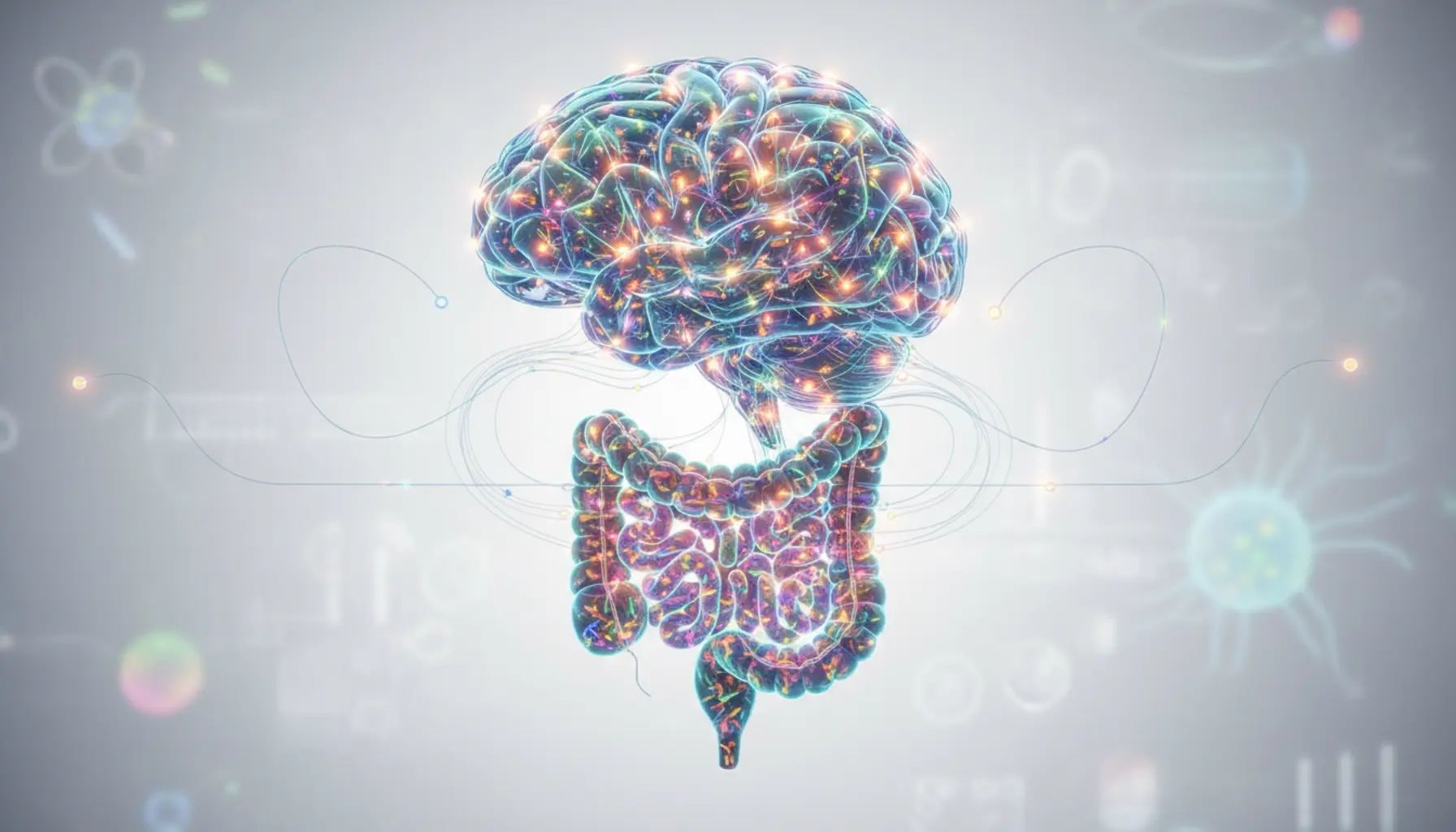
Gut neurons form a complex communication network that integrates signals from the microbiota, immune, and circulatory systems with information coming from the brain. Gut bacteria produce a range of substances that affect the ENS: short-chain fatty acids (SCFA) like butyrate, propionate, and acetate modulate neuron excitability, strengthen the gut barrier, and affect the activity of enteric glial cells, which support and protect neurons similarly to astrocytes in the brain. Some microbes synthesize neurotransmitter precursors (such as tryptophan—a substrate for serotonin production—or glutamic acid—a precursor for GABA), indirectly impacting how the enteric nervous system communicates with the central nervous system. Additionally, enteroendocrine cells in the gut epithelium act as “sensors”—they capture signals from food and the microbiota, then secrete hormones (e.g., GLP-1, PYY, ghrelin) that modulate ENS neuron activity and satiety/hunger pathways. Thus, gut neurons inform the brain about nutritional status, energy intake, toxins, or pathogens, helping to shape subjective sensations such as hunger, fullness, nausea, or a “knot in the stomach” from stress. On the other hand, signals from the brain—especially those related to stress and emotions—through the HPA axis affect the release of cortisol and catecholamines, which modify ENS activity: changing gut motility, barrier permeability, and pain receptor sensitivity. Chronic stress can disrupt this delicate balance, exacerbate inflammation, disturb visceral sensation (discomfort and abdominal pain despite clear test results), and result in permanent changes to the “second brain.” Research indicates that in Parkinson’s or Alzheimer’s diseases, the first neurodegenerative changes may manifest in the gut (constipation, motility problems, pathological protein aggregates in ENS neurons) long before evident symptoms appear in the brain. It is increasingly emphasized that enteric nervous system health is linked to mood disorders—depression, anxiety, and autism spectrum disorders. Disturbed communication between the microbiome and gut neurons can create a “vicious circle”: dysbiosis weakens the ENS and gut barrier, intensifying inflammation and oxidative stress, which then affect the brain, worsen mood, and increase stress sensitivity, further destabilizing the “second brain.” Understanding the role of gut neurons opens avenues for new therapies—from diet and probiotics to interventions aimed at modifying the ENS, which may support not only digestive health but also mental balance in the future.
How Does Gut Microbiome Affect Mental Health?
The gut microbiome affects mental health through several interwoven mechanisms that have recently become the subject of intensive study. Firstly, gut bacteria produce many neuroactive substances, including butyric acid (butyrate), short-chain fatty acids (SCFA), as well as precursors of neurotransmitters such as serotonin, dopamine, or GABA. Although most “gut” serotonin does not cross the blood-brain barrier, its presence influences vagus nerve functioning, gut motility, and local immune cells, which in turn modulate inflammation throughout the body, including the nervous system. The presence of certain bacterial strains—for example, Lactobacillus and Bifidobacterium—is associated in studies with lower anxiety levels and improved mood in laboratory animals, and increasingly, similar relationships are noted in humans. Secondly, gut microbes constantly “talk” to the brain via the vagus nerve, the main communication highway of the gut-brain axis. When the microbiota is balanced, signals sent to the brain favor emotional stability and appropriate stress response. Dysbiosis—disrupted microbiome composition and diversity—can send alarm signals to the brain, triggering stress responses, intensifying anxiety, or lowering mood. Partly, this is because gut bacteria modulate the sensitivity of vagus nerve receptors and affect secretion of gut hormones (GLP‑1, PYY) that regulate appetite, glucose metabolism, and eating behavior—all closely related to mental state and energy levels.
Another key aspect is the microbiome’s role in regulating the immune system and inflammation, which are increasingly linked to depression and anxiety disorders. Healthy microbiota maintains gut barrier integrity, preventing excessive leakage of bacterial toxins like lipopolysaccharide (LPS) into the blood. In dysbiosis, however, a “leaky gut” allows fragmented bacterial walls and other inflammatory particles to enter the bloodstream, activating chronic low-grade inflammation. This can reach the brain, disrupt neurotransmitter function, promote symptoms of anhedonia, fatigue, concentration problems, and sleep disturbances. Many studies show that people with depression exhibit a different microbiota profile than healthy individuals—typically lower diversity and an excess of some pro-inflammatory species. Moreover, transplanting microbiota from depressed patients into laboratory mice caused depressive-like behavior in those animals, providing strong evidence for the microbiome’s causal role in shaping mood. Gut microbiota also plays a key role in brain development from the earliest stages of life. The “critical window” covers the period from fetal development through early childhood, during which the microbiome is especially sensitive to environmental factors—birth method, breastfeeding, natural environment exposure, antibiotic use, diet quality. Disruptions during this time can affect the development of the stress axis (HPA axis), formation of anxiety responses, and susceptibility to mood disorders later in life. Unsurprisingly, children exposed to prolonged stress, diets high in simple sugars and processed fats, or frequent antibiotics more often experience emotional problems, hyperactivity, or sleep difficulties. While microbiota cannot be blamed entirely for these symptoms, it is an important part of the puzzle. Finally, there is growing discussion around so-called psychobiotics—specific bacterial strains and prebiotic products that may support mental health. Clinical trials suggest that supplementing with certain Lactobacillus and Bifidobacterium strains can lower perceived stress, improve sleep quality, and relieve anxiety symptoms, especially alongside a balanced, fiber-rich diet. It is also important that the microbiome influences absorption and metabolism of nutrients essential for brain function—B vitamins, magnesium, zinc, omega-3 fatty acids. Thus, a depleted, disrupted microbiome may weaken “fuel” for the brain, while a diverse, well-nourished bacterial community fosters a more supportive environment for mental balance, stress resilience, and stable mood every day.
The Impact of the Gut on Immunity and Metabolism
The gut microbiota is one of the most important guardians of immunity—an estimated 70–80% of immune cells are located in the intestines. The gut mucosa forms a physical and biological barrier separating the inside of the body from billions of microorganisms and potential pathogens in the digestive tract. Gut epithelial cells are tightly joined by “tight junctions,” and their integrity is directly dependent on bacterial metabolites such as short-chain fatty acids (SCFA), primarily butyric acid. SCFA nourish gut cells, strengthen their connections, regulate local inflammation, and signal to immune cells whether the environment is “safe.” Thus, the microbiota helps maintain selective permeability of the gut barrier—allowing nutrient absorption while limiting the passage of toxins, food antigens, and bacterial fragments that could excessively stimulate the immune system. If this balance is disturbed (for example, by chronic stress, a fiber-poor diet, excessive antibiotic use), a “leaky gut” can result. This means more pro-inflammatory particles enter the bloodstream, the immune system is chronically activated, promoting the development of low-grade inflammation associated with autoimmunity, allergies, skin diseases (e.g., acne, atopic dermatitis), and metabolic disorders.
Gut bacteria shape immunity from the earliest days of life—birth method, breastfeeding, and environmental microbe exposure influence which strains colonize the child’s gut. Early microbial experiences “teach” the immune system to differentiate enemies from friends and regulate its reactivity. The microbiota modulates the activity of T lymphocytes (including Treg, suppressing excessive responses), affects production of pro- and anti-inflammatory cytokines, and participates in generating IgA antibodies, which act as a local shield on the mucosal surface. A diverse microbiome, rich in various species such as Lactobacillus, Bifidobacterium, or Faecalibacterium, favors higher resistance to infections, milder course of bacterial and viral illnesses, and lower tendency to allergies. Gut immunity is tightly connected to metabolism. The microbiota influences how energy from food is used: it breaks down fiber (indigestible by humans) to produce SCFA. These regulate secretion of gut hormones (GLP-1, PYY), which control satiety perception, gastric emptying rate, and glucose-insulin balance. Balanced microbiota supports stable blood sugar, better tissue sensitivity to insulin, and less fat accumulation around the abdomen. Dysbiosis—low microbial diversity, overgrowth of pathogenic bacteria, or dominance of species “efficiently” extracting energy from food—may make weight gain more likely, even if calorie intake is similar. Studies show obese people often have a different microbiota profile than lean individuals, including altered ratios of Firmicutes and Bacteroidetes. This altered flora produces more metabolites that promote low-grade inflammation, disrupting insulin and leptin receptor function and fostering insulin resistance, metabolic syndrome, and non-alcoholic fatty liver disease. Furthermore, the microbiota modifies fat absorption, bile acid synthesis and recycling, affects lipid profiles (LDL and HDL cholesterol), and choline metabolism, potentially impacting the development of atherosclerosis. Thus, the gut becomes a key regulator of body weight, glucose profile, and cardiovascular risk. A suitable prebiotic diet (rich in soluble fiber, vegetables, fruits, whole grains, legumes) and the inclusion of fermented foods and, if need be, well-documented probiotic supplementation, are practical tools to support both immunity and metabolism by targeting their shared control point—the gut microbiota.
Ways to Support Microbiota Health
The gut microbiota reacts extremely dynamically to what we eat, how we sleep, how much we move, and how we deal with stress, so supporting it requires a multifaceted approach, not just reaching for a “miracle” probiotic. The foundation is a daily diet rich in soluble and insoluble fiber, fueling beneficial bacteria—so-called prebiotics. In practice, this means maximizing vegetable variety (minimum 400–500 g/day), low-sugar fruits (e.g., berries, raspberries, apples), whole grains (oatmeal, buckwheat, rye), legumes (lentils, chickpeas, beans), and nuts and seeds. It’s best to have as many “colors” on the plate as possible, as different plant pigments—polyphenols from berries, cocoa, green tea, turmeric, or olive oil—have anti-inflammatory properties and support the growth of beneficial strains such as Bifidobacterium and Lactobacillus. Resistant starches—carbohydrate fractions not digested in the small intestine but a great food source for the gut microbiota in the large intestine—are also important. These come from chilled cooked potatoes, rice, pasta, green (unripe) bananas, or oatmeal; including them in your menu promotes the production of short-chain fatty acids, mainly butyrate, which nourishes intestinal cells and strengthens the mucosal barrier. The second pillar is natural fermented foods, which deliver live bacterial cultures and metabolites that support the gut environment. Common recommendations include unsweetened natural yogurt, kefir, cultured milk, buttermilk, traditional pickled cucumbers and cabbage, kimchi, miso, tempeh, or kombucha; the key is to choose unpasteurized products (when safe and possible) with a short, simple ingredient list, without excess salt or preservatives. Such foods work synergistically with prebiotics, forming a synbiotic nutritional style: fiber, resistant starch, and polyphenols feed the microbiota, and probiotic bacteria from fermented products and selected supplements strengthen its beneficial components. Probiotic supplementation is especially useful after antibiotics, during chronic stress, or if diagnosed with gut disorders such as IBS, but the choice should be based on specific strains (e.g., Lactobacillus rhamnosus GG, Bifidobacterium longum, Saccharomyces boulardii) with proven effects, not just the number of “billions of bacteria” on the package. Limiting factors that harm the microbiota is equally important: excess highly processed foods, rich in simple sugars, glucose-fructose syrup, trans fats, emulsifiers, and artificial sweeteners can promote harmful bacteria, lower microbial diversity, and increase inflammation. Likewise, regular alcohol consumption, especially strong alcohol, damages gut cells and destabilizes the microbial ecosystem. Reducing red and processed meat and more frequent choices of fish, eggs, and plant protein sources helps shift the diet towards a Mediterranean pattern, which has been linked in many studies to more diverse and stable microbiota and lower risk of metabolic diseases. Hydration also matters—water supports bowel transit and fiber dissolution, reducing the risk of constipation and thus excessive contact of toxic metabolites with the gut lining. During periods of increased load on the microbiota (antibiotics, infections, major dietary changes), it’s best to gradually introduce fiber and fermented foods to avoid bloating and discomfort, and potentially consult a clinical dietitian for an individualized plan.
Beyond diet, the broad concept of lifestyle strongly influences microbiota health and regulates the gut-brain axis. Chronic stress, stimuli overload, sleep deprivation, and lack of exercise weaken both the nervous and digestive systems, promoting dysbiosis and inflammation. High cortisol and adrenaline levels change gut motility, mucus composition, and barrier permeability, and directly alter microbiota profiles, favoring species linked to anxiety, low mood, and metabolic disturbances. Thus, systematic stress reduction—breathing techniques, mindfulness meditation, yoga, nature walks, gratitude practice, or short work breaks—can tangibly modulate HPA activity, leading to a gentler inflammatory response in the gut and a more stable microbiota. Sleep quality is also crucial—too little or disrupted sleep disturbs circadian rhythms that regulate digestive hormones, gut mucosal renewal, and bacterial activity; research shows even a few nights with poor sleep can reduce microbiota diversity and increase strains promoting weight gain and insulin resistance. It’s worth ensuring regular sleep and wake times, limiting blue light at night, and avoiding heavy meals right before bed; the gut, like the brain, works best with a predictable rhythm. Regular physical activity—not just intense workouts, but brisk walking, cycling, dancing, or swimming—increases the number of beneficial SCFA-producing bacteria, improves gut blood flow, supports weight control, and stabilizes blood glucose. Physically active people tend to have more diverse microbiota, which is linked to stronger immunity and better mental resilience; at the same time, very intense exercise without proper recovery and nutrition can have the opposite effect, causing micro-damage of the gut barrier (“leaky gut”) and temporarily increasing inflammation, so moderation and individualized intensity are key. Supporting microbiota also means reducing unnecessary medications—especially unwarranted antibiotic use, which can dramatically deplete the gut flora for months or even years. If antibiotics are necessary, it’s helpful—after consulting your doctor—to use probiotics proven effective against antibiotic-associated diarrhea, increase fiber intake, and gradually rebuild the microbiota with a diet rich in vegetables, fruits, and fermented products. Watch out for chronic use of non-steroidal anti-inflammatory drugs (NSAIDs), proton pump inhibitors (for “heartburn”), or large doses of sweeteners, as research suggests their potentially negative impact on the gut barrier and microbiota composition. Environmental factors also matter: reasonable contact with the natural environment (soil, plants, animals) increases exposure to diverse microbes, which, over years, may support microbiota development and immunity; on the other hand, excessive sterility, overuse of disinfectants, and lack of nature contact reduce the immune system’s microbial “training.” Individualization also matters—what benefits one person (e.g., high intake of legumes or fermented dairy) may intensify symptoms in another (when sensitivity, SIBO, or intolerances are involved); signals from your own “second brain”—the guts—are invaluable in identifying which habits genuinely support, and which disturb, microbiota balance.
When Do Gut Disorders Affect Well-being?
Gut disorders begin to significantly affect well-being when the balance between microorganisms, the immune system, and the enteric nervous system is disturbed enough that the brain receives “danger” signals from the gut. In practice, this is often manifested by a set of non-specific symptoms: chronic fatigue, low mood, irritability, concentration problems (“brain fog”), sleep disturbances, greater stress sensitivity, and more pronounced anxiety or depression symptoms. The typical background for such problems is dysbiosis—imbalanced microbiota, for example after prolonged antibiotics, chronic stress, monotonous low-fiber diets, or inflammatory bowel diseases. Gut bacteria produce many neuroactive substances, including short-chain fatty acids, GABA, and serotonin and dopamine precursors. When beneficial bacteria are lacking and pro-inflammatory species dominate, the levels of positive metabolites decrease while inflammatory mediators rise. This, in turn, increases gut barrier permeability, allowing bacterial fragments (e.g., LPS—lipopolysaccharides) to enter the bloodstream and act as an “alarm” for the immune system. Chronic, systemic inflammation is a key factor linked in studies to mood lowering, anhedonia (lack of pleasure), and higher susceptibility to depression. In practice, this is especially visible after infections, intense stress, or drug treatments, when gastrointestinal complaints (bloating, rumbling, irregular bowel movements) coincide with noticeable drops in strength and motivation. One of the best-documented clinical examples is irritable bowel syndrome (IBS), where many patients have a hyperactive enteric nervous system, altered microbiome, and increased gut permeability. People with IBS report anxiety-depressive symptoms much more often than the general population, and the abdominal pain and discomfort they experience is intensified by emotional tension. The vicious cycle usually looks like this: psychological stress intensifies the gut-brain axis and gut motility, which in turn increases pain and bloating, further raising anxiety levels, and chronic exposure to these stimuli promotes generalized stress hypersensitivity. Similarly, chronic gut inflammation in diseases such as inflammatory bowel disease (Crohn’s disease, ulcerative colitis) is linked to a higher incidence of depression and anxiety, and the severity of emotional symptoms correlates with both disease activity and the microbiota profile. It is worth noting that gut disorders can affect well-being in more subtle ways—even without an overt disease—chronic constipation or diarrhea, frequent bloating, or belching after meals can be downplayed, but for the brain, they constitute a constant stream of somatic signals causing an elevated “baseline” level of tension and irritability, as well as ongoing internal discomfort.
An important marker that the gut is genuinely influencing mental state is the appearance of so-called axial neuropsychiatric symptoms co-occurring with digestive complaints. This includes sleeping difficulties and nighttime waking (often due to abdominal pain or rumbling), morning anxiety with diarrhea or strong urge to defecate, as well as worsening mood after certain foods that patients associate with bloating, pain, or sudden tiredness. Some people develop emotional tension around eating—what was once a pleasure now brings discomfort, which may lead to avoidant behavior (restricting diet, fearing to eat “out”), further lowering social quality of life. Another red flag indicating that gut disorders impact mental health is significant limitation of activity out of fear of symptoms—avoiding travel, social events, or sports in worry about sudden diarrhea or pain. This may lead to social isolation, anticipatory anxiety, and worsening depression. Studies show that people with dysbiosis and gut permeability more frequently have elevated CRP, IL-6, or TNF-α—inflammatory markers associated with so-called “inflammatory depression,” characterized by severe fatigue, psychomotor slowing, and lower response to typical pharmacological treatment. In this group, gut-focused interventions—switching to an anti-inflammatory diet, increasing fiber intake, strain-specific probiotics, stress reduction, improved sleep hygiene—often improve both digestive and mental symptoms, confirming that gut-brain axis dysfunction was a key part of the issue. In daily life, pay attention to practical signals: if digestive symptoms persist for weeks, change with stress levels, and are accompanied by mood decline, anxiety, irritability, or significant drop in energy, it’s highly likely that the gut has become an active “player” in your well-being. Such a clinical picture requires a holistic approach—simultaneous assessment of diet, stress levels, sleep quality, physical activity, and any chronic illnesses and medications—because only by combining these elements can one understand where the gut-brain axis was disturbed and what interventions can gradually restore its balance.
Summary
The intestines are often called the second brain for a reason—their connection with the nervous system and presence of millions of neurons allow them to directly influence our mental health, immunity, and metabolism. Balanced gut microbiota supports well-being and body protection. By caring for our diet and lifestyle, we can strengthen our microbiome, improving both mood and physical health. Remember—healthy intestines mean better immunity and a better daily well-being.