How to recognize, treat, and prevent postural defects in children? Learn the symptoms, causes, and effective methods for preventing and correcting postural defects.
Table of Contents
- The most common postural defects in children: scoliosis, kyphosis, lordosis
- Causes of postural defects – risk factors
- Symptoms and early warning signs of postural defects
- Diagnosis of postural defects in children – when to see a specialist?
- Treatment and rehabilitation – effective methods for posture correction
- Prevention of postural defects: physical activity and healthy habits
The most common postural defects in children: scoliosis, kyphosis, lordosis
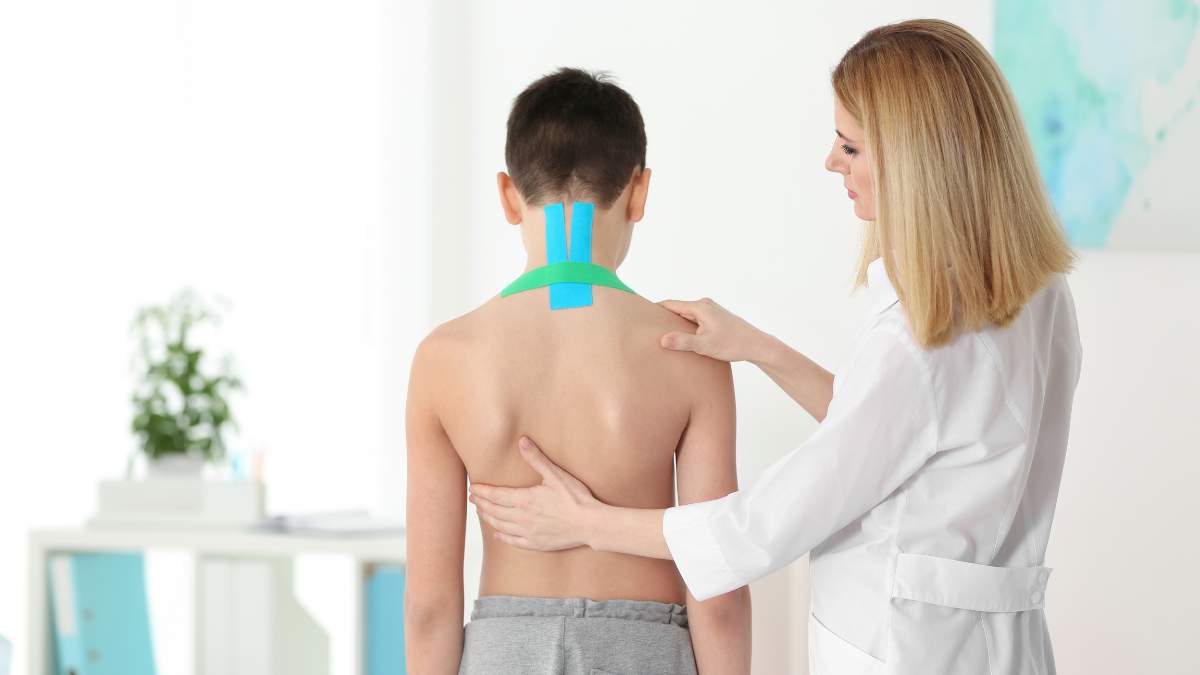
Postural defects in children are a serious health problem, affecting not only the appearance of their physique but also the functioning of the musculoskeletal system, internal organs, and the overall quality of life for a young person. The most common group of postural defects includes lateral and physiological spinal curvatures, such as scoliosis, kyphosis, and lordosis. Scoliosis is a lateral curvature of the spine combined with rotation, which leads to the formation of a characteristic rib hump and asymmetry of the torso. Children going through periods of rapid growth, especially girls, are most at risk of developing scoliosis. Scoliosis can be congenital, idiopathic (of unknown cause), or secondary, resulting from other neurological and muscular disorders. Symptoms that should alert parents include marked asymmetry of the shoulders and shoulder blades, displacement of one side of the pelvis, an S- or C-shaped curvature of the back, or the appearance of a bulge on one side during a forward bend. Early diagnosis and appropriate therapy are crucial to stop the progression of scoliosis and to avoid complications such as breathing disorders, back pain, or reduced mobility. Kyphosis, commonly referred to as “round back,” is an excessive outward curvature of the thoracic spine, which often results from incorrect posture habits, e.g., prolonged sitting in a hunched position or carrying a heavy backpack on one shoulder. In extreme cases, especially among children with congenital spinal defects or muscular diseases, structural kyphosis can develop, requiring intensive rehabilitation or even surgical treatment. Symptoms of kyphosis include rounded back, forward head posture, flattened chest, and difficulty keeping an upright posture. Untreated kyphosis leads to chronic pain, limited torso mobility, and breathing difficulties when deformation compresses internal organs.
A slightly different defect is lordosis—an excessive inward curvature of the lumbar spine, resulting in the protrusion of the abdomen and buttocks. Physiological lordosis is present to some degree in every healthy child, especially between ages 2 and 8, serving as a natural stage in the development of spinal curves. The problem arises when lordosis becomes pathological, e.g., due to weakened abdominal and gluteal muscles, congenital defects, or long-term incorrect body positions. Symptoms of excessive lordosis include the characteristic “sticking out” of the abdomen and buttocks, difficulty maintaining balance, increased fatigue during physical activity, and lower back pain. Early detection and correction of this defect is particularly important because untreated lordosis can lead to permanent changes in spinal joints, overload pain syndromes, or even nerve damage. Each of these postural defects—scoliosis, kyphosis, and lordosis—has a different etiology, symptoms, and health consequences, but all require swift diagnostic and therapeutic intervention. Key roles are played by prevention, regular orthopedic check-ups, and education for parents and teachers regarding correct movement habits. Supporting children in physical activities and ensuring ergonomic learning and resting environments can significantly reduce the risk of developing or worsening postural defects, thus improving the well-being and ability of young bodies.
Causes of postural defects – risk factors
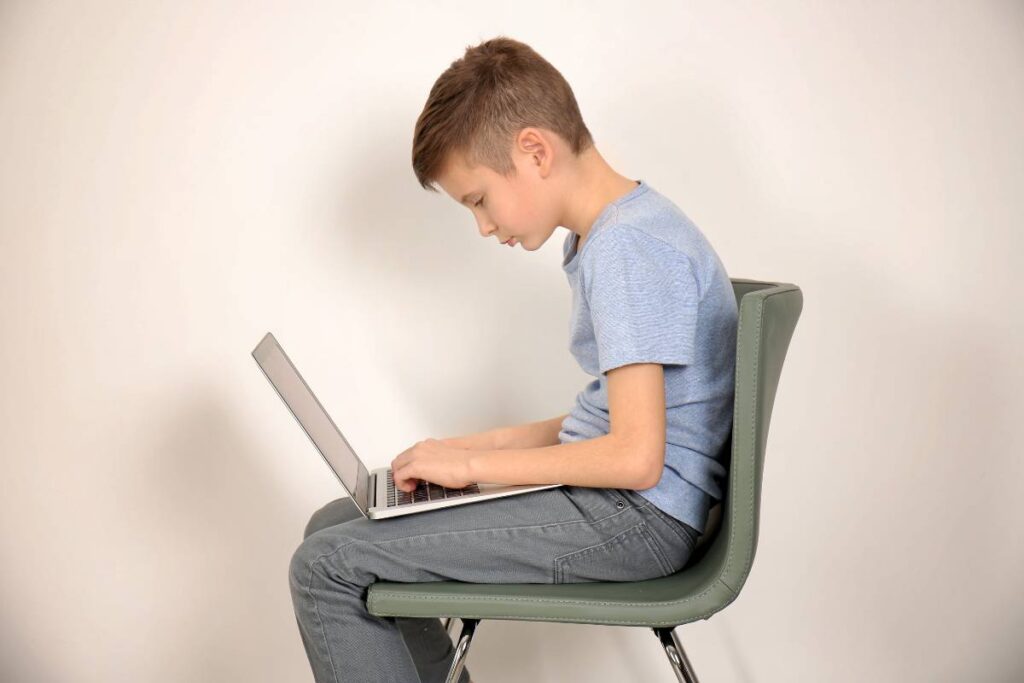
Postural defects in children develop as a result of the interaction of many factors, both congenital and environmental. The most common causes include genetic predispositions, but the child’s lifestyle also plays a significant and often decisive role. Hereditary anatomical abnormalities, such as differences in limb length, abnormal spine structure, ligamentous laxity, or abnormal joint shapes, can encourage development of curvatures from early life. However, the vast majority of posture problems result from daily habits and living conditions—excessive time spent sitting (especially at a computer or tablet), incorrect sitting in school, wearing a backpack that’s too heavy, or lack of regular physical activity. Reduced movement and opting for screen time over outdoor play leads to weakening of postural muscles, which play an essential role in maintaining correct posture. Another important factor is the ergonomics of school and home environments—desks and chairs not suited to the child’s height, as well as inadequate lighting forcing children to hunch, promote poor posture during study and rest. The rapid growth during developmental spurts is also relevant—sudden increase in length of limbs and spine may disrupt muscle balance, and the child’s body may not always keep up with postural corrections, especially when other risk factors are present. Improper footwear—especially too soft or poorly profiled shoes—often leads to disturbed alignment of feet and knees, which in turn affects the body’s biomechanical system. Chronic fatigue, poor diet low in minerals and vitamins (e.g., deficiency of calcium, vitamin D, and protein), as well as past injuries or chronic illnesses causing limited physical activity, can all play roles. Psychosocial aspects also matter—stress, low motivation for sports, low self-esteem, and parental overprotection may indirectly influence habits and attitude towards the body.
When analyzing the broad spectrum of risk factors, it’s important to note uneven loading of the body during everyday activities. Children often carry backpacks on one shoulder or load one side of the body during various tasks, which eventually leads to muscle asymmetry, rotation, and spinal curvatures. A sedentary lifestyle, common even in the youngest children, weakens back, abdominal, and gluteal muscles, reducing spine stability. An inappropriate upbringing model—where the child isn’t encouraged to move or given opportunities for sports—also increases the risk of postural defects. Even socioeconomic factors like place of residence, access to recreational spaces, parents’ education level, or the availability of sports activities may play significant roles in shaping pathologic or healthy movement habits. Among children and adolescents with uncorrected visual defects, excessive head tilting and rounded back is frequently observed, aimed at seeing better but initiating or deepening spinal curvature. Prolonged, monotonous activities, particularly in school-age children—like reading, writing, or playing musical instruments—are additional risk factors, as they require concentration and static positions. All these circumstances mean that today’s children are much more exposed to the formation or worsening of postural defects than previous generations. The earlier risk factors are identified and prevention is started, the better the chances of maintaining healthy musculoskeletal development in the youngest generation.
Symptoms and early warning signs of postural defects
Early recognition of postural defects in children is crucial for successful prevention and treatment. Symptoms of postural defects often present subtly and may initially be overlooked by both parents and teachers. Nevertheless, there are a number of characteristic signals that are worth watching to identify the problem as early as possible. The most common physical symptoms include body asymmetry, such as uneven shoulders, hips, or shoulder blades—one shoulder may be noticeably higher than the other, and one scapula may protrude more. Lateral spinal curvature, visible during a forward bend (the so-called Adams test), often appears. Parents should observe rounded back, deepened lumbar lordosis (excessive curvature of the lower back), or malpositioned pelvis, which results in protruding buttocks. Rapid growth and changing body proportions may make postural abnormalities more visible. It’s also important to see if the child automatically shifts weight onto one leg when standing, which could signal developing muscle asymmetry or pelvic position issues.
General and functional symptoms are also important early warning signs of developing postural defects. These symptoms include rapid fatigue during physical effort, frequent muscle and joint pains (especially the back, neck, or shoulders), difficulty maintaining an upright position for extended periods, and a reluctance to participate in physical activity. Children with postural defects may report stiffness, limb numbness, and even difficulty breathing, particularly with advanced kyphosis. Note any unusual seating habits, such as “W” sitting (knees forward, feet out), leaning elbows on tables, or constant fidgeting. Some children may frequently trip while walking, have difficulty balancing, or display deformed feet, which can be consequences of postural defects. Therefore, it is extremely important for parents and teachers to continually observe children, especially during periods of rapid growth and body changes—the appearance of any warning symptom should prompt consultation with a physician or physiotherapist. Early detection of even minor abnormalities allows for faster implementation of corrective actions, such as corrective exercises or modification of the school or home environment, significantly increasing the chances for full postural recovery and limiting long-term health complications.
Diagnosis of postural defects in children – when to see a specialist?
Diagnosis of postural defects in children is a multistage process, involving both initial assessment by parents or teachers and specialist medical diagnosis. Early identification of postural abnormalities significantly increases the effectiveness of treatment and allows for the implementation of less invasive therapy. Timely intervention and awareness of symptoms are key—the sooner concerning signs are detected, the greater the chance for effective correction. Typical warning signals prompting consultation with a specialist include persistent back, neck, or joint pain; marked body asymmetry during everyday activities; lateral spinal curvature visible on forward bending; abnormal positioning of shoulders and hips; or frequent changes in the child’s posture. Additionally, repeated trouble with balance, rapid fatigue during play, or complaints of discomfort or pain during prolonged sitting at school warrant attention. The moment for seeking a specialist should not be delayed—especially if concerning symptoms persist for several weeks, intensify, or are accompanied by mobility problems.
The first stage of professional diagnosis is a detailed medical interview and postural assessment performed by an orthopedic doctor, physiotherapist, or pediatrician. The specialist evaluates the position of the head, shoulders, shoulder blades, pelvis, and lower limbs, looking for asymmetries and other deviations from anatomical norms. The assessment is often carried out in standing, walking, and during simple functional tests—for example, the Adams test for suspected scoliosis, which involves forward bending and observing rib humps or curvatures. If in doubt, imaging tests can be ordered—most often spinal X-rays for detailed evaluation of the curve angle and defect severity. In some cases, ultrasound or MRI is used, particularly when other structural problems are suspected. An important element of diagnosis is also assessment of muscle strength and tone, joint mobility, and balance, which allows the treatment plan to be tailored to the child’s individual needs. A multidisciplinary approach—with doctors, physiotherapists, and sometimes child psychologists—is especially important when defects coexist with other developmental disorders. Regular orthopedic screening examinations, performed in schools or during routine health check-ups, allow for early detection even of subtle deviations. Parents should be aware that diagnosis is needed not only in cases of visible symptoms, but also in high-risk situations, such as rapid growth during puberty, positive family history regarding postural defects, or the presence of chronic musculoskeletal conditions. Well-conducted diagnosis is the foundation for effective therapy and sets the direction for further treatment, giving the child the chance for healthy physical development without long-term health consequences.
Treatment and rehabilitation – effective methods for posture correction
Treatment of postural defects in children relies on a comprehensive approach that combines therapeutic, educational, and preventive measures. Quick implementation of appropriate correction methods after detection of the first abnormalities is crucial—the earlier the therapy starts, the greater the chance for full postural improvement. The first and basic step in treatment is the creation of an individualized rehabilitation plan tailored to the type and severity of the postural defect. Such a plan should be developed by a team of specialists: orthopedist, physiotherapist, and in some cases neurologist or pediatrician. One of the most important non-invasive methods is specialized corrective and rehabilitation exercises that strengthen weak postural muscles, increase tissue flexibility, and improve body awareness. Regular participation in sessions with a physiotherapist not only corrects existing defects, but also teaches children healthy movement habits for the future. The rehabilitation process often uses asymmetrical exercises to improve muscle balance, stretching exercises, and those strengthening the deep back and abdominal muscles. Additionally, breathing and relaxation exercises are important, especially for cases of kyphosis and scoliosis, supporting the proper function of the chest. For pronounced, rapidly progressing curvatures—such as advanced scoliosis—orthopedic support is also used, most often orthopedic braces that maintain the spine in the correct position and halt further deformity progression during intense child growth. Bracing requires regular checkups and adjustment of the device to the child’s changing needs, and close cooperation with the supervising physician. In advanced cases unresponsive to conservative methods, surgical treatment may be required—especially when postural defects threaten organ function or cause severe pain. Surgery aims to straighten the spine, stabilize muscle structures, and prevent further deformity progression.
An integral part of effective postural defect therapy is work done outside the rehabilitation office—regular reinforcement of healthy movement patterns at home and school, as well as education of the child and their closest environment about prevention. Ensuring ergonomic learning and work stations is extremely important: proper desk and chair setup, monitor height, and optimal backpack selection for weight and carrying style. Promoting physical activity—both organized sports and spontaneous play—positively impacts the musculoskeletal system and motor coordination. Daily gymnastics, swimming, cycling, or Nordic walking are recommended, as these effectively shape posture and strengthen spinal stabilizer muscles. Sometimes it is worth introducing elements of manual therapy, therapeutic massage, or physical therapy (e.g., electrostimulation, laser therapy), supporting regeneration of soft tissues, reducing pain, and improving muscle circulation. Motivation and emotional support from parents and teachers are just as important, as consistency and engagement in therapy is key to its effectiveness. Regular monitoring of treatment progress and modification of exercise programs or treatment methods, matching the child’s changing developmental needs, are important. This holistic, individualized approach offers the greatest chance for successful correction of postural defects, a return to health, and establishment of lifelong healthy habits, protecting the child from complications and long-term effects of untreated posture issues.
Prevention of postural defects: physical activity and healthy habits
The prevention of postural defects in childhood should be a priority for parents, teachers, and everyone in the child’s environment. The most important element of maintaining correct posture is regular physical activity, which strengthens the musculoskeletal system, improves coordination, and teaches proper movement patterns. Various forms of physical activity are recommended, such as sports, dancing, swimming, or cycling—these allow for even development of different muscle groups and prevent unilateral overloads. Especially valuable are general developmental exercises and outdoor play, which involve the abdominal, back, and leg muscles, as well as improve balance, reflexes, and healthy movement habits. It’s vital to motivate children towards daily activity and to build a positive attitude towards movement from an early age—even simple activities like walking, park play, or short home gymnastics contribute to prevention. Experts recommend that school-aged children should spend at least 60 minutes a day doing moderate or vigorous physical activity. The quality of movement is just as important as the amount—it’s worth choosing exercises that involve posture correction, strengthening deep muscles, and stretching to counteract tension from prolonged sitting. Developing healthy habits early on is crucial—through the positive example of adults, encouragement for joint activities, and incorporating a variety of movement into family life.
In addition to physical activity, daily habits and the proper organization of the child’s environment play a significant role in the prevention of postural defects. Attention should be given to the ergonomics of study and play environments—the desk and chair must be adjusted to the child’s height, and monitors or books set at appropriate levels to minimize hunching and body asymmetry. The school backpack should not be too heavy or be carried on one shoulder; models with wide, padded straps and ergonomic backs are best. Regular breaks from sitting are vital—children should get up, stretch, and do short stretching routines during study or use of mobile devices. Attention should also be paid to sleep hygiene and the use of a proper mattress and pillow to support the natural spinal curves. A diet rich in vitamins, minerals (especially calcium and vitamin D), and protein supports healthy bone and muscle development. Prevention doesn’t end at home—educational efforts in schools and preschools are also important, including health promotion programs and physical education classes aimed at developing postural strength and raising awareness of healthy posture. The environment should encourage movement and build awareness that good posture and healthy habits are formed throughout childhood and have a big impact on adult life. Proper prevention of postural defects is an investment in the child’s health and comfort for the future, requiring consistency and the cooperation of all involved in the child’s upbringing.
Summary
Early recognition, prompt diagnosis, and the implementation of appropriate treatment and rehabilitation are key to fighting postural defects in children. Regular physical activity, daily ergonomics, and attention to proper postural habits can effectively prevent these problems. Collaboration among parents, teachers, and specialists is the foundation for effective prevention and a quick response to early symptoms. Thanks to a comprehensive approach, children’s health and quality of life can be improved, ensuring proper development and better everyday wellbeing.