
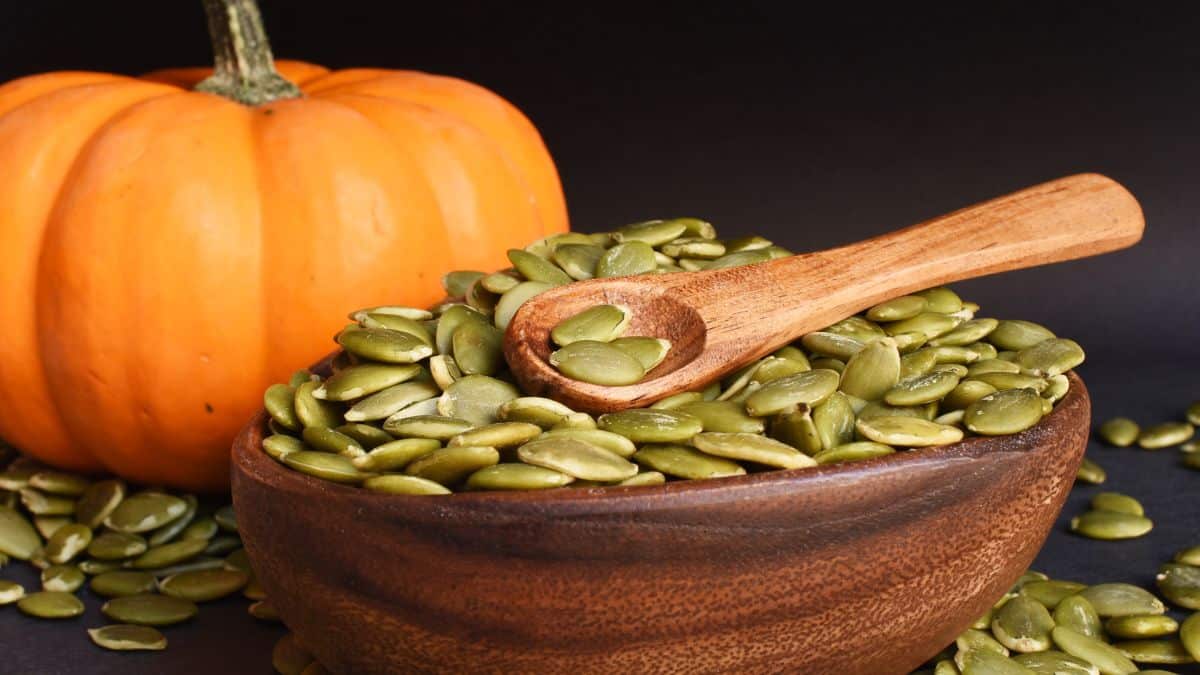
Learn about the properties of pumpkin seeds! Discover their composition, effects, health benefits, and the best ways to incorporate them into your diet.
Table of Contents
- What are Pumpkin Seeds and Why Should You Eat Them?
- Nutritional Value of Pumpkin Seeds – Rich in Vitamins and Minerals
- Key Health Benefits of Pumpkin Seeds
- Pumpkin Seeds and the Prevention of Selected Diseases
- How to Add Pumpkin Seeds to Your Daily Diet?
- Contraindications and Possible Side Effects of Eating Pumpkin Seeds
What are Pumpkin Seeds and Why Should You Eat Them?
Pumpkin seeds are the seeds of the common pumpkin (Cucurbita pepo), which have held an important place in traditional cuisines worldwide for centuries. These small, flat, and green seeds, usually encased in a hard, white shell, have gained the status of a natural superfood thanks to their abundance of nutrients and proven health-promoting properties. In many cultures, they have been used both as a valued dietary component and as part of natural remedies for improved health. Pumpkin seeds are not only tasty—they have a delicate, nutty aroma that pairs perfectly with both sweet and savory dishes—but are also widely available and affordable. Many nutritionists and doctors emphasize that regularly consuming pumpkin seeds can enrich your daily diet with valuable nutrients often lacking in modern, fast-paced eating habits. By supplementing meals with these seeds, you ensure an adequate intake of plant-based protein, healthy unsaturated fats, and essential vitamins and minerals. Pumpkin seeds are also an excellent alternative for people who avoid meat or animal products, as they are a source of iron, magnesium, zinc, and copper, and provide B vitamins, vitamin E, phytosterols, and antioxidants necessary for protecting the body against oxidative stress, premature cell aging, and decreased immunity. A pumpkin seed-enriched diet not only brings health benefits—it is also a simple way to enhance the flavor of everyday dishes and improve your well-being without the need for expensive dietary supplements.
It’s worth reaching for pumpkin seeds not only for their versatility in the kitchen but above all for their numerous medicinal and preventive properties. Scientific studies confirm that regular consumption of these seeds may help lower bad cholesterol (LDL), support the heart and circulatory system, and alleviate symptoms associated with hypertension or type 2 diabetes. Pumpkin seeds also promote prostate and urinary tract health—particularly appreciated by middle-aged and older men—and support cognitive function thanks to omega-3 fatty acids, phytosterols, and tryptophan, the amino acid precursor to serotonin—the happiness hormone. Among all nuts and seeds, pumpkin seeds stand out due to their exceptionally high content of zinc and magnesium, building blocks essential for proper immunity, protein synthesis, muscle function, and nervous system performance. Additionally, the fiber content supports digestion regulation, prevents constipation, and nurtures beneficial gut microbiota. As a natural source of antioxidants, pumpkin seeds help neutralize free radicals, resulting in anticancer effects, slowed aging processes, and improved condition of skin, hair, and nails. Choosing pumpkin seeds means not only a tasty snack or valuable addition to salads, smoothies, or baked goods, but, above all, support for your health and daily well-being. Their low calorie content, low glycemic index, and gluten-free nature make them an excellent complement to diets for those losing weight, diabetics, or those suffering from celiac disease. Including pumpkin seeds in your menu requires no fancy recipes or special cooking skills—you can eat them raw, roasted, added to muesli, yogurt, soups, or bread, getting a daily serving of vital phytochemicals that naturally protect your health.
Nutritional Value of Pumpkin Seeds – Rich in Vitamins and Minerals
Pumpkin seeds are distinguished by their extraordinarily rich and valuable nutritional composition, making them one of the most versatile and esteemed ingredients in both vegetarian and traditional diets. Even a small portion, about 30 grams (a small handful), delivers a solid dose of plant protein and a wide range of essential micronutrients and vitamins crucial for maintaining good health. Pumpkin seeds contain up to about 30% high-quality protein, which is a great source of essential amino acids the human body cannot synthesize on its own. Additionally, they are exceptionally rich in good quality fats, mainly unsaturated fatty acids, including linoleic and oleic acids, which have a positive effect on the cardiovascular system, lower LDL (‘bad’ cholesterol) levels, and help maintain proper levels of good cholesterol (HDL). The fat content is as high as 40-50%, predominantly comprising those valuable unsaturated fatty acids and phytosterols, which, among other things, support the body’s lipid balance.
The impressive content of vitamins and minerals in pumpkin seeds should not be overlooked either. They are an excellent source of zinc—a mineral extremely important for proper immune function, supporting resistance, and the health of skin, hair, and nails, as well as hormonal regulation (especially for men—protection of the prostate). Thirty grams of pumpkin seeds cover even more than 20% of the daily requirement for zinc. Furthermore, their magnesium abundance benefits proper muscle and nervous system function, supports cognitive processes, and aids in fighting stress and fatigue; just 30 grams of seeds provide around 40% of the daily need for this mineral. In addition, pumpkin seeds contain potassium, iron (important for red blood cell production and the prevention of anemia), copper, manganese, phosphorus, and selenium—each of these elements performs key functions in supporting metabolism, energy production, and overall body condition. Regarding vitamins, pumpkin seeds are mainly a source of B vitamins (B1, B2, B3, B6, folic acid), vital for proper nervous system function and metabolic processes. Let’s not forget about vitamin E, a powerful antioxidant that helps protect cells against oxidative stress, slows aging, and improves skin appearance. Notably, pumpkin seeds also contain dietary fiber—up to 6–10 grams per 100 grams of product—which positively affects bowel regulation, helps maintain a healthy weight, and lowers glucose and cholesterol levels in the blood. Compounds found in pumpkin seeds, such as phytosterols and tocopherols, additionally show antioxidant and anti-inflammatory action, strengthening the body’s natural defense barrier. Further advantages of pumpkin seeds include their dietary versatility—they are gluten-free, low-calorie, and have a low glycemic index, so they can be safely consumed by people with celiac disease, insulin resistance, or diabetes. Thanks to their mix of valuable vitamins, minerals, healthy fats, and protein, pumpkin seeds are perfect in the diets of those seeking optimal nutrition, athletes, children, seniors, and those following plant-based diets, actively supporting health on many levels.
Key Health Benefits of Pumpkin Seeds
Pumpkin seeds have earned their reputation as a natural superfood primarily because of their versatile health-promoting properties, confirmed by numerous scientific studies. Above all, they are valued for their ability to support the cardiovascular system—they contain significant amounts of unsaturated fatty acids (especially linoleic and oleic acids), which help to regulate overall cholesterol levels and reduce harmful LDL, while supporting higher levels of “good” HDL cholesterol. This significantly reduces the risk of atherosclerosis and heart disease, while the polyphenols and tocopherols (forms of vitamin E) in pumpkin seeds protect cells from oxidative stress that underlies many circulatory system ailments. The magnesium in pumpkin seeds is necessary for proper heartbeat, nerve conduction, and muscle contraction, which is why these seeds are recommended for people exposed to stress, cramps, or hypertension. Pumpkin seeds are also a valuable source of phytosterols—plant compounds that, due to their structure similar to cholesterol, limit its absorption in the intestines, contributing to lower cholesterol levels and reduced cardiovascular risk. Zinc and B vitamins found in pumpkin seeds positively affect the functioning of the nervous and immune systems. Zinc, one of the key micronutrients in pumpkin seeds, is involved in skin regenerative processes, supports the production and maturation of immune cells, regulates hormonal metabolism, and enhances fertility—especially in men. That’s why pumpkin seeds are recommended for those seeking to support genitourinary health—countless studies show they help alleviate symptoms of benign prostatic hyperplasia (BPH), support bladder function, and prevent urinary tract infections, due to their phytosterol, anti-inflammatory, and antibacterial compounds. Additionally, the high antioxidant content—such as vitamin E, selenium, and carotenoids—helps to reduce oxidative damage to cells, protecting against aging and lowering the risk of cancer—antioxidants bind free radicals that damage DNA, crucial in cancer prevention and caring for skin, hair, and nails.
Pumpkin seeds are also a valuable source of plant protein and dietary fiber, which together improve metabolism, satiety, and weight control. The fiber in pumpkin seeds slows digestion, regulates glucose absorption, and helps stabilize blood sugar levels, making them an excellent addition for people with diabetes, insulin resistance, or metabolic syndrome, as well as supporting weight loss. Additionally, fiber supports bowel function, preventing constipation and nurturing the gut microbiome—crucial for overall immunity and detoxifying the body. The minerals present—especially iron and manganese—support the production of red blood cells and efficient oxygen transport, essential for maintaining energy, concentration, and good mood. Pumpkin seeds are also rich in potassium, which helps regulate blood pressure and supports sodium elimination from the body, while B vitamins facilitate proper nervous system functioning, enhancing memory, concentration, and stress resilience. The natural presence of tryptophan—an amino acid necessary for serotonin (the happiness hormone) and melatonin (the sleep hormone) production—means pumpkin seeds can improve mood and sleep quality, making them worth including in the diets of overworked, stressed, or insomnia sufferers. Their lack of gluten and very low glycemic index make pumpkin seeds suitable for elimination diets, vegetarians, vegans, and everyone seeking a balanced diet free from artificial additives or allergens. It’s worth noting that even small amounts of pumpkin seeds consumed regularly bring long-term benefits—strengthening immunity, aiding in detoxification, improving mood, cognitive functions, and effectively protecting against numerous lifestyle diseases and accelerated aging.
Pumpkin Seeds and the Prevention of Selected Diseases
Thanks to their comprehensive composition, pumpkin seeds are an important part of preventive diets to stop the development of many lifestyle diseases. Their concentrated richness of unsaturated fatty acids, phytosterols, vitamins, and minerals means regular consumption can have a significant effect on health. Their most documented role is in supporting the cardiovascular system. Pumpkin seeds provide high amounts of magnesium, potassium, zinc, and essential unsaturated fatty acids that jointly regulate blood pressure, strengthen blood vessels, and counteract atherosclerosis. The presence of phytosterols helps lower “bad” LDL cholesterol, while raising HDL, reducing the risk of coronary artery disease, heart attack, and stroke. Additional studies suggest that the natural antioxidants in pumpkin seeds, such as vitamin E, selenium, and carotenoids, effectively protect cells against oxidative stress and chronic inflammation—risk factors not only for heart disease but also for type 2 diabetes, cancer, and neurodegeneration. The zinc content plays a fundamental role in maintaining immunity and regenerative processes, as well as protecting against viral and bacterial infections. It is also crucial for male health—numerous scientific studies have confirmed pumpkin seeds support the prophylaxis of prostate diseases such as benign prostatic hyperplasia (BPH), and may assist in treating genitourinary disorders. This is thanks not only to zinc but also to their phytosterols, which inhibit enzymes responsible for excessive prostate growth. They also help limit the risk of prostate cancer development, owing to their anti-inflammatory and antioxidant effects, making them a component of both preventive care and treatment support. Pumpkin seeds also demonstrate proven benefits in diabetes prevention—the fiber and bioactive compounds in the seeds help stabilize blood glucose, increase insulin sensitivity, and regular consumption supports weight control, which is extremely important for preventing diabetes and its complications.
A key role of pumpkin seeds is also observed in cancer prevention and supporting women’s health. Their antioxidant effect is due to phenolic compounds, vitamin E, and lignans, which neutralize free radicals and limit DNA mutations responsible for cancer development. Their particularly beneficial actions have been described in breast, prostate, and colon cancers. The lignans in pumpkin seeds support hormonal balance, especially significant for women during menopause—they may alleviate symptoms of the menopausal period and protect against osteoporosis, thanks to high levels of magnesium, zinc, and phytoestrogens. Adequate intake of these minerals and the estrogen-like effects of pumpkin seeds offer tangible support for the skeletal and hormonal systems at any age. Pumpkin seeds are also suggested for neurological disease prevention, including Alzheimer’s disease and Parkinson’s. They deliver not only magnesium, which affects cognitive function beneficially, but also tryptophan, the serotonin precursor—supporting good mood, stress reduction, and proper sleep quality. By supporting the nervous system and preventing chronic inflammation, pumpkin seeds may genuinely slow neurodegeneration and ageing. Likewise, for the digestive system, they help regulate bowel movements, support healthy gut flora, and soothe inflammation of the intestinal mucosa, making them an excellent element in the prevention of both gastrointestinal diseases and cancers in this region. To sum up, the regular presence of pumpkin seeds in the diet can bring measurable preventive benefits regarding cardiovascular diseases, diabetes, cancer, prostate issues, hormonal imbalances, and nervous system disorders, making them one of the most valuable and attainable superfoods for daily health prevention.
How to Add Pumpkin Seeds to Your Daily Diet?
Pumpkin seeds stand out not just because of their nutritional richness, but also their versatility in the kitchen, making them easy and enjoyable to add to your daily routine. One of the simplest ways is to eat them as a snack—they can be crunched on their own, a healthy alternative to traditional sweets and chips, especially during work, travel, or study. For an even more intense nutty flavor and crunch, lightly toast them on a dry pan or in the oven. Pumpkin seeds also make an excellent addition to breakfasts—they go very well with natural yogurt, porridge, muesli, or granola. For those who prefer sweet combinations, they work as a topping for smoothie bowls or fruit shakes. In savory versions, pumpkin seeds deepen the flavor of salads, slaws, and vegetable dishes. Mix them with your favorite herbs and spices to create homemade blends for nutritious bowls, groats, or roasted vegetables. Adding pumpkin seeds to bread (both loaves and rolls), homemade crackers, cookies, or energy bars makes those products more filling and nutritious—you can add seeds to the dough or sprinkle them on top before baking. In vegan and plant-based cuisine, pumpkin seeds are a brilliant base for spreads—soaked and blended with a little olive oil, garlic, herbs, and lemon juice, they create a cream that works as a dip for vegetables, a sandwich spread, or as a wrap ingredient. They’re also a great raw material for homemade vegan “cheese” or pesto, which acquires a unique flavor and creaminess with pumpkin seeds instead of traditional pine nuts.
Remember that pumpkin seeds are perfect for making a healthy coating for cutlets, falafels, or baked vegetables—just grind them in a blender. The crushed form also works well in homemade muesli or as a topping for grilled meats and fish, giving dishes not only crunch but also an intriguing flavor. Don’t forget about pumpkin seed oil, which is great used cold as an aromatic addition to salads, groats, pasta, spreads, or dips—its subtly nutty taste enhances even the simplest dishes and lets you get even more health benefits from the seeds. For those who find it difficult to eat whole seeds daily, ground pumpkin seeds are a good alternative—add them to cocktails, smoothies, or natural yogurts—or use pumpkin seed flour in baking, pancakes, and for thickening soups and sauces. Pumpkin seeds also pair nicely with dairy, for breakfast or in salads with cottage cheese and mature cheeses. Try making your own trail mix by combining them with dried fruit or other seeds and nuts—it’s a perfect snack for active people and an ideal post-workout meal. Including pumpkin seeds in your daily meal plan doesn’t require special cooking skills. Simply grab a handful a day, regularly adding them to your meals or snacks—their versatility means they’re a natural, healthy companion to almost any dish. Thanks to this, making pumpkin seeds part of your diet becomes easy and will clearly improve the taste and nutritional value of your food, benefiting the health of the whole family.
Contraindications and Possible Side Effects of Eating Pumpkin Seeds
Pumpkin seeds, though widely regarded as a safe and valuable food product, may in certain cases cause side effects or be unsuitable for some individuals. The key is the amount consumed—although they are rich in nutrients, excessive consumption can lead to gastrointestinal disturbances, such as bloating, abdominal pain, feelings of fullness, or diarrhea. This is mainly due to their high fiber and fat content, which in excess can overload the digestive system, especially in those with sensitive gastrointestinal tracts, irritable bowel syndrome, or other gastric conditions. The high calorie content of pumpkin seeds may also be a problem for those strictly monitoring their calorie intake or following a weight-loss diet—100 grams provides nearly 550 kcal, so consuming them in large quantities can negatively affect body weight. Another important aspect is food allergies—although rare, pumpkin seeds can cause allergic reactions, manifested as rash, itching, mouth swelling, breathing difficulties, or stomach problems. If you experience allergy symptoms after eating seeds, consult a doctor immediately for proper diagnosis. People with seed or nut allergies should be especially cautious and start with small amounts.
Besides individual sensitivities, pumpkin seeds may interact with certain medications and health conditions. For example, their high magnesium and potassium content can disturb electrolyte balance in people with uncontrolled kidney diseases—the excess of these elements in renal failure increases the risk of hyperkalemia and hypermagnesemia, which can cause severe cardiovascular and neurological complications. Those using diuretics that affect blood potassium or magnesium levels, as well as patients taking anticoagulant medication, should be wary—pumpkin seeds contain small amounts of vitamin K, which in extreme cases may affect therapy efficacy. Eating large amounts of pumpkin seeds may also lead to excessive phytosterol intake, which could affect the absorption of beta-carotene and some fat-soluble vitamins in certain people. It should also be noted that pumpkin seeds are not recommended for children under 3 due to the risk of choking and the difficulty very young children have in digesting hard seeds. Seed quality and origin are also essential—low-quality, moldy, or rancid seeds may contain harmful toxins, such as aflatoxins, so always select seeds from trusted sources, properly stored, and free of spoilage. Furthermore, since they are high in fat, pumpkin seeds are prone to going rancid, so it’s best to keep them in a tightly sealed container in a cool, dark place. Avoid heavily processed seeds with added salt or oils, as these contribute to excessive sodium and unhealthy fat intake. Always remember moderation when introducing pumpkin seeds into your diet to maximize benefits and minimize risks.
Summary
Pumpkin seeds are a natural superfood that deserves a permanent place in a healthy diet. They offer a wealth of vitamins, minerals, and fiber, support heart, bone, immune, and digestive health. Their anti-inflammatory properties and ability to help prevent many lifestyle diseases have been scientifically proven. They are easy to incorporate into everyday meals—you can add them to salads, oatmeal, or smoothies. Despite their numerous benefits, it’s important to remember the contraindications, such as allergies or excessive calorie intake with large quantities. Choose pumpkin seeds regularly to benefit from their full health potential.