
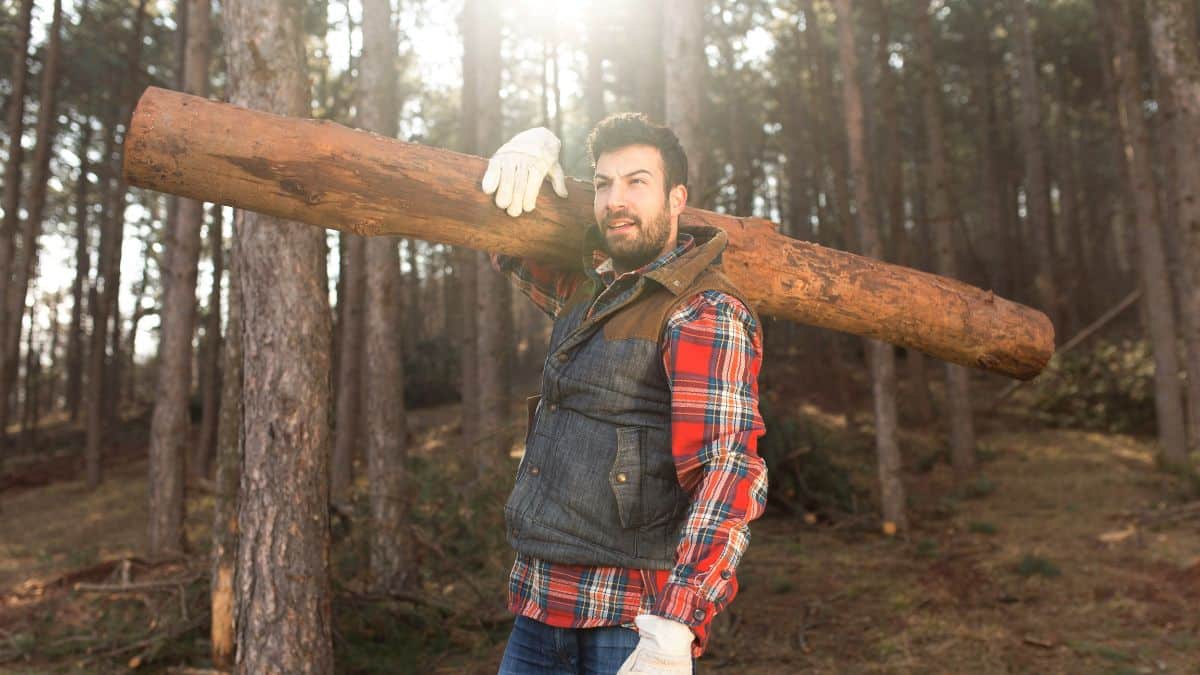
The crisis of masculinity in the 21st century – new challenges, redefinition of roles, loneliness, support and ways of building one’s own identity as a modern man.
Table of Contents
- What is modern masculinity? New definitions and social expectations
- Evolution of men’s roles: from patriarchy to egalitarian partnerships
- Why are more and more men feeling lost?
- Men’s loneliness — causes and consequences
- How to cope with the masculinity crisis? Practical tips and support
- The modern man in a relationship – communication, intimacy, and new challenges
What is Modern Masculinity? New Definitions and Social Expectations
Modern masculinity is a continuously evolving subject, far more complex than the traditional, black-and-white definitions of the past. In previous generations, a man was primarily associated with the role of family provider, tough protector, and household head. Clear and often unambiguous expectations were placed on him: he was to be strong, independent, decisive – never showing weakness or excessive emotions. However, the 21st century has brought the realization that true masculinity goes far beyond these stereotypes. Globalization, rapid technological development, gender equality movements, and a growing awareness of the diversity of human experience mean that the concept of masculinity is now being constantly redefined. There is a strong and growing need for a broader perspective – to acknowledge that masculinity does not exist in a single, universal version. A modern man can be both sensitive and assertive; nurturing and ambitious at the same time. Many men currently face extremely ambivalent expectations: they are to support those close to them, be ready for compromise and dialogue, yet at the same time, remain proactive, energetic, and courageous professionally. The disappearance of clear social roles causes confusion, but at the same time opens up the space for men to independently shape their own identity.
New definitions of masculinity increasingly emphasize authenticity, flexibility, and a willingness for personal growth. Modern society expects men to be able to listen, work on themselves, and be open to discussing emotions and mental health – topics that until recently were cultural taboos. At the same time, family and workplace relationships are changing: the traditional hierarchy based on the authority of the “head of the family” is giving way to partnership, collaboration, and the creation of bonds rooted in equality. Men today are often required to find a balance between the expectation of career success and involvement in private life. Today’s generation of fathers shows a desire for closeness with their children and active participation in upbringing, equally with mothers, giving rise to a new model of masculinity – empathetic, responsible, and socially aware. The image of a man who enjoys the freedom to express himself is gaining traction in media, pop culture, and sports, where qualities such as emotional resilience, psychological stamina, or communication skills are increasingly valued alongside physical prowess. However, this does not mean that the pressure vanishes: expectations towards men are fragmenting, and the natural desire to be seen as a “real man” remains strong. Thus, the ability to choose one’s own path, independently build self-worth, and adapt to a world where norms are evolving faster than ever is more important than ever.
Evolution of Men’s Roles: From Patriarchy to Egalitarian Partnerships
For centuries, the patriarchal system dominated most societies, setting a simple but very rigid code of gender roles. The man was seen as the head of the family, absolute authority, provider, and protector, while the woman was expected to focus on homemaking and childrearing. Patriarchy was reinforced by religious, educational, and political institutions, marginalizing deviations from the norm and suppressing emotionality in the male world. This traditional model, although it gave some a sense of stability and clearly defined roles, also led to serious limitations – both for men and women. Men often could not freely express emotion, were judged by strength, courage, and resourcefulness, and failure in these areas was strongly stigmatized. Change came with waves of societal and feminist revolutions in the 20th century, which challenged gender inequalities and began the democratization of family and professional life.
In the 21st century, the evolution of men’s roles has accelerated, with the reevaluation of masculinity aligning with overall social transformation. The partnership model is increasingly replacing patriarchal patterns, promoting equality, shared decision-making, division of household duties, and mutual support in relationships. Fatherhood is no longer symbolic; active participation in childrearing has become the essence of modern responsibility. Men, encouraged to express emotion and develop interpersonal skills, must find themselves in a world that demands flexibility and openness. Professional work is no longer the only arena where value is proven – family involvement, empathy, and the ability to create egalitarian bonds are increasingly valued. This shift is reflected in the increased number of men taking parental leave, sharing domestic responsibilities, and the growing acceptance of non-traditional family models. Although this transformation brings many benefits, it also sparks fears about the loss of previous privileges or identity – a source of crises and uncertainty. On one hand, the modern man gains greater freedom to express himself and shape his life independently of imposed roles; on the other, he must grapple with ever-increasing expectations and the pressure to be not only an effective professional but also a sensitive partner and involved father. The evolution of male roles touches every sphere of life – from home relationships, to the work environment, to media and mass culture, redefining standards and opening new fields for development, but also for challenges and dilemmas.

Why Are More and More Men Feeling Lost?
Today’s world imposes a range of complex and often contradictory expectations on men, making it very challenging to meet them all. Historically, male roles were fairly clear – they were to be strong, determined, capable, and responsible for the family’s fate. Yet, social, cultural, and especially labor market transformations have made traditional models less universal. Men are increasingly confronted with ambiguous signals regarding their place in the world – on one hand, they are expected to be emotionally mature, caring, and sensitive; on the other, the archetype of the tough guy, resilient and showing no weakness, still prevails. Family structure changes, women’s emancipation, and shifting dynamics in partnerships render the old model anachronistic while the new one is still being formed. Many men lack clear guidelines for their role, leading to feelings of confusion and even alienation. The pressure to be both professionally successful and a caring father and partner, to remain independent while being collaborative and willing to compromise, creates internal conflict and identity dilemmas. Additionally, fast-paced technological advancement and globalization reinforce the message that men must constantly compete, upskill, and adapt to changing labor market needs. The loss of traditional job stability, economic uncertainty, and growing competition exacerbate insecurity, influencing not only family relationships but also self-esteem and self-worth.
Another factor contributing to men’s confusion is social and media culture, which often exerts hidden pressure to live up to unrealistic ideals of masculinity. The media promote images of the perfect manager as well as the superhero, and the ubiquitous comparisons (e.g., on social media) breed frustration and a sense of inadequacy. Many men lack opportunities for honest, deep conversations about their fears and weaknesses, as the belief that one must handle everything alone still prevails. As a result, the incidence of depression, isolation, and loss of meaning is on the rise – caused not only by a lack of understanding from the environment but also the gap between one’s own needs and societal expectations. Traditional strategies for building masculine identity – based on hierarchy, competition, and emotional suppression – are no longer effective, and a widely accepted new model of masculinity has yet to emerge. Men are increasingly forced to discover their own values and redefine their role in the world, often through trial and error and requiring the courage to challenge established patterns. The absence of guides or mentors leaves many feeling alone on this journey, especially if they lack support from family or community. The modern world demands flexibility, adaptability, and openness to new models, which can trigger inner fears of failure and the pressure never to show weakness. Prolonged exposure to such complex challenges and identity conflicts leads to confusion, loss of meaning, and problems building genuine relationships with oneself and others, thus reflecting the broad and multifaceted masculinity crisis of the 21st century.
Men’s Loneliness — Causes and Consequences
The current masculinity crisis, together with changing gender roles and rising expectations towards men, has resulted in increasing loneliness among men across generations. The reasons for this problem are complex and multidimensional, extending from cultural conditioning to social changes that have radically shifted the way male relationships and identities are formed. For generations, men were raised in the spirit of self-sufficiency, extreme independence, and the suppression of emotion. The traditional male model dictated minimizing the expression of doubt, sadness, or fear, viewing such attitudes as signs of weakness. As a result, many boys and adult men fail to develop skills for building deep, trust-based emotional relationships with other men and with partners. Western culture has long placed emphasis on competition, distance, and the avoidance of admitting to internal struggles, which led men to isolation and keeping their problems to themselves. Today, additional factors include labor market changes – job instability, pressure to succeed, increasing automation, and remote work, all leading to alienation. Men are losing traditional support environments such as workplaces or sports clubs, which once fostered a sense of community and belonging. Changing family structures – rising divorce rates, more frequent single living, labor emigration, or migration – lead many men to exist outside close relationships. While digital communication offers new contact opportunities, this rarely translates into authentic closeness or deep, honest conversations.
The consequences of men’s loneliness have serious health and social implications. The risk of mental health problems – depression, chronic stress, anxiety disorders, and feelings of burnout and meaninglessness – is particularly high. Statistics clearly show that men are less likely than women to seek psychological help or therapy, often out of fear of stigmatization or a lack of role models. This exacerbates health issues and can lead to tragic decisions such as suicide – according to studies, men make up the vast majority of suicide victims, especially in middle and older age. Loneliness can also affect the ability to build and maintain intimate relationships, causing social withdrawal, difficulties expressing needs, and low self-esteem. The social impact is even further-reaching – men who feel isolated are less involved in local communities, less likely to take initiatives for others, and their loneliness can intensify the sense of alienation and drive social divisions. Imbalances also deepen in family relationships, where fathers’ or partners’ unresolved emotional issues negatively affect the well-being of whole families, and children raised in an atmosphere of distance and poor communication may repeat these patterns in adulthood. Many men, unwilling to confront their emotions, escape into work, addictions, or excessive physical activity, which only temporarily soothes feelings of emptiness. In the long run, this deepens isolation and makes it harder to escape the vicious cycle of loneliness, presenting a serious challenge not only for men themselves but for society as a whole, which must address loneliness as a public and health issue.
How to Cope with the Masculinity Crisis? Practical Tips and Support
The current masculinity crisis is not an insurmountable obstacle – on the contrary, it can serve as an impetus for deep self-reflection and personal development. The first step is to accept that difficulties and moments of doubt are a natural part of the human experience. Openness to one’s emotions and readiness to admit to weaknesses are fundamental skills enabling change. Learning to recognize your feelings – not only those seen as “masculine”, such as courage or determination, but also fear, sadness, or uncertainty – is key. This allows for the creation of a fuller self-portrait and a better understanding of oneself. Developing assertiveness and communication is crucial. Instead of suppressing difficult emotions, it’s worth sharing them with trusted people – a partner, friend, parent, or therapist. Regular conversations, even on difficult topics, not only strengthen closeness but also act as effective prevention against isolation and inner pressure. Open attitudes among those closest to us can inspire other men to break masculine stereotypes and join constructive dialogue. Physical activity and caring for one’s mental and physical health are also important – regular exercise has a positive impact on overall well-being and helps release tension. For many men, sports activities help cope with stress and give a sense of agency and control over their own lives.
It is important to remember that social support plays a key role in building a new, authentic male identity. Participating in support groups, personal development workshops, or men’s circles facilitates the formation of valuable relationships with others facing similar challenges. This brings not only acceptance but also inspiration and practical tools for dealing with difficulties. Knowing you are not alone in your dilemmas reduces the sense of isolation, increases self-acceptance, and makes it easier to take further steps towards change with confidence. Seeking professional help – from a psychologist, psychotherapist, or coach – is by no means a sign of weakness; on the contrary, it’s an act of responsibility toward yourself and those close to you. Modern psychology offers a variety of therapies to help not only understand the sources of problems but also devise effective strategies for action. Apart from working with emotions, it’s important to develop other life areas, such as passions or professional skills, to build stable self-worth independent of external expectations. A supportive environment and trusted relationships contribute to a conscious redefinition of the male role and greater psychological resilience to social pressure. Openness to change and learning from one’s own mistakes is essential to better adapt to the challenges of today’s world. The masculinity crisis, though difficult, can be an opportunity for growth, breaking patterns, and building lasting, healthy relationships with oneself and others.
The Modern Man in Relationships – Communication, Intimacy, and New Challenges
In the 21st century, relationships are becoming increasingly dynamic and multi-dimensional, and the expectations placed on men go far beyond previous patterns. The modern man, in building connections – whether romantic, friendly, or familial – must face numerous challenges resulting from the redefinition of gender roles, the growing importance of communication, and the need for authentic intimacy. Social change has meant that he is expected not only to provide stability and responsibility but also to possess advanced emotional competences, openness to dialogue, and involvement in nurturing intimacy. Modern relationships are increasingly based on mutual support and a partnership model of communication, where discussion of emotions becomes central to conflict resolution and trust-building. For many men, this means breaking long-standing habits of emotional suppression or conflict avoidance in order to maintain an image of strength. Popular culture, social media, and psychological literature all stress the need for honest communication and sharing of thoughts and feelings. Yet, despite a favorable climate, many men still struggle to speak openly about their needs, fearing judgment or rejection, and feel uncertain about appropriate models for behavior. An important challenge is reconciling the many societal roles imposed on men, both in relationships and as fathers, friends, or sons. Many men notice that emotional closeness requires a constant willingness to compromise and continuous communication growth, which is difficult without positive examples from one’s family or environment. Embracing and understanding different perspectives, as well as learning to listen to one’s partner without judgment or rushing to offer solutions, is also crucial – a departure from communication styles inherited from previous generations.
Modern intimacy in relationships requires redefining the boundaries of one’s masculinity and rethinking one’s approach to oneself and the other person. Partnership equality is conducive to deeper emotional openness but also brings new difficulties – social pressure, unrealistic expectations for gender roles, and the quick pace of life all challenge satisfaction and lasting bonds. Men are learning to express all feelings – both positive like love and gratitude, and difficult ones such as jealousy, anger, or fear. This fosters shared responsibility for emotions and deep trust, translating into a greater sense of safety in the relationship. However, there is anxiety about losing control over one’s image or the “head of the family” role, which for generations has been a cornerstone of male identity. Building mature relationships often means for men working on their communication style – learning to speak openly about feelings, accept their own weaknesses, actively listen to their partner, and respect boundaries. Developing empathy and negotiation skills is a necessity, especially when it comes to division of household duties, finances, or raising children. At the same time, the rise of cyberspace brings with it new and unique challenges – more and more relationships are moving online, where superficial contact, difficulties in building deep bonds, and increased loneliness can threaten even existing partnerships. Thus, it becomes crucial to combine traditional values – loyalty, responsibility, caring – with a modern approach to both intimacy and equality. To achieve satisfying relationships, the modern man must create a new quality of communication, find his own authenticity, and allow himself emotional expression and sincere openness with those closest to him, partners, or children. This requires constant self-awareness development and the courage to transcend social stereotypes that until recently defined masculinity and partnership norms.
Conclusion
The masculinity crisis is a complex phenomenon affecting an ever-widening circle of men in a rapidly changing world. Modern masculinity is no longer defined solely by tradition – it is a blend of strength, empathy, self-actualization, and the ability to build healthy relationships. It is essential to understand that feeling lost can be the beginning of positive transformation. Conscious work on one’s identity, seeking support, emotional education, and openness to change are crucial in finding one’s own path, living in harmony with oneself, and building fulfilling relationships and a sense of accomplishment.