
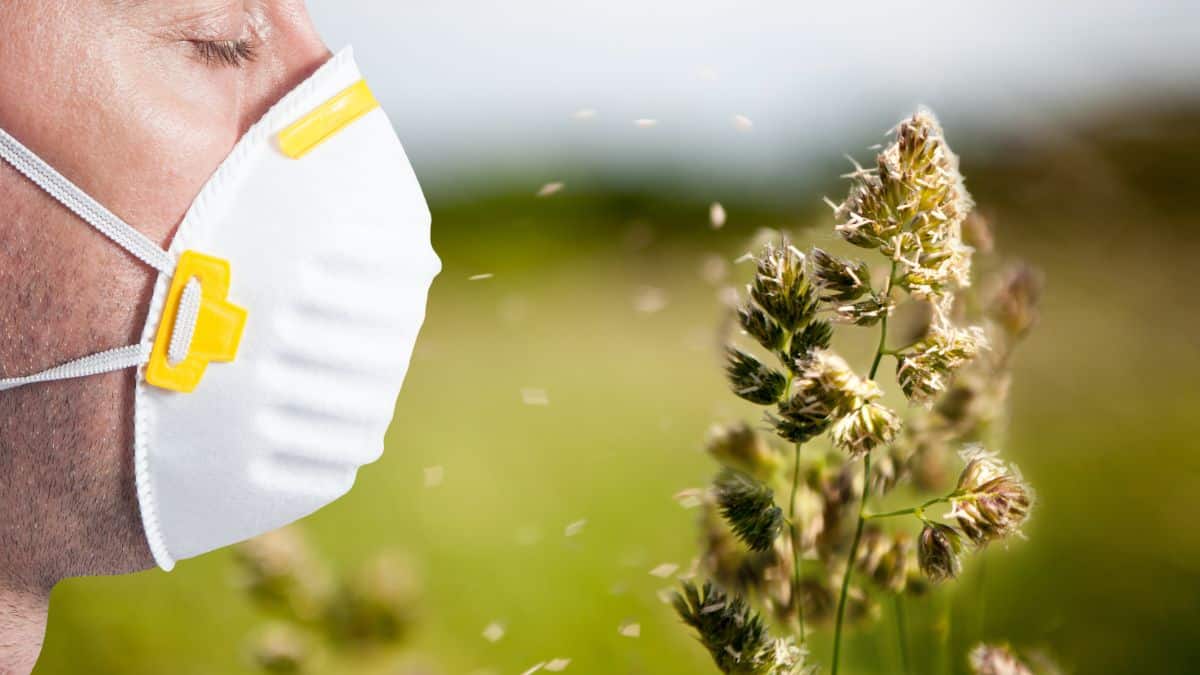
Spring is a time of awakening nature, longer days and…. bothersome allergies. For many people, March marks the beginning of a battle with a runny nose, watery eyes and a persistent cough. What actually dusts in March and how to deal with allergy symptoms?
In March, the pollen is mainly trees
March is the month when allergens from trees predominate. The highest concentrations of pollen in the air are then:
- Hazel: One of the first pollen plants of the year. Its pollen appears as early as February and lingers in the air until April.
- Alder: It dusts intensely in March, and its pollen is a potent allergen.
- Yew: Although less often allergenic, its pollen can cause allergic reactions in sensitive individuals.
- Willow: It begins to dust in late March, and its pollen is present in the air until May.
- Poplar: Poplar pollen begins in March and lasts until April.
Pollen calendar – spring
| Month | Trees | Grasses | Weeds | Cereals |
|---|---|---|---|---|
| March | Hazel, alder, yew, willow (from mid-March), poplar (from mid-March) | |||
| April | Birch, poplar, willow, hornbeam, oak, ash, beech | Lance-leaved plantain, nettle | ||
| May | Oak, beech, ash, pine, spruce | Grasses (ryegrass, panicle, timothy) – the beginning of pollen | Oxalis, plantain, nettle | Rye |
| June | Pine, spruce, linden | Grasses (peak pollen) | Oxalis, plantain, white quinoa | Wheat, barley |
Export to Sheets
Attention! Remember that the beginning and end of pollen of individual plants may vary depending on the region of Poland and weather conditions.
Allergy symptoms – don’t mistake them for a cold!
Symptoms of an inhalant allergy, such as pollen allergy, are sometimes mistaken for a cold. Pay attention to:
- Runny nose: A watery, clear runny nose is a typical symptom of allergies.
- Sneezing: Frequent, paroxysmal sneezing, especially in the morning and after contact with an allergen.
- Eye and nose itching: Persistent itching, burning and watering of the eyes.
- Conjunctival redness: The eyes are red and irritated.
- Cough: A dry, irritating cough that worsens at night.
- Sleep problems: Difficulty breathing through a blocked nose can lead to insomnia.
- Fatigue: A constantly blocked nose and sleep problems cause chronic fatigue.
Remember! If symptoms persist for more than a week or worsen, be sure to consult an allergist.
How to deal with allergies?
There is no way to completely eliminate allergens from your environment, but you can reduce your exposure to pollen and alleviate allergy symptoms:
- Check the pollen calendar: Track current pollen concentrations in your area. Mobile apps and websites with pollen forecasts are available.
- Avoid leaving the house during peak pollen hours: Pollen concentrations are highest in the morning and on dry, windy days.
- Wear sunglasses: They will protect your eyes from pollen.
- Close the windows in your home and car: This will reduce the entry of pollen into the rooms.
- Regularly ventilate your apartment: Preferably late in the evening or after rain, when pollen concentrations are lower.
- Use pollen filters: In homes and cars, it is worth using air filters that retain pollen.
- Wash clothes more often: Pollen settles on clothes, so it’s a good idea to wash them more often at a temperature of at least 60 degrees Celsius.
- Take a shower and wash your hair when you get home: This will wash pollen off your body and hair.
- Use allergy medications: Over-the-counter medications such as antihistamine pills, eye drops and nasal sprays can effectively relieve allergy symptoms.
When to go to the doctor?
If home remedies do not provide relief or your allergy symptoms are very severe, be sure to make an appointment with an allergist. The doctor will take a history, examine you and order appropriate allergy tests to identify the allergens to which you are allergic. Based on the test results, the doctor will select the appropriate treatment, which may include:
- Pharmacotherapy: Allergy medications, intranasal or oral steroids.
- Immunotherapy: desensitization, which is the administration of gradually increasing doses of an allergen to reduce the body’s hypersensitivity.
Allergy vs. other diseases
Keep in mind that allergy symptoms can be similar to those of other illnesses, such as the common cold, flu, or COVID-19. If in doubt, always consult your doctor.
Spring without allergies? It’s possible!
Although allergies can make life miserable, by following the above tips and working with your doctor, you can effectively control your symptoms and enjoy a spring full of flowers and sunshine.


