

Learn about the role of vitamin K in bone and circulatory health, the symptoms of its deficiency, its side effects, and the richest sources in food.
Table of Contents
- What is Vitamin K and What Types Exist?
- Main Functions of Vitamin K in the Human Body
- The Impact of Vitamin K on Bone Health
- The Importance of Vitamin K for the Circulatory System and Blood Clotting
- Symptoms of Vitamin K Deficiency and Excess
- Best Natural Dietary Sources of Vitamin K
What is Vitamin K and What Types Exist?
Vitamin K is a fat-soluble vitamin that plays an extremely important role in the human body, being a key component of many biological processes. The name “vitamin K” comes from the German word “Koagulation,” highlighting its originally discovered function related to blood clotting. Although it is primarily associated with the synthesis of proteins responsible for controlling coagulation, its health benefits go much further—from regulating bone mineralization to influencing cardiovascular health. Vitamin K ensures proper functioning of coenzymes participating in the carboxylation of glutamate residues in proteins, enabling them to bind calcium ions. This makes it essential for healthy bones and protecting vessels from calcium deposits in arterial walls.
Depending on chemical structure and origin, there are two main types of vitamin K: vitamin K1 (phylloquinone) and vitamin K2 (menaquinone). Differences between these forms are not limited to dietary sources but also affect absorption, functioning in the body, and potential health impact.
Vitamin K1, or phylloquinone, is the biologically active form of vitamin K dominant in plant-based diets, especially in green leafy vegetables such as spinach, kale, broccoli, and lettuce. It is the main source for the average person due to its widespread occurrence in foods. K1 is crucial for the clotting process as it supports the synthesis of four proteins responsible for proper blood cessation. The second major form, vitamin K2 (menaquinone), includes a whole group of compounds with varying side chain lengths, labeled MK-4, MK-7, etc. Vitamin K2 is less common in foods, but its richest sources are fermented foods like natto (a traditional Japanese fermented soybean dish) and certain aged cheeses and animal-derived products. Unlike K1, vitamin K2 has higher bioavailability and a longer action time in the body, making it more effective in supporting bone mineralization and preventing calcification of blood vessels, thus protecting against cardiovascular diseases. Additionally, some K1 in the human body can be converted to selected K2 forms, but this process is limited and depends on gut microbiota. It is worth mentioning that a synthetic form of vitamin K—menadione (K3)—is also available on the supplement market, but it is not recommended for human use due to possible side effects. Understanding the specific types of vitamin K and their characteristics is important for proper dietary evaluation and supplementation, especially for people at risk of deficiency or concerned with bone and cardiovascular health.
Main Functions of Vitamin K in the Human Body
Vitamin K serves numerous essential physiological functions in the human body, far beyond its traditional association with blood clotting. Its most well-known and fundamental function, especially the K1 form (phylloquinone), is participating in the synthesis of blood coagulation factors in the liver. Vitamin K acts as an enzymatic cofactor in the carboxylation of glutamic acid residues of special proteins (so-called Gla proteins), enabling key coagulation factors (e.g., prothrombin, factors VII, IX, and X) to properly bind calcium and initiate clotting during injuries and cuts. Without it, even minor vascular damage can lead to dangerous bleeding. Besides, vitamin K is crucial for bone tissue mineralization, with the K2 form (menaquinone) supporting the activation of osteocalcin—a protein produced by osteoblasts that binds calcium and helps its proper deposition in the bone matrix, maintaining bone density and strength. Maintaining adequate vitamin K levels minimizes the risk of osteoporosis, especially in older people and postmenopausal women, for whom proper calcium circulation is key to preventing fractures. Moreover, vitamin K is involved in the metabolism of other Gla-carboxylated proteins, necessary to protect against pathological mineralization of blood vessels.
Indirectly, by affecting Matrix Gla Protein (MGP), vitamin K2 prevents calcification and stiffness of arterial walls, which translates into protection of the circulatory system against atherosclerosis and other cardiovascular diseases such as heart attacks and strokes. MGP proteins activated by vitamin K2 capture and bind excess calcium ions so they do not accumulate as plaques in vessel walls—especially crucial for the elderly and patients with chronic cardiovascular diseases. Notably, regardless of form, vitamin K also supports the normal activity of other tissues, including nerves and muscle cells, by regulating calcium management and preventing its excessive deposit in soft tissues. Additionally, there is evidence that vitamin K may be involved in regulating the immune response, protecting cells from oxidative stress, and having anti-inflammatory potential, making it an important dietary component not just for maintaining healthy bones and blood vessels but also overall immunity and cell protection against many diseases. Increasing research also suggests that adequate vitamin K may influence metabolic health, for example by lowering the risk of type 2 diabetes or positively affecting the lipid profile, though these mechanisms require further confirmation. In light of these many and complex functions, vitamin K’s role becomes broader than its classic task in coagulation, becoming a key factor in daily health maintenance.
The Impact of Vitamin K on Bone Health
The significance of vitamin K for bone health results from its unique effect on calcium regulation and activation of specific proteins crucial for maintaining proper bone mineral density. Of many proteins regulated by vitamin K, osteocalcin is the most known—a protein synthesized by osteoblasts (bone-building cells), whose activation requires an adequate supply of vitamin K, especially the K2 form. Osteocalcin binds calcium ions and enables their incorporation into bone structure, ensuring its hardness and resistance to fractures. Vitamin K deficiency leads to incomplete carboxylation of this molecule, resulting in impaired calcium binding and increased risk of bone demineralization. Scientific studies indicate that people with higher vitamin K intake—especially K2 menaquinone—show greater bone density and reduced fracture susceptibility, which is crucial in preventing osteoporosis in postmenopausal women and seniors. However, vitamin K does not act alone—its presence enhances the effects of calcium and vitamin D, the main minerals and regulators of bone metabolism. The synergistic effect of vitamin K2 with vitamin D3 means that co-supplementation is increasingly recommended to protect bones and limit bone loss in older age. Additionally, vitamin K helps maintain the balance between bone formation (osteogenesis) and resorption, supporting proper bone remodeling in response to daily mechanical loads and the body’s metabolic needs. Meta-analyses and randomized clinical trials highlight that ensuring regular adequate amounts of vitamin K can slow bone mineral density loss, counter osteoporosis progression, and even reduce the risk of osteoporotic fractures, particularly among seniors and postmenopausal women—those most at risk for bone metabolic diseases.
Vitamin K also benefits bone health by inhibiting undesirable processes related to soft tissue calcification, especially in blood vessels and articular cartilage. Vitamin K-dependent proteins such as matrix Gla protein (MGP) act as inhibitors of pathological calcium deposition outside of bone tissue, thus protecting the cardiovascular system and ensuring proper calcium turnover in the skeleton. This means that adequate vitamin K levels direct calcium to bones, where it is needed, and prevent its accumulation in undesired locations—a factor of special importance in aging and for those with metabolic disorders. It’s worth emphasizing that both diet and factors such as age, health of the digestive tract, or medication use (e.g., antibiotics, oral anticoagulants) can affect vitamin K status in the body by impairing its absorption or metabolism. Symptoms of vitamin K deficiency, including increased risk of bleeding, bruising, and impaired bone mineralization, may develop gradually and be hard to diagnose quickly. Hence, modern guidelines increasingly point to monitoring vitamin K levels, especially in those at risk of osteoporosis or those on diets low in leafy greens or fermented foods—the main sources of this nutrient. Including foods rich in both phylloquinone (K1) and menaquinone (K2) in the daily diet can be an effective osteoporosis prevention strategy and help improve musculoskeletal health. Preventive vitamin K intake is especially important during periods of higher calcium demands—such as during growth, pregnancy, lactation, or recovery from bone injuries—when maintaining optimal bone density determines health and mobility for years. In these periods, supplementation or increased vitamin K intake with other nutrients provides real opportunities to improve quality of life and reduces fracture risk, which is particularly valuable for elderly and physically active individuals.
The Importance of Vitamin K for the Circulatory System and Blood Clotting
Vitamin K is indispensable not only for maintaining normal blood coagulation but also plays a key role in preserving cardiovascular system health—as evidenced by numerous clinical and observational studies. The synthesis of clotting factors is its most well-known physiological function—here vitamin K (especially in the K1 form) activates Gla proteins such as prothrombin (factor II), factors VII, IX, X, and proteins C and S, all essential for effective functioning of the coagulation cascade. When vitamin K levels are insufficient, the synthesis of these proteins is impaired, leading to prolonged bleeding times and higher risk of hemorrhages, which is particularly dangerous for those on anticoagulant drugs (e.g., warfarin) or with liver disease. Nevertheless, vitamin K’s functions extend beyond the blood—it is increasingly recognized for its role in calcium regulation in blood vessels, which is pivotal for preventing atherosclerosis and heart disease.
Vitamin K2, unlike K1, has a longer half-life and higher bioavailability, thus more effectively activating proteins that prevent pathological arterial calcification. The most important among these is matrix Gla protein (MGP), one of the strongest inhibitors of calcium deposition in vessel walls. MGP activity depends on vitamin K2—deficiency results in an ‘inactive’ MGP that cannot prevent mineralization of vessels. As a result, arterial stiffening and atherosclerosis can develop, greatly increasing the risk of heart attack or stroke, especially in older adults, diabetics, and patients with chronic kidney disease. Another vital mechanism of vitamin K in the circulatory system is supporting antioxidant functions, reducing endothelial damage caused by oxidative stress, and thereby improving vessel function. Furthermore, supplementation of vitamin K2, especially alongside vitamin D3, positively influences the lipid profile, lowering triglycerides and total cholesterol, which translates into less risk of cardiovascular disease development. Adequate vitamin K intake is therefore vital for anyone wishing to maintain vascular flexibility and patency, reduce bleeding complications, and effectively protect the heart and circulatory system from modern lifestyle risks. Vitamin K deficiencies are particularly observed in those with diets low in leafy greens and fermented products, as well as those with absorption disorders; hence, daily sources of this vitamin and regular monitoring in chronic diseases are essential.
Symptoms of Vitamin K Deficiency and Excess
Vitamin K deficiency is relatively rare in healthy adults, but it can occur in specific risk groups, especially people on long-term anticoagulant medication (vitamin K antagonists, e.g., warfarin), newborns, those with fat absorption disorders (e.g., celiac disease, cystic fibrosis, chronic liver and biliary disorders), or those on very restrictive, low-vegetable diets. Classic deficiency symptoms relate to its key role in blood clotting. The most characteristic are prolonged bleeding, easy bruising, spontaneous nose and gum bleeds, hematuria, gastrointestinal bleeding, and heavy menstrual bleeding. In newborns, vitamin K deficiency can lead to dangerous hemorrhagic disease with intracranial or mucosal bleeding. Prolonged deficiency, especially of K2, has serious effects on bone health—decreased bone mineralization, higher osteoporosis and fracture risk, especially in seniors and postmenopausal women. Increasingly, attention is also paid to the impact on the cardiovascular system—deficiency leads to insufficient activation of Gla proteins, resulting in more calcium deposits in blood vessels and greater risk of atherosclerosis, hypertension, or heart failure. Less specific symptoms include joint pains, weakness, more frequent infections, and trouble healing wounds. It’s important to remember that deficiency symptoms can develop gradually, with severity depending on the duration and extent of the deficit. High-risk groups—newborns (especially those breastfed without vitamin K prophylaxis), those with chronic digestive diseases, those on severely restrictive diets, or long-term antibiotic users—should pay special attention to their vitamin K intake.
Excessive intake of vitamin K, especially from natural food sources, is unlikely and is practically never seen in healthy adults because K1 and K2 are rapidly metabolized and do not accumulate in the body, and their toxicity is extremely low. However, toxicity reports exist for synthetic K3 (menadione), which is not used in human supplementation and appears only in animal feed additives. Menadione overdose symptoms include hemolysis, jaundice, anemia, excessive sweating, and in infants, also allergic reactions or even liver damage. Very high supplement doses of vitamin K may—though very rarely—cause hypersensitivity reactions like itching, rash, or hives but do not worsen clotting or increase thrombosis risk in healthy individuals. Caution is warranted in those with fat-soluble vitamin metabolism disorders and those on anticoagulants—sudden changes in vitamin K supply can affect treatment effectiveness and hemostatic balance, demanding strict medical control and possibly drug dose adjustment. In summary, vitamin K deficiency leads primarily to coagulation disturbances, increased bleeding risk, and adverse bone and circulatory changes, whereas excess occurs only with synthetic forms and is very rare in humans; a natural vitamin K-rich diet is safe and beneficial for health.
Best Natural Dietary Sources of Vitamin K
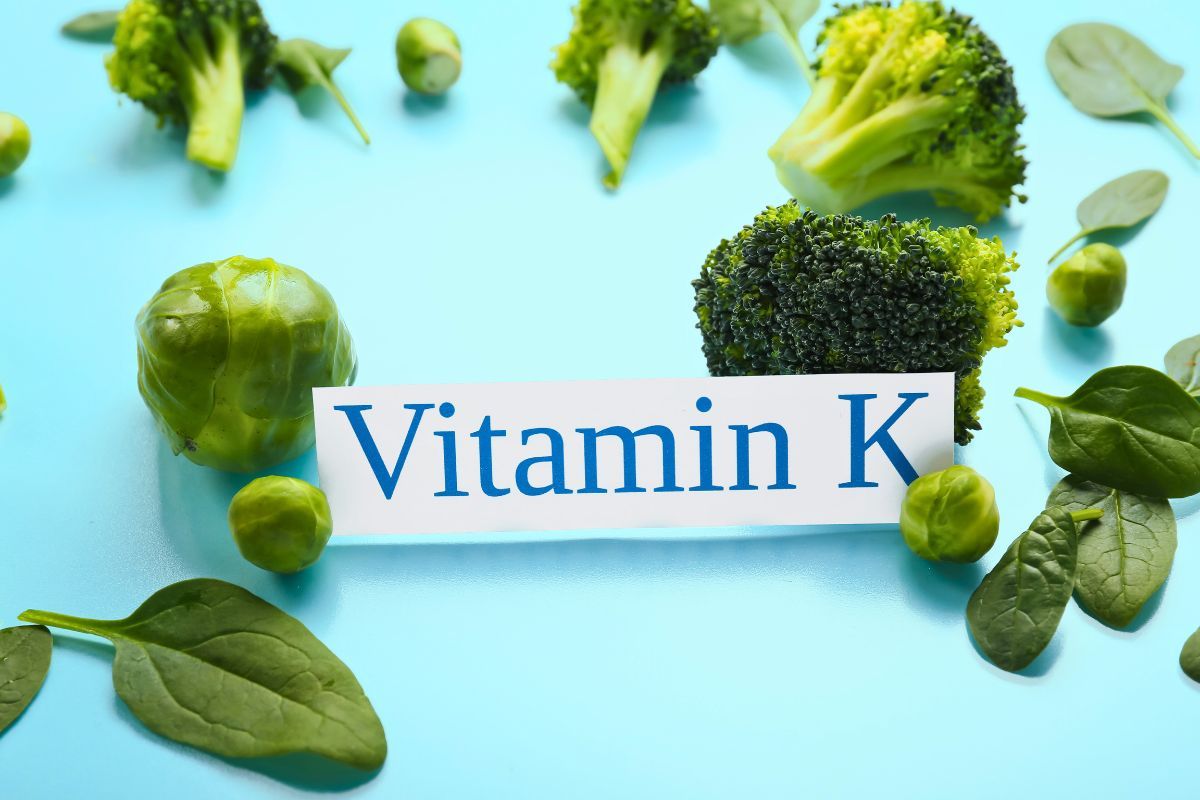
Vitamin K is present in many natural foods that are worth including in your daily meals to support bone and cardiovascular health. The richest sources of vitamin K1 (phylloquinone) are green leafy vegetables, especially kale, spinach, parsley, chard, broccoli, Brussels sprouts, and romaine lettuce. A serving of fresh kale or spinach can cover your daily vitamin K requirement. Broccoli is also rich, with a 100g cooked portion providing even 140–150% of the daily requirement. Cabbage family vegetables, like napa cabbage, savoy, and kohlrabi, are also valuable K1 sources. Phylloquinone resists brief thermal processing, so steaming or lightly stewing causes little loss. Cooked vegetables can be freely consumed, just ensure the presence of fats in the meal—since vitamin K is fat-soluble, its absorption increases with olive oil, avocado, nuts, or seeds. Besides typical green plants, K1 is found in chives, green peas, cucumbers, and fruits like kiwi and blueberries, though in lower concentrations than in leafy vegetables. Some vegetable oils—e.g., soybean, rapeseed, and olive oil—also contain moderate K1. In plant-based diets, K1 is the main form of this vitamin and usually covers the basic requirement for healthy adults.
Besides vitamin K1-rich vegetables, natural dietary sources of vitamin K2 (menaquinone) are also important due to its higher bioavailability and especially favorable effects on bone and vessel calcification prevention. K2 is found mainly in animal products and fermented foods. The highest K2 content exists in natto—a Japanese fermented soybean dish with record menaquinone (especially MK-7), far surpassing levels in other foods. Although natto is rare outside Japan, other sources include aged cheeses (especially Gouda, cheddar, and Parmesan), cottage cheese, kefir, natural yogurt, and butter, though their K2 content depends on production methods and fermentation bacteria. Eggs from organic sources, yolks, poultry meat (mainly chicken liver), and free-range meat products are also valuable sources—with the highest content in goose and poultry liver. K2 absorption from animal products is higher than from plants, and regularly including fermented dairy and high-quality meat products can significantly support bone density and vascular health. It should be noted that K2 content depends on animal diets and food processing methods—traditional, natural fermentation usually ensures higher levels. For plant-based dieters, fermented plant substitutes like kimchi, tempeh, and miso provide small amounts of menaquinones, though much less than natto or aged cheeses. To optimize vitamin K intake, combine K1-rich vegetables with healthy fats and add moderate amounts of fermented foods, while maintaining diet variety and freshness. Balancing both forms of vitamin K is especially important in prevention of osteoporosis and cardiovascular diseases and in supporting healthy immune and nervous system activity.
Summary
Vitamin K is essential for proper body function, especially bone and cardiovascular health. Regular consumption of vitamin K-rich foods supports bone mineralization, protects against osteoporosis, and ensures optimal blood clotting. Deficiency or excess of this vitamin brings significant health consequences—therefore, knowing the symptoms and best natural sources is important. By maintaining a balanced diet, you provide your body daily support for the vital processes that improve your health and quality of life.


