
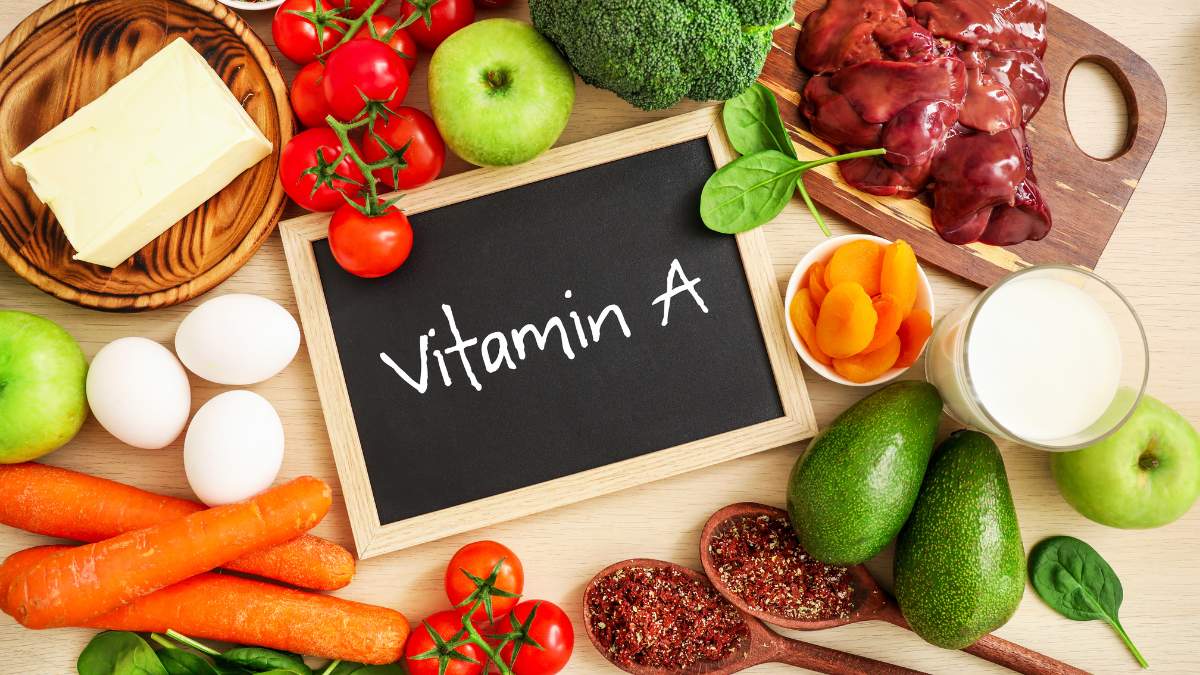
Vitamin A is a group of fat-soluble organic chemicals that are essential for the proper functioning of the body. It plays a key role in many processes, from vision to immunity. In this article, we will take a closer look at vitamin A, its properties, health benefits, dietary sources, and the potential effects of deficiency and excess.
Types of Vitamin A
Vitamin A comes in two main forms:
- Retinol: This is the active form of vitamin A, found in animal products.
- Carotenoids: These are provitamins A, or substances that the body can convert into retinol. They are found in plant products. The best-known carotenoid is beta-carotene, which gives carrots their orange color.
Functions of Vitamin A in the Body
Vitamin A is essential for many physiological processes, including:
- Vision: Retinol is a key component of rhodopsin, the visual pigment responsible for low-light vision.
- Growth and development: Vitamin A is essential for normal cell growth and development, especially during fetal and childhood.
- Immunity: Vitamin A supports the immune system to help fight infections.
- Skin health: Retinol affects collagen production, keeping skin firm and supple.
- Reproductive functions: Vitamin A is essential for the proper functioning of the reproductive system in both men and women.
Sources of Vitamin A
Vitamin A is found in many foods, both of animal and plant origin.
Sources of retinol:
- Liver (beef, pork, poultry)
- Fish (tuna, mackerel, salmon)
- Eggs
- Dairy products (milk, cheese, butter)
Sources of carotenoids:
- Carrots
- Pumpkin
- Sweet potatoes
- Spinach
- Kale
- Broccoli
- Apricots
- Mango
Recommended Daily Intake
The recommended daily intake of vitamin A varies according to age, gender and physiological state. For adult men it is 900 mcg, and for women it is 700 mcg. Pregnant and breastfeeding women have an increased need for vitamin A.
Vitamin A deficiency
Vitamin A deficiency is a serious health problem, especially in developing countries. It can lead to:
- Fowler’s blindness: Impaired vision in low light.
- Xerophthalmia: Dryness of the conjunctiva and cornea, leading to blindness.
- Weakened immunity: Increased susceptibility to infection.
- Skin problems: Dry and flaky skin.
- Growth delays in children.
Excess Vitamin A
Although vitamin A is essential for health, excess can be harmful. Excessive intake of retinol, especially from dietary supplements, can lead to:
- Headaches
- Nausea and vomiting
- Liver damage
- Fetal malformations in pregnant women
It is important to note that carotenoids, even when consumed in large quantities, do not cause hypervitaminosis A, since the body converts them into retinol only as needed.
Vitamin A and Health
In addition to the above-mentioned functions, vitamin A also plays a role in the prevention of some chronic diseases:
- Cancer: Some studies suggest it may protect against certain cancers, such as lung, breast and colon cancer.
- Heart disease: Vitamin A may help regulate blood cholesterol levels, reducing the risk of heart disease.
- Eye diseases: Vitamin A may protect against macular degeneration, the leading cause of vision loss in the elderly.
Vitamin A in Cosmetics
Retinol is a popular ingredient in anti-aging cosmetics. It stimulates collagen production, reduces wrinkles and improves skin elasticity.
Summary
Vitamin A is an essential nutrient that plays a key role in many physiological processes. A balanced diet rich in vegetables, fruits and animal products should ensure an adequate supply of vitamin A. If vitamin A deficiency or excess is suspected, consult your doctor.


