

Find out whether ticks also attack in autumn and winter, what health risks they pose, and how to effectively protect yourself against them!
Table of contents
- Ticks in autumn and winter – is the season year-round?
- Why are ticks more dangerous after a mild winter?
- Tick-borne diseases: symptoms and health risks
- Where are ticks most commonly found in autumn?
- Prevention: how to protect yourself and pets from ticks?
- When and how to safely remove a tick? Step-by-step instructions
Ticks in autumn and winter – is the season year-round?
It is commonly believed that ticks are active only in spring and summer, but experts increasingly warn that the presence of these parasites can also be recorded in autumn, and in some cases even winter. The main reason for these changes is global warming, which results in milder and shorter winters, and a longer period with temperatures allowing ticks to feed. Ticks, as cold-blooded organisms, depend on atmospheric conditions—especially temperature and humidity—for their activity. Just a dozen years ago, their activity usually ended with the first autumn frosts. Currently, however, tick infestations can occur at temperatures as low as 5–7°C, and occasionally during winter thaws. Importantly, ticks are able to survive unfavorable conditions in a dormant stage, instantly resuming host seeking as soon as temperatures rise. Tick season thus now covers an ever larger part of the year, significantly increasing the risk of bites and the spread of dangerous diseases such as Lyme disease or tick-borne encephalitis—not only within the traditional high-risk season.
Research conducted in various regions of Poland confirms that autumn is actually the second peak of tick activity after spring. In forests, city parks, or wooded areas where moisture lingers and temperatures rarely dip below zero, these parasites remain present, constantly seeking new hosts, including humans and pets. October and November are particularly risky months, as environmental conditions often favor tick activity. Ticks also become harder to spot on clothing or skin due to layered clothing and the warmer autumn color palette. Experts underline that even slightly positive temperatures are enough for ticks to be active, especially when accompanied by high humidity and no frosts. In winter, during brief warm spells and lacking snow cover, ticks may awaken from so-called diapause and feed temporarily, although their numbers are much lower in these months. However, the risk should not be underestimated—even single cases of bites in December or January pose a real threat, as ticks can harbor pathogens all year long. The extension of tick season brings new challenges in terms of prevention and awareness, requiring ongoing vigilance regardless of season or weather. This means that whether planning outdoor walks, hunting, mushroom picking, or even dog walks, you should use tick protection methods all year and remember to check your skin and that of your loved ones—even during periods previously thought to be safe from these parasites.
Why are ticks more dangerous after a mild winter?
Mild winters, increasingly observed in Poland due to climate change, have a significant impact on the tick life cycle and related health threats. Traditionally, winter months with low temperatures and persistent snow acted as a natural barrier, limiting tick populations—severe frost led to the death of many ticks, especially sensitive individuals, while low temperatures slowed their metabolism, pushing them into a state of anabiosis. However, during mild winters, with temperatures mostly above zero and lacking a thick snow cover, more ticks survive the winter in larval, nymph, or adult stages. Thus, as early as spring, the number of active parasites is much higher and feeding starts earlier in the season. Moreover, minimal temperature drops during the winter months mean that ticks do not have to spend much energy on surviving extreme cold and can save up more resources for activity and reproduction in the next season. Entomological studies conducted in Poland and Central-Eastern Europe indicate that the number of active ticks after a mild winter can be tens of percent higher than after a harsh winter. This is a critical factor that increases the risk of human contact with pathogens as early as March—often even before the traditional “tick explosion” period begins.
The consequences of mild winters are not only about the increase in tick numbers—their increasing potential and adaptation to new environmental conditions are also key. Ticks can survive the winter in forest litter, tufts of grass, under leaves, or in animal burrows, where microclimate and humidity support their survival through brief cold spells. High tick survival means not just more human-tick encounters, but also a greater number of individuals carrying various pathogens—Borrelia burgdorferi (causing Lyme disease), tick-borne encephalitis virus, or other dangerous microorganisms. Ticks overwintering in favorable conditions are often healthier and more active, resulting in more intensive host seeking and more aggressive feeding behavior. In regions where typically harsh winters are replaced with warmer, wetter months, tick activity periods are more prolonged—specimens may attack late into the autumn, or even reawaken during short “thaw windows” in the middle of winter. The result is a tick threat season extended by several months, accompanied by reduced natural population controls by predators or other factors. Epidemiology and medicine experts stress that the epidemiology of tick-borne diseases is shifting in these conditions—more cases of Lyme disease, tick-borne encephalitis, or anaplasmosis are being recorded, with traditional “low-risk” seasons disappearing. Therefore, after mild winters, society, pet owners, and health services must monitor tick presence even more closely and prepare for year-round prevention, not just seasonal activities.
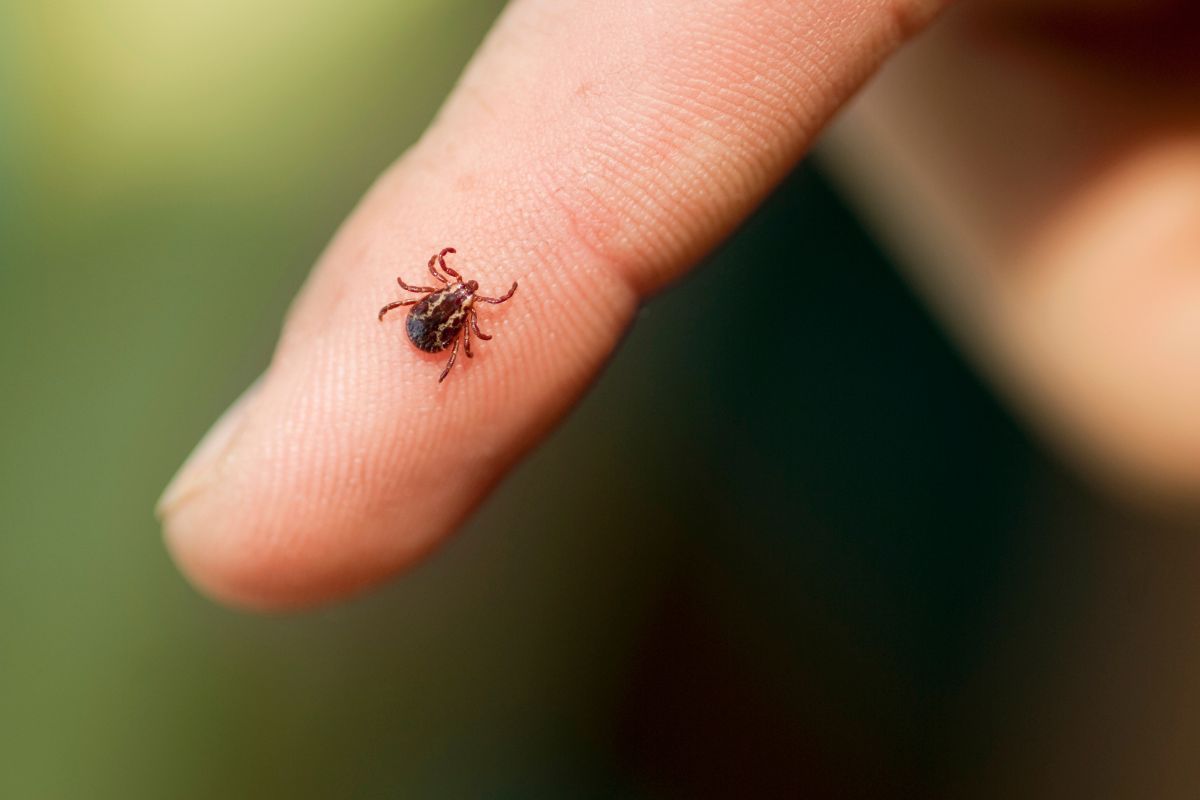
Tick-borne diseases: symptoms and health risks
Seasonal tick activity, including during autumn and even winter, raises the risk of contracting various tick-borne diseases. The most common and dangerous include Lyme disease (caused by Borrelia burgdorferi) and tick-borne encephalitis (TBE), caused by the TBEV virus. In Poland, you may also encounter babesiosis, anaplasmosis, ehrlichiosis, and rickettsioses, though they are less frequent. Symptoms of these diseases are often non-specific and may mimic flu, making rapid diagnosis difficult and the risk of complications higher. The first phase of Lyme disease usually includes erythema migrans—a characteristic (though not universal) redness around the bite site. It may be accompanied by fever, muscle and joint pain, weakness, swollen lymph nodes, and flu-like symptoms. If left untreated, the disease progresses to a chronic phase, which can cause arthritis, neurological disorders (e.g., cranial nerve palsy, meningitis), as well as persistent heart or immune system problems. Tick-borne encephalitis develops in two phases—initially, viral infection-like symptoms arise: fever, headache, malaise, muscle pain. This can then be followed by dangerous neurological complications—brain damage, spinal cord inflammation, or nerve paralysis. TBE can leave lasting neurological damage, and in severe cases, may lead to death.
It’s important to note that for some tick-borne diseases, there is no effective therapeutic treatment—for example, in tick-borne encephalitis, treatment is only symptomatic, focusing on easing the effects of infection and supporting the body. Prevention, including vaccination available in Poland for TBE, is the most effective protective tool. Lyme disease can be treated with antibiotics, but success depends on early diagnosis and timely intervention. Other bacterial and protozoal infections, such as babesiosis and anaplasmosis, also require prompt medical action to avoid serious complications like kidney failure, anemia, respiratory disorders or heart problems. Ticks often carry several pathogens at once, which may result in co-infection, making the disease even more complicated and requiring complex treatment. Children, the elderly, and those with weakened immune systems are especially at risk. Ignoring early symptoms such as unexplained rash, persistent fatigue, joint pain, or neurological signs may result in permanent impairment or even death. Due to the serious health consequences of tick-borne diseases, and the year-round presence of ticks—especially during warm months and mild winters—quick response, monitoring your health after a bite, and regular doctor checks in case of suspicious symptoms are key.
Where are ticks most commonly found in autumn?
Autumn does not mean the end of the tick threat—on the contrary, their activity can remain high, especially in favorable conditions such as humidity and mild temperatures (above 5°C). Most of all, ticks are found in dense, moist deciduous and mixed forests, where forest undergrowth retains moisture long after summer rains and morning mists. This environment gives ticks ideal conditions for survival and activity—protecting them from drying out and providing them access to hosts like deer, wild boar, foxes, and rodents. Importantly, in autumn, when leaves fall and create a moist forest floor, ticks often lurk just at ground level, attaching themselves to passing wildlife, dogs out for walks, or people straying from designated paths. These areas are especially risky because the cold keeps people outside less, making it easier to forget to use protective measures like wearing long sleeves or using repellents. In addition, ticks are less visible against the autumn brown and green vegetation and wet leaves, increasing the chance of unnoticed contact.
Outside forests, places at increased risk of tick contact in autumn include city parks, allotment gardens, home gardens, and overgrown meadows—especially near water bodies and green spaces. Ticks migrate to these locations with domestic and wild animals, which are venturing bolder and bolder into urban environments. Wild boar, deer, and even hedgehogs can visit home gardens in search of food in autumn, leaving parasites behind. Grass verges, drainage ditches, and neglected areas with tall plants are also important tick habitats, and their numbers increase in these regions due to infrequent mowing and lack of maintenance. Moisture and temperature influence tick presence in these environments—even in cities, if grass is still green and leaves are thick on green areas, ticks can surprise walkers or children at play. Autumn is a time for gardening and mushroom picking, and contact with shrubs, leaf piles, or low branches increases risk. Remember, ticks may also be present in wood piles, composters, or leaf piles waiting for removal—any place with elevated humidity and no direct sunlight offers them a good microclimate. Thus, tick protection requires year-round vigilance, and awareness that they are present not just in deep forests, but also in urban parks and gardens, is essential for planning your outdoor activities in autumn.
Prevention: how to protect yourself and pets from ticks?
Effective tick prevention is not a one-time activity, but a consistent set of practices aimed at limiting risk of bites throughout the year. One fundamental element—for adults, children, and pets alike—is the proper choice of clothing while in green areas, parks, meadows, or forests, especially where ticks have ideal living conditions. It is recommended to wear long-sleeved clothing and long pants, as well as high, closed shoes. Light-colored clothes make it easier to spot a parasite. Tuck pants into your socks to minimize the skin exposed to ticks. Using tick repellents containing DEET, icaridin, IR3535, or essential oils (like eucalyptus or tea tree) on exposed skin and clothing is also very important—when used by children or people with allergies, only use products suited to age and health condition. After spending time in green areas, thoroughly inspect your body—check groin, joint bends (knees, elbows), navel, behind the ears, hairline, and scalp. Regular checks make it possible to spot ticks quickly and reduce the chance of disease—the shorter they remain attached, the lower the infection risk. Also check your clothes and accessories—shake out or (preferably) wash clothing after returning, and check your bags or backpacks, where ticks might hide.
Prevention should also cover your home and garden. Ticks prefer moist environments with dense vegetation, low undergrowth, and piles of leaves, so the garden should be tended regularly—mow the lawn, remove fallen leaves, branches, and thickets, and avoid attracting wild animals (such as deer, hedgehogs, or foxes) that can carry parasites. Special tick control sprays for gardens are available, but use them cautiously and always as per manufacturer’s recommendations, considering the safety of children and pets. Pay special attention to dogs and cats, which are very exposed to ticks all year round. Use protective products routinely: spot-on drops, tick collars, sprays, or tablets—chosen in consultation with the veterinarian. After every walk, check your pets thoroughly, especially the neck, ears, paws, groin, and flanks. If you find a tick, remove it using a special hook or tweezers, never squeezing it or applying oil, as that may increase infection risk. Keep in mind tick bites can happen even in small gardens, playgrounds, or neighborhood parks. Vaccination—especially for tick-borne encephalitis—is very useful in prevention, strongly recommended for people frequently outdoors, children, seniors, foresters, gardeners or outdoor workers. Education about prevention and regular reminders for yourself and your loved ones about tick protection are fundamental elements of an effective strategy. Remember: ticks don’t disappear in autumn or winter, so consistent prevention is essential for taking care of the health of both people and animals in our changing climate and environment.
When and how to safely remove a tick? Step-by-step instructions
The tick is a parasite whose quick and proper removal is crucial for reducing the risk of infection with dangerous pathogens such as Borrelia burgdorferi, tick-borne encephalitis virus, or other diseases it can transmit. Contrary to popular belief, ticks can feed almost all year round, so knowing safe removal principles should be basic knowledge for anyone spending time in green areas. Remove the tick as soon as you detect it—the shorter it is embedded in your skin, the lower the infection risk. The optimal time to remove a tick is within the first few hours after attachment. Even if you notice a tick late in the evening or at night, do not wait until morning—take action straight away. Do not coat the tick with anything or try to twist it out with your fingers—pouring alcohol, oil, or butter may provoke it to secrete more saliva, increasing the risk of infection. Use special tick removal tools: fine-point tweezers, a lasso, or tick hooks from the pharmacy. These are easy to use and allow you to grip the parasite right at the skin without crushing its body. Wash and disinfect your hands and the bite site before you start to limit the risk of secondary infection. Make sure you have good lighting and a calm environment—especially if you’re removing a tick from a child or by yourself.
To safely remove a tick, grip it as close as possible to the skin using the tool, avoiding squeezing the tick’s body. Pull it out slowly and steadily in a straight upward movement—do not twist or turn—to remove the whole tick, including the mouthparts, and avoid leaving fragments in the skin that may cause local infection or inflammation. After removal, disinfect the bite site (with spirit, hydrogen peroxide, etc.) and wash your hands thoroughly. The tick should be disposed of properly—seal it in a container or bag, which, if symptoms develop, can assist in laboratory diagnosis for pathogens. Do not throw a live tick in the bin or down the toilet—it’s best to destroy it mechanically to prevent further spread of diseases. Monitor your health for weeks after a tick bite. If you spot erythema migrans (a bullseye rash), unusual rash, flu-like symptoms, weakness, muscle and joint pain, or other alarming signs—see a doctor as soon as possible, reporting the date, site of bite, and (if possible) the removed tick. Any difficulties (such as broken-off mouthparts) should prompt a visit to a medical professional. For children, the elderly, or those with immune disorders, safety and comfort are especially important—if in doubt, consult a healthcare worker. Professional tick removal and post-bite monitoring can prevent dangerous health consequences.
Summary
Ticks are present not only in spring and summer—they increasingly attack in October, November, or even on warm winter days. Their activity increases after mild winters, making them a real health threat for people and pets alike. The diseases they transmit, such as Lyme disease or tick-borne encephalitis, require prompt recognition and treatment. While in green areas or during walks through forests and meadows, always use prevention and check both your body and your pet’s coat. Remember proper tick removal—swift action reduces infection risk. Stay vigilant and keep safe this autumn!


