
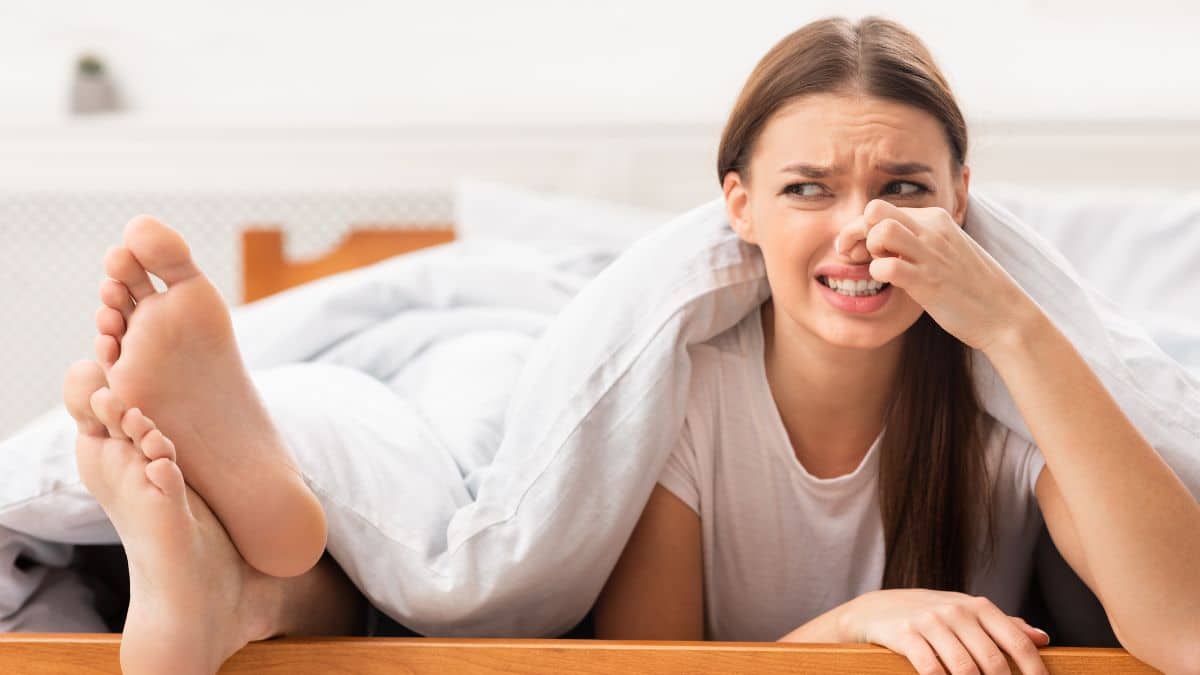
Stinky feet
Foot odor, medically referred to as bromodiza, is an embarrassing problem that affects millions of people around the world, regardless of age or gender. Although often underestimated, it can significantly affect self-confidence, comfort of life and social relationships. Many people suffer in silence, not realizing that there are effective ways to fight this ailment.
Table of contents
What are smelly feet and why do they actually form? Understand the root of the problem
To effectively fight foot odor, it is crucial to understand where it comes from. Contrary to appearances, sweat itself is almost odorless. The problem arises when it interacts with bacteria naturally living on our skin.
The role of sweat and sweat glands: Our feet have an amazing number of sweat glands – it is estimated that there are up to 250 thousand of them on each foot! This is much more than in other parts of the body. The main function of these glands is thermoregulation, i.e. cooling the body, and maintaining proper skin hydration. During the day, the feet can produce up to half a liter of sweat, especially during physical exertion, in high temperatures or in stressful situations. Sweat is mainly made up of water, but it also contains small amounts of salt, urea, lactic acid, and other organic compounds.
Bacteria – the real culprits: On the surface of the skin of the feet, as well as on the entire body, lives a rich bacterial microflora. The most common bacteria responsible for unpleasant odours are, m.in, Staphylococcus epidermidis, Bacillus subtilis and Corynebacterium. These microorganisms feed on organic compounds present in sweat and dead skin cells. In the metabolic process, they break down these substances into simpler chemical compounds, such as isovaleric acid, propionic acid or methanothiol. It is these volatile sulfur compounds and organic acids that are responsible for the characteristic, often pungent and unpleasant odor referred to as “stinky feet”.
Ideal environment for bacterial growth: Tight, windproof footwear and socks made of synthetic materials create ideal conditions for the multiplication of bacteria. Moisture from sweat cannot evaporate, which leads to maceration of the epidermis (softening of the skin). The heat generated by the body additionally promotes the growth of microorganisms. In such an environment, bacteria have excellent conditions for life and intensive metabolism, which results in increased production of unpleasant odors.
Hyperhidrosis of the feet (Hyperhidrosis Plantaris): In some people, the problem of unpleasant odor is exacerbated by excessive sweating of the feet, known as hyperhidrosis plantaris. It can be genetic, the result of hormonal disorders, stress, certain diseases (e.g. hyperthyroidism, diabetes) or taking certain medications. Increased sweat means more “food” for bacteria, leading to a more intense smell.
Understanding these basic mechanisms is crucial because it allows you to consciously take action to reduce both sweat production and bacterial growth, which is the foundation of an effective fight against the problem of smelly feet.
The main causes of foot odor – What contributes to the problem?

Foot odor is rarely the result of a single cause. Most often, it is a combination of several factors that together create favorable conditions for the growth of bacteria and the formation of unwanted odor. Identifying these factors is crucial to implementing an effective action plan.
- Bacteria and fungi – Microorganisms in the main role: As already mentioned, the main cause is bacteria that break down sweat. However, the problem can also be exacerbated by fungal infections of the feet (e.g. interdigital mycosis, onychomycosis). Fungi, like bacteria, thrive in warm and humid environments. They produce their own metabolites, which can contribute to unpleasant odours, as well as weaken the skin’s protective barrier, making it easier for bacteria to penetrate. Symptoms of mycosis may include itching, burning, redness, peeling of the skin, and in the case of nails – a change in their color and structure.
- Hyperhidrosis Plantaris – When there is too much sweat: People with hyperhidrosis of the feet are particularly vulnerable to the problem of bromodosis. Increased sweat production provides bacteria with an abundant source of food, which leads to an intensification of metabolic processes and a stronger smell. Hyperhidrosis can be primary (idiopathic, often genetically determined) or secondary, related to other diseases (e.g. diabetes, thyroid disease, neurological disorders) or taking medications.
- Improper foot hygiene – The basis of healthy feet: Irregular or inaccurate foot washing leads to the accumulation of sweat, dirt, dead skin and bacteria. It is particularly important to thoroughly wash the spaces between the fingers, where moisture and heat are conducive to the multiplication of microorganisms. Neglecting daily hygiene is a simple way to odor problems.
- Inappropriate footwear and socks – A trap for the feet:
- Footwear: Shoes made of synthetic materials (e.g. plastic, rubber, some types of artificial leather) restrict air circulation by trapping moisture inside. This creates an ideal, moist and warm environment for bacteria, which leads to the causes of foot odor. Shoes that are too tight or ill-fitting work similarly.
- Socks: Socks made of synthetic materials (e.g. nylon, polyester) do not absorb moisture well and can even retain it close to the skin. The best choice are socks made of natural, breathable materials, such as cotton, wool (especially merino) or bamboo, which help wick away moisture.
- Diet and lifestyle – What we eat and how we live: Certain foods can affect the smell of sweat, including sweat secreted by your feet. These include, m.in, garlic, onions, hot spices, certain types of meat, alcohol and caffeine can all contribute to foot odour. These substances are metabolized in the body and their volatile compounds can be excreted with sweat. Smoking can also contribute to a change in body odor.
- Diseases and conditions – Hidden causes: Some health problems can manifest themselves through a change in the smell of sweat or increased sweating. These include:
- Diabetes: It can lead to neuropathy (nerve damage), which interferes with the regulation of sweating and also increases susceptibility to infections.
- Thyroid diseases: Hyperthyroidism is often associated with increased sweating.
- Kidney or liver disease: Metabolic disorders can affect the composition of sweat.
- Systemic infections.
- Stress and emotional factors – The impact of the psyche on the body: Stress, anxiety or strong emotions can stimulate the apocrine and eccrine sweat glands, leading to increased sweat production (so-called emotional sweat). This type of sweat, especially from the apocrine glands (although eccrine glands predominate on the feet), may have a slightly different composition and be more prone to being broken down by bacteria, generating a stronger odor.
- Hormonal changes – Swing for the body: Adolescence, pregnancy, menopause – these are the periods in life when hormonal fluctuations can affect the activity of sweat glands and the composition of sweat, which can exacerbate the problem of foot odor.
- Not using or infrequently using foot deodorants/antiperspirants can contribute to the problem of smelly feet. As in the case of armpits, the feet can also use dedicated products to reduce sweating and bacterial growth.
Recognizing which of these causes dominate in a given case is crucial for choosing the most effective methods of fighting the problem of bad foot odor. A multidisciplinary approach is often necessary, including changes in hygiene, footwear selection and, in some cases, consultation with a specialist.
Home remedies for smelly feet – Effective and natural methods to fight unpleasant odor
Before you reach for specialized preparations or go to the doctor, it is worth trying proven home remedies, which often turn out to be extremely effective in the fight against unpleasant foot odor. They are based on natural ingredients with antibacterial, astringent and odour-neutralising properties.
1. Foot baths – Relaxation and therapy in one: Regular soaking of the feet in properly prepared solutions is one of the most effective methods. Baths not only cleanse, but also help reduce bacteria and sweating.
- Salt bath (Epsom, sea, kitchen):
- Action: Bad foot odor can be eliminated by regular use of appropriate preparations. Salt has antibacterial and drying properties. Epsom salt (magnesium sulfate) further relaxes tired feet and can help remove toxins.
- Preparation: Prepare your feet for a herbal bath to eliminate bad foot odor. Dissolve 1/2 cup salt in a bowl of warm water.
- Use: Soak your feet for 15-20 minutes, once or twice a day. After bathing, dry your feet thoroughly, especially between the toes.
- A bath with apple cider vinegar or spirit vinegar can be an effective way to combat foot odor and reduce excessive sweating.
- Action: Vinegar creates an acidic environment that is unfavorable for bacterial growth. It has strong antibacterial and antifungal properties.
- Preparation: Mix 1/2 cup of apple cider vinegar (or regular spirit vinegar) with 4-5 cups of warm water.
- Use: Soak your feet for 10-15 minutes. Use every few days, as vinegar can dry out the skin. After bathing, rinse your feet with clean water and dry them thoroughly.
- Baking soda bath:
- Action: Baking soda (sodium bicarbonate) neutralizes acids in sweat that contribute to unpleasant odours and also has a mild antibacterial effect.
- Preparation: Dissolve 2-3 tablespoons of baking soda in a bowl of warm water.
- Use: Soak your feet for 15-20 minutes, several times a week. Dry your socks thoroughly after each use to avoid the unpleasant smell that can result from excessive sweating.
- Bath with herbs (sage, chamomile, oak bark, rosemary):
- Sage: It has strong antiperspirant and antibacterial properties. Reduces sweating.
- Camomile: It has soothing, anti-inflammatory and antibacterial properties.
- Oak bark: It contains tannins with astringent, sweat-reducing and antibacterial properties.
- Rosemary: It has an antiseptic and refreshing effect.
- Preparation: Brew a strong infusion of selected herbs (e.g. 2-3 bags or 2 tablespoons of dried herbs per liter of water). Drain and add to a bowl of warm water.
- Use: Soak your feet for 15-20 minutes.
- Black tea bath:
- Action: Black tea contains tannic acid, which has astringent properties, helps close pores and reduce sweating, which can help fight foot odor – causes. It also has an antibacterial effect.
- Preparation: Brew 2-3 black tea bags in about 0.5 liters of hot water. Leave to stretch for 10-15 minutes. Then pour the brew (along with the bags or after removing them) into a bowl of cooler water to get the right temperature.
- Use: Soak your feet for 20-30 minutes a day for a week to eliminate foot odor. Tannic acid may slightly stain the skin, but this effect is temporary.
2. Natural deodorants and foot powders:
- Tea tree oil:
- Action: One of the strongest natural antiseptics. It has strong antibacterial and antifungal properties.
- Use: Add a few drops of the oil to your foot bath. You can also dilute a few drops in a carrier oil (e.g. coconut, almond) and massage it into your feet before bed. Never apply undiluted oil directly to the skin, as it can irritate.
- Talcum powder, cornstarch, or baking soda as powder:
- Action: These powders are excellent at absorbing moisture, keeping your feet dry. The soda additionally neutralizes odors.
- Use: After washing and drying your feet thoroughly, sprinkle them with a small amount of talcum powder, cornstarch or baking soda, paying special attention to the spaces between your toes. You can also pour a little into your socks and shoes.
3. Regular exfoliation of dead skin: Bacteria also feed on dead skin cells. Regular removal of the keratinized layer of the skin limits their access to food.
- Use: Use a pumice stone, foot grater or scrubs (homemade, e.g. made of salt or sugar and olive oil, or ready-made) 2-3 times a week. Do it gently so as not to damage the skin.
4. Airing the feet and proper care of the nails:
- Weathering: Whenever you have the opportunity, walk barefoot (in a safe, clean environment) or in breathable sandals so your feet can “breathe”.
- Nails: Trim your nails straight regularly and keep them clean. Bacteria and dirt can accumulate under long nails.
5. Disinfect your shoes: Even the best foot care won’t help if you put them in shoes full of bacteria.
- Use: Air your shoes regularly. You can use special antibacterial and antifungal sprays for shoes or home remedies, such as pouring baking soda into your shoes overnight (sprinkle in the morning) or wiping the inside of your shoes with a cotton swab soaked in alcohol or vinegar. Shoe insoles also need to be cleaned or replaced regularly.
Remember that the key to success in using home remedies is regularity and patience. The effects may not be visible immediately, but systematic care of your feet will certainly bring improvement. If home remedies do not bring the expected results after a few weeks, it is worth considering consulting a specialist.
Professional methods of treating smelly feet – When are home remedies not enough?

Although home remedies are often effective in alleviating the problem of foot odor, in some cases, especially with severe bromodiza or concomitant hyperhidrosis, they may prove insufficient. In such situations, it is worth using the help of specialists – a podiatrist or dermatologist – who can suggest more advanced treatment methods.
- Consultation with a podiatrist or dermatologist – The first step to specialist help:
- Diagnostics: The specialist will conduct a thorough interview, assess the condition of the skin on the feet, the degree of sweating and possible infections (bacterial, fungal). He or she may order additional tests, e.g. mycological (for mycosis) or bacteriological examination.
- Individual treatment plan: Based on the diagnosis, the doctor or podiatrist will select the appropriate therapy, taking into account the severity of the problem and the individual needs of the patient.
- Prescription Antiperspirants – Stronger Effects:
- Mechanism of action: These preparations contain higher concentrations of aluminium salts (e.g. aluminium chloride) than over-the-counter antiperspirants. They work by temporarily blocking the outlets of the sweat glands, which significantly reduces the amount of sweat secreted.
- Use: They are usually applied at night, on clean and dry skin of the feet. Initially, they are used daily, and after improvement – less often, to maintain the effect. It is important to follow your doctor’s instructions, as they can cause skin irritation.
- Medical treatments to reduce sweating:
- Iontophoresis:
- Description: It is a non-invasive procedure that involves introducing ions of medicinal substances into the skin using direct current. In the case of hyperhidrosis of the feet, they are immersed in water through which the current flows. The mechanism of action is not fully understood, but it is believed that the current affects the functioning of the sweat glands.
- Effectiveness and course: Iontophoresis is considered an effective and safe method of treating hyperhidrosis. It requires a series of treatments (usually several times a week for several weeks) followed by maintenance treatments. Devices for home iontophoresis are also available.
- Botulinum toxin (Botox):
- Description: Injections of botulinum toxin type A into the skin of the feet block nerve signals that stimulate sweat glands to secrete sweat.
- Effectiveness and course: The treatment is very effective, and the effects usually last from 6 to 12 months, after which the procedure should be repeated. It is a more invasive and expensive method, and injections into the soles of the feet can be painful.
- Iontophoresis:
- Treatment of fungal and bacterial infections – Elimination of coexisting problems that can lead to foot odor.
- Antifungal: If the cause of the unpleasant smell is a fungal infection, the doctor will prescribe appropriate antifungal medications – topical (creams, ointments, nail polishes) or oral (in more severe cases).
- Antibiotics: For severe bacterial infections that do not improve with antiseptics, topical or oral antibiotics may be necessary.
- Specialized podiatry preparations: Podiatrists have a wide range of professional preparations for foot care, including strong antiperspirants, antibacterial, antifungal agents, as well as preparations that regenerate the skin and prevent maceration.
- Advice on hygiene and footwear selection: The specialist will also give detailed recommendations on proper foot hygiene, choosing the right footwear and socks, as well as ways to disinfect shoes, which is crucial for the long-term success of the therapy.
The decision to undertake professional treatment should be consulted with a doctor. It is important not to underestimate the problem, especially if it is accompanied by other worrying symptoms, such as skin lesions, pain or persistent itching. Professional help can significantly improve the comfort of life and eliminate the embarrassing problem of smelly feet.
Prevention – How to prevent foot odor? The key to everyday freshness
The best way to combat foot odor is to prevent it. Implementing a few simple rules into your daily routine can significantly reduce the risk of developing bromodiza and keep your feet fresh all day long. Prevention is mainly based on keeping the feet clean and dry and minimizing conditions conducive to bacterial growth.
- Daily, thorough foot hygiene – The foundation of health:
- Washing: Wash your feet at least once a day (and more often if necessary, e.g. after exercise) with lukewarm water and mild soap, preferably antibacterial.
- Particular attention to the spaces between the toes: These are the places where moisture accumulates and bacteria and fungi most often grow. Wash and dry them thoroughly.
- Drying: After washing, dry your feet very carefully with a towel, paying special attention to the spaces between the toes. Moisture is bacteria’s best friend.
- Choosing the right footwear – Let your feet breathe:
- Materials: Choose shoes made of natural, airy materials such as leather, canvas, suede. Avoid plastic shoes that are impermeable to air.
- Match: Shoes should not be too tight. Give your feet enough space to allow air to circulate freely.
- Type of footwear: Wear open shoes (sandals, flip-flops) if possible, especially in warm weather. If you must wear closed shoes, choose those with perforations or mesh to improve ventilation.
- Wearing the right socks – Moisture barrier:
- Materials: Prefer socks made of natural fibers (cotton, merino wool, bamboo) or specialized synthetic materials (e.g., sports sock) to minimize excessive sweating. CoolMax, Dri-FIT), which have moisture-wicking properties.
- Avoid the problem of smelly feet by washing your feet regularly with water. 100% nylon or polyester socks that keep sweat close to the skin.
- Purity: Always wear clean socks.
- Changing shoes and socks regularly – Don’t give bacteria a chance:
- Socks: Change your socks at least once a day, and if you tend to sweat your feet too much – even more often as soon as you feel them damp.
- Footwear: Try not to wear the same pair of shoes two days in a row. Give the shoes at least 24 hours to dry completely and air out before wearing them again. Having several pairs of shoes to change is very helpful.
- Dry your feet and shoes thoroughly – The key to dryness:
- Feet: As mentioned, drying your feet thoroughly after each bath is extremely important.
- Footwear: If your shoes get wet (from rain or sweat), make sure they are completely dry before using them again. You can remove the insoles, unlace the shoes and leave them in a ventilated place. Avoid drying your shoes on a radiator, as high temperatures can damage them. You can use special shoe dryers or fill them with newspapers to absorb moisture.
- Use of antibacterial and anti-sweat pads – Extra protection:
- Types: There are different types of insoles available on the market:
- Activated carbon pads: Absorb unpleasant odors.
- Antibacterial/antifungal pads: Contain substances that inhibit the growth of microorganisms.
- Absorbent pads: They help absorb excess sweat.
- Cedar pads: Naturally absorb moisture and have antibacterial properties.
- Regular replacement: Remember to replace the earbuds regularly according to the manufacturer’s recommendations.
- Types: There are different types of insoles available on the market:
- Avoiding barefoot walking in public places – Protection against infections: Swimming pools, public showers, changing rooms, saunas are places where it is easy to get infected with mycosis or bacteria, which can lead to bad foot odor. Always wear flip-flops in such places.
- Use of deodorants and antiperspirants for feet – Sweat and odor control: Regular use of foot deodorants (to neutralize odor) or antiperspirants (to reduce sweating) can be very helpful. Apply them to clean and dry feet.
- Regular airing of the feet: When you’re at home, try to walk barefoot or in breathable slippers as often as possible to keep your feet air.
- Taking care of your overall health: A healthy diet, adequate hydration and avoiding stimulants can also positively affect the smell of sweat.
Following these preventive rules in most cases allows you to effectively prevent the problem of foot odor or significantly reduce it. Consistency and regularity are key here.
Smelly feet in children – What to do when the problem affects the youngest?
The problem of unpleasant foot odor also affects children. Although the mechanism of formation is similar to that of adults (sweat + bacteria), there are some specific aspects to this age group, and the approach to care and treatment should be particularly delicate.
Specificity of the problem in children:
- Physical activity: Regular exercise can help keep your feet in better condition and minimize odor. Children are often very active, they run, jump, which naturally leads to increased sweating of the feet.
- Type of footwear: Children’s shoes, especially sports or winter ones, are sometimes made of synthetic materials that do not provide adequate ventilation. In addition, children grow out of shoes quickly, and shoes that are too tight can exacerbate the problem.
- Inaccurate hygiene: Younger children may not pay enough attention to thoroughly washing and drying their feet, especially the spaces between the toes.
- Hormonal changes: During puberty, as in adults, hormonal changes can affect increased sweating.
- Propensity to infection: Children who often play barefoot or use public swimming pools may be more likely to develop fungal infections.
Gentle methods of care and prevention in children:
- Daily hygiene:
- Teach your child to wash their feet thoroughly every day with warm water and mild soap (preferably hypoallergenic or intended for children).
- Pay special attention to washing and drying the space between your toes. You can do it in the form of fun.
- After bathing, dry your baby’s feet thoroughly with a soft towel.
- Suitable footwear and socks:
- Choose shoes made of natural, airy materials (leather, canvas). Avoid shoes that are entirely plastic or rubber for everyday use.
- Make sure your shoes fit snugly – not too tight and not too loose. Check your child’s foot size regularly.
- Buy socks made of cotton or other natural, breathable fibers. Change them for your child every day, and more often if necessary (if the feet get sweaty).
- Airing feet and shoes:
- Encourage your child to walk barefoot indoors (if it’s safe and clean) or in airy slippers.
- After removing the shoes, let them dry well and air out before wearing them again. Do not put damp shoes in the cupboard right away.
- Gentle foot baths:
- You can use gentle foot baths, e.g. with a small amount of Epsom salt or chamomile infusion (make sure your child does not have allergies). Avoid strong agents that could irritate the delicate skin of the child. A baking soda bath (1-2 teaspoons per bowl of water) can also be helpful.
- Natural backfills:
- After washing and drying your feet, you can use a small amount of baby talcum powder or cornstarch to absorb excess moisture.
- Disinfection of footwear:
- Regularly clean and disinfect the inside of your child’s shoes, e.g. using special antibacterial sprays designed for footwear or wiping them with a vinegar solution (make sure the shoes dry well before putting them on).
When to see a doctor (paediatrician or paediatric dermatologist) if you experience foot odour?
- If the unpleasant smell is very intense and does not go away despite the use of hygiene rules.
- When skin changes appear on the child’s feet: redness, rash, blisters, peeling of the skin, changes on the nails.
- If the child complains of itching, burning or pain in the feet.
- If a fungal or bacterial infection is suspected.
- If excessive sweating of the feet is very severe.
The doctor will assess the condition of the child’s feet, diagnose the cause of the problem and recommend appropriate treatment, which may include specialized preparations adapted to the child’s age or treatment of possible infections. Remember not to use strong products intended for adults on your own in children without consulting a doctor.
Diet and foot odor – Does what we eat matter for the freshness of our feet?
While the main culprits for foot odour are bacteria that break down sweat, our diet can play a role in the intensity of the odour and the overall health of the skin, including the skin on the feet. Some foods contain compounds that, once digested and metabolized, can be excreted through sweat, affecting its smell.
Products that may increase the unpleasant smell of sweat (including feet):
- Garlic and onion: They contain sulfur compounds (e.g. allicin), which are absorbed into the bloodstream after ingestion, and can then be released through the lungs (affecting breath) and through the skin with sweat. This can give sweat a characteristic, pungent smell.
- Hot spices: Certain spices, such as curry, cumin, and chili pepper, can stimulate sweat glands and alter the chemical composition of sweat, which can potentially affect the smell of sweat.
- Red meat: Some research suggests that a diet high in red meat may affect the intensity of body odor. The process of digesting meat is more complex, and metabolic by-products can be excreted through sweat.
- Cruciferous vegetables can support the body in the fight against the problem of smelly feet. Broccoli, cauliflower, cabbage, Brussels sprouts are rich in sulfur compounds, which, as with garlic, can affect the smell of sweat.
- Alcohol and caffeine: They can increase sweating, which indirectly creates better conditions for bacterial growth. Alcohol is also metabolized into acetaldehyde, which can be excreted through the skin.
- Processed foods: A diet rich in processed foods, fast food, simple sugars, and unhealthy fats can negatively affect overall health, including gut microbiota, which may indirectly be related to body odor.
Products supporting foot health and odour neutralization:
- Plenty of Water: Proper hydration helps to dilute sweat and supports the body’s detoxification processes.
- Fresh fruits and vegetables (in addition to those mentioned above) are important for health and can help reduce the problem of smelly feet. They provide vitamins, minerals and antioxidants that support skin health. Particularly valuable are those rich in chlorophyll (e.g. parsley, spinach, kale), which is a natural internal deodorant.
- Zinc-rich products: Zinc plays a role in wound healing and maintaining healthy skin. It can also help control body odor. Sources of zinc include, m.in, pumpkin seeds, nuts, seeds, whole grain cereal products.
- Probiotics: A healthy gut flora can have a positive effect on the overall microflora of the body, including the skin. Natural yoghurts, kefir, pickles are good sources of probiotics.
Important Notes:
- Individual response: The influence of diet on the smell of sweat is a very individual matter. Not everyone will react in the same way to the same products.
- Observation: regular washing of feet with water can significantly affect the elimination of unpleasant foot odor. If you suspect that certain foods are exacerbating the problem of foot odor, try eliminating them from your diet for a period of time and see if there is an improvement.
- Balanced diet: The most important thing is to maintain a balanced and healthy diet, rich in fresh, unprocessed products. Drastic changes in the diet or elimination of entire groups of products should be consulted with a doctor or dietician.
While diet is not the main cause of smelly feet, conscious food choices can be a valuable part of a comprehensive approach to tackling this problem, supporting the overall health of the body and potentially reducing the intensity of odor.
Myths and facts about stinky feet – What is true and what is not worth believing?
There are many myths and misunderstandings around the problem of smelly feet. Dealing with them and learning the facts can help you manage this ailment more effectively.
MYTH 1: Only people who don’t care about hygiene have smelly feet. FACT: Although improper hygiene is one of the risk factors, the problem of smelly feet can affect anyone, even people who care very much about cleanliness. The cause is bacteria naturally residing on the skin, which break down sweat. Hyperhidrosis, wearing inappropriate footwear or genetic predisposition also play a big role.
MYTH 2: Stinky feet are only an aesthetic problem. FACT: Although the bad smell is the main symptom, it can signal other problems, such as fungal or bacterial infections, that need treatment. In addition, constant moisture and maceration of the epidermis can lead to skin cracks, increasing the risk of secondary infections. This problem can also significantly affect well-being and self-confidence.
MYTH 3: Sweat itself stinks. FACT: Fresh sweat is practically odorless. An unpleasant odor only occurs when the bacteria on the skin begin to break down the components of sweat (mainly proteins and fatty acids) into volatile compounds with an unpleasant smell.
MYTH 4: Walking barefoot always helps with smelly feet. FACT (subject to caveat): A microorganism can be one of the causes of foot odor. Walking barefoot at home, on a clean and dry surface, allows your feet to “breathe” and can help reduce moisture. However, walking barefoot in public places (swimming pools, showers, locker rooms) increases the risk of catching fungal or bacterial infections, which can exacerbate the problem of unpleasant odor.
MYTH 5: The more perfumed foot cosmetics, the better. FACT: The use of strongly perfumed deodorants or creams can only mask the problem for a short time, not solve it. What’s more, some fragrances and chemicals can irritate the skin or cause allergic reactions. It is more important to use products with antibacterial and antiperspirant properties, foot spray and to keep your feet dry.
MYTH 6: The problem of smelly feet only affects men. FACT: Although statistically men may be more likely to report this problem (m.in., due to a greater tendency to wear covered, less breathable footwear for longer periods of time), smelly feet affect both men and women of all ages.
MYTH 7: It is enough to change your socks often to get rid of the problem. FACT: Regular change of socks to clean and dry ones is a very important part of prevention, but it may not be enough on its own if other factors (e.g. inappropriate footwear, excessive sweating, lack of shoe hygiene) are not eliminated.
MYTH 8: Soaking your feet in very hot water will kill all bacteria. FACT: Very hot water can irritate and dry out the skin and even lead to burns. It is not an effective or safe way to eliminate bacteria. Bathing in lukewarm water with the addition of appropriate antibacterial agents (e.g. salt, vinegar, essential oils) is better.
MYTH 9: Stinky feet are a common problem that can be effectively combated. FACT: This is absolutely not true! There are many effective methods of dealing with foot odor – from home remedies, through appropriate prevention, to professional treatment. In most cases, the problem can be significantly reduced or eliminated altogether.
Understanding the facts and debunking myths allows for a more informed and effective approach to the problem of smelly feet, which is crucial for regaining comfort and confidence.
When should foot odour be alarming? Alarm signals that must not be ignored
In most cases, foot odor is a problem that can be dealt with with proper hygiene and home remedies. However, there are situations when bromodiza can be a signal of more serious health problems or lead to complications in itself. Here are the alarm signals that should prompt you to visit a doctor (family, dermatologist or podiatrist):
- Persistent, very intense odour despite regular and careful hygiene: If, despite washing your feet daily, using antiperspirants, wearing breathable footwear and clean socks, the smell is still very strong and does not go away, it may indicate a deeper problem, such as a resistant bacterial infection or significant hyperhidrosis that requires specialist treatment.
- Sudden change in the nature or intensity of the smell: If your foot odor suddenly becomes different than usual – e.g. sweetish, fruity, ammonia-like or unusually foul-smelling – it could be a symptom of metabolic problems (e.g. poorly controlled diabetes, kidney or liver disease) or a serious infection.
- Appearance of skin lesions:
- Redness, rash, blisters: They may indicate a fungal infection (e.g. athlete’s foot), bacterial infection (e.g. erythematous dandruff, dermatitis) or an allergic reaction.
- Peeling of the skin: Especially between the toes or on the soles, it can be a symptom of ringworm.
- Skin maceration: Constant moist, white, softened areas of skin, especially between the fingers, increase the risk of infection.
- Skin cracks: They can be painful and provide a gateway for infections.
- Pain, itching, burning of the feet: These symptoms are often accompanied by fungal or bacterial infections, skin inflammation, or allergic reactions. Persistent itching can be very annoying and lead to scratching, which further damages the skin.
- Changes in the appearance of nails:
- Color change: Yellow, brown, white, or black discoloration of the nails.
- Thickening, brittleness, brittleness of the nails.
- Detachment of the nail plate from the bed. These symptoms may indicate nail fungus, which often coexists with athlete’s foot and can contribute to an unpleasant odor.
- Presence of pus or exudate: Any purulent exudate from skin cracks, wounds or from under the nails is a clear signal of a bacterial infection requiring medical intervention.
- Swelling and excessive warming of the foot: Especially if it affects one foot, it can be a symptom of inflammation, infection (e.g. erysipelas) or other serious problems such as thrombosis.
- If you have diabetes or a weakened immune system: People with diabetes are more likely to develop foot problems (known as diabetic foot), including infections that can develop quickly and lead to serious complications. Any change in the appearance or smell of the feet should be immediately consulted with a doctor. Similarly, people with weakened immunity (e.g. people after chemotherapy, infected with HIV, should be especially vigilant about the causes of bad foot odor.
- When home remedies don’t work: If you consistently use home remedies and prevention rules for several weeks, and the problem of unpleasant odor does not decrease, it is worth seeking advice from a specialist.
Remember that early detection and treatment of possible health problems related to your feet is crucial to avoid more serious complications. Worrying symptoms should not be underestimated, hoping that they will disappear on their own.
Fresh feet within reach
The problem of smelly feet, although embarrassing, is manageable in most cases. The key to success is to understand the causes of this ailment and to consistently use appropriate preventive and treatment methods. Remember that unpleasant odor is the result of sweat-breaking bacteria, so our actions should focus on three main pillars: reducing sweating, eliminating bacteria, and providing dry and airy conditions for feet.
Regular and thorough hygiene, wearing appropriate socks and footwear, as well as using home remedies such as herbal baths or powders, often bring a significant improvement in the fight against foot odor. In more persistent cases or when accompanied by other disturbing symptoms, the help of a specialist – a podiatrist or dermatologist – may be invaluable, who will diagnose the problem and suggest effective treatment.
Don’t let the unpleasant smell of your feet reduce your self-confidence and comfort of life. Thanks to the knowledge contained in this guide and regularity in action, you can enjoy fresh and healthy feet every day. Remember that taking care of your feet is an important part of caring for your overall health.


