
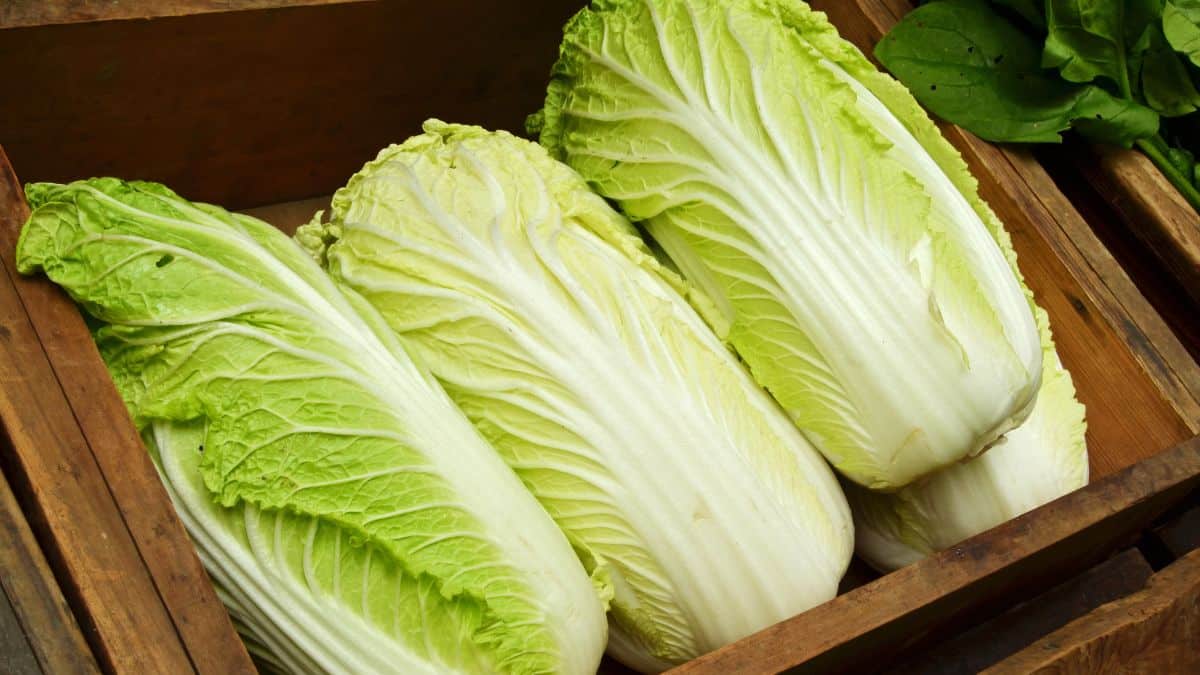
Find out why Chinese cabbage should be a permanent fixture on your menu. Learn about its properties, its impact on immunity, heart health, and kimchi recipes.
Table of Contents
- Napa cabbage – nutritional value and vitamins
- How napa cabbage boosts the immune system?
- Supporting heart and circulatory system function
- Napa cabbage, gut health, and digestion
- Napa cabbage recipes – how to add it to your diet?
- Kimchi and napa cabbage ferments – the probiotic power
Napa cabbage – nutritional value and vitamins
Napa cabbage, also known as Brassica rapa subsp. pekinensis, is a vegetable that is gaining growing popularity not only in Asian cuisine but also on tables worldwide. Its crunchy, delicate leaves are not just the basis of many salads and slaws; they are a treasure trove of valuable nutrients and vitamins. Compared to other cabbages, it stands out for its very low energy value – 100 g of fresh napa cabbage contains only about 16 kcal, making it perfect for those watching their figure or aiming for weight loss. Another key advantage is its trace amounts of fat and low sugar content. This vegetable is an excellent source of dietary fiber, which aids digestion, speeds up bowel peristalsis, provides satiety, and helps regulate blood sugar levels. Fiber also has a positive effect on the gut microbiota, which indirectly boosts immune defense. Another plus of napa cabbage is its high water content—about 95%—which hydrates the body well and provides a refreshing sensation, even on hot days.
The wealth of minerals in napa cabbage deserves special attention – it mainly contains potassium, which helps regulate blood pressure and supports heart health, as well as calcium, essential for building strong bones and teeth. It also contains magnesium, iron, phosphorus, and manganese, all of which contribute to the proper functioning of the nervous, muscular, and immune systems. The vitamin profile of napa cabbage is also impressive. You’ll find considerable amounts of vitamin C – just 100 g of this vegetable covers about 30–40% of an adult’s daily requirement. Vitamin C is one of the strongest natural antioxidants, helping to neutralize harmful free radicals, strengthen blood vessel walls, participate in collagen synthesis, and reduce the body’s susceptibility to infections. Another equally important vitamin is vitamin K, which governs proper blood clotting and has a positive impact on calcium management, protecting bones from osteoporosis. Napa cabbage leaves also hide vitamin A (in the form of beta-carotene), which gives them a subtle yellowish hue – it supports skin health, mucous membranes, and normal vision, especially at night. Do not forget about B vitamins, such as B1 (thiamine), B2 (riboflavin), B3 (niacin), B5 (pantothenic acid), B6 (pyridoxine), and folic acid – all crucial for the nervous system, metabolism, and red blood cell production, and regular dietary intake helps fight fatigue and supports the body’s recovery. Napa cabbage is also a valuable source of antioxidants like polyphenols and sulforaphane, which may have anticancer effects by helping to neutralize cell mutations. What’s more, this vegetable doesn’t absorb heavy metals or pesticides as easily as other varieties, making it often recommended for children and pregnant women. Thanks to its rich nutritional profile, napa cabbage should be an inseparable element of the everyday menu for active individuals, those recovering from illness, seniors, and everyone who values natural dietary support for health.
How napa cabbage boosts the immune system?
Napa cabbage is not just a tasty, crunchy addition to salads and fillings – it’s foremost a nutritious vegetable supporting the body’s immunity on many levels. The greatest asset of napa cabbage for the immune system is its high vitamin C content—a powerful antioxidant that neutralizes free radicals and helps protect immune cells from oxidative stress. In 100 grams of fresh napa cabbage, you’ll find about 26 mg vitamin C, accounting for around 30% of an adult’s daily requirement. Regular intake of vitamin C aids the production of white blood cells that fight pathogens and strengthens the mucous barrier of the respiratory and digestive tracts, limiting the penetration of viruses and bacteria. Beyond vitamin C, napa cabbage also provides vitamin A in the form of beta-carotene, which is key in the functioning of epithelia, your first line of defense against infectious agents. Beta-carotene assists in regenerating mucous membranes and benefits respiratory function, especially important during cold and flu season. Napa cabbage also contains flavonoids and polyphenols – plant compounds with strong anti-inflammatory properties, moderating the immune response and limiting the formation of chronic inflammation at the root of many modern diseases.
Keep in mind that immunity is not just the immune system itself but also the overall health of the digestive tract – especially the intestines, home to billions of “good” bacteria that underpin our health. Napa cabbage, being a great source of fiber, promotes the development of beneficial gut flora that produce short-chain fatty acids. These fatty acids strengthen the intestinal barrier, reduce the risk of pathogens and allergens entering the bloodstream, and activate immune cells within the intestinal wall. A diet rich in fiber from leafy vegetables like napa cabbage promotes the production of immunoglobulins (such as IgA), offering the first line of defense against harmful microorganisms in the digestive tract. Additionally, napa cabbage contains valuable micro-elements like zinc and iron, essential for proper immune function – zinc influences lymphocyte growth and antibody production, while iron is needed for proliferation of immune cells and fighting bacterial infections. Sulfur compounds, typical for cruciferous vegetables (like glucosinolates), display antiviral and antibacterial activity, stimulating the body’s natural defenses. Interestingly, fermented napa cabbage—such as in kimchi—provides probiotics that activate NK (natural killer) cells and enhance immune efficiency. Including napa cabbage in your daily diet enriches the body with vital vitamins and minerals, realistically elevating immunity in children, adults, and seniors alike, building a protective shield against infections and inflammation.
Supporting heart and circulatory system function
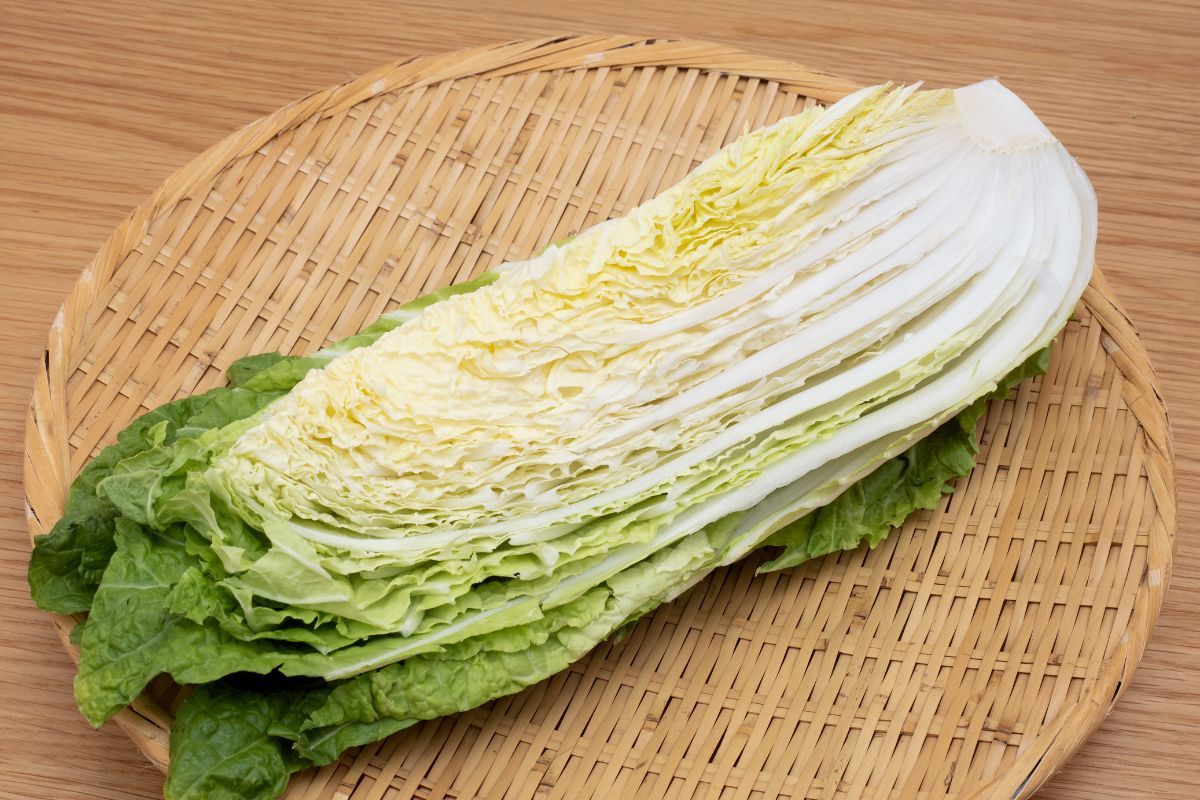
Napa cabbage is not only a low-calorie vegetable suitable for various culinary uses, but it’s also a precious ingredient for supporting heart health and proper functioning of the circulatory system. One of its core virtues is a wealth of potassium, which is crucial for regulating blood pressure. Potassium balances sodium levels in the body, preventing water retention and facilitating its excretion. As a result, regular consumption of napa cabbage can help lower blood pressure and reduce the risk of hypertension, the main risk factor for cardiovascular diseases like stroke and heart attack. In addition to potassium, napa cabbage supplies magnesium, an element needed for proper neural and muscular conduction in the heart; deficiencies can lead to arrhythmias and raise the risk of atherosclerosis and heart failure. Magnesium together with potassium supports healthy vessel walls and smooth muscle relaxation, serving preventative functions against chronic heart disease.
Napa cabbage is also high in antioxidants, like vitamin C, beta-carotene, and phenolic compounds, which help neutralize free radicals and protect blood vessels from oxidative damage. This process plays a key role in slowing atherosclerotic plaque development and preventing chronic inflammation, major contributors to cardiovascular disease. Moreover, vitamin K in napa cabbage regulates blood clotting, supports proper platelet function, and nurtures healthy blood vessels. A fiber-rich diet, enabled by this vegetable, helps lower “bad” LDL cholesterol, directly influencing the development of atherosclerosis and coronary heart disease. Fermented napa cabbage products, like kimchi, provide extra value through probiotics that benefit the gut microbiota—healthy intestines mean better lipid management and lower inflammation, in turn supporting the heart and vessels. Napa cabbage phytonutrients, especially sulfur compounds like glucosinolates, also show anti-inflammatory and antioxidant actions, helping block processes that cause vessel degeneration and fat plaque buildup. Notably, napa cabbage is low in fat and has a low glycemic index, stabilizing blood glucose and insulin, thus lowering the risk of insulin resistance and type 2 diabetes, and consequently vascular complications. The iron in napa cabbage also supports blood formation processes, ensuring the proper transport of oxygen to body cells and playing a key role in preventing anemia, which can also negatively impact cardiovascular fitness. Regularly including this vegetable in your diet is a simple, natural way to support heart function and reduce the risk of civilization diseases—one of the main health problems facing contemporary societies.
Napa cabbage, gut health, and digestion
Napa cabbage stands out not just for its mild flavor and culinary flexibility but also for its exceptional properties that support digestive health. Its high content of both soluble and insoluble fiber makes it a vital ally in maintaining regular bowel motility. Insoluble fiber increases stool bulk, promoting regular bowel movements and reducing the risk of constipation – an issue particularly for seniors, children, and pregnant women. Soluble fiber, meanwhile, stimulates the growth of beneficial gut bacteria by serving as prebiotic “food” for microorganisms, supporting their function and collectively protecting the intestinal lining. This ensures healthy microbial growth, controllers to pathogenesis, and supports immune balance and overall wellbeing. Napa cabbage is an excellent addition for those suffering from irritable bowel syndrome (IBS), inflammatory bowel diseases, or anyone wishing to nurture their gut microbiota. Sulfur-containing compounds like glucosinolates in this vegetable also have anti-inflammatory and antibacterial properties, further supporting gut health and potentially easing symptoms of intestinal inflammatory conditions. Additionally, napa cabbage contains natural polyphenols and flavonoids that defend the intestinal lining against oxidative stress, protecting it from damage and degradation caused by free radicals. Napa cabbage is easy to digest and well tolerated, even for sensitive stomachs—it doesn’t cause bloating to the extent of other cabbages, like white cabbage or Brussels sprouts. Thus, it’s great for those with delicate digestive systems and those recovering from illness.
The hydration offered by napa cabbage’s high water content assists the movement of contents through the intestines, prevents hard stools and dehydration—major risk factors for constipation. Water plus fiber is the perfect combination for effective digestion and bodily detoxification. Napa cabbage, in both its raw and fermented forms—like kimchi—is also a natural source of probiotics: lactic acid bacteria (Lactobacillus plantarum, Lactobacillus brevis), which help restore gut microbiota and improve nutrient absorption. Regular intake of napa cabbage, fresh or fermented, supports the rebuilding of the gut barrier, limits intestinal permeability, and even aids the synthesis of certain B vitamins and vitamin K by gut bacteria. The sulfur compounds present can help counter symptoms of some digestive disorders and stimulate bile production, easing fat breakdown and speeding the digestion of heavy meals. Moreover, the phytonutrients such as chlorophyll and chlorophyllin can limit the proliferation of harmful bacteria and help prevent cancerous changes, especially within the colon. Eating napa cabbage, thanks to its holistic effect on the digestive system, not only helps relieve digestive issues but also plays a role in the prevention of gut diseases, including colon cancer. This vegetable naturally fits into the needs of all ages—children to seniors—providing support for bowel regulation, mucosal protection, bacterial flora rebuilding, and improved digestive efficiency.
Napa cabbage recipes – how to add it to your diet?
Napa cabbage is an extremely versatile vegetable that fits seamlessly in the kitchen – as an ingredient for fresh salads, lunch dishes, soups, or stir-fries. Its crunchy texture and mild, slightly sweet flavor mean it’s a chef favorite worldwide. You can start with simple, fresh salads – a classic slaw features napa cabbage, carrot, cucumber, and dill, dressed with olive oil and a splash of lemon juice. A popular variation is an Asian-style salad, where sliced napa cabbage is combined with mung bean sprouts, sesame, bell pepper, spring onions, and a dressing based on soy sauce and sesame oil. Napa cabbage also pairs well with fruits, such as pineapple, oranges, or pomegranate, making a refreshing, original flavor perfect for a healthy and light menu. In Polish cooking, napa cabbage substitutes well for white cabbage in traditional stuffed cabbage rolls—the softer leaves are easier to roll, and the dish gets a lighter structure and fresh aroma. Another option is layered salads with napa cabbage, egg, chicken ham, corn, and mayonnaise—a favorite for family gatherings and holidays. But it’s not just about salads—napa cabbage excels also in cooked dishes. In Asian cuisine, it’s the base for numerous soups, like a quick miso soup with tofu, napa cabbage, and shiitake mushrooms. It’s also easy to prepare in stir-fry, simply sauté the sliced leaves with garlic, ginger, carrot and curry for an aromatic, hearty, vitamin- and mineral-rich meal. Napa cabbage goes perfectly with poultry, beef, or tofu, and in vegan recipes it’s ideal for meatless wraps or veggie burgers.
Napa cabbage is also perfect for fermentation and making the well-known Korean kimchi, which has stolen the hearts of healthy lifestyle enthusiasts for years. Fermentation naturally boosts the vegetable with probiotics, increasing its nutritional value and supporting both immunity and gut health. To make kimchi, you need a few basic ingredients: napa cabbage, carrot, white radish (daikon), garlic, ginger, Korean chili flakes (gochugaru), green onion, fish sauce, and salt. Slice the napa cabbage, salt it thoroughly for wilting, and then mix with a spice and vegetable paste. Put the mix in a jar and let it ferment for several days at room temperature. Homemade kimchi not only enriches daily meals with natural probiotics, but is also a great addition to soups, meat dishes, omelets, or toast. Beside classic kimchi, napa cabbage also works very well in other fermented recipes—just season with herbs and roots to your liking. To easily boost your napa cabbage intake, start by adding it to sandwiches—the fresh, thin leaves make a great alternative to lettuce, adding crunch and nutrients. Sliced thinly, napa cabbage is perfect for rice paper spring rolls with veggies, or as a filling for tacos or wraps. Napa cabbage cooks quickly and is easy to digest, making it ideal for kids and the elderly. Its mild taste will be enjoyed by those with sensitive digestive systems. Whether you prefer international cuisine or traditional dishes, the possibilities for using napa cabbage in your daily menu are almost limitless. Its versatility allows you to create all kinds of meals – from quick breakfasts and nutritious lunches to light dinners and snacks beneficial for health and immunity. Experimenting with napa cabbage in the kitchen is a great way to diversify your diet and provide your body with crucial nutrients every day.
Kimchi and napa cabbage ferments – the probiotic power
Fermented napa cabbage products, such as traditional Korean kimchi or other fermented pickles, are top-tier examples of functional foods with proven health benefits. Kimchi, a staple of Asian cuisine, is based mainly on napa cabbage, with garlic, ginger, chili, and other vegetables. During fermentation, naturally occurring lactic acid bacteria break down sugars and fiber, resulting in a product packed with probiotics—”good” bacteria that support the microbiota. Regularly eating kimchi or other napa cabbage ferments strengthens immunity, improves digestion, and increases mineral bioavailability. This is especially valuable for those seeking natural ways to support the immune system without resorting to supplements—having enough beneficial bacteria in the gut directly reduces the risk of infections and improves the body’s response to pathogens. Napa cabbage ferments are also full of organic acids, vitamins (mostly C, K, and B group), and enzymes that not only nourish but guard the digestive system from harmful microorganisms, regulate peristalsis, and support metabolic processes. Eating this type of food helps lower “bad” cholesterol, regulates blood pressure, and has a positive influence on weight, as fermented cabbage is very low in calories and provides lasting satiety. Kimchi is known for high antioxidant content and anti-inflammatory compounds, delivering benefits for modern disease prevention as well as improving the body’s physical and mental wellbeing. Scientific studies indicate regular consumption of fermented napa cabbage may support the prevention of gastrointestinal cancers, reduce symptoms of allergies and food intolerances, and delay cellular aging processes.
Making napa cabbage ferments like kimchi is based on natural preservation methods that unlock the vegetable’s full nutritional and flavor potential. Unlike pasteurized products, raw fermentation preserves freshness as well as a full spectrum of probiotics. With the presence of bacteria such as Lactobacillus plantarum, Leuconostoc, and others, fermented cabbage is excellent for maintaining gut microbial balance, preventing dysbiosis, and helping with various digestive issues. A key benefit of probiotics from ferments is their resistance to stomach acids, which increases their chance of reaching the colon. Making kimchi or other napa cabbage ferments at home is straightforward and allows you to experiment with add-ins such as chili, carrot, garlic, onion, ginger, or apples. You can customize the flavor and health benefits to match your needs or dietary restrictions. Thanks to a high vitamin C content, just a few tablespoons of ferments per day can cover a significant part of the daily requirement for this vitamin, boosting immunity during cold and flu season. Home-style ferments, in particular, last longer, so you can maintain nutritional value for weeks or even months. For everyday health and gut microbiome balance, regularly including fermented napa cabbage or kimchi is one of the easiest, most natural methods to support immunity, digestive wellness, and daily vitality.
Summary
Napa cabbage is an exceptional vegetable, providing many vitamins, minerals, and supporting immunity and heart health. Thanks to its high vitamin C, fiber, and natural probiotics, it greatly boosts gut health and aids digestion. Adding napa cabbage to your daily menu, fresh or as a ferment or kimchi, is a simple, tasty way to improve overall well-being. Take care of your immunity, heart, and a healthy gut microbiome by making use of this vegetable’s positive properties.


