
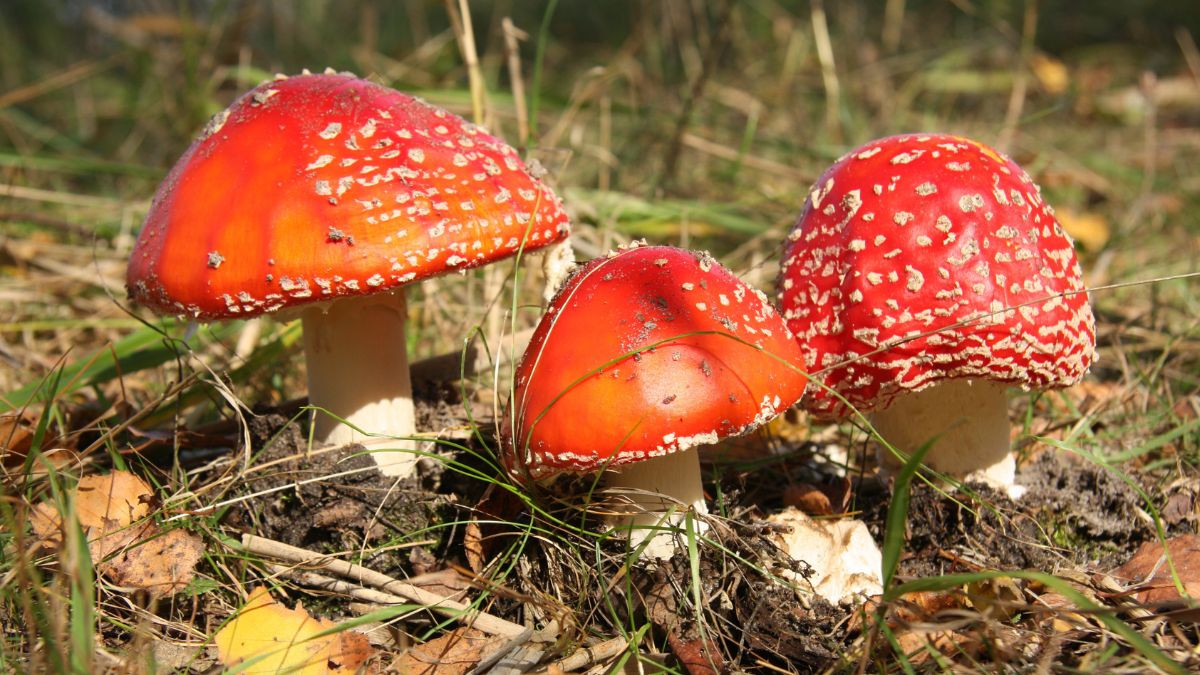
Mushroom poisoning – check the symptoms, first aid, and effective prevention methods. Learn what to do if you suspect poisoning.
Table of Contents
- How does mushroom poisoning occur? Most common causes
- Symptoms of mushroom poisoning – when should we be concerned?
- First aid for mushroom poisoning – step by step
- Diagnosis and treatment of mushroom poisoning
- Prevention – how to avoid mushroom poisoning?
- Frequently asked questions about mushroom poisoning
How does mushroom poisoning occur? Most common causes
Mushroom poisoning is one of the most serious risks related to collecting and consuming wild mushrooms, both edible and poisonous. Most commonly, it occurs due to mistakes in species identification, improper preparation or storage of mushrooms, or the misconception that traditional identification methods guarantee safety. Poles have collected mushrooms for generations, but even experienced foragers can make mistakes, as many poisonous species resemble edible mushrooms in color, shape, or gill and stem structure. Especially notorious are the death cap (Amanita phalloides) and its lookalikes, which, even in small amounts, lead to severe, often fatal poisonings. The situation is exacerbated by the fact that some mushroom toxins—such as amatoxins—are resistant to high temperatures, so cooking or frying mushrooms does not neutralize these dangerous substances. Another common cause of poisoning is the unconscious consumption of raw or undercooked mushrooms, particularly those with mild toxicity symptoms, such as russulas or false morels. Such cases can lead to mild or moderate gastrointestinal complaints, but in exceptional circumstances—especially in children and the elderly—symptoms can become very severe.
Other causes of poisoning include collecting mushrooms growing in contaminated environments, such as along roadsides, farmland treated with pesticides, or industrial areas. Mushrooms can accumulate heavy metals, pesticides, and other toxic substances that may lead to secondary poisoning even if the species itself is not poisonous. Consuming mushrooms stored under improper conditions is also risky—prolonged storage in warm places promotes the growth of bacteria and molds that produce toxins dangerous to humans. Mushroom products of unknown origin, such as dried mixes sold at bazaars or in stores without clear labels, can also be sources of poisonings. For children, even small amounts of raw mushrooms are especially dangerous due to immature digestive systems and the stronger effects of toxins. Additionally, allergic individuals may experience poisoning symptoms even after eating edible mushrooms, due to individual reactions to certain proteins, glycoproteins, or other substances in the flesh. It’s also important to be aware that poisoning can result from the accidental ingestion of foreign bodies—such as small pieces of inedible plant matter collected along with the mushrooms. All these factors mean that every year, numerous cases of poisoning are recorded, with both mild and severe courses that require urgent medical intervention and multi-specialist treatment.
Symptoms of mushroom poisoning – when should we be concerned?
Mushroom poisoning is a serious condition that can present in many ways—much depends on the species consumed, toxin amounts, and individual sensitivity. Concern is warranted if symptoms appear after eating a mushroom dish, especially if you’re not entirely sure of the mushroom species or their origin. Early symptoms may be nonspecific, but often the first signs are gastrointestinal problems: nausea, severe abdominal pain, vomiting, or diarrhea. These usually occur within a few hours of consuming poisonous mushrooms, but some toxins produce symptoms after 6–12, or even after 24 hours, which is particularly dangerous and can dull vigilance. Very early, intense gastrointestinal symptoms can indicate poisoning with panther cap or certain russula species, while delayed symptoms are a warning for species with toxins mainly affecting the liver and kidneys, like Amanita phalloides. With these types of toxins, the first symptoms may be mild or transient, followed by a phase of dangerous internal organ damage.

In addition to typical gastrointestinal symptoms, pay attention to further warning signs, which may indicate deeper toxic effects due to mushroom consumption. These include jaundice (yellowing of the skin and whites of the eyes, indicating liver damage), severe weakness, altered consciousness, convulsions, dizziness, low blood pressure, or coma. Characteristic but rare consequences of poisoning by certain species, such as fly agaric and panther cap, include psychological disturbances—agitation, hallucinations, euphoria, anxiety, or aggression. Also, watch for heart symptoms (arrhythmias, chest pain) or kidney failure (darkened urine), which may indicate advanced poisoning. If children develop even minor symptoms after eating unknown mushrooms, it’s particularly serious, as their bodies are more susceptible to toxins. Anytime the above symptoms occur, especially after a meal containing even potentially edible mushrooms, urgent medical attention and a visit to the nearest hospital are critical—prompt intervention greatly increases the likelihood of effective treatment and recovery.
First aid for mushroom poisoning – step by step
Properly administered first aid in suspected mushroom poisoning can be lifesaving. The most important action is always a quick response and calling an ambulance—if symptoms of poisoning occur after mushroom consumption, call 112 or 999 immediately, providing details of the event. Be ready to give information about the consumed mushrooms, quantities, and the time elapsed since ingestion. If possible, secure leftover mushrooms, both raw and cooked, as these can help emergency personnel identify the toxin. While waiting for emergency assistance, do not underestimate the situation—even if symptoms are mild. Be especially cautious with children, the elderly, and pregnant women, as their bodies are significantly more sensitive to toxins. Never attempt self-treatment, such as home detox methods or taking medications to mask symptoms without medical consultation. Internal organ damage caused by toxins, especially to the liver, can have severe consequences that cannot be alleviated by simple home remedies.
Until medical help arrives, try to limit toxin absorption from the digestive tract. If only a short time (ideally up to 1–2 hours) has passed since ingestion and the person is conscious, induced vomiting can be considered—but only after prior phone consultation with a dispatcher or doctor. Do not induce vomiting in unconscious individuals, those with impaired consciousness, or children, as this may cause choking and aspiration. Do not force fluids, especially if the patient is vomiting. Severe, persistent vomiting and diarrhea indicate a serious poisoning—here, it’s crucial to prevent dehydration. Small amounts of cool, boiled water may be given, if tolerated, to replenish fluids. Never give alcohol or medicines that suppress symptoms (e.g., anti-diarrheal drugs), as these may increase toxin absorption or hinder diagnosis. Keep samples of vomitus and stool, as these can assist emergency staff in identifying the poison. If the patient loses consciousness or has convulsions, ensure their safety—place them in the recovery position, secure the head and airway, and commence CPR if breathing or circulation stops. Any neurological symptoms (confusion, agitation, vision disturbances, salivation, convulsions) should prompt immediate hospital transport. At every stage, follow specialist directions carefully—mushroom poisoning always requires professional medical care, and rapid response improves the odds of recovery.
Diagnosis and treatment of mushroom poisoning
Diagnosing mushroom poisoning is a clinical challenge, as symptoms are often nonspecific and varied, depending on the type of mushroom, the timing of toxin intake, and the victim’s condition. The key to effective diagnosis is a thorough interview, including the exact time, amount, and preparation method of the mushrooms eaten, as well as the patient’s age and health status. It’s important in practice to secure leftovers of food, uneaten mushroom fruiting bodies, or even vomit samples—they can be crucial in identifying the species and type of toxin involved. The doctor will take a case history and physical examination, and then order lab tests such as blood count, liver function tests (ALT, AST, bilirubin), creatinine, urea, electrolytes, and fluid-balance parameters. If liver or kidney damage is suspected, monitoring of these organs is vital, especially in poisonings with death cap, false morel, or gyromitra species. In justified cases, tests for mushroom toxin presence in blood, urine, or vomit can be conducted, though these are available mainly at specialist toxicology labs. Vital signs monitoring—heart rate, blood pressure, breathing, and fluid balance—are essential as disturbances can rapidly destabilize the body. Differential diagnosis includes ruling out other causes of acute gastrointestinal symptoms, such as bacterial or viral poisoning or other food toxins. It is crucial to note that early recognition and prompt targeted treatment can be life-saving, especially in the case of highly toxic mushrooms that cause irreversible internal organ damage.
Treatment of mushroom poisoning strictly depends on the type of toxin, patient condition, and organ damage severity. The cornerstone is quickly reducing toxin absorption from the digestive tract—if less than 1–2 hours have passed since ingestion, gastric lavage or activated charcoal may be considered if the patient’s condition allows. The greatest benefit is from immediate treatment before loss of consciousness, severe diarrhea, or significant metabolic disturbances occur. Symptomatic treatment involves monitoring and correcting fluid and electrolyte balance—IV hydration, restoring acid–base balance, and adjusting electrolytes. In poisonings by hepatotoxic mushrooms such as death cap, specific antidotes like silibinin (milk thistle extract) are critical; this inhibits transport of toxins to liver cells and limits liver injury. High doses of penicillin G are also often used, as it shows liver-protective effects in lab conditions. In acute cases, plasma transfusions, supportive liver therapy, and even dialysis or plasmapheresis (to remove toxins from the blood) may be required to temporally maintain organ function. In cases of multiple organ failure, liver transplantation may be the only hope. Pharmacological support includes antiemetics, antidiarrheals (used with caution), anticonvulsants, or respiratory support as needed. Ongoing lab evaluation and monitoring of response to therapy are essential. In children and the elderly, poisoning can progress extremely rapidly, so treatment must be under strict toxicological supervision. Collaboration with clinical toxicology, surgery, intensive care, and (if transplant is needed) transplantation specialists is vital. Hospitalization duration depends on poisoning severity, procedures performed, and organ recovery; in the most severe cases, continued medical care may be needed for many weeks.
Prevention – how to avoid mushroom poisoning?
Preventing mushroom poisoning requires a responsible approach at every step—from planning the mushroom trip to collecting, preparing, and consuming them. The most basic safety rule is to gather only mushrooms you know well and have no doubts about. Any uncertainty should be a clear sign not to pick that specimen. Use only knowledge gained from experienced foragers, and participate in training and consultations organized by national mycological societies or sanitary-epidemiological stations. Take a printed mushroom atlas for reliable identification on-site. When collecting, examine the entire mushroom structure—stem, cap, underside—to make sure of the species, as the details decide classification. Avoid very young or old specimens to reduce mistakes; immature mushrooms may not show distinctive features, while overripe ones spoil faster and pose microbial hazards. Be extremely cautious of toxic species that closely resemble edibles, such as death cap, easily confused with shaggy parasol or field mushroom. For collection, use suitable containers—a wicker basket is best, as it ensures air circulation and prevents steaming, which can lead to the growth of toxic bacteria. Avoid plastic bags or buckets, which can cause quick spoilage from moisture build-up. Do not leave mushrooms in a hot car or store them in large, compressed piles. Avoid contaminated areas—road edges, industrial sites, or waste dumps—as mushrooms accumulate heavy metals and other toxins from the environment.
Proper handling after returning home also plays a key role in prevention. Carefully sort mushrooms, discarding any unrecognized, browned, smudged, or insect-bitten specimens. Clean them thoroughly and prepare (boil, stew, or marinate) as soon as possible. Never eat mushrooms raw, as many species—even edible ones—contain toxins broken down only by high temperatures. Remember, mushrooms are hard to digest and can cause problems even in adults if eaten in excess, so they should not be given to children under 7, pregnant women, the elderly, or those recovering from illness. Prevention also includes caution when consuming store-bought wild mushroom products of unknown origin or from markets. It’s safest to choose dried mushrooms or preserves only from trusted suppliers or official outlets. Strictly observe storage guidelines—mushroom dishes should be refrigerated and eaten within 24 hours. Never reheat mushroom dishes multiple times, as this encourages bacteria and new toxins. Know your health contraindications—allergic individuals and those with liver or kidney disease should use special caution or avoid mushrooms entirely. If in doubt about identification or storage, it’s better to abstain than risk serious health consequences. Educate children and less experienced people about the dangers of foraging and consuming wild mushrooms. Awareness, caution, and proper knowledge are the most effective ways to prevent mushroom poisoning and enjoy the taste of forest treasures safely.
Frequently asked questions about mushroom poisoning
One commonly asked question is: which mushrooms are most dangerous and most often cause poisoning? In Poland, the most dangerous are the death cap (Amanita phalloides), destroying angel, panther cap, and the webcap. Particularly hazardous are the amatoxins in the death cap, as even tiny amounts may cause liver damage and death. Less dangerous but still concerning are certain russula species, fibrecaps containing muscarine or the satan’s bolete, and mushrooms that in raw form may contain irritant substances. Can mushroom poisoning be recognized immediately? The answer is complex: some symptoms show within an hour (e.g. nausea and vomiting), while for death cap poisoning, symptoms may only appear after several hours, by which time the toxins may have already started destroying the liver. Are there home methods to distinguish poisonous from edible mushrooms? Unfortunately, popular methods like testing with onion, silver spoons, or garlic have no scientific basis—poisonous and edible mushrooms may react similarly to folk tests, so the safest approach is using atlases, consulting mycologists, or collecting only species you are absolutely certain of. Can cooking neutralize mushroom toxins? Be aware that most deadly mushroom toxins are heat-resistant and not broken down during boiling, frying, or drying—especially amatoxins and phalloidin. Are children especially vulnerable? Absolutely—small body weight means severe symptoms and complications develop more quickly, and even scant amounts can be life-threatening for them.
Many readers also ask what first aid should look like in a case of suspected mushroom poisoning and what are the prognosis in such cases. The most important is to quickly contact the ambulance service and go to hospital, especially if the patient is a child, pregnant woman, senior, or has chronic diseases. Often people ask if anything can be done before a doctor arrives—if the patient is conscious and less than two hours have passed, and only after phone consultation, consider securing mushroom remnants, inducing vomiting, or giving activated charcoal, but never without professional guidance. Is it always possible for doctors to identify the toxin? In practice, both patient interview and lab analysis of mushroom remains and blood or urine samples are used, but full identification is not always possible, especially if the patient does not know the type of mushroom eaten. How common is mushroom poisoning in Poland? Every year there are several hundred to a few thousand cases, some requiring hospitalization or leaving lasting health effects, and regrettably there are still deaths, especially among those who delay seeking medical attention. How long does mushroom poisoning treatment last, and is hospitalization always necessary? It depends on the type and amount of toxin, patient age, and overall health, but with any severe poisoning, hospital observation is needed; treatment may last days to weeks, and in extreme cases require liver transplant and rehabilitation. Families also ask about treatment effectiveness—prompt intervention and specialist care yield positive outcomes, while delay significantly worsens prognosis. Finally, is it possible to fully protect against mushroom poisoning? Although the risk can never be reduced to zero, strict adherence to preventive rules, collecting only known species, and avoiding mushrooms of uncertain origin dramatically lowers the threat.
Summary
Mushroom poisoning is a serious health threat that can affect anyone. Rapid recognition and prompt first aid are crucial for effective treatment. Knowing prevention rules and proper response can significantly reduce the risk of poisoning. Remember to collect and eat only well-known, edible mushrooms and educate your loved ones about safe mushroom foraging. In case of suspected poisoning, always contact a doctor immediately—health and life are paramount.


