
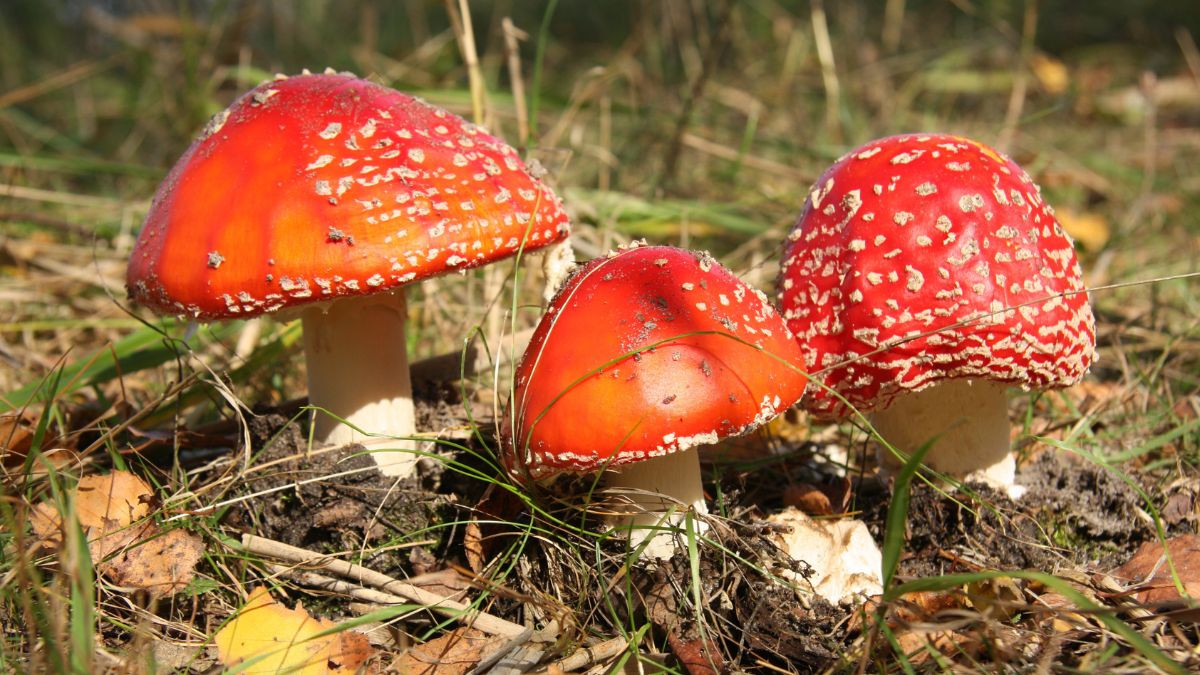
Mushroom poisoning is a serious threat to health and even life. Misidentification of edible mushrooms and consumption of poisonous species can lead to a variety of symptoms, ranging from mild to very severe. In this article, we will discuss in detail the symptoms of mushroom poisoning, the causes of this phenomenon and the rules of conduct in the case of suspected poisoning.
Causes of mushroom poisoning
The main cause of mushroom poisoning is the ingestion of poisonous mushrooms, which contain various types of toxins. Some of these toxins act quickly and cause symptoms as soon as several minutes after ingestion, while others can cause damage to internal organs only after several days.
The most common mistakes leading to mushroom poisoning:
- Unreliable identification: mushroom picking by inexperienced people or based on incomplete information can lead to confusion and the consumption of poisonous species.
- Consumption of conditionally edible mushrooms: Some mushrooms require proper preparation before consumption, such as long cooking. Failure to follow these rules can lead to poisoning.
- Consuming a mixture of mushrooms: Even if most of the mushrooms in a basket are edible, the presence of a few poisonous ones can cause poisoning.
Symptoms of mushroom poisoning
Symptoms of mushroom poisoning vary widely and depend on the type of mushroom ingested and the amount of toxin ingested. They can appear as soon as several minutes after ingestion, but sometimes symptoms develop only after several days.
Symptoms of mushroom poisoning can be divided into several groups:
- Gastrointestinal symptoms: Nausea, vomiting, diarrhea, abdominal pain, flatulence.
- Neurological symptoms: Dizziness, headache, visual disturbances, sweating, salivation, pupil dilation, muscle tremors, hallucinations, impaired consciousness, coma.
- Respiratory symptoms: Shortness of breath, coughing, wheezing.
- Skin symptoms: rash, itching.
- Disorders of other organs: damage to the liver, kidneys, heart.
Some of the most common symptoms of mushroom poisoning are:
- Cholinergic syndrome: Occurs with red toadstool and spotted toadstool poisoning. It manifests as pupil constriction, salivation, sweating, bradycardia, profuse saliva.
- Anticholinergic syndrome: Occurs with toadstool poisoning. It manifests as pupil dilation, dry mouth, tachycardia, and reddening of the skin.
- Neurotoxic Syndrome: Occurs with poisoning by the red toadstool. It manifests as liver and kidney disorders that can lead to failure of these organs.
Management of suspected mushroom poisoning
If you suspect mushroom poisoning, you should call emergency services immediately.
Before the arrival of rescuers:
- Keep calm.
- Do not give the patient any drugs or drinks.
- Collect leftover meal with mushrooms and mushroom packaging. These can be useful for identifying the species of fungus consumed.
- If possible, take the sick person to the hospital.
At the hospital:
- The doctor will conduct a history and physical examination.
- Blood, urine and fecal samples will be taken for laboratory testing.
- Depending on the patient’s condition, additional tests may be performed, such as EKG, X-ray, CT scan.
- Treatment of mushroom poisoning consists of:
- Detoxification of the body: Administration of activated charcoal, gastric lavage.
- Symptomatic treatment: Administration of analgesics, antipyretics, antiemetics.
- Treatment of damaged organs: Dialysis for kidney failure, liver treatment.
Prevention of mushroom poisoning
To avoid mushroom poisoning, observe the following rules:
- Only pick mushrooms that you know very well.
- Never pick mushrooms along roads, in polluted areas or near industrial plants.
- Do not pick young or old mushrooms, as they are difficult to identify correctly.
- Do not pick mushrooms after it rains, as they may be contaminated with bacteria.
- Don’t buy mushrooms from random people.
- If you have doubts about the edibility of a mushroom, do not harvest or eat it.
- If in doubt, consult an experienced fungus expert.
Remember that mushroom poisoning can have serious health consequences and even lead to death. Therefore, be very careful when picking and eating mushrooms.
Note: This article is for informational purposes and is not a substitute for professional medical advice. If you suspect mushroom poisoning, contact your doctor immediately.


