
Learn how to prepare your daughter for her first period! Learn about the symptoms, support methods, hygiene tips, and practical advice for parents and teens.
Table of Contents
- What is the first period? – symptoms and signs
- When to expect the first period – age and factors
- How to prepare your daughter for her first period – conversation and support
- First period kit – what should you have on hand?
- Hygiene during menstruation – basic rules for teenagers
- How to overcome fear and taboos around periods – practical tips for parents
What is the first period? – symptoms and signs
The first period, also known as menarche, is a key milestone in every girl’s life, symbolizing the transition from childhood to adolescence. It is the first menstrual cycle, signaling that the girl’s body has reached sexual maturity and will possibly be able to conceive in the future. Menarche usually occurs between the ages of 10 and 15, though it may vary more widely – it all depends on genetic, health, environmental, and lifestyle factors. The timing is not random and is preceded by numerous hormonal changes and transformations in the girl’s body. The endocrine system starts producing estrogen and other sex hormones intensively, resulting in both visible changes and those occurring inside the body. Parents should be aware that each girl develops individually – there is no single “right” date for the onset of menstruation. It is a natural, physiological process, and while timing may differ for each child, it usually coincides with overall physical maturation. Preparing your daughter for this life phase requires above all understanding, empathy, and patience – both toward the girl herself and from parents or caregivers.
Before the first period, the body sends a variety of signals that parents and girls can interpret as signs of approaching menarche. These symptoms include both physical and emotional changes. Some of the most prominent are so-called secondary sexual characteristics: development of the breasts, widening of the hips, and the appearance of pubic and underarm hair. Several months before first menstruation, many girls notice the onset of whitish or clear vaginal discharge (mucus), which is the result of hormonal changes and a natural sign that the body is preparing for the menstrual cycle. Other possible symptoms include lower abdominal pain, breast tenderness, increased fatigue, headaches or muscle aches – all similar to the symptoms that may accompany later periods. Mood swings, irritability, sadness, and occasionally emotional lability are also common – all caused by the hormonal rollercoaster. Some girls experience changes in appetite, concentration difficulties, or sleeping troubles. It’s crucial that parents do not ignore any of these signals – empathetic conversation and support will help the girl understand that these are natural growing-up stages. Puberty is a time of many questions and uncertainties for most girls, so as soon as the first symptoms appear, it’s worth gently introducing the subject of menstruation and teaching about body awareness and intimate hygiene. Recognizing these symptoms and signs allows both the girl and her loved ones to better prepare for menarche, making the first period less of a surprise and more of a natural step toward adulthood.
When to expect the first period – age and factors
The first period, or menarche, appears in most girls between ages 10 and 15, with the most common onset between 12 and 13. However, keep in mind that these ranges are general – both starting menstruation at age 9 or at 15 is natural, provided there are no worrisome medical symptoms. Waiting for the first period is a time full of questions for both the girl and her parents. The age of onset depends on many interconnected factors: genetics, the environment, health, and lifestyle. Genetics play a very important role – daughters usually get their first period at a similar age as their mothers, sisters, or grandmothers. Conversations with the girl’s mother or women in the family can help estimate when menstruation might begin. Good general health and nutrition are also key. Children with a balanced diet rich in essential vitamins and minerals, normal body weight, and no serious health issues tend to reach puberty earlier. In contrast, eating disorders, very intensive athletic training, or chronic stress may significantly delay the first period. Contemporary studies also show that in more developed countries, where food and healthcare access is better, the average age at menarche has dropped compared to previous decades, due in part to faster childhood growth and higher dietary fat content. However, it’s important to stress that every body develops individually – there’s no need to worry about “deviations from the norm” so long as your daughter is progressing harmoniously in other signs of puberty.
Pediatricians and doctors also note that the pace of biological maturation plays an important role in determining when the first period arrives. Usually, it is preceded by other puberty symptoms: about two years earlier, breast development begins (the thelarche stage), followed by increased vaginal discharge (the leukorrhea stage), and changes in body and pubic hair. These changes help parents better predict when their daughter will enter the next stage of puberty and may soon experience her first period. Individual body build and body fat are also relevant – menstruation typically occurs when the girl has reached a minimum fat level (usually about 17–22% of total body weight). Overweight or obese children may menstruate slightly earlier, while very slim or athletic girls usually experience menarche later than their peers. The home environment matters as well – chronic stress, lack of safety, family troubles or trauma can delay the first period and affect overall emotional development. Some studies indicate that girls raised without a father or exposed to traumatic stress may get their period earlier or later than the population norm. For parents, the key is observing the child’s development empathetically and carefully. If there are worrisome signs – such as no visible signs of puberty by age 15 or menstruation beginning before age 9 – it’s worth consulting a pediatrician or endocrinologist. Monitoring symptoms, knowing family predispositions, and being educated about puberty ensure parents and girls have greater peace of mind and a feeling of control over processes that cannot be rushed but can be better understood and prepared for in advance.

How to prepare your daughter for her first period – conversation and support
The first period can be a source of uncertainty and fear for many girls, especially if they haven’t been properly prepared by parents or caregivers. The key to building a sense of security and acceptance is an open, honest conversation based on mutual trust. Ideally, conversations about menstruation should begin well before the expected age of puberty – as soon as your daughter starts asking questions about changes in her body or notices physical differences from her peers or family members. It’s important that parents answer questions appropriately for the child’s age, don’t dismiss difficult subjects, and avoid transferring their own fears or negative emotions about menstruation. Always emphasize that the first period is a normal, healthy stage of development that every woman in the world experiences. Parents should explain what the menstrual cycle is, what symptoms may accompany the first bleeding, and why there’s nothing to fear. It’s also vital to validate emotions – admitting that fear or anxiety are natural reactions and everyone has a right to feel them. Trust is also built through systematically answering the daughter’s questions, giving space for her doubts, or sharing personal experiences by the parent – provided it’s done in a balanced, age-appropriate way. Allowing open conversations about intimacy helps the girl feel less alone in this new situation and know she can count on support at any time.
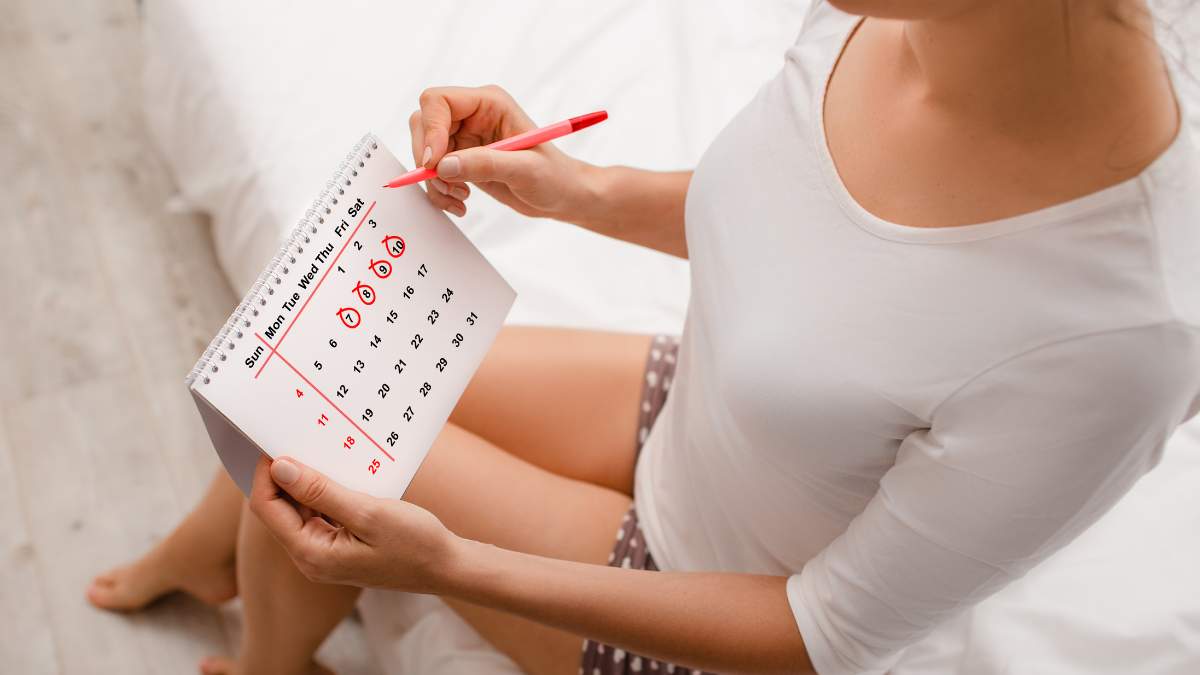
Support at this special time isn’t only about talking – practical help and preparing for a new daily routine are equally important. Get your daughter acquainted with basic hygiene products in advance, such as sanitary pads, tampons (if she feels ready), or menstrual cups, explaining how to use them and how often to change them. It’s a good idea to show different options and discuss their pros and cons, so the girl can decide what’s most comfortable for her. Packing an emergency “period kit” together, which she can carry in her school bag or backpack, is helpful. That way, even if the first period occurs unexpectedly at school or outside the home, it won’t cause panic. This is also the right moment to teach hygiene rules during menstruation and to make sure she knows it’s a natural process, not one to approach with shame. The parent’s responsibility also includes emotional support – pay attention to your daughter’s moods, encourage her to talk to other women in the family, and reassure her that any reaction is normal. Focus as well on practical skills such as keeping a menstrual calendar, so the girl learns to observe her body and understand the phases of the cycle. If your daughter is worried about peer reactions or feels uncomfortable asking questions at school, help her find a trusted person (like a school nurse or teacher) she can turn to. A supportive adult attitude helps make first periods less of a taboo and more of an accepted part of life, to be approached with maturity, calm, and body awareness.
First period kit – what should you have on hand?
The first period brings not only new emotions but also daily logistics, so it’s important to help your daughter handle them. Preparing the right “menstrual kit” is crucial – it gives girls a sense of security no matter where or when their first period happens. The core of the kit is hygiene products – for young girls, thin pads designed for teens (labeled “junior” or “teen”) work best, as they are smaller, thinner, and more comfortable than those for adult women. Opt for scent-free versions with breathable surfaces to minimize irritation risk. Depending on her preferences and after consulting with her, you might consider panty liners for the last days of her period or the smallest tampons – although tampons are less commonly used for first periods due to comfort and inexperience. Increasingly, young girls are also interested in reusable fabric pads or menstrual cups, but the latter are advised for older teens who know their bodies better. When preparing the kit, also include intimate wipes (ideally alcohol-free and unscented, dedicated for intimate hygiene) for quick freshening up at school, during sports, or on trips, as well as small pouches or discreet hygiene bags for used pads to maintain privacy and cleanliness outside the home. An essential element is a small, closable cosmetic bag or case – preferably in your daughter’s favorite color, which will boost her confidence about carrying her “secret items” in her backpack.
In addition, be sure your daughter has a supply of clean, cotton underwear she can change into in case of leaks or discomfort; put one or two extra pairs in the kit, plus thin leggings or shorts in case a change of clothes is needed at school or during after-school activities. Period panties for teens are becoming popular – underwear with an absorbent layer that gives extra security and freedom of movement, especially during physical activity. Do not forget a small calendar or notebook where your daughter can discreetly jot down her period dates and any symptoms – this not only helps her learn to track her cycle but is also helpful at doctor appointments. Some parents add a miniature hand sanitizer to the kit – especially if the daughter spends a lot of time outside – plus a small pack of tissues. If possible, include a booklet or small book about menstruation, prepared in a child-friendly way, so your daughter can refer to it if she has questions or concerns and doesn’t want to talk to an adult. When organizing a first period kit, consult with your daughter and give her choices about its contents – this builds a sense of agency, helps her learn her own needs, and makes the new sphere of intimacy less intimidating. A well-prepared kit is not only a practical safety measure but also a symbolic gesture of care and support from the parent.
Hygiene during menstruation – basic rules for teenagers
Menstruation is a natural and healthy sign of puberty, and taking care of hygiene during this time is key for both comfort and intimate health. Teenagers starting their menstrual journey can feel overwhelmed by the range of products and care rules. It is crucial to explain from the very first conversations how important it is to change pads, tampons, or other hygiene products often — ideally every 3–4 hours, even if they seem “clean”. Wearing the same pad for too long can lead to bacterial growth and odor, while extended tampon use can cause toxic shock syndrome (TSS), a rare but serious condition. The natural vaginal microbiome can be disrupted during a period, so gentle, thorough cleansing is important. Avoid scented soaps, harsh disinfectants, or intimate hygiene washes with lots of fragrances, as these can cause irritation, allergies, or infections. Instead, choose mild, neutral products or simply warm water. Clean the intimate area at least once a day, or ideally every time you change a pad or tampon, if possible. Change underwear regularly and wear cotton panties that let your skin breathe and minimize rashes and fungal infection risk. It’s also best to avoid long baths during your period — choose a quick shower instead. Be extra cautious when swimming in pools or open water, making sure to change tampons regularly and not leave them in for more than two or three hours. Store hygiene products in tightly sealed bags or cases to keep them clean in backpacks or purses.
Another aspect of menstrual hygiene that teens often don’t know is the correct way to wash – always wipe from front to back to avoid transferring bacteria from the anal area to the vagina or urinary tract. Douching should be avoided, as it can upset the natural vaginal flora and increase infection risk. During menstruation, girls should also change towels frequently, especially those used for intimate areas, and keep them in a dry and airy place. If your daughter uses public restrooms, proper hand washing before and after changing a pad or tampon limits the risk of infections. Hygiene is psychological, too — feeling clean and fresh gives teens more confidence and reduces unnecessary stress about new situations. Parents should support daughters in building healthy habits from the first cycle, showing them how to dispose of used hygiene products — always wrap them up and put them in a designated trash can, never the toilet. Mention new solutions too, such as special pad disposal bags or reusable period underwear, which, if washed regularly and cared for properly, increase comfort and benefit the environment. Some teens use menstrual cups — in this case, even more attention should be paid to disinfecting and cleaning the cup, and washing hands before and after insertion. Help your daughter understand that discomfort, bad odor, or itching may be signs of infection, so she shouldn’t be embarrassed to tell a parent or gynecologist. Menstrual hygiene isn’t just about rules – it supports health, self-esteem, and builds a positive relationship with a body that will keep changing throughout adolescence.
How to overcome fear and taboos around periods – practical tips for parents
In many homes, talking about periods was taboo for years, and girls grew up in an atmosphere of uncertainty and shame, often not fully understanding the changes in their bodies. Overcoming this barrier requires conscious action by parents, who can be the key source of knowledge, support, and emotional safety for their daughters. Open communication is the key to changing attitudes — the sooner a parent brings up the topic and includes menstruation in everyday conversations, the easier it will be for a girl to treat it as a natural part of growing up, without secrecy. Often, fear of periods comes from a lack of information, whispered family myths, or outdated beliefs passed down generations. A parent’s role goes beyond offering practical advice — it’s about debunking harmful stereotypes, sharing personal experience, and openly stating that feelings like nervousness or uncertainty are completely normal. Avoid judging or joking about new symptoms; instead, support your daughter, actively listen, and encourage her to share her experiences. Helpful tools include good books, educational films, and online resources – delivered in a friendly, neutral, and understandable way. A well-prepared parent can suggest watching educational series or animations about the menstrual cycle, highlighting both the biology and emotional aspects of the process. Thoughtful messages, a positive narrative, and avoiding forbidden or shameful language help build an atmosphere of openness – your daughter learns there are no questions she can’t ask, and her feelings are respected.
To really reduce anxiety and break taboos around periods, introduce the topic naturally even before the first signs of puberty appear, using everyday situations as conversation starters – such as buying hygiene products or watching television ads. Try asking open-ended questions (“What have you heard about periods?”, “Any worries or questions?”), giving your daughter a chance to express her thoughts and feelings without pressure or judgment. Parents should provide diverse sources of information — encourage your daughter to talk to other women in the family or mom’s friends, so she gains broader perspective and understands that periods are a normal, socially accepted experience. Many parents make the mistake of minimizing their daughter’s stress or anxiety by saying, “Everyone goes through it” — in reality, every girl experiences puberty differently and needs individual attention and active listening. Preparing the “menstrual kit” together is another powerful way to reduce uncertainty and boost a sense of preparedness. Parents should also teach daughters how to respond to unpleasant jokes or rude comments from peers, showing that menstruation isn’t shameful, but a vital function of the female body. Reinforce positive body image by calling things by their proper names and emphasizing the value of self-acceptance; this increases the girl’s openness to future intimate conversations. Fathers and brothers need to be educated as well — make sure everyone in the family knows the basics of the menstrual cycle and treats the topic with respect, using normalized language and reactions. With such an approach, menstruation stops being a shameful, hidden subject, and girls feel support from both their mothers and their whole family. Breaking the taboo takes time and patience, but by creating a domestic space of openness, discussion, and acceptance, you give your child an invaluable gift – the courage to ask questions, confidence, and the knowledge that her body is natural, and the period is not to be silenced but a natural part of everyday life as a woman.
Summary
The first period is a special moment in every girl’s life and a challenge for parents. With the right knowledge of signs and symptoms, supportive conversation, and practical preparation (period kit), this stage can be calm and stress-free. Focusing on hygiene and breaking the taboos associated with menstruation builds your daughter’s confidence and strengthens the parent-child relationship. Open conversation and understanding are the keys to well-being and healthy habits during adolescence. Make sure your daughter feels comfortable, accepts changes in her body, and knows that menstruation is a natural part of growing up.


