

Discover the stages and symptoms of the menstrual cycle, how long menstruation lasts, and how to count cycle days. Learn what changes mean and how to take care of intimate health.
Table of Contents
- What is the menstrual cycle and menstruation?
- Phases of the menstrual cycle – course and importance
- Typical symptoms of menstruation and the menstrual cycle
- Cycle length and duration of menstruation
- The most common menstrual cycle disorders
- Intimate health and menstrual cycle tips
What is the menstrual cycle and menstruation?
The menstrual cycle is a complex, recurring physiological process that occurs in most women and people with a uterus of reproductive age. Its main purpose is to prepare the body for possible fertilization and pregnancy. In practice, this cycle begins on the first day of menstrual bleeding and lasts until the day before the next period, with a typical cycle length ranging from 21 to 35 days, although for some women it may be shorter or longer and still be within the physiological norm. During these weeks, numerous hormonal and physical changes occur in the body, mainly controlled by hormones secreted by the pituitary gland and ovaries, primarily estrogen and progesterone. The various stages and transformations throughout the cycle affect both reproductive organ function as well as overall wellbeing, mental health, and even skin appearance or energy levels. Estrogen is responsible for the growth of the endometrial lining and the maturation of the egg cell, while progesterone prepares the endometrium for possible embryo implantation. All of this makes the menstrual cycle an extremely important health indicator, and its regularity is considered a key measure of the proper functioning of a woman’s body.
Menstruation, commonly called a period, is the most visible and recognizable phase of the menstrual cycle, consisting of the shedding of the uterine lining along with blood through the vagina. It usually lasts from 3 to 7 days and is characterized by more or less intense bleeding, often accompanied by symptoms such as lower abdominal cramps, back pain, fatigue, or mood swings. The first period, or menarche, generally appears between ages 11–14, though it can occur a little earlier or later for some girls, signaling the onset of puberty. The last period is called menopause and usually occurs between the ages of 45 and 55, marking the end of fertility. Menstruation results from a lack of fertilization—if the egg is not fertilized in a given cycle, hormone levels drop, resulting in the shedding of the uterine lining. It’s important to note that a proper menstrual cycle and regular periods are important indicators of gynecological health, and disorders such as very short, very long, heavy, or scanty periods, or complete absence, may indicate health problems requiring medical consultation. Understanding what the menstrual cycle is and how it differs from menstruation itself helps not only to better plan daily activities and consciously manage fertility, but also to quickly catch warning signals from the body and improve intimate care.
Phases of the menstrual cycle – course and importance
The menstrual cycle consists of several precisely programmed phases that follow each other to prepare a woman’s body for potential fertilization. Knowing their course is crucial not only for those planning or avoiding pregnancy but also for monitoring hormonal health. The first phase that begins the cycle is the menstrual phase. It usually lasts 3 to 7 days and is marked by bleeding caused by the shedding of the endometrium (uterine lining) which is not needed for embryo implantation. In this phase, metabolic by-products and dead endometrial cells are removed, and the body undergoes a kind of “reset,” preparing the uterus for a new cycle. Many women experience symptoms such as lower abdominal pain, cramps, mood drops, breast tenderness, or decreased energy due to hormonal changes. After menstruation ends, the follicular phase begins, lasting 7 to 14 days. During this period, under the influence of follicle-stimulating hormone (FSH), ovarian follicles mature, with one dominant follicle growing faster than the others. This growth leads to increased estrogen production, positively affecting mood, energy, and libido, as well as stimulating the regeneration and thickening of the endometrium, thus preparing the uterus for potential embryo implantation. The importance of this phase is to ensure proper ovulation and prepare the body to accept new life.
The key moment of the cycle is ovulation, or the release of a mature egg from the Graafian follicle triggered by a surge in luteinizing hormone (LH). Ovulation usually occurs between days 12 and 16 of the cycle, though the exact timing varies by individual cycle length. In this short, 24-hour window, the egg is ready for fertilization. Typical ovulation symptoms include increased cervical mucus with an egg-white consistency, mild ovulation pain (on one side of the lower abdomen), and a rise in body temperature – tracking these can help assess fertility. After ovulation, the luteal phase begins, typically lasting 12-16 days. During this phase, the ruptured follicle forms the corpus luteum, which produces progesterone to support and further prepare the endometrium for embryo implantation. If fertilization doesn’t occur, progesterone levels drop, blood vessels in the endometrium constrict, and the next menstruation begins. The luteal phase is associated in many women with premenstrual syndrome (PMS), manifesting as irritability, bloating, increased appetite, or breast tenderness—these symptoms result from hormonal changes and individual sensitivity. Disturbances at any cycle stage can have serious consequences—from difficulties conceiving to being indicators of disorders like polycystic ovary syndrome (PCOS), thyroid disorders, or endometriosis. Understanding the cycle’s phases allows for better planning of intimate life and comfort as well as quicker response to changes, which is crucial to long-term gynecological health.
Typical symptoms of menstruation and the menstrual cycle
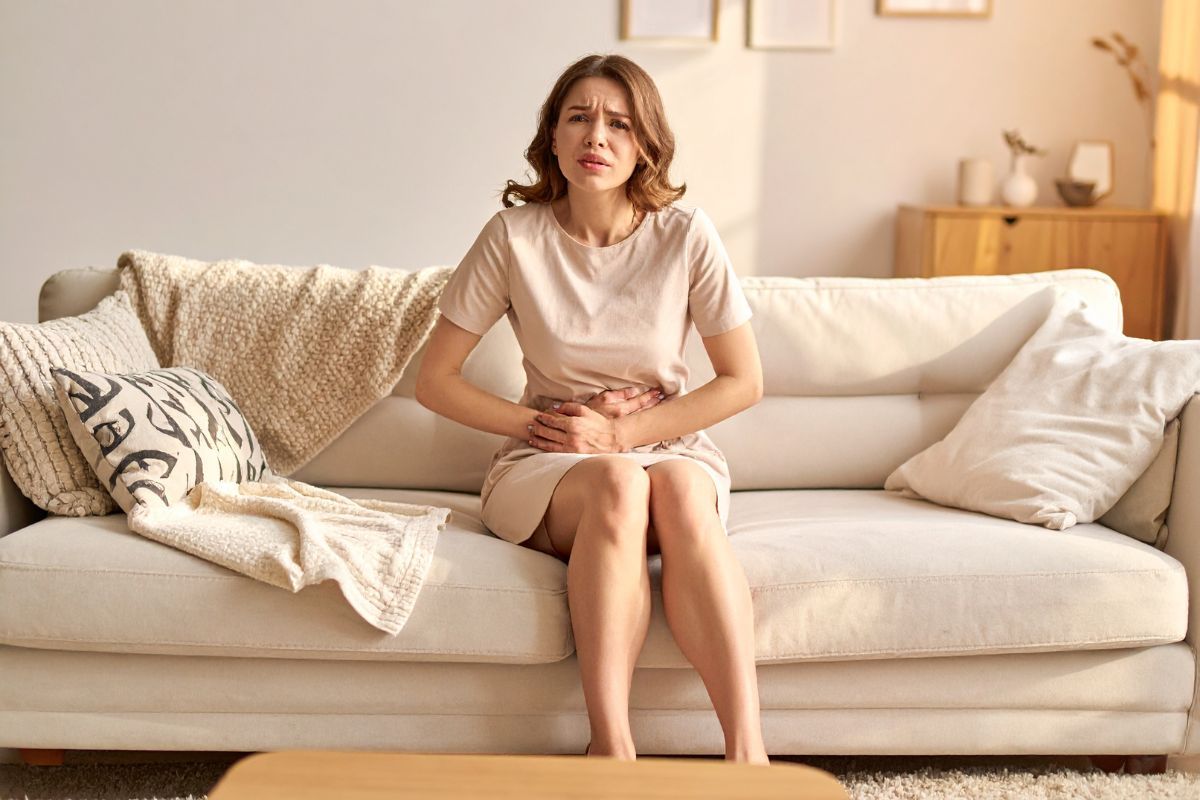
The menstrual cycle triggers a series of changes in both the female body and overall mental wellbeing. These symptoms are caused by hormonal fluctuations—mainly estrogen and progesterone—which impact the reproductive, nervous, and metabolic systems. The most characteristic symptom is menstrual bleeding, lasting 3 to 7 days, but many other complaints can accompany it. In the initial days of menstruation, typical symptoms include lower abdominal pain caused by uterine contractions expelling the lining, as well as back pain and a general feeling of heaviness in the lower body. Many women also experience digestive problems such as diarrhea, nausea, or bloating. Periods can be heavy or scanty and may include clots. Headaches, migraines, as well as general fatigue and weakness, can also occur. Hormonal fluctuations affect skin condition—some people experience acne, oily skin, and excessive sweating during menstruation. The cycle significantly affects mood and emotions. In the premenstrual phase (PMS), irritability, low mood, tears, and even depressive states are common. Fatigue and insomnia are interspersed with anxiety and irritability, reducing quality of life at this time. Many report reduced concentration, trouble remembering, and lower motivation to perform daily duties. PMS symptoms can begin several days before menstruation and include physical issues such as breast tenderness, swelling of the body (especially limbs and face), and painful joints and muscles. Water retention causes bloating—a frequent complaint. Also common are increased appetite—especially for sweets and high-energy foods—and greater hunger. Changes in libido are often observed too, with it declining during menstruation and rising around ovulation.
Menstrual cycle symptoms vary in severity depending on individual predisposition, lifestyle, and comorbidities. A common complaint, especially in the ovulatory phase, is so-called mittelschmerz—sharp, one-sided abdominal pain during ovulation. Cervical mucus also changes during ovulation—becoming clear, stretchy, and egg-white-like, helping sperm move through the reproductive tract. Many women feel better mentally, have more energy, and improved mood during ovulation. Conversely, in the luteal phase, symptoms like PMS can include blood sugar dips, leading to fatigue or drowsiness. Body temperature usually rises slightly post-ovulation, helping to date cycle phases naturally. Some women also notice increased sensitivity to smells, changes in sexual appetite, vaginal dryness, or, conversely, more discharge. Although not threatening to health, these symptoms can significantly affect everyday function. It’s important to observe your own body and, if symptoms worsen or are unusual, consult a gynecologist. Recognizing and monitoring your cycle symptoms enables better intimate health, better planning of physical, sexual, and work activities, and early detection of irregularities that may require specialist diagnosis and treatment.
Cycle length and duration of menstruation
The length of the menstrual cycle plays a key role in a woman’s intimate and hormonal health. Typically, the average cycle lasts from 21 to 35 days, with the most common around 28 days. The cycle starts on the first day of menstruation and ends just before the next period. However, both the length and regularity can vary at different life stages—cycles in teenagers are generally longer and more irregular, while in mature women, they tend to be shorter and more predictable. This natural variability depends on individual predispositions, hormone levels, lifestyle, as well as factors like body weight, diet, physical activity, stress, or chronic illness. Cycles shorter than 21 days or longer than 35, and irregular menstruation, can indicate hormonal disorders such as polycystic ovary syndrome (PCOS), hyperprolactinemia, or thyroid problems. Any deviations should be discussed with a gynecologist. Cycle length changes can also be a natural effect of puberty or impending menopause, as ovarian activity gradually decreases.
The duration of menstruation, meaning the bleeding period, is also an important aspect of women’s health monitoring. A typical period lasts 3 to 7 days, with the heaviest bleeding in the first two to three days, then steadily decreasing. Blood loss varies per individual—averaging 30 to 80 ml for the entire period, with some experiencing scanty, others heavy bleeding. Hormonal fluctuations, as well as external factors like iron-poor diet, stress, climate changes, sudden weight loss or gain, and hormonal contraception, all impact intensity and duration. Pay attention to sudden changes, such as menstruation lasting more than 7 days, very painful cycles, very rare or frequent bleeding, large clots, or abnormal discharge color (e.g., brown, gray). Persistent severe symptoms may indicate uterine fibroids, endometriosis, polyps, clotting disorders, or infections. Knowing your cycle, tracking phase lengths and bleeding character allows early detection of problems, effective diagnosis and treatment, and precise pregnancy planning or contraception monitoring. Remember, the female cycle is dynamic and may change due to lifestyle alterations, travel across time zones, or long-term medication use, but observation and regularity are key to gynecological health control.
The most common menstrual cycle disorders
Menstrual cycle disorders are among the most common gynecological problems for which women and menstruating individuals seek medical advice. They may take forms altering cycle length, regularity, intensity, or the nature of bleeding itself. The most common include: primary and secondary amenorrhea (no menstruation), irregular bleeding, overly heavy or scanty periods, painful menstruation (dysmenorrhea), and intermenstrual bleeding. Primary amenorrhea means the first period has not occurred by age 16, possibly due to developmental disorders, hormonal failure, or genetic problems. Secondary amenorrhea occurs when regular periods stop for at least three months. Causes can include chronic stress, sudden weight loss, intensive exercise, eating disorders (anorexia or bulimia), polycystic ovary syndrome (PCOS), thyroid disease, or hyperprolactinemia. Irregular cycles are common during puberty and menopause but may signal serious hormonal disturbances in reproductive age, such as PCOS, ovarian insufficiency, or hypothalamic-pituitary-ovarian axis disruptions. Symptoms include lengthening or shortening cycles, unpredictable periods, and variable bleeding intensity. Clinically, many cases of menstrual disorders have multifactorial causes involving hormonal, metabolic, and environmental factors, such as chronic stress, sleep disorders, or some medications.
Heavy menstrual bleeding (menorrhagia) is excessive blood loss lasting over 7 days or requiring frequent changes of sanitary products. This can cause anemia, weakness, and may require medical intervention. Common causes of menorrhagia are uterine fibroids, endometrial polyps, coagulation disorders, or endocrine diseases (e.g., hypothyroidism). In turn, very scanty, brief menstruations (oligomenorrhea or hypomenorrhea) may result from hormonal disorders, PCOS, premature ovarian failure, or chronic diseases. Intermenstrual bleeding (metrorrhagia) can occur, for example, mid-cycle during ovulation (ovulatory bleeding). However, these should always prompt screening for infection, polyps, endometriosis, or malignancy. Painful menstruation (dysmenorrhea)—primary appearing from first periods, or secondary developing later—may be associated with endometriosis, fibroids, anatomical abnormalities, or inflammation. Less common are anovulatory cycles, where regular ovulation does not occur, thereby hampering conception and indicating more serious hormonal disease. Environmental factors also affect the cycle, such as sudden climate change, travel, chronic fatigue, or hormonal contraception, which can regularize or disturb the rhythm. Diagnosing the cause of cycle disorders requires a detailed medical history, hormonal testing, pelvic ultrasound, and sometimes extended diagnostics. Early detection and treatment help avoid complications such as anemia, chronic pelvic pain, or fertility problems, so monitoring your own body and promptly consulting a doctor with concerns is crucial.
Intimate health and menstrual cycle tips
Women’s intimate health is inseparably linked to the menstrual cycle, so proper hygiene, body observation, and a healthy lifestyle are crucial at every stage. Increasing awareness about proper intimate care not only reduces infection risk but also helps early detection of potential hormonal disorders or reproductive system illnesses. Basic daily intimate hygiene includes washing with gentle, dedicated products—ideally without strong fragrances or harsh detergents, as these can disturb natural bacterial flora and cause irritation. Avoid excessive or insufficient hygiene and do not douche unless medically indicated. During menstruation, it’s very important to regularly change hygiene products—tampons, pads, menstrual cups, or absorbent underwear—every 3-4 hours, even with minimal bleeding. This not only prevents unpleasant odor but also limits infection risks, such as yeast infections or toxic shock syndrome (TSS). Choose breathable, natural underwear fabrics, like cotton, to minimize irritations and ensure proper ventilation. Avoid using reusable sponges or washcloths on intimate areas, as they can harbor bacteria and fungi. Intimate health is also supported by a proper diet rich in probiotics (such as natural yogurt or kefir), vegetables, fruits, and by limiting excess simple sugars and trans fats that affect hormone balance and immune system function. Additionally, regular physical activity helps maintain healthy weight, reduces stress, and eases some menstrual symptoms, like pains or premenstrual tension.
Conscious cycle management is an important health prevention step and improves everyday comfort. A key tool is keeping a cycle calendar—either in a notebook or via dedicated mobile apps. This enables regular monitoring of cycle length, ovulation symptoms, bleeding intensity, and the severity of various ailments, allowing quick response and contacting a doctor when deviations occur. Understand your symptoms and body signals: for example, determine when your fertile days are, or which ailments peak in certain phases. People suffering from pain or strong premenstrual tension can find relief using natural methods such as relaxation techniques, breathing exercises, gentle physical activity, or heating pads on the abdomen. For severe symptoms that significantly hamper everyday life, consult a gynecologist for tailored medication or diagnostic investigations. Cooperation with your doctor is also essential when choosing contraception—hormonal or mechanical—as this can not only prevent unplanned pregnancy but also affect cycle regularity and menstruation symptoms. Proper sex education, understanding the principles of safe intimacy, and regular gynecological exams, including ultrasound and Pap smear, form the foundation of effective cancer, infection, and serious reproductive disease prevention. Careful observation, listening to your body, and implementing healthy daily habits are the key to maintaining optimal intimate health throughout life.
Summary
To sum up, understanding the phases of the menstrual cycle, its duration, and typical symptoms helps better care for your health and comfort. Regular cycle monitoring allows you to recognize possible disorders and react to concerning symptoms more quickly. Although menstruation is a natural, physiological process, it’s worth observing changes in your body and consulting a gynecologist if in doubt. By looking after intimate health and maintaining proper hygiene, you can minimize discomforts and enjoy better wellbeing every day.


