

The Low FODMAP diet is one of the most effective ways to alleviate symptoms of irritable bowel syndrome (IBS) and support digestive health. In this article, you’ll learn key principles, the phases of the diet, a practical meal plan, and a list of recommended and forbidden foods, helping you take proper care of your gut.
Discover the principles and stages of the Low FODMAP diet, a meal plan, and recommended and forbidden foods for IBS. Uncover effects and tips for healthy intestines.
Table of contents
- What is the Low FODMAP Diet? Definition and Use
- Phases of the Low FODMAP Diet – Step by Step
- Allowed and Forbidden Foods on a Low FODMAP Diet
- Sample Weekly Low FODMAP Meal Plan
- What Effects Does the Low FODMAP Diet Have in IBS?
- Practical Tips and the Most Common Mistakes
What is the Low FODMAP Diet? Definition and Use
The Low FODMAP diet is a specialized eating model developed by scientists at Monash University in Australia, primarily designed for people with IBS and other functional bowel disorders. The acronym FODMAP stands for Fermentable Oligosaccharides, Disaccharides, Monosaccharides And Polyols—short-chain carbohydrates and sugar alcohols that are poorly absorbed in the small intestine for some individuals. When retained in the gut, they draw in water (osmotic action), and are then intensely fermented by colonic bacteria, which may lead to bloating, stomach pain, excessive gas, rumbling, and changes in stool consistency (diarrhea or constipation). The FODMAP group includes, among others, fructans (e.g., in wheat, rye, onion, garlic), galactans (e.g., in legumes), lactose (in milk and some dairy products), excess fructose (in certain fruits and glucose-fructose syrup), and polyols, such as sorbitol, mannitol, xylitol, and maltitol (naturally present in some fruits and many “sugar-free” products). In practice, the Low FODMAP diet is not a “miracle diet” or a trendy restriction, but a scientifically devised therapeutic tool which, through temporary restriction of specific sugars and sugar alcohols, reduces excessive gut load, limits fermentation, and relieves associated symptoms. It is mainly used in IBS-diagnosed patients but also in certain cases of SIBO (small intestinal bacterial overgrowth), non-specific inflammatory bowel diseases in remission (as symptomatic support), as well as in chronic bloating or functional diarrhea, always after consultation with a physician or dietitian—not “on your own.”
The essence of the Low FODMAP diet is not the lifelong and total elimination of all high-FODMAP foods, but a temporary, controlled reduction of their intake followed by gradual, planned reintroduction to determine your individual tolerance. The classic approach distinguishes three stages: the elimination phase, the reintroduction phase, and personalization. In the elimination phase (usually 2–6 weeks), all major sources of FODMAPs are maximally limited, replaced by foods low in these compounds. Many people experience significant symptom relief—in terms of less bloating, less abdominal pain, improved bowel habit—but this phase is short-term by definition and supervised by a specialist, to prevent nutritional deficiencies and excessive meal monotony. The next step, reintroduction, involves gradually testing various FODMAP groups (e.g., first lactose-rich foods, then fructans, polyols, etc.) in controlled amounts, closely observing symptoms. This allows you to identify which specific components are poorly tolerated and in what quantity they cause problems—crucial as most people with IBS have an individual tolerance threshold, not an intolerance to “everything.” The final phase is personalization—creating a long-term meal plan tailored to the results from reintroduction, taste preferences, lifestyle, and any other health issues (e.g., insulin resistance, celiac disease, food allergies). In this phase, the diet is no longer a “rigid list of prohibitions,” but becomes a flexible, balanced eating plan with a lower—but not zero—FODMAP content, minimizing symptoms while focusing on microbiota diversity and full nutritional coverage. The Low FODMAP diet is used not only to reduce current IBS symptoms, but also as an educational tool: it helps you understand how specific products affect your gut, teaches mindful meal planning, and increases body awareness. The application of this diet should always be part of a broader therapeutic plan, including diagnostics for other conditions, stress management, physical activity, or sleep hygiene—since IBS roots not just in what we eat, but also in how the intestines respond to nervous and hormonal stimuli. A properly conducted Low FODMAP diet is therefore not a restrictive “starvation for the gut,” but a precisely planned process, letting you regain control over symptoms while keeping as much flexibility and enjoyment in daily eating as possible.
Phases of the Low FODMAP Diet – Step by Step
Though “Low FODMAP diet” sounds like a single meal plan, it’s actually a process consisting of three distinct stages: elimination, reintroduction, and personalization. Each has different goals, rules, and challenges; understanding them significantly improves your chances of easing IBS symptoms and developing a long-term, enjoyable approach to eating. The first phase—elimination—lasts from 2 to 6 weeks and involves restricting foods high in FODMAPs to the bare minimum. It’s not a “forever diet” or a detox, but a test period to see if reducing FODMAPs provides relief. Paying close attention to labels and meal planning is key: you’ll remove, for example, wheat and rye in larger quantities, many fruits (e.g., apples, pears, mango), some vegetables (onion, garlic, cauliflower), dairy products containing lactose, honey, and sweeteners such as sorbitol or mannitol. These are replaced by low-FODMAP alternatives like rice, oats in the right portions, potatoes, carrots, zucchini, tomatoes, unripe bananas, grapes, strawberries, plant-based milks without inulin, and aged cheeses. Using the official Monash University app or up-to-date lists of Low FODMAP foods is invaluable—not just because the lists are extensive, but because the problematic nature of foods often depends on portion size (e.g., 1/3 of an avocado is high FODMAP, but 1–2 tablespoons may be tolerated). Importantly, don’t extend the elimination phase too long: the longer you’re strict, the greater the risk of deficiencies (fiber, calcium, some B vitamins) and a drop in microbiota diversity. If after 6 weeks you don’t see significant improvement, it’s worth returning to diagnostics with a dietitian and doctor rather than extending restrictions. When your symptoms clearly ease—less pain, bloating, diarrhea, or constipation—that’s your cue to move on to controlled reintroduction.
The second phase—reintroduction (testing)—is the core of the Low FODMAP diet where you gradually test your individual tolerance to specific FODMAP groups. The aim is not “to eat everything at once” but to systematically test: introduce a single FODMAP group (fructans, lactose, fructose, GOS, polyols) while keeping the rest of the diet Low FODMAP. For each group, a test food is chosen, e.g., wheat bread or onion for fructans, cow’s milk for lactose, honey or mango for fructose, canned chickpeas for GOS, and for polyols, e.g., plums or cauliflower. Usually, each test lasts 3 days: on day one you eat a small portion, day two a medium one, and day three a large one, observing your body’s reaction and recording it in a symptom diary. If there is a significant flare-up (pain, bloating, diarrhea, urgent bowel movements), it indicates a lower tolerance—usually you return to the basic safe diet for a few days, let your gut calm down, and start the next test at a lower dose or with a different food from the same group. This requires patience and discipline but provides knowledge no general guideline can offer—you may find, for instance, that even small amounts of lactose cause you symptoms, but moderate amounts of wheat are well-tolerated, or that the main problem is polyols but not fructose. After testing the main FODMAP groups, the third phase is personalization. At this stage, you abandon the “rigid” Low FODMAP diet in favor of a flexible, long-term eating model based on your reintroduction results. Together with your dietitian, you set a list of well-tolerated foods (for regular consumption), foods allowed in small portions, and foods to be limited or kept for special occasions. In practice, personalization means gradually relaxing restrictions, making your diet as varied as possible and rich in fiber, vegetables, fruit, and whole grain carbohydrates—but still gut-friendly. This is a good time to consciously reintroduce legumes, whole grains, fermented and allium vegetables if you passed the tests since they fuel beneficial gut bacteria. At this stage, you consider not only IBS, but also other health problems (e.g., reflux, SIBO, food intolerances, thyroid disease), lifestyle, taste preferences, and finances. The result of well-run personalization is your version of Low FODMAP—not a rigid “forbidden list,” but a flexible, easy-to-follow meal plan in which you know your symptom triggers, understand when you can be more liberal, and how to return to a gentler diet after flare-ups, travel, or stressful periods.
Allowed and Forbidden Foods on a Low FODMAP Diet
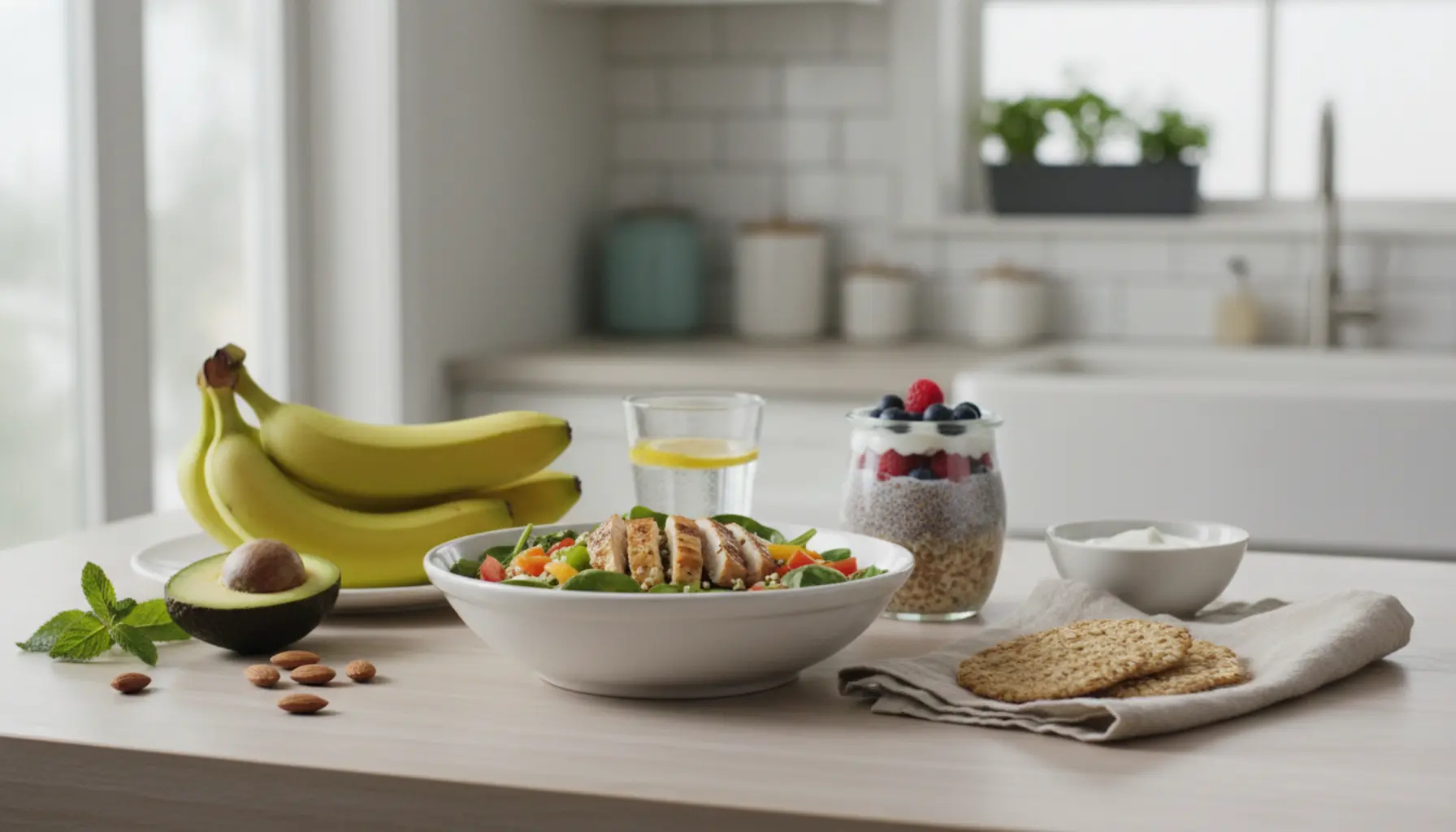
The Low FODMAP diet is not about simply dividing foods into “healthy” and “unhealthy,” but about controlling the quantity of certain carbohydrates per serving. In practice, many foods are allowed in small amounts but become problematic in larger portions. Foods generally considered low in FODMAPs and safe during the elimination phase include gluten-free or low-FODMAP grains: white and brown rice, quinoa, oats (in moderate amounts), millet, raw buckwheat, rice noodles, and gluten-free bread made with rice, corn, or oat flour (without inulin, chickpea flour, etc.). Protein sources suitable for most people with IBS include eggs, plain and firm tofu, tempeh, fish (e.g., cod, salmon, trout), seafood, poultry (chicken, turkey), and lean red meat without flavorings or marinades containing garlic or onion. The Low FODMAP diet can include limited amounts of legumes with reduced FODMAP content, such as canned chickpeas or lentils (well rinsed), but portion size is crucial here. Among dairy products, choose lactose-free options: lactose-free milk, yogurt and kefir, hard cheeses (e.g., cheddar, parmesan, gouda), aged cheeses, butter, and a small amount of lactose-free cream for cooking; plant-based drinks such as rice, oat (without high FODMAP additives), or almond milk can also be appropriate alternatives. For vegetables, the elimination phase recommends carrots, zucchini, cucumber, eggplant, bell pepper, potatoes, sweet potatoes in limited portion, tomatoes, lettuce, arugula, spinach, chard, sprouts, radish, appropriate quantities of butternut squash, and small amounts of celery. Low-FODMAP fruits include unripe bananas, blueberries, strawberries, raspberries, kiwi, oranges, tangerines, grapes, pineapple, cantaloupe, and small servings of melon; here, too, portion size and avoiding combinations of multiple high-fructose fruits at once are key. Fats such as olive oil, rapeseed oil, coconut oil, clarified butter, as well as nuts and seeds (in moderate amounts, e.g., walnuts, pecans, macadamia, pumpkin seeds, sunflower seeds, flaxseed, chia) are generally well-tolerated, as long as there are no high-FODMAP additives. Allowed flavorings include fresh and dried herbs (basil, oregano, thyme, rosemary, dill, parsley), single-ingredient spices, salt, pepper, ginger, turmeric, chives, and the green parts of spring onions. Notably, although fresh onion and garlic are major sources of FODMAPs, their flavor can be infused by using garlic or onion oil (garlic/onion is removed so FODMAPs don’t migrate to the oil), which makes it much easier to cook tasty dishes. The allowed beverages category includes water, sparkling water, black, green, peppermint, and ginger tea, as well as black coffee or coffee with lactose-free or plant-based milk; sweeteners should be limited to small amounts of regular sugar or maple syrup, avoiding polyol-based sweeteners.
Forbidden or significantly restricted foods in the strict Low FODMAP phase primarily include grains and grain products high in fructans and GOS such as wheat, rye, and barley in standard servings, requiring avoidance of conventional wheat bread, pasta, most breakfast cereals, rolls, cakes, cookies, and many breaded items. In the vegetable group, problematic options include onion (white, red, shallot), garlic, leek (white part), cauliflower, broccoli in large portions, Brussels sprouts, Savoy and head cabbage, artichokes, excess beetroot, asparagus, green peas and sugar snap peas—these are top bloating and gas triggers in IBS. High-FODMAP fruits mainly include apples, pears, mango, watermelon, cherries, plums, peaches, nectarines, dried fruits (raisins, apricots, dates, prunes), fruit juices (especially from concentrate), and smoothies containing several kinds of fruit at once. Dairy products containing lactose—regular milk, yogurt, kefir, cottage cheese, cream, and ice cream—can exacerbate symptoms, although some people tolerate lactose quite well, making full elimination unnecessary; this is something to be tested precisely in the reintroduction phase. Particular attention should also be paid to legumes: dried chickpeas, white, red or black beans, peas, and lentils in typical servings are high in GOS and often cause bloating, so they are usually excluded or included in minimal processed forms (e.g., canned) in the first diet stage. Some commonly surprising products are polyol sweeteners, found in sugar-free gum, candies, “light” or “sugar-free” products: sorbitol, mannitol, xylitol, maltitol, isomalt, and others are strong FODMAPs and may cause diarrhea, gas, and abdominal pain, especially in excess. It’s also worth avoiding honey, agave syrup, high-fructose corn syrup, and products where fructose exceeds glucose. Reading ingredient labels becomes a crucial skill: ingredients such as inulin, chicory, apple or pear juice concentrate, chickpea flour, legume-based protein concentrates, or “vegetable fiber” might mean hidden FODMAPs in apparently safe products like “fitness” bars, breads, protein yogurts, or supplements. In terms of drinks, sweet sodas, energy drinks, excessive alcohol (especially beer due to barley and sweet cocktails with juice and liqueurs), and popular flavored coffees with syrups are usually limited. Importantly, the lists of allowed and forbidden foods are not universal for life—in later diet stages, some “forbidden” items may prove tolerable in small amounts, and even typically Low FODMAP foods may cause trouble for certain people, especially with abnormal bowel motility or coexisting diseases. This is why individualized guidance, using up-to-date lists from Monash University or other reputable sources, and ideally collaboration with a dietitian, is crucial to help translate the general rules into practical daily food choices.
Sample Weekly Low FODMAP Meal Plan
A sample Low FODMAP meal plan should combine practicality with variety so that FODMAP limitation doesn’t mean monotony or dietary deficiencies. The following weekly plan is mainly suited for the elimination phase, thus relying on foods low in FODMAPs in portions considered safe by current guidelines (e.g., Monash University). The meal plan should be seen as inspiration, not a rigid “must-follow” list—you can swap meals between days, adjust meal times and portion sizes to your weight, activity level, and personal tastes. It’s crucial to control both ingredients and portion size: even low-FODMAP foods can trigger symptoms in excess. For example, use about 40 g of dry oats for porridge, and aim for 60–75 g of dry rice per meal. Monday might look like this: for breakfast, porridge using lactose-free milk or oat drink (without inulin), topped with banana slices, a few strawberries, and a tablespoon of chia seeds; for second breakfast, a quinoa salad with baby spinach, tomato, seedless cucumber, olive oil, lemon juice, and slices of aged cheese (e.g., parmesan); lunch—herb-roasted chicken breast (no garlic powder), served with baked potatoes and carrots, plus a small portion of green string beans; afternoon snack can be an orange or kiwi, and dinner—two-egg omelette with chives, spinach, tomato slices, and a slice of Low FODMAP gluten-free bread. Tuesday’s breakfast might be sandwiches with spelt bread (Low FODMAP variety) or gluten-free bread, butter, sliced turkey breast, lettuce, cucumber, and radish; for second breakfast, lactose-free yogurt with a handful of blueberries and a few walnuts; lunch—baked salmon fillet with lemon, dill, and olive oil, served with basmati rice and a medley of vegetables: carrot, eggplant, and zucchini shortly fried in little oil; afternoon snack—melon or pineapple slices, and dinner—a hard-boiled egg salad with iceberg lettuce, cucumber, tomato, olive oil, and parsley; served with baked potatoes or Low FODMAP bread.
Wednesday can start sweet: rice flour and egg pancakes fried in a bit of oil, served with lactose-free cottage cheese and strawberries or a little maple syrup; as a second breakfast, choose a handful of grapes (control the portion!) and a few almonds; for lunch, turkey stew made with homemade broth (no onion or garlic, though garlic oil—safe—is allowed), carrot, parsley root, and potato pieces, served with millet; for afternoon snack, a smoothie made from kale, kiwi, a bit of banana, and water or plant drink, and for dinner—baked cod with herbs, mashed potatoes (with lactose-free milk), and cooked carrots. Thursday may open with scrambled eggs from two eggs in clarified butter with chives and tomato slices, served with one or two rice cakes; as second breakfast—a fruit salad of strawberries, kiwi, and blueberries; for lunch—fried duck breast (or leaner meats, e.g., chicken) with an orange sauce (from fresh juice), served with pumpkin puree and a portion of green vegetables such as string beans; snack on a small portion of pecans and a tangerine, and for dinner—quinoa salad with arugula, tomato, cucumber, olive oil, and aged sheep’s cheese. On Friday, have “overnight oats” for breakfast—oats soaked in lactose-free milk with strawberries and chia seeds; a protein shake from a polyol-free supplement, lactose-free milk, and a handful of raspberries as second breakfast; lunch—gluten-free pasta with tomato sauce (no onion or garlic, but with olive oil, basil, oregano, carrot, zucchini) and grilled chicken breast; for snack, a slice of hard cheese and several grapes, and for dinner—a tuna salad (in its own juice) with lettuce, tomato, cucumber, hard-boiled egg, dressed in olive oil and lemon juice, and Low FODMAP bread. The weekend is a good opportunity to get flexible and test new dishes within the allowed ingredient range. On Saturday, breakfast can be an omelette with zucchini and aged cow-milk feta (low in lactose), with tomato; second breakfast—kiwi and nuts; lunch—baked skinless chicken thigh, potatoes, and celery stem roasted in the oven and a simple iceberg lettuce and olive oil salad; snack—a small cup of lactose-free yogurt with blueberries, and for dinner—rice fried with carrot, canned green peas (Low FODMAP in proper portion), and egg. On Sunday, try a more “festive” menu: breakfast—gluten-free toasts with 100% peanut butter and banana slices (portion controlled), second breakfast—fresh orange juice and some strawberries, lunch—baked fish (e.g., zander) with jasmine rice and oven-roasted vegetables (carrot, eggplant, zucchini, red pepper), for snack—chia dessert made on lactose-free milk with berries, and for dinner—a salad of roast turkey, arugula, cucumber, tomato, some walnuts, and olive oil dressing. When using such a meal plan, remember to individualize—if you know you poorly tolerate a particular product, even one considered Low FODMAP, swap it for a similar one from the same group (e.g., orange instead of kiwi, rice or millet instead of quinoa), keeping variety, adequate protein, healthy fats, and fiber from tolerated sources in mind.
What Effects Does the Low FODMAP Diet Have in IBS?
The Low FODMAP diet is among the most thoroughly researched nutritional interventions for irritable bowel syndrome, and many scientific reports state that it leads to marked alleviation of symptoms in 50–80% of patients. The most commonly observed effects are reduced bloating, a less “ballooned” belly, decreased gurgling and flatulence, and relief from abdominal pain, for many IBS patients the most bothersome symptom. Limiting fermentable carbohydrates means less gas is produced in the colon, and water levels in the gut stabilize—a key mechanism behind symptom improvement. For those with diarrhea-predominant IBS (IBS-D), bowel movements often become fewer and less urgent, making daily life, work, and travel easier. For constipation-predominant cases (IBS-C), effects are more variable—some feel clear improvement; others need added effort on fluids, soluble fiber, and exercise. A characteristic effect, frequently mentioned by patients, is a “calmer belly”: less meal-related sensitivity, weaker post-meal stress reactions, and greater predictability in bowel function throughout the day. Importantly, for many the improvement begins within the first 1–2 weeks of elimination, though the full benefits are usually recognized after 4–6 weeks. Reduced digestive symptoms also enhance quality of life: it’s easier to plan outings, social visits, and travels, you regain freedom at work, and there’s less fear of sudden pain or diarrhea. Studies show that people on a successful Low FODMAP diet declare fewer “out of action” days and higher productivity. Another important (but often overlooked) effect is improved sleep—less abdominal pain and fewer nocturnal bathroom trips make sleep deeper and more restorative, further boosting well-being. The Low FODMAP diet may also reduce anxiety about eating—patients understand which products are “safe” and which require caution, lessening the sense of chaos and helplessness regarding symptoms.
It’s crucial to note that the effects of the Low FODMAP diet go beyond immediate digestive comfort, encompassing changed relationships with food and deeper bodily awareness. Thanks to reintroduction and personalization, many people with IBS for the first time “calmly” observe how they respond to specific groups, moving away from needless, radical elimination of entire food categories. The long-term aim is to build as wide and diverse a diet as possible with minimal symptoms, not lifelong strict restriction. This is especially relevant for the gut microbiota: a short, well-planned elimination phase shouldn’t disturb it much, but chronic, unmonitored FODMAP restriction may diminish the diversity of beneficial bacteria. Thus, one of the key “side effects” of a well-run Low FODMAP diet is greater awareness of the role of soluble fiber, probiotic and prebiotic foods, and a gradual “rebuilding” of your diet. Not everyone responds to Low FODMAP the same way—if your symptoms are actually driven by histamine intolerance, SIBO, celiac disease, inflammatory bowel disease, or strong psychological factors (high anxiety, chronic stress), changing diet alone might not be enough. In such cases, Low FODMAP is only one therapeutic element, paired, for example, with medication, psycho-nutrition therapy, relaxation techniques, or physical activity support. From a practical angle, undergoing the Low FODMAP diet with a dietitian’s guidance helps limit deficiency risks (e.g., calcium, iron, B vitamins) and the diet doesn’t have to cause weight loss unless intended—it can be balanced to maintain or even improve nutritional status. Many studies show no significant negative changes to blood biochemistry during short-term, well-planned diet use. That said, some patients initially report an increased organizational burden (planning meals, reading labels, limited “eating out” options), but this usually lessens as you learn safe products, ready-to-use solutions, and how to use meal rotations. Lastly, for many people, an important effect is just feeling back in control of their health—realizing that proven nutrition changes can genuinely ease IBS symptoms, rather than passively enduring them for years.
Practical Tips and the Most Common Mistakes
The Low FODMAP diet may seem complicated at first glance, but in practice, good preparation and consistency are key. Before you start, consult a dietitian familiar with the Low FODMAP protocol to tailor the plan to your health, body weight, activity level, and any existing conditions (e.g., celiac disease, reflux, histamine intolerance). It’s also helpful to install the Monash University app or another reliable tool updating product lists and portion sizes in real-time—online paper lists become outdated quickly. Before starting elimination, carefully review your pantry and fridge, list your most-used high-FODMAP products (e.g., wheat bread, onion, garlic, regular yogurt, apples), and plan suitable low-FODMAP substitutes. Build a “base” of simple, repeatable meals (e.g., lactose-free milk porridge with strawberries, rice with low-FODMAP vegetables and chicken, salads with cucumber, tomato, suitable dressing) for fallback on stressful days. Planning is paramount during elimination—write a meal plan for at least 4–7 days, make a specific shopping list, and cook 2–3 days ahead to avoid being left hungry and reaching for random high-FODMAP items. Batch-cook larger portions of grains, rice, quinoa, roasted meats, and Low FODMAP vegetables, and portion them into containers for the next days, making it easy to take food to work or school. Remember, Low FODMAP is about quantity—the same foods can be fine in small amounts and problematic when eaten in excess; use home measures (tablespoon, cup, handful) and if necessary, use a kitchen scale during the first weeks to better estimate portion sizes. In daily life, change “one thing at a time”—adapt your diet gradually; swapping out every meal at once can itself flare gut symptoms. Don’t neglect hydration: water, herbal teas (like peppermint or chamomile), as well as tea or coffee (no lactose milk or syrups), support gut function, but with IBS-D avoid too much caffeine, which can worsen diarrhea. When going out, keep Low FODMAP “emergency” snacks handy—e.g., a handful of walnuts or pecans, a medium-ripe banana, a portion of grapes, plain rice cakes, or a simple nut & rice syrup bar (always check labels). At home, use “Low FODMAP tricks”: you can use garlic or onion oil (FODMAPs don’t dissolve in fat, so oil is safe), but actual onion and garlic are forbidden in the elimination phase—use chives, parsley, the green part of leeks, ginger, or dried spices without added garlic/onion instead. When eating out, pick simple dishes, e.g., grilled meat or fish, rice, potatoes, salad without dressing (substitute with olive oil and lemon juice), and don’t hesitate to ask staff about sauces, marinades, and if items contain onion, garlic, honey, or sweeteners; the simpler the dish, the easier it is to tell if it fits. Keeping a symptom diary is also crucial—note what and when you eat, and what symptoms arise within 24–48 hours so you can later analyze patterns with your dietitian. During stress, IBS flare-ups, or menstruation (in women), symptoms may intensify regardless of diet, so don’t interpret every issue as “proof” a specific food is harmful; look for weekly trends rather than reacting to single days.
The most common Low FODMAP mistakes stem from lack of knowledge, rushing, or unsupervised experimenting. The most serious one is treating the elimination phase as a life-long plan—chronic, restrictive avoidance of many food groups reduces gut microbiota variety, risks deficiencies in fiber, calcium, iron, zinc, or certain B vitamins, and can foster food anxiety or overcontrol. Another common problem is excluding whole food groups (e.g., all grains, all fruit, all dairy), even though within those there are many Low FODMAP options—many IBS sufferers switch to an extremely monotonous rice-and-chicken diet, which may ease symptoms short-term but is unhealthy, unsustainable, and socially isolating if continued. Many overestimate the sole role of FODMAPs, forgetting other factors: very fatty, heavy meals, alcohol, excess caffeine, large hurried meals, lack of sleep, little movement, and high stress all worsen IBS—so even when eating Low FODMAP, huge portions of fried food before bed may prevent improvement. Another mistake is assuming “gluten-free” products are always Low FODMAP—many contain inulin, chicory, apple concentrate, honey, or polyols (sorbitol, mannitol, xylitol), all high in FODMAPs despite no gluten. Protein bars, “fit” yogurts, and sugar-free gums often contain polyol sweeteners—potent triggers. Low FODMAP dieters often neglect the crucial role of fiber: out of fear, they minimize vegetables, fruit, and whole grains, worsening constipation and gut function; the solution is to consciously choose low-FODMAP fiber sources (e.g., oats, quinoa, carrots, tomatoes, kiwi, grapes, small amounts of chia seeds) and gradually increase consumption. It’s also a mistake to rush into reintroduction or test several FODMAP groups at once—if you try fructans, lactose, and fructose together, you won’t know which triggers symptoms; each test phase should last several days, and between tests, return to the elimination meal plan to “zero out” symptoms. Others make the elimination phase too short (just a few days) and assume the diet “doesn’t work”—but the gut usually needs at least two weeks of stable eating for objective assessment. Psychologically, perfectionism is a typical error: believing a single deviation (e.g., a piece of birthday cake) ruins the whole diet. In reality, overall habits matter far more than occasional slip-ups. Overly strict, fearful approaches increase stress, which itself worsens IBS, creating a vicious circle. It’s better to treat Low FODMAP as a diagnostic–therapeutic tool, not a rigid prohibition—be flexible in social settings, don’t be ashamed to ask about ingredients, but learn that a small serving of a problematic food doesn’t always mean a severe flare-up. Don’t neglect physical activity or stress management (breathing exercises, yoga, walks, cognitive-behavioral therapy)—often, disappointments occur due to lack of work in these areas despite a well-run diet. If, despite following Low FODMAP, your symptoms are very severe, change suddenly, or there is blood in stool, sudden weight loss, fever, or severe pain, don’t try to “tighten” the diet further—seek urgent medical advice since IBS is a diagnosis of exclusion and warning symptoms may signal another gut condition.
Summary
The Low FODMAP diet is a proven way to relieve Irritable Bowel Syndrome (IBS) symptoms and improve the quality of life for people with digestive issues. Starting with the elimination of high-FODMAP foods, you go through distinct phases and gain the ability to tailor your meal plan to suit your individual needs. With the provided tips and sample meal plan, you can incorporate the diet into your daily menu more easily, maximizing your chance for gut relief as well as observable effects such as reduced bloating, stomach pain, and other IBS symptoms.


