

Learn how to accept life with a stoma, overcome fear, and build comfort and joy in everyday life. Advice, support, and practical tips.
Table of Contents
- Stoma – What It Is and When It Is Necessary
- Emotions After Surgery – How to Deal with Fear
- Acceptance Process and Return to Everyday Life
- Stoma Care – The Key to Quality of Life
- Psychological and Social Support for People with a Stoma
- Diet, Activity, and Joy of Life After Stoma Creation
Stoma – What It Is and When It Is Necessary
A stoma is a surgically created connection between the inside of the body and its surface, which makes it possible to expel intestinal content or urine outside, bypassing the natural pathway. A stoma is most commonly associated with an opening of the large or small intestine, but urostomies—bringing out the ureters—are also encountered. Depending on the location, there are three main types of stoma: colostomy (from the large intestine), ileostomy (from the small intestine), and the aforementioned urostomy (from the urinary tract). Each serves a vital function, enabling the body to function properly when natural excretion routes are blocked or destroyed for various reasons. A stoma is not just a medical procedure—above all, it is a life-saving solution, often crucial for a patient’s survival. The creation of a stoma is always the result of a serious medical decision, justified by health conditions, illnesses, or trauma. Constructing a stoma requires great precision and an individual approach, aiming for the best adjustment of its location to the person’s lifestyle, physical condition, and needs. Though seemingly simple, this procedure triggers profound changes—physical, psychological, and social.
Indications for stoma creation cover a wide spectrum of cases. The most frequent are various gastrointestinal issues such as colorectal and rectal cancer, ulcerative colitis, Crohn’s disease, or severe injury and postoperative complications that prevent the digestive tract’s continuity. Sometimes, a stoma is needed only temporarily (a so-called temporary stoma) to allow healing and recovery in the operated area—this is often applied after major bowel surgery or tumor removal. In other situations, the solution is permanent and irreversible, especially if the disease is extensive or an entire organ (such as the rectum or bladder) has been removed. A stoma often restores people’s ability to live a relatively normal life, where medical alternatives would involve a risk of complications, chronic pain, or significant reduction in quality of life. An important factor in the stoma decision is its impact on the patient’s daily functioning—stoma nurses and doctors help prepare both the patient and their family for the changes by teaching daily care, stoma equipment handling, and discussing hygiene, diet, physical activity, and social relations. It’s important to stress that having a stoma is not a verdict that ends one’s previous life—proper medical care, modern technology, and psychological support make it possible for stoma patients to lead active, fulfilling lives, pursue their plans and passions, and even return to work or sports.
Emotions After Surgery – How to Deal with Fear
The sudden necessity to have a stoma and undergo surgery triggers intense emotions, with fear being particularly dominant. Immediately after the procedure, patients often face uncertainty about the future, a sense of helplessness, and fear of the unknown—both in terms of physical appearance and daily functioning. Many people experience strong stress related to changes in their body, fearing reactions from loved ones, social rejection, or the limits seemingly imposed by this new health situation. It is natural to wonder after surgery: “Will I manage to care for my stoma?”, “How will my surroundings react?”, “Can I continue doing what I loved?” Fear of pain, complications, or unpleasant odors further elevates anxiety. A crucial part of coping with these emotions is allowing enough time to adapt to the changes, including acceptance of one’s fears and vulnerabilities. It’s vital to permit oneself to experience the full spectrum of emotions—sadness, grief, anger, or frustration. Each is justified and plays an adaptive role. Many patients benefit from regular conversations with loved ones, expressing their emotions, and honest communication with healthcare staff and therapists who can answer questions regarding life with a stoma and provide emotional support.
Overcoming fear after stoma surgery requires conscious engagement and the use of available support tools. First, seek reliable knowledge—the more the patient learns about their situation, care, and possibilities, the less space there is for fear born out of ignorance. Education gives a sense of agency and helps regain control over reality. The second key to managing stress is actively seeking support—conversations with psychologists, participation in support groups, or contact with others who have had similar experiences work not only as reassurance, but also offer practical tips for common difficulties and solutions. The support of loved ones, friends, or family is vital—do not be ashamed to ask for help, to share your feelings and doubts. Remember the power of daily rituals and small goals: focusing on activities that bring a sense of normalcy and satisfaction helps neutralize initial fear and gradually regain a sense of control over your life. Some also benefit from proven relaxation techniques like meditation, breathing exercises, or physical activity tailored to current abilities. All of these help reduce tension and facilitate acceptance. The process of managing emotions after stoma surgery is always individual—we differ in sensitivity, experience, and expectations, so it is important to be understanding and patient with yourself. Collaboration with medical staff, patient education, and psychological support are fundamental to combating fear, ensuring a gradual return to a life full of self-worth and security.
Acceptance Process and Return to Everyday Life
The acceptance of life with a stoma is neither linear nor quick; it relies on gradual adaptation to new realities and seeking a sense of security in daily activities. At the outset, understanding one’s emotions is crucial—most stoma surgery patients go through phases of shock, denial, rebellion, sadness, and finally, acceptance. Each has its place and is a natural reaction to a major life change. Support from loved ones, healthcare providers, and psychologists can greatly ease this process, and regular conversation and sharing worries help relieve isolation. Breaking mental barriers often requires gaining knowledge and practical skills in using stoma equipment—mastering daily care, learning about various types of bags and accessories, and knowing how to prevent skin irritation help stoma patients regain control over their bodies. Individual pace of recovery is important—some adapt in weeks, others take months or years. Allow yourself to have bad days and avoid comparisons to others. Being open with oneself is key to lasting acceptance, and early successes—such as independently changing a stoma bag or taking a walk—become motivation for further progress. Conversations with other stoma patients, both personally and in support groups, also play a huge role, offering a chance to exchange experiences and observations and feel understood. Such communities provide not only practical advice but also hope for a meaningful, joyful life despite a difficult beginning.
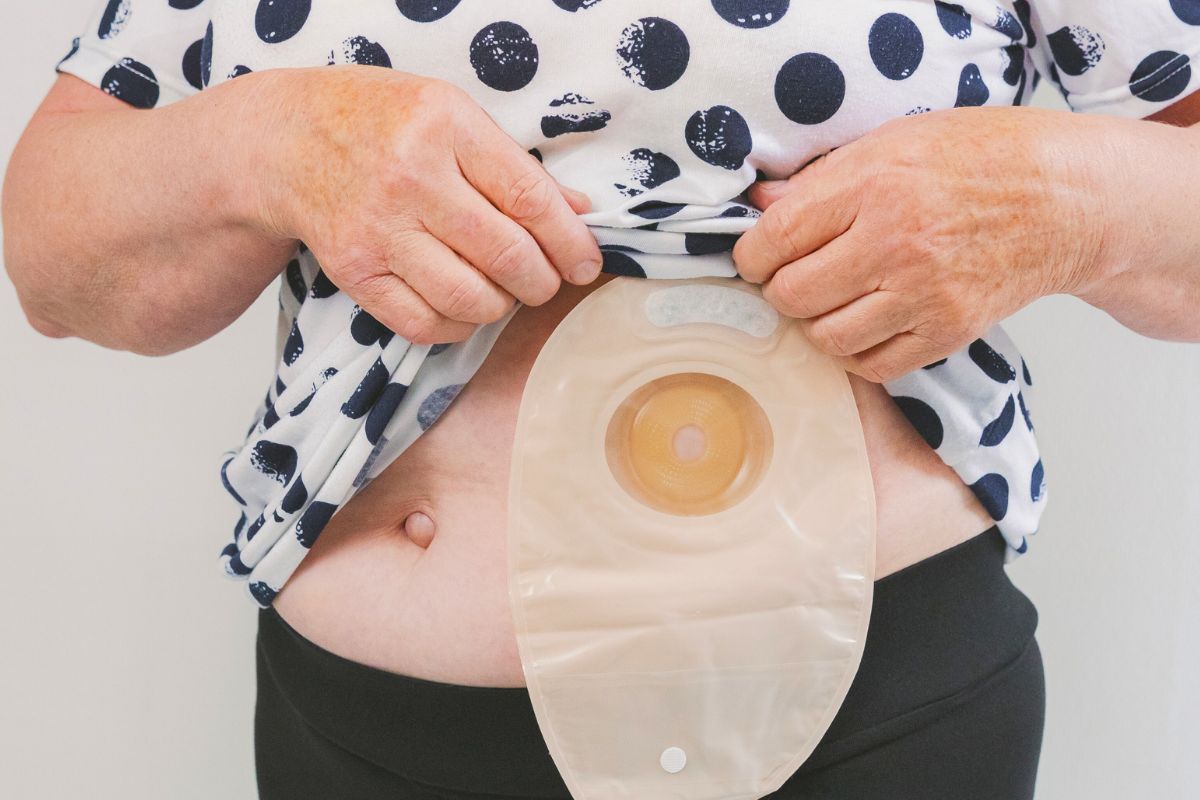
Returning to everyday life requires not just physical adaptation, but mainly the rediscovery of psychological and social balance. It’s important to gradually resume daily tasks, return to interests, work, or school, and maintain physical activity suited to one’s abilities. Thanks to advances in stoma equipment and growing social awareness, people after surgery can live almost as they did before—travel, engage in sports, meet friends, and pursue dreams. Another critical aspect is open conversation about the stoma with trusted people, partners, and children, breaking the taboo and fostering openness in relationships. Getting used to the new situation may also require dietary changes, new routine care steps, or planning the day to include bag changing needs. Many find it helpful to keep a journal of progress, questions, and observations. Building a positive narrative around your experiences is key—treating the stoma not as an obstacle but a challenge to overcome. When difficulties arise, seek help from a psychologist or therapist, as well as educate those close to you to facilitate acceptance both psychologically and socially. Surpassing daily milestones—returning to work, taking a holiday, or attending family gatherings—frees you from initial fears and builds self-worth. The key is to practice patience, openness to new experiences, and appreciate small achievements, which over time lead to a fulfilling everyday life—free from fear, full of a sense of control and renewed joy.
Stoma Care – The Key to Quality of Life
Stoma care is one of the most important aspects of daily life for people after such surgery. Proper care not only provides physical comfort but also boosts a sense of security, self-confidence, and freedom. Crucially, stoma care should be regular, systematic, and based on knowledge acquired from medical staff, guides, or support groups. The first step to effective care is choosing the right stoma equipment—pouches, baseplates, clips, and care products matched to individual needs. Modern technologies offer discreet and ergonomic systems which minimize the risk of leaks and skin irritation. It’s vital for those with a stoma to learn how to properly attach, change, and remove pouches, always maintaining maximum hygiene. Hands should be washed thoroughly before each change, all materials prepared in advance, and a clean environment chosen to prevent infection and complications. Clean the area with gentle, unscented cleansers or warm water, avoiding rough sponges, irritating substances, and excessive rubbing which may damage the delicate skin around the stoma. Regular skin checks help detect redness, abrasion, or symptoms of infection early, allowing intervention before they develop into serious problems. Protecting the peristomal skin is another foundation of comfort—specialized creams or barrier sprays can be used to create a protective layer against bodily fluids.
Equally important is education on everyday challenges such as preventing unpleasant odors, leaks, or chafing. Using odor-neutralizing products and the right pouches—such as those with filters or a snug fit—allows stoma users to socialize and participate in community life freely. Stoma care should match a patient’s lifestyle—physically active people can choose accessories that offer greater stability during intense movement, making sports and travel possible. Regular pouch changes and observing for signs of material intolerance or allergic reactions is key—quick action can prevent many complications that would otherwise worsen life quality. Stoma care extends beyond the site itself—general principles of a healthy lifestyle matter, such as a balanced diet, good hydration, and supporting immunity, all of which foster skin healing and prevent inflammation. Support from stoma nurses, health educators, and fellow stoma users deepens both practical and emotional understanding of care. Over time, care becomes easier and more intuitive, allowing the patient to focus on their passions and activities, without letting the stoma limit them. This sums up quality of life with a stoma—proper care is the basis for health, good mental condition, and active participation in daily routine.
Psychological and Social Support for People with a Stoma
Living with a stoma involves not only physical change but also a huge psychological and social challenge which affects many aspects of daily functioning. Overcoming initial fear and stress often requires using various forms of psychological support—from professionals, loved ones, or the stoma community. In the first weeks after surgery, patients often feel down, worry about their body image, and experience social isolation caused by embarrassment or withdrawal. Clinical psychologists or psycho-oncologists specialized in post-surgical care play a key role in adaptation—helping patients process trauma related to body loss, conducting individual or group therapy, and teaching stress reduction techniques. It is important that patients receive accurate education about changes in their body, which helps them understand their emotional response and builds a sense of control. Regular sessions with a psychologist, especially early after surgery, ease the expression of difficult emotions such as anger, fear, or guilt, and teach how to build positive self-esteem, shifting from a patient to an active participant in their recovery.
Equally crucial as professional psychological care is social support, which directly affects the quality of life and return to daily functioning. Loved ones—partners, family, friends—should take part in the adaptation process through active listening, shown understanding, and helping solve everyday challenges. Open communication about fears and needs strengthens bonds and helps overcome loneliness. Support groups of stoma users are particularly helpful; they facilitate sharing experiences, exchanging practical advice, and discussing challenges and worries—whether locally or online, i.e., forums, private social media groups, and stoma-dedicated websites. Participating in these initiatives fosters a sense of belonging, boosts motivation, and eases access to proven information about both care and coping with emotional aspects. Often joint activities with NGOs or foundations are vital, offering free psychological consultations, workshops, webinars, and events that integrate the community. Leaving social isolation, consistently building self-confidence, and returning to work or social life—thanks to openness to support and understanding from others—become real, and stoma patients can regain self-respect and a sense of control over their lives.
Diet, Activity, and Joy of Life After Stoma Creation
Having a stoma raises many questions about lifestyle, especially in terms of diet, physical activity, and how to regain and nurture joy each day. A proper diet plays a fundamental role in a stoma patient’s life, affecting well-being, digestion, and comfort at home or outside. The diet should be individualized, depending on the stoma type—colostomy, ileostomy, or urostomy—and the recommendations of medical personnel. In the early post-surgery period, it is advised to eat easily digestible meals, avoid heavy foods, and gradually introduce new items while observing bodily reactions. Meal regularity and thorough chewing help prevent issues like bloating, indigestion, or stoma blockage. Usually, reduced intake of gas and odor-producing products—like cabbage, onion, legumes, or carbonated beverages—is recommended. Stoma users should also drink enough fluids, especially ileostomy patients, who are at greater risk of dehydration due to lost electrolytes. Keeping a food diary helps monitor reactions and identify problems to consult with a dietitian. Over time, most patients can return to moderate consumption of favorite foods and, if in doubt, consult specialists.
Physical activity after stoma creation, though it may initially seem daunting, is crucial for regaining fitness and a sense of normalcy. Exercise benefits overall health, the digestive system, well-being, and reduces stress. Start physical activity gradually, according to the doctor’s or physiotherapist’s advice, who can help select suitable exercises and ensure stoma safety. Walks, light stretching, and breathing exercises are recommended initially. Once healed, one can slowly return to more vigorous activities, such as Nordic walking, cycling, and even swimming, provided proper stoma protection is used. Wearing dedicated underwear or stoma belts during exercise minimizes the risk of damaging the pouch and ensures comfort. Many stoma patients successfully return to sports and hobbies, while being active outside the home helps break down mental barriers and build self-esteem and agency. Equally important is cultivating daily joy and engaging in activities that boost psychological well-being. For many, having a stoma marks a new chapter—discovering new passions, returning to social and professional life. A positive mindset and appreciating small victories help reclaim purpose and value. Regular movement, healthy eating, and resuming favorite activities build integrated joy in life and boost both physical and emotional resilience to challenges inherent to living with a stoma.
Summary
Life with a stoma is a new beginning, often accompanied initially by many worries and emotions. The key is gaining knowledge about the stoma, conscious care, and an open approach to your body and life. Over time, accepting this new situation becomes easier, and psychological and social support helps overcome fear and return to passions, daily activities, and joy. Proper diet, activity, and connection with other stoma patients allow for full adaptation and satisfaction with life—even after such a major change.


