
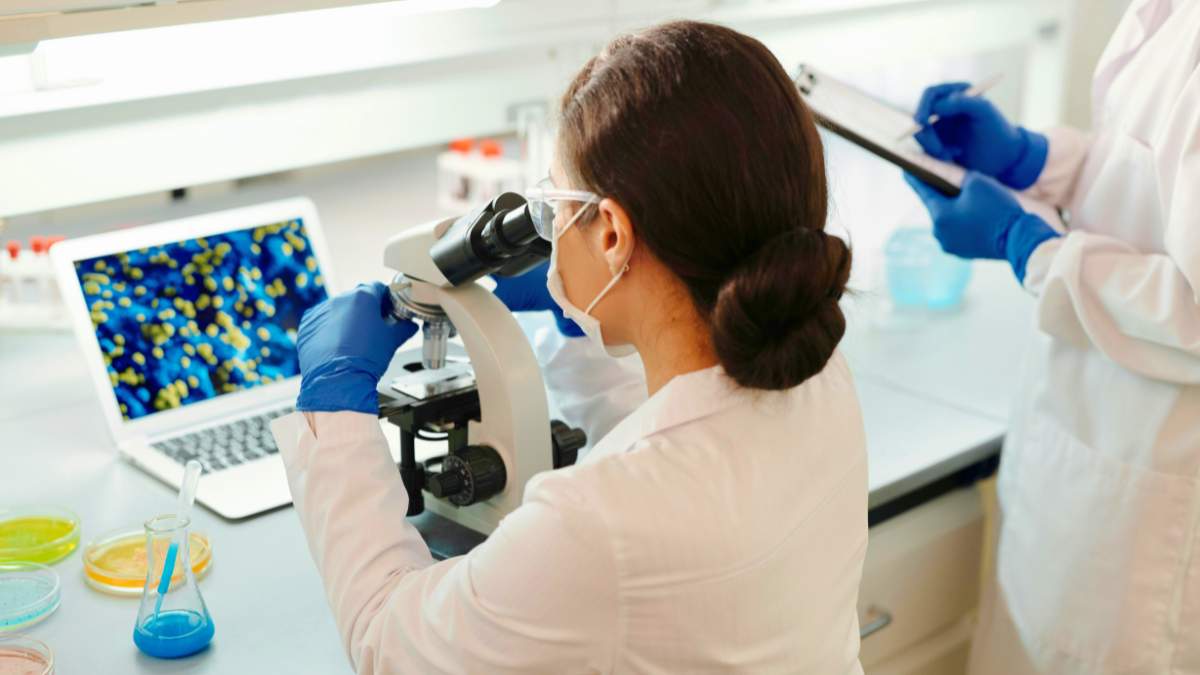
Cytology
Cytology is a field of science that deals with the structure and function of cells, but in a medical context, the term most often refers to cytodiagnostics – a diagnostic method that involves microscopic evaluation of cells taken from various parts of the body. The main purpose of cytological examination is to detect abnormalities in cell structure, especially the identification of precancerous (dysplastic) and neoplastic cells. However, cytology also allows for the diagnosis of inflammation, infections caused by bacteria, viruses (e.g. human papillomavirus – HPV, herpes virus – HSV), fungi or protozoa, as well as to assess the patient’s hormonal status.
Table of contents
Why is cytology so important in medicine?
The importance of cytology in medicine is enormous, primarily due to its role as a key tool in the prevention and early detection of many diseases, including cancer. The most famous example is gynaecological cytology (Pap test), which has revolutionized the prevention of cervical cancer. Regular pap smear tests can reduce the incidence and mortality of this cancer by up to 80%.
Cytology is a relatively minimally invasive method, often painless or causing only minor discomfort, which is important for the patient’s comfort. It is also cost-effective compared to more complex diagnostic procedures, which allows it to be widely used in screening tests. The most important advantage, however, is the possibility of early detection of lesions, often at the asymptomatic stage, when treatment is most effective, less burdensome and gives the best chance of full recovery.
Brief History: From Cell Discovery to Pap Test.
Although the history of cell research goes back much further, the development of cytology as a diagnostic tool for detecting cancer is inextricably linked to the figure of the Greek doctor. George Nicolas Papanicolaou. His pioneering work in the first half of the twentieth century laid the foundations for a method that saved the lives of millions of women around the world – the Pap test, which detects the presence of cancerous lesions.
The Father of Pap Smears: The Story of George Papanicolaou and the Pap Test
Pioneering research by Papanicolaou.
George Papanicolaou (1883-1962), a physician by training but with a passion for basic research, emigrated from Greece to the United States in 1913. While working at Cornell University, he initially focused on studying the sexual cycle in animals, particularly guinea pigs. In 1917, together with his professor Charles Stockard, he published a paper on cyclical changes in the vaginal epithelium of guinea pigs, which could be observed in swabs.
Papanicolaou then shifted his focus to the human sexual cycle. A key role in this research was played by his wife, Andromache Mavroyeni (known as Mary), who was not only his laboratory assistant, but also provided samples for research every day for more than 20 years as the first human volunteer. Around 1920, Papanicolaou noticed that in swabs taken from women with cervical cancer, cells with an unusual, altered morphology appeared, different from the cells observed in healthy women. In 1928, at a medical conference in Battle Creek, Michigan, he first presented his method of detecting cancer cells in vaginal swabs as a potential diagnostic tool.
His discovery, however, was initially met with skepticism and lack of interest from the medical community, which at the time was focused on histopathological (tissue) rather than cytological (cellular) examinations.
Development and acceptance of the Pap test in the world.
The breakthrough came only a dozen or so years later. In collaboration with gynecologist Herbert Traut, Papanicolaou conducted extensive clinical trials. Their joint publication “Diagnosis of Uterine Cancer by the Vaginal Smear” in 1941 (followed by an extensive monograph in 1943) provided irrefutable evidence of the effectiveness of the method in detecting cervical cancer. From that moment on, the test, named the Papanicolaou test (or colloquially the Pap test) after its discoverer, began to gain recognition and gradually became the standard screening test used around the world.
It is worth mentioning that similar discoveries regarding the possibility of diagnosing cervical cancer based on the examination of cells from a smear were made almost at the same time by the Romanian doctor Aurel Babeș, which is detected by cytology. Although his method was technically different, and Papanicolaou was initially unaware of his work, Babeș’s contributions are also recognized, and in Romania, the study is sometimes referred to as the Babeș-Papanicolaou method.
George Papanicolaou’s legacy is vast. His discovery is considered one of the most important advances in cancer control of the twentieth century. Awards were established in his honor (e.g., the Papanicolaou Award from the American Society of Cytopathology), postage stamps were issued, and research institutes were named after him.
Evolution of rating systems: From the Papanicolaou scale to the Bethesda system.
Initially, the results of the cytological examination were classified according to the five-point Papanicolaou scale (Group I – normal, Group V – invasive cancer). This scale was revolutionary, but over time it turned out to be insufficient. Its main limitation was that the individual groups were too general and did not always allow for an unambiguous translation of the cytological result into a specific histopathological diagnosis (tissue assessment) and adequate clinical management. For example, Group II could mean both benign inflammation and benign erosion-type lesions, and Group III included both increased inflammation and dysplastic cells that may or may not indicate a precancerous condition. Such ambiguity made it difficult to make therapeutic decisions.
The drive for greater precision, standardization and clinical usability of results has led to the development of new classification systems. In 1988, the National Cancer Institute proposed the Bethesda System (TBS), which was subsequently modified in 1991, 2001 and 2014. The Bethesda system has now become the current international standard for describing gynecological cytology results.
Bethesda introduced more specific diagnostic categories, such as ASC-US, ASC-H, LSIL and HSIL, which better correlate with the stage of intraepithelial lesions (CIN – Cervical Intraepithelial Neoplasia) assessed by histopathology and the risk of progression to invasive cancer. Importantly, Bethesda’s system also includes an assessment of the quality of the smear (whether it is suitable for evaluation) and general characterization (whether the image is normal or abnormal), which increases the reliability and reproducibility of the results. This evolution from the general Papanicolaou scale to Bethesda’s detailed descriptive system shows how cytological diagnostics has adapted to provide physicians with more precise and clinically useful information necessary to plan the appropriate follow-up – from observation to additional tests such as colposcopy to treatment. Although the Papanicolaou scale is already historical, its nomenclature (e.g. “two” or “three”) is still used colloquially by patients and sometimes appears as an additional description in Bethesda results.
Gynaecological Cytology: The Key to Cervical Cancer Prevention

Pap test (Pap smear): Purpose and importance.
Gynaecological cytology, commonly known as the Pap test, is a basic screening test aimed at early detection of cervical cancer and precancerous conditions, referred to as dysplasia or intraepithelial neoplasia (CIN – Cervical Intraepithelial Neoplasia). Its great importance lies in the fact that it allows to identify lesions at the stage when they are completely curable, often using minimally invasive methods. Cervical cancer develops slowly, often over many years, going through successive pre-invasive stages, which usually do not give any symptoms. Regular cytology allows you to “anticipate” the development of the tumor and intervene on time.
In addition to detecting precancerous and cancerous lesions, a pap smear test can also provide information about the early stage of cancer.
- Infections: Bacterial (e.g. Actinomyces, features of bacterial vaginosis), fungal (e.g. Candida), viral (lesions suggestive of HPV or HSV infection) or protozoal (Trichomonas vaginalis).
- Inflammation: Presence of numerous inflammatory cells (leukocytes).
- Other changes: Such as atrophy (changes associated with estrogen deficiency, e.g. after menopause), radiation lesions, the presence of endometrial cells (which may be important in women over 40).
- Less: Pap smears may suggest the presence of endometrial cancer or even ovarian cancer, but its sensitivity in detecting these cancers is much lower.
How does the Pap test work? Step by step.
Pap smear test is a simple and quick procedure, carried out on an outpatient basis, most often in a gynaecologist’s office.
Preparation for the test: In order for the cytology result to be as reliable as possible, the patient should prepare properly:
- Date of the test: It is best to come for a test in the first half of the menstrual cycle, after the bleeding stops, but before ovulation – usually between the 10th and 20th day of the cycle. The test is not performed during menstruation. You should keep at least a 4-day interval after menstruation and before the next menstrual period.
- Avoiding certain activities: For at least 24-48 hours before the examination, you should refrain from sexual intercourse, the use of vaginal medications (globules, creams), vaginal irrigation and tampons.
- Distance from other tests: At least 1 day should have passed since the last gynecological examination or transvaginal ultrasound.
- Treatment of infection: In the case of an active infection of the genital tract (manifested by e.g. vaginal discharge, itching), it should first be treated and only then cytology performed, as inflammation may make it difficult to interpret the result.
- Information for the doctor: It is worth informing your doctor about the date of your last menstrual period and any hormone therapy you may be taking.
Course of the test: The download itself takes only a few minutes:
- The patient lies down in the gynaecological chair.
- Your doctor or midwife gently inserts a gynaecological speculum into the vagina to make the cervix visible.
- With the help of a special, sterile cytological brush, cell material (swab) is collected simultaneously from the disc of the vaginal part of the cervix and from the cervical canal. The brush is shaped in such a way as to collect cells from both of these areas, including the transition zone, where precancerous lesions most often develop.
- The collected material is then transferred for analysis:
- In conventional cytology: The material from the brush is spread (smeared) on a slide and immediately fixed with a suitable preparation (usually alcohol-based).
- In liquid cytology (LBC): The brush head with all the collected material is placed in a special container with a fixing liquid.
- The slide or container is appropriately labeled and sent to the cytology laboratory.
The examination is usually painless, although some patients may feel slight discomfort related to the insertion of the speculum or the smear itself. After the examination, there may be a slight spotting, which usually disappears quickly.
Waiting for the result: The waiting time for the result of the Pap test is usually 2 to 4 weeks. The result is communicated to the patient by the doctor ordering the test.
Interpreting the results: Understanding the Bethesda system (2001/2014).
Currently, the standard for describing gynecological cytology results is the Bethesda System (TBS). The result is descriptive and contains several key elements:
- A. Preparation Type: Determines whether conventional or liquid cytology (LBC) has been performed.
-
- BI: It is suitable for evaluation (with a possible description of the presence/absence of cells from the cervical canal or other factors, e.g. numerous inflammatory cells).
- BII: It is not suitable for evaluation (with the reason, e.g. too poor cell, poorly fixed, illegible due to inflammation/blood). In this case, the test should be repeated. B. Smear Quality: Assesses whether the preparation is suitable for evaluation (e.g. in the context of cytology in pregnancy). whether it contains the right number of cells, whether it is not obscured by blood or mucus). The result can be:
-
- THESE: There are no signs of intraepithelial neoplasia or cancer (normal picture).
- CII: Cytological image abnormal (requires a detailed description in part F).
- SHHH: Others (e.g. the presence of endometrial cells in women ≥ 40 years of age). C. General characteristics of the smear: Preliminary classification:
-
- FI: NILM (Negative for Intraepithelial Lesion or Malignancy): Normal result. No precancerous or cancerous cells were found. The description may include information about:
- Infectious factors: e.g. Trichomonas vaginalis, fungi (Candida), changes in the bacterial flora suggestive of vaginosis, bacteria (which is the assessment of the patient’s health in cytology tests). Actinomyces), cellular changes corresponding to HSV that may be noticed in the context of cytology tests.
- Other non-cancerous lesions: e.g. reactive changes associated with inflammation, regeneration, atrophy, radiotherapy, the presence of an intrauterine device (IUD) and cytology in pregnancy.
- The former “Papanicolaou group II” often corresponds to the NILM score with the presence of features of inflammation or reactive lesions.
- FIII: Abnormal epithelial cells:
- Squamous epithelial cells:
- ASC (Atypical Squamous Cells): Abnormal squamous epithelial cells.
- ASC-US (Atypical Squamous Cells of Undetermined Significance): Atypical cells of undetermined importance. These are not typical normal cells, but the changes are not clear enough to recognize LSIL. Often, this result is associated with inflammation or estrogen deficiency. The risk of the presence of a significant lesion (HSIL) is low, but requires further verification (repeat cytology, HPV test).
- ASC-H (Atypical Squamous Cells, cannot exclude HSIL): Atypical cells, a high-grade lesion (HSIL) cannot be ruled out. The risk of HSIL is much higher here than with ASC-US. It always requires further diagnostics, most often colposcopy.
- LSIL (Low-grade Squamous Intraepithelial Lesion): Low-grade intraepithelial lesion. It corresponds to the former low-grade dysplasia (CIN I) and changes caused by HPV infection (e.g. coilyocytosis). These lesions often resolve spontaneously, especially in young women, but require follow-up or further diagnostics (e.g. colposcopy), as some of them may progress to HSIL.
- HSIL (High-grade Squamous Intraepithelial Lesion): A high-grade intraepithelial lesion. It corresponds to former medium-grade dysplasia (CIN II), high-grade dysplasia (CIN III) and pre-invasive carcinoma (carcinoma in situ, CIS). These lesions have a high potential for progression to invasive cancer and always require urgent diagnosis (colposcopy with biopsy) and treatment.
- Squamous Cell Carcinoma (SCC): Presence of invasive cancer cells.
- ASC (Atypical Squamous Cells): Abnormal squamous epithelial cells.
- Glandular epithelial cells:
- AGC (Atypical Glandular Cells): Abnormal glandular cells (originating from the cervical canal – endocervix or from the uterine cavity – endometrium). They always require further diagnostics (colposcopy, often curettage of the cervical canal and uterine cavity), as they may be associated with precancerous lesions or adenocarcinoma. The result can be more specific (e.g. AGC-endocervical, AGC-endometrial) or indefinite (AGC-NOS). There is also AGC that indicates cancer (AGC favor neoplastic).
- AIS (Adenocarcinoma in situ): Pre-invasive adenocarcinoma (at the site).
- Adenocarcinoma: Invasive adenocarcinoma (endocervical, endometrial, ectopic or NOS).
- Squamous epithelial cells:
- FIV: Other malignant neoplasms: Very rarely, cells from other cancers (e.g. cancer) can be found in cytology. sarcoma, melanoma, lymphoma). F. Interpretation/Result: This is the most important part of the result, describing the cells found:
- FI: NILM (Negative for Intraepithelial Lesion or Malignancy): Normal result. No precancerous or cancerous cells were found. The description may include information about:
- G. Additional Clarifications and Suggestions: Comments from the cytologist concerning, for example, the need to repeat the test, suggestions for further diagnostics.
Important: It should be emphasized that an abnormal cytology result (other than NILM) is not synonymous with a diagnosis of cancer! This is a signal that further diagnostics is needed to clarify the nature of the changes. This may include a repeat cytology after anti-inflammatory treatment, an HPV test, colposcopy (viewing the cervix under magnification) or a biopsy (taking a sample for histopathological examination). Only histopathological examination allows for a definitive diagnosis.
The following table summarizes the interpretation of the main categories of the Bethesda system and typical next steps:
Bethesda – Interpretation of Gynecological Cytology Results and Further Management
| Category: Bethesda | Description | Typical Follow-Up (may vary depending on age, history, HPV score) |
|---|---|---|
| NILM (Normal Result) | No precancerous and cancerous cells. Possible description of infection or benign lesions. | Routine check-up as recommended (e.g. in 3-5 years). Treatment of possible infection. |
| ASC-US (Atypical Squamous Cells of Undetermined Significance) | Cells slightly altered, meaning uncertain. Low risk of HSIL. | Repeat Pap smear test in 6-12 months OR HPV test. If HPV positive or repeat cytology abnormal -> colposcopy. |
| ASC-H (Atypical squamous epithelial cells, HSIL cannot be ruled out) | Atypical cells, suspected HSIL. Higher risk of significant change. | Always colposcopy. |
| LSIL (Low-grade intraepithelial lesion) | It includes CIN I and HPV lesions. Low risk of progression, often regression. | Colposcopy (recommended) OR repeat HPV cytology/test in 12 months (in some age groups). |
| HSIL (High Grade Intraepithelial Lesion) | It includes CIN II, CIN III, CIS. High risk of progression to cancer. | Always urgent colposcopy with biopsy and/or treatment (e.g. conization). |
| Squamous cell carcinoma (SCC) | Presence of invasive cancer cells. | Urgent oncological diagnostics and treatment. |
| AGC (Atypical Glandular Cells) | Abnormal cells from the cervical canal or endometrium. | Always colposcopy, often with an assessment of the cervical canal and uterine cavity (endometrial biopsy, curettage). |
| AIS (In Situ Adenoid Carcinoma) | Pre-invasive adenocarcinoma. | Colposcopy with root canal evaluation, treatment (usually conization or hysterectomy). |
| Adenocarcinoma | Invasive adenocarcinoma. | Urgent oncological diagnostics and treatment. |
The role of HPV in cervical cancer and HPV testing.
It is now known that the main and necessary cause of cervical cancer development is chronic infection with oncogenic types of human papillomavirus (HPV). There are nearly 200 types of HPV, but only a dozen of them, the so-called high-risk types (HR-HPV), have the potential to cause cancer. The most important of these are HPV 16 and 18, responsible for about 70-75% of cervical cancer cases, but other types are also important, such as 31, 33, 35, 39, 45, 51, 52, 56, 58, 59.
HPV infections are very common, it is estimated that most sexually active people (up to 80%) will come into contact with the virus during their lives. Fortunately, in most cases (about 90%), the infection is temporary and the immune system eliminates it on its own within 1-2 years. The problem arises when infection with the oncogenic type of HPV becomes persistent. The virus then integrates with the genome of cervical epithelial cells, disrupting their cell cycle and gradually leading to the development of precancerous lesions (dysplasia/CIN), which, if left untreated, can turn into invasive cancer after years (on average 5-10 years).
Therefore, in addition to cytology, molecular tests detecting the genetic material (DNA or mRNA) of the high-risk HPV virus have become a key element of modern prevention. These tests allow to identify women infected with oncogenic HPV types who are at increased risk of developing cervical cancer, even if the cytology result is still normal.
HPV tests are characterized by very high sensitivity (above 90-95%) in detecting the risk of developing CIN 2/3 lesions or cancer, significantly exceeding the sensitivity of cytology alone (estimated at 50-70%). This means that the HPV test is less likely to “miss” at-risk women. Moreover, a negative HPV HR test result has a very high predictive negative value, which means that a woman with such a result has a very low risk of developing cervical cancer in the next few (at least 5) years.
It is these characteristics – high sensitivity and high predictive negative value – that have led to a paradigm shift in the approach to screening. Instead of focusing only on detecting already existing cellular changes (as in cytology), more and more emphasis is placed on identifying the root cause of the problem, i.e. HR-HPV infection. Detection of the virus allows the risk group to be identified and placed under closer surveillance (e.g. more frequent cytology or colposcopy), while HPV-negative women can be tested less frequently, which increases the efficiency and cost-effectiveness of screening programs.
HPV tests can be performed:
- Together with cytology (co-testing): Both methods used simultaneously.
- As a triage test: In women with inconclusive cytology results (e.g., ASC-US) for risk assessment.
- As a primary screening test: HPV test as the first step, and cytology (preferably LBC) as a triage test in HPV-positive women. The latter model is currently recommended by many international scientific societies and implemented in many countries, including Poland.
It is also worth mentioning HPV vaccination as a method of primary prevention, which prevents infections with the most oncogenic types of the virus and significantly reduces the risk of developing cervical cancer and other HPV-related cancers. Vaccinations are most effective when given to girls and boys before sexual activity. However, it should be remembered that vaccination does not completely eliminate the risk (it does not protect against all types of HPV) and does not exempt from the need for regular screening.
Recommendations for screening tests in Poland (age, frequency, methods according to PTGiP/NFZ 2024/2025).
In Poland, the Cervical Cancer Prevention Program financed by the National Health Fund (NFZ) has been operating for years. In response to global trends and recommendations based on scientific evidence, this program has undergone a significant modification. From 26 March 2025 , new rules are in force, introducing modern research methods.
Current program rules (from March 2025):
- Target group: Women between the ages of 25 and 64.
- Primary (first-line) testing: Molecular test for the presence of high-risk human papillomavirus (HPV HR) DNA. This test includes genotyping, i.e. the identification of specific types of the virus, including the most oncogenic types 16 and 18.
- Download the material: The cervical smear is taken on a liquid medium, which allows both the HPV HR test and (if necessary) LBC cytology to be performed from the same sample.
- Frequency of tests: If the HPV HR test result is negative, another screening test is recommended every 5 years. This is possible due to the high predictive value of the HPV test negative.
- Procedure in the event of a positive HPV HR test: From the same positive sample, liquid cytology (LBC) is performed. This is the so-called triage, i.e. the selection of patients requiring further diagnostics.
- Further steps after triage: If the LBC cytology result is normal (NILM), further management depends on the HPV type detected (e.g. follow-up in a year). If LBC cytology shows any abnormalities (result ≥ASC-US), the patient is referred to the in-depth diagnostic stage, which includes colposcopy and, if necessary, the collection of specimens for histopathological examination (biopsy), which can detect the presence of tumors. The detailed management algorithm depends on the combination of the HPV genotyping result and the LBC result, in accordance with the guidelines of the Polish Society of Gynecologists and Obstetricians (PTGiP).
- Status of classical cytology: The introduction of the HPV HR and LBC test as a standard does not mean the immediate elimination of conventional cytology. A transitional period has been provided for so that medical facilities can adapt to the new requirements. However, ultimately, it is planned to remove classical cytology from the program from 2027.
- Program implementers: Tests under the program can be performed free of charge and without a referral in gynaecological clinics and selected primary health care clinics (POZ) that have a contract with the National Health Fund for the implementation of the program.
- Requirements for facilities and staff: The new rules also introduce stricter requirements for staff qualifications (gynaecologists, properly trained midwives), office equipment (disposable specula and brushes, liquid substrate for LBC/HPV, colposcope at the in-depth stage) and laboratories (validated HPV HR tests, quality control).
The table below summarizes the key elements of the updated NFZ program:
Current rules of the Cervical Cancer Prevention Program of the National Health Fund (from March 2025)
| Program Element | Policy |
|---|---|
| Age Group | Women 25-64 years old |
| Fundamental examination | HPV HR (High Risk) Molecular Test with 16/18 Genotyping (Liquid Sampling) |
| Frequency (with HPV HR negative) | Every 5 years |
| Management of HPV HR positive | Liquid Cytology (LBC) from the same sample (triage) |
| Next steps (after positive HPV HR and LBC ≥ ASC-US) | Referral for in-depth diagnostics (colposcopy, biopsy) |
| Status of classical cytology | Available during the transition period, planned withdrawal from the program from 2027. |
| Availability | Free of charge, without a referral, in facilities with a NFZ contract |
Cytology beyond gynecology: wide diagnostic applications
Although gynaecological cytology is the most well-known application of this method, the examination of cells under the microscope plays a key role in the diagnosis of many other conditions in various systems and organs.
Cytology of the respiratory system.
Cytological diagnostics of respiratory diseases is based on the analysis of cells from different parts of the respiratory system. The following may be tested:
- Sputum: Material coughed up by the patient, spontaneously or after a challenge (induced sputum). Sputum testing is mainly used in the diagnosis of lung cancer (especially centrally located) when other methods (such as bronchoscopy) are unavailable or contraindicated. It also allows for the detection of infections, such as tuberculosis.
- Bronchoscopy material: During this study, you can download:
- Bronchial washings: Fluid introduced and sucked out of the bronchi.
- Bronchoalveolar lavage (BAL – Bronchoalveolar Lavage): A rinsing fluid for small bronchi and alveoli, particularly useful in the diagnosis of interstitial diseases (e.g. sarcoidosis, hypersensitivity pneumonia) and opportunistic infections.
- Brush swabs: Material taken with a special brush from the surface of the bronchi, useful in the diagnosis of cancer and infections.
- Transbronchial Needle Aspiration (TBNA) biopsy: Needle puncture of lesions located in the bronchial wall or outside it (e.g. enlarged mediastinal lymph nodes).
- Pleural fluid: It was collected by puncture (thoracocentesis) in the presence of fluid in the pleura. The test allows to differentiate the causes of exudate (inflammatory, cancerous).
- Transthoracic Needle Aspiration (TTNA) fine needle biopsy: Needle puncture of lesions located peripherally in the lung, under the guidance of imaging tests (ultrasound, CT).
- Nasal cytology: Nasal swabs can be helpful in the diagnosis of chronic rhinitis, including allergic rhinitis.
Cytology of the respiratory system allows for the detection of cancer cells (lung cancer, metastases), determination of the type of cancer (which is important for treatment), diagnosis of inflammatory, infectious and interstitial diseases. The obtained cytological material, especially from BAL and swabs, can also be used for microbiological and molecular tests.
Cytology of the urinary system.
The basic material for cytological examination in urology is urine cell sediment. It is a simple and completely non-invasive test.
The main applications of urine cytology are: detection of the presence of cancer and other diseases.
- Diagnosis and monitoring of bladder cancer and other urinary tract cancers (e.g. papillomas) originating in transitional (urothelial) epithelium. The test is of high value in the detection of higher-grade tumors (G2, G3) and in the post-treatment monitoring of patients for early detection of recurrence, especially in the case of cytology.
- Diagnosis of haematuria (the presence of blood in the urine) of unclear cause.
- Diagnosis of chronic, recurrent urinary tract inflammation .
Indications for the test include, m.in, urinary tract ailments (pain, pollakiuria, problems with urination), haematuria, suspected tumor, recurrent infections, as well as age over 50 and exposure to carcinogens (e.g. tobacco smoke).
A limitation of urine cytology is its lower sensitivity in detecting low-grade (G1) tumors and carcinomas in situ. Therefore, it is often recommended to repeat the test several times, which increases the chance of detecting cancer cells.
Cytology of fluids from body cavities.
Under physiological conditions, the serous cavities of the body (pleura, peritoneum, pericardium) contain only a small amount of fluid. The accumulation of more fluid (exudate or transudate) is always a symptom of pathology. Pap smear testing of these fluids, as well as cerebrospinal fluid (CSF), is an important diagnostic tool that detects the presence of cancer.
Serous fluids (pleura, peritoneum, pericardium):
- Aim of the study: Differentiation of the cause of fluid accumulation – whether it is transudate (protein-poor, cell-poor fluid, resulting from e.g. heart failure, cirrhosis, nephrotic syndrome) or exudate (protein-rich, cell-rich fluid, caused by inflammation or cancer).
- Evaluated cells:
- Mesothelial cells: They line serous cavities. They can be normal, reactive (stimulated in inflammation, sometimes difficult to distinguish from cancerous) or cancerous (in mesothelioma).
- Inflammatory cells: Neutrophils (in bacterial infections), lymphocytes (in viral infections, tuberculosis, autoimmune diseases, lymphomas), macrophages, eosinophils (in allergies, parasitic infections, some cancers).
- Cancer cells: They can originate from primary cancer of the serous cavities (mesothelioma) or, much more often, be metastases from other organs (e.g. lung, breast, ovarian, stomach cancer).
- Diagnostics: Pap smear test allows for the diagnosis of inflammatory etiology (bacterial, viral, tuberculosis – often requires confirmation by other methods), autoimmune diseases and cancer.
Cerebrospinal fluid (CSF):
- Download: PMR is collected by lumbar puncture.
- Indicate: Suspected meningitis or encephalitis (bacterial, viral, fungal, tuberculous), subarachnoid bleeding, demyelinating diseases (e.g. multiple sclerosis), primary or metastatic tumors to the CNS, autoimmune diseases (e.g. Guillain-Barré syndrome), metabolic diseases.
- Cytological evaluation:
- Appearance: Normal PMR is clear and colorless. Turbidity may indicate a large number of cells (pleocytosis) or a high concentration of protein. A yellowish tinge (xanthochromia) may indicate a history of bleeding.
- Cytosis (number of cells): Normal in adults ≤5 cells/μl. An increased number of cells (pleocytosis) indicates an inflammatory or neoplastic process, which should be assessed by cytology tests.
- Cell differentiation (cytogram): Lymphocytes and monocytes dominate normally. The predominance of neutrophils suggests bacterial infection. Predominance of lymphocytes – viral, tuberculous, fungal infections, autoimmune diseases. Presence of eosinophils – parasitic infections, some fungal infections or allergic reactions. The detection of cancer cells indicates primary CNS cancer or metastasis.
- Supplementary research: The cytological assessment of CSF is always interpreted together with the results of biochemical (protein, glucose, lactate, chloride levels), microbiological (Gram staining, cultures) and molecular (PCR for viruses, bacteria) tests.
Fine needle aspiration biopsy (BAC/BACC/FNAB).
Fine needle aspiration biopsy (BAC) is an aspiration cytology technique that involves puncturing a suspected lesion (e.g., nodule, cyst, enlarged lymph node) with a fine needle (usually 0.4-0.6 mm in diameter) and collecting (aspirating) cellular material for microscopic examination. The procedure is often performed under ultrasound guidance, which allows for precise localization of the lesion and monitoring of the needle path, increasing safety and diagnostic accuracy.
Applications of BAC: BAC is widely used in the diagnosis of lesions in many organs, m.in.:
- Thyroid gland: This is the “gold standard” in the assessment of thyroid nodules, allowing to distinguish benign lesions from suspicious or malignant ones, and to select patients for surgery. It is also used to empty cysts and diagnose thyroiditis.
- Breast: Diagnosis of nodules and other suspicious lesions.
- Lymph nodes: Evaluation of enlarged lymph nodes to detect cancer metastases, lymphomas or inflammatory causes.
- Parotid: Diagnosis of salivary gland tumors.
- Internal organs: Liver, lungs, kidneys, pancreas (usually under ultrasound or CT guidance).
- Soft tissues: Evaluation of soft tissue tumors.
BAC procedure: The procedure is usually short (a few minutes) and performed on an outpatient basis.
- The patient is informed about the course of the study. It usually does not require any special preparation (e.g. fasting), unless it concerns the abdominal organs. Tell your doctor if you are taking any anticoagulant medications. In the case of BAC, thyroid gland or neck nodes, the decorations should be removed from the neck.
- The patient assumes a lying position.
- The doctor locates the lesion (palpation or ultrasound) and disinfects the skin above it. Local anesthesia is usually not necessary due to the small diameter of the needle, but it can be used in sensitive patients.
- The doctor inserts a thin needle (often connected to a syringe) into the lesion, monitoring its position on the ultrasound screen. During the puncture, the patient should remain still, do not speak, do not swallow saliva (in the case of thyroid/neck BAC).
- By making gentle movements with the needle and/or applying negative pressure in the syringe, the doctor aspirates the cellular material into the needle and syringe. Usually, several (minimum 2-3) punctures are made in different areas of the lesion to obtain a representative material.
- After removing the needle, the aspirated material is gently spread on the slides and immediately fixed (e.g. with a special spray or alcohol) or air-dried (depending on the planned dyeing method).
- A small dressing is applied to the puncture site. It is recommended to press the injection site for a few minutes to prevent the formation of a hematoma. After the examination (especially the BAC of the thyroid gland), it is recommended to avoid physical exertion for 1-2 days.
Advantages and disadvantages of BAC:
- Advantages: The method is minimally invasive, fast, relatively cheap and safe. The risk of serious complications is very low; Most often there is slight pain or discomfort at the puncture site and a small hematoma (bruise), which usually disappears on their own.
- Disadvantages and limitations:
- BAC only provides cellular material, it does not allow for the assessment of tissue architecture, which is crucial in some cases (e.g. to assess infiltration, accurate tumor staging).
- The result depends on the quality and representativeness of the collected material. It is possible to obtain a non-diagnostic (oligocellular) result, especially in the case of cystic, fibrotic or highly vascularized lesions (e.g. in the thyroid gland it happens in about 15% of cases). In this case, it is necessary to repeat the biopsy.
- In the diagnosis of some cancers, e.g. lymphomas, where the assessment of node architecture is crucial, BAC is of limited value and core needle biopsy or excision of the entire node for histopathological examination is preferred.
- Interpretation of the BAC result requires an experienced cytopathologist.
Interpretation of BAC results: what is the assessment of the patient’s health? The results are usually described in the following categories: benign lesion, malignant lesion, suspicious lesion, atypia of undetermined significance, non-diagnostic material. In the case of thyroid BAC, the Bethesda System for Reporting Thyroid Cytopathology (TBSRTC) is commonly used, which divides the results into 6 categories, determining the risk of malignancy and recommended further management for each of them.
Cytological techniques: how is the cell image formed?
In order to be able to make a diagnosis based on cytological examination, it is necessary to properly collect the material, prepare it in the form of a microscopic preparation and stain it in a way that allows the assessment of cell structures.
Methods of collecting material.
As already mentioned, there are two main categories of techniques for collecting material for cytological tests:
- Exfoliative cytology: This method uses cells that naturally separate (exfoliate) from the surface of the epithelium that covers organs or cavities of the body, or cells collected by gently rubbing or “scraping” this surface. Examples include:
- Cervical smear (Pap test): The most famous example is where cells are collected with a brush.
- Sputum test: Expectorated material from the respiratory tract.
- Urine sediment test: Cells desquamated from the epithelium of the urinary tract.
- Body cavity fluid testing: Cells suspended in pleural, peritoneal, pericardial or cerebrospinal fluid.
- Brush swabs: From the bronchi during bronchoscopy, from the bile ducts during ERCP, from the oral cavity.
- Aspiration cytology: It involves the active collection of cells from deeper tissues or pathological changes with a needle. The most commonly used technique is fine needle aspiration biopsy (BAC), where material is aspirated (aspirated) into a needle and syringe. It is the method of choice for palpating or visible ultrasound nodules, cysts or enlarged lymph nodes.
Preparation of slides: Conventional vs. conventional smear Liquid cytology (LBC).
The method of preparation of the microscope specimen is crucial for the quality and reliability of the cytological examination. For years, the conventional method dominated, but now liquid cytology (LBC) is becoming more and more common.
- Conventional smear (traditional): In this method, the material collected from the patient (e.g. with a cytological brush) is directly transferred to the surface of the base slide and distributed in the form of a thin layer (smear), which is crucial in thin-film cytology. It is crucial that the smear is immediately fixed (usually by immersion in alcohol or sprayed with a special aerosol fixative) before the cells dry out, which could cause artifacts and make evaluation difficult.
- Constraints: This method, although simple and cheap, has significant drawbacks. The smear is often uneven, cells can overlap, creating thick clusters that are difficult to interpret. The preparation may contain numerous elements that hinder assessment, such as mucus, blood, and numerous inflammatory cells. There is a risk that a significant part of the collected cells will remain on the collection tool (brush) and will not end up on the slide. Errors in fixation (e.g., drying the smear before fixing) can lead to cell distortion. All of these factors can lead to a non-diagnostic result or, worse, a false negative (overlooking existing changes).
-
- Advantages: LBC offers significant advantages over the conventional method:
- Improved quality of the preparation: A thin, even layer of cells with minimal artifacts facilitates microscopic evaluation.
- Greater representativeness: All collected material is analyzed, which reduces the risk of overlooking changes.
- Fewer non-diagnostic/unreadable results: Thanks to the better quality of the preparations.
- Higher sensitivity and accuracy: Better cell visualization allows for more effective detection of precancerous and cancerous lesions (up to 64% more high-risk lesions according to some sources).
- Possibility of performing additional tests: The remaining cell fluid in the container can be used to perform additional tests, e.g. molecular tests for HPV, Chlamydia trachomatis or other pathogens, without the need to call the patient for testing again.
- Reduction of evaluation time: Standardized formulations can be evaluated more quickly. Liquid-Based Cytology (LBC): It is a more modern technique that has revolutionized the preparation of cytological preparations, especially in gynecology. After the material is collected, the entire tip of the instrument (e.g. a brush) is immersed and rinsed in a container with a special fixing and preservative liquid, which is used in cytology during pregnancy. As a result, all the collected cell material is sent for analysis, and the cells are immediately optimally fixed and protected against damage. In the laboratory, the cell fluid undergoes automatic processing – usually centrifugation and/or filtration – to detect the presence of cancer cells. removal of undesirable elements (mucus, blood, excess inflammatory cells) and obtaining a representative, thin and even layer of cells (monolayer) on a small area of the microscope slide.
- Advantages: LBC offers significant advantages over the conventional method:
LBC technology represents a significant advance in cytodiagnostics. It solves many technical problems associated with the conventional method, leading to improved quality and reliability of results. Standardization of the preparation process, sample purification of image interference elements, and the ability to perform additional tests with the same material are key advantages of LBC. They have a direct impact on the effectiveness of screening and diagnostic tests, which is why LBC is increasingly recommended and implemented as the preferred method, e.g. in the cervical cancer prevention program in Poland.
The art of dyeing: The Papanicolaou and Giemsa methods.
In order for cells and their internal structures to become visible under the microscope, cytological preparations must be subjected to special staining. There are several staining methods, and the choice of the appropriate one depends on the type of material collected, the method of its fixation and the information that the diagnostician wants to obtain in cytology tests. The two most commonly used methods in cytology are Papanicolaou staining and Giemsa staining.
Papanicolaou staining (Pap): It is a method developed by George Papanicolaou, which is the gold standard in gynecological cytology. It is also widely used in other types of exfoliation cytology, e.g. in the examination of cells from the respiratory tract, urine or fluids from body cavities. The key condition for this method is immediate wet fixation of the preparation, most often in ethyl alcohol (e.g. 96%), which prevents drying out and cell deformation. Staining Roofing Membrane is a multi-stage procedure using several dyes:
- Hematoxylin: It stains cell nuclei blue/violet, allowing for a precise assessment of their size, shape, chromatin structure and the presence of nucleoli – key features in cancer diagnosis.
- Orange G (OG-6): It stains the cytoplasm of mature, keratinized squamous epithelial cells orange/yellow.
- Alcohol eosin (EA-50 or EA-36): A mixture of eosin Y, light green SF and Bismarck brown Y. It stains the cytoplasm of immature cells (e.g. parabasal, intermediate squamous epithelium, glandular) in various shades of blue and green, and the cytoplasm of more mature (superficial) cells and erythrocytes pink/red.
- The result of Pap staining is a clear, multi-colored image that allows for excellent visualization of morphological details of both the nucleus and the cytoplasm, which is necessary to assess the degree of cell maturity, detect dysplasia and malignant features.
Giemsa dyeing (or related methods, e.g. May-Grünwald-Giemsa – MGG, Romanowski-type dyeing): This method is the basis in haematology (assessment of peripheral blood and bone marrow smears). It is also often used in aspiration cytology (BAC), especially in the diagnosis of lesions in the lymph nodes, thyroid gland, salivary glands, and to assess fluids from body cavities. Unlike Pap staining, Giemsa staining formulations are typically air-dried before dyeing. Giemsa dye is a mixture of eosin and thiazine dyes (e.g. methylene blue, openwork B).
- This staining gives a characteristic coloration: cell nuclei are stained purple/purple, cytoplasm is stained in various shades of blue, and granules in some cells (e.g. granulocytes, mast cells) are stained in a specific way.
- The advantage of this method is good differentiation of inflammatory and hematopoietic cells and visualization of background elements (extracellular matrix), such as colloid in the thyroid gland or mucus. It also allows for the observation of metachromasia, i.e. changes in the colour of the pigment in contact with certain substances (e.g. mast cell granules, matrix in salivary gland tumours), which may have diagnostic significance.
- The disadvantage may be a less precise visualization of the nuclear chromatin structure compared to Pap staining.
- Hematoxylin and Eosin (H&E) staining: This is the basic staining in histopathology, which should be performed as part of routine cytology tests. In cytology, they are used less frequently, mainly for staining cytoblock preparations (cytological material embedded in a paraffin block and cut like tissue) and sometimes as an alternative to Pap in alcohol-fixed smears. The advantage of H&E is that it is possible to directly compare the cytological image with the histological image of the same lesion.
In practice, many laboratories, especially when evaluating BAC material, use both staining methods (e.g. some smears are stained with Pap/H&E and some with MGG) in order to take advantage of the advantages of each and obtain as much diagnostic information as possible.
Cytology vs. Histopathology: Pros, Cons, and Accuracy
Two basic methods play a key role in morphological diagnostics: cytological examination and histopathological examination. Although both are based on microscopic evaluation, they differ in many respects – from the type of material being tested, through the preparation technique, to the scope of information obtained. Understanding these differences is important for proper interpretation of the results and planning for further action.
Comparison of methods: Material, invasiveness, information.
The table below summarises the main features of both methods:
Comparison of Pap smear and histopathology
| Comparison criterion | Pap smear test | Histopathological examination |
|---|---|---|
| Test material | Single cells or small groups of cells (swabs, fluids, aspirates from BAC) | Tissue fragments (biopsy specimens, surgical material, entire organs) |
| Invasiveness of the collection | Usually low (exfoliative cytology, BAC) | Usually higher (core needle biopsy, excisional biopsy, surgery) |
| Information obtained | Morphology of single cells, their atypia/malignancy features, presence of inflammatory cells, pathogens | Tissue architecture, cell relationships, structure infiltration, degree of malignancy, surgical margins |
| Typical Accuracy / Limitations | High in screening and initial diagnosis. A limitation is the lack of tissue architecture assessment, a possible non-diagnostic or false negative result | It is considered the “gold standard” in the final diagnosis of many diseases, especially cancer. It allows for a full assessment of the change. Risk of error reduced but still possible (e.g. unrepresentative slice) |
| Waiting time for the result | Usually shorter (days, sometimes hours) | Usually longer (a few days to 2 weeks) due to the tissue preparation process |
| The cost of a Pap smear test in pregnancy. | Typically lower | Usually higher |
When cytology and when histopathology?
The choice between cytology and histopathology depends on the clinical situation, the type of suspected pathology, the location of the lesion and the purpose of the examination.
Cytology is the method of choice or the first-line method in situations when:
- Screening of a large population for early detection of cancer is needed (e.g. cervical cytology).
- A quick, initial diagnosis of easily accessible lesions is necessary to decide on further treatment (e.g. BAC of thyroid nodules, breasts, lymph nodes).
- The nature of the fluid accumulated in the body cavities should be evaluated.
- Patients need to be monitored after treatment (e.g. urine cytology after removal of bladder cancer).
- Collecting tissue for histopathological examination is difficult, risky or unnecessary at a given stage.
Histopathology is essential when:
- Final confirmation of the diagnosis is needed, especially in the case of suspected malignant cancer.
- It is necessary to assess the histological grade of the cancer, its type, and stage (infiltration).
- The completeness of surgical removal of the lesion should be assessed (assessment of surgical margins).
- The result of the Pap smear test is non-diagnostic, inconclusive or suspicious and requires verification.
- Diagnostics requires an assessment of tissue architecture (e.g. in some inflammatory and degenerative diseases, in the diagnosis of lymphomas).
Often, both methods are used sequentially and complement each other. The result of cytology (e.g. BAC) may indicate the need for a core needle biopsy or surgery to obtain material for histopathological examination.
Limitations of cytology and potential errors.
Despite its numerous advantages, cytology also has limitations and its results can be error-prone, so it is important to have a pap smear test once every 3 years. It is crucial to understand that the quality and reliability of a cytological examination depends on the entire chain of events, starting from the correct collection of the material, through its proper preparation and staining, to the accurate microscopic interpretation by an experienced diagnostician. Errors can appear at any of these stages.
- Errors in the pre-analytical stage (collection and preparation):
- Unrepresentative material: Taking cells from the wrong place, bypassing a pathological lesion.
- Too scanty material: Insufficient number of cells to make a diagnosis (non-diagnostic result).
- Technical errors with conventional smear: Too thick a smear, overlapping cells, drying of the specimen before fixing, contamination with artifacts (blood, mucus).
- Improper fixation: It can lead to cell distortion and make it difficult to judge.
- Errors at the analytical stage (interpretation):
- Subjectivity of assessment: The interpretation of the microscopic image depends on the knowledge and experience of the cytopathologist.
- Difficulties in interpretation: Some changes (e.g. increased inflammatory reactions, regenerative changes, reactive atypia) may mimic cancer, leading to false positive results (less common). In turn, subtle features of malignancy can be overlooked, leading to false negative results.
- Limited Material: Sometimes, even in a well-prepared preparation, the number of atypical cells is too small to make a certain diagnosis.
- Fundamental limitation: Inability to assess tissue architecture and mutual relationships between cells and stroma, which is the domain of histopathology.
Awareness of these limitations is crucial. Technologies such as liquid cytology (LBC) minimize errors in the preparation stage. The introduction of quality control systems in laboratories and the development of tools supporting interpretation, such as artificial intelligence , are aimed at further increasing the reliability of cytological tests. However, ultimately, the accuracy of the diagnosis depends on diligence at every stage of the diagnostic process.
The Future of Cytology: Modern Technologies in Diagnostics
Cytology, despite its long history, is a dynamically developing field that adapts modern technologies to increase the precision, scope and efficiency of diagnostics. The future of cytology lies in the integration of advanced preparation techniques, molecular studies and digital image analysis.
Liquid Cytology (LBC): More accurate and versatile.
As discussed in detail, liquid cytology (LBC) represents a significant improvement over the conventional method. With improved cell fixation, elimination of artifacts, and a thin-film formulation, LBC offers higher microscopic image quality, higher diagnostic sensitivity, and fewer non-diagnostic results. Equally important, LBC allows additional tests, especially molecular tests (e.g. HPV test), to be performed from the same sample, which increases diagnostic efficiency and patient comfort. For these reasons, LBC is becoming the new standard in many areas of cytology, especially in cervical cancer screening, and is being introduced into official prevention programs.
Molecular cytology: The role of HPV tests and other markers.
The combination of morphological assessment of cells with molecular tests revolutionizes cytological diagnostics.
- HPV tests: As mentioned, tests detecting DNA or mRNA of oncogenic HPV types have become a key element (often a first-line test) in the prevention of cervical cancer, allowing for the identification of women at higher risk.
- Other molecular markers: Cytological material (especially from LBC or BAC) can be used to detect other molecular markers that have diagnostic, prognostic or predictive significance (indicating the effectiveness of a specific treatment). Examples include:
- Detection of genetic mutations (e.g. in the EGFR, ALK, ROS1 gene) in lung cancer cells collected by BAC or from BAL, which allows for the selection of targeted therapies.
- Study of the expression of hormone receptors or HER2 protein in breast cancer cells with BAC.
- Detection of genetic or protein markers in cancer cells in body cavity fluids.
- Identification of pathogens (bacteria, viruses, fungi) using PCR techniques in cytological material from different sites.
- “Liquid biopsy”: Advances in techniques allow for the detection and analysis of circulating tumor cells (CTCs) or circulating tumor DNA (ctDNA) in peripheral blood. Although it is not a classic cytology, it is an alternative or complement to cell/tissue testing in some situations, e.g. to monitor response to treatment, early detection of recurrence or assessment of cancer heterogeneity.
Digital pathology and artificial intelligence (AI) in image analysis.
Another revolution in pathology, which also includes cytology, is the digitization and application of artificial intelligence (AI).
- Digital pathology: It involves scanning traditional microscope slides with special scanners and creating high-resolution digital images (WSI – Whole Slide Imaging), the so-called virtual slides. This enables archiving, easy sharing of images (e.g. for consultations), remote diagnostics (telediagnostics) and, most importantly, analysis using computer algorithms.
- Artificial Intelligence (AI) in Cytology/Pathology: AI algorithms, especially those based on deep learning, are trained on huge data sets (digital images with diagnoses) to recognize the patterns and characteristics of cells and tissues. Applications of AI include:
- Initial selection (screening) of preparations: AI can quickly scan the image and pinpoint suspicious areas that require the pathologist’s attention, which speeds up the workflow, especially in screening.
- Diagnostic support: AI can help in the classification of lesions, e.g. in the Bethesda system, in cell counting (e.g. Ki-67 index), in assessing the expression of immunohistochemical markers (e.g. PD-L1, HER2), in measuring tumor size or assessing surgical margins.
- Increase objectivity and repeatability: AI algorithms can provide more consistent and quantitative results than subjective human judgment, eliminating variability between observers.
- Prediction and forecasting: AI can analyze subtle morphological features invisible to the human eye to predict a patient’s response to treatment or prognosis.
- Implementations in Poland: Digital technologies and AI are already being implemented in Polish pathology centres, e.g. in Diagnostics laboratories, at the National Institute of Oncology or as part of scientific cooperation between the Wrocław University of Science and Technology and the Medical University of Wrocław.
Synergy of modern technologies for better diagnostics.
The future of cytology seems to lie in the synergy of the described technologies that can be used in cytology research. Better quality material obtained with LBC becomes an excellent starting point not only for morphological evaluation, but also for advanced molecular research. Digitization of these preparations allows the use of thin-layer cytology. artificial intelligence that can assist the pathologist in analyzing both morphological images and complex molecular data. Such an integrated analysis allows for a more precise diagnosis, better risk assessment and prognosis, and a more accurate selection of targeted and personalized therapies, tailored to the individual characteristics of the cancer and the patient. All this translates into improved treatment efficiency and increased patients’ chances of recovery.
Summary: Take Care of Yourself – Regular Checkups Save Lives
Pap smears are an extremely valuable diagnostic tool that has played a key role in health care, especially for women, for decades. Its fundamental importance lies in the possibility of early detection of precancerous conditions and cancers, in particular cervical cancer, at the stage when they are fully curable.
Regular screening, according to current recommendations based on age and risk factors, is the most effective way to prevent the development of advanced cervical cancer. In Poland, the National Health Fund (NFZ) prevention program currently offers free, modern tests (HPV HR test and LBC cytology) for women aged 25-64, which is a huge step forward in the fight against this disease.
Technological progress – the development of liquid cytology (LBC), the introduction of molecular tests (especially HPV) and the use of digital pathomorphology and artificial intelligence – makes cytological diagnostics more and more accurate, objective and effective.
Remember that cytology is not only a Pap test. This is a broad field of diagnostics, including the examination of cells from the respiratory and urinary systems, body fluids or focal lesions collected by fine needle aspiration biopsy. In each of these applications, it provides valuable information, helping to diagnose and monitor a wide range of conditions.
Taking care of your own health is primarily about regular prevention. The importance of Pap smear tests should not be underestimated. This simple, quick and usually painless examination can save lives. We encourage you to take advantage of the available prevention programs and regular consultations with your doctor.


