
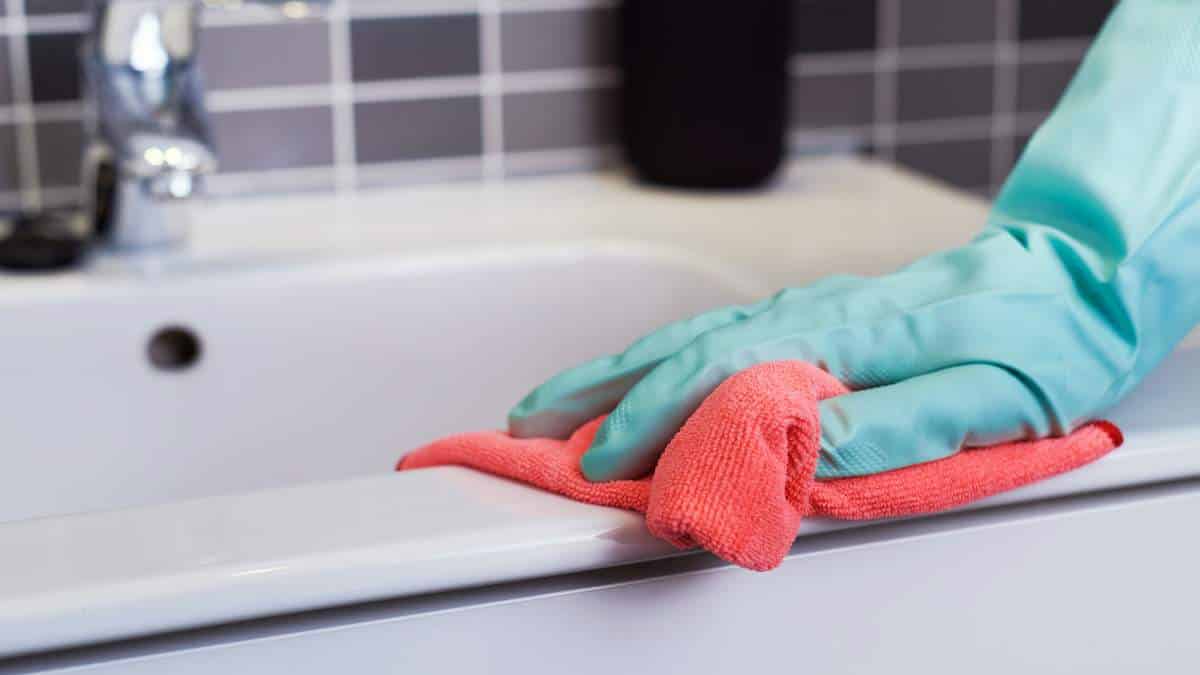
Are your kitchen towels harboring dangerous bacteria? Find out how to maintain kitchen hygiene, protect children, and clean effectively without toxins!
Table of Contents
- Why Are Kitchen Cloths a Dangerous Breeding Ground for Bacteria?
- Most Common Threats: MRSA, E. coli, and Other Pathogens in the Kitchen
- Proper Kitchen Hygiene – How to Wash, Replace, and Dry Cloths?
- Toxins in Cleaning Agents and Safe Cleaning
- Children in the Kitchen: How to Teach Safe Hygiene Habits?
- Eco-friendly and Safe Alternatives to Traditional Dish Cloths
Why Are Kitchen Cloths a Dangerous Breeding Ground for Bacteria?
Kitchen cloths play an invaluable role in our homes—used to wipe countertops, dry hands, polish glass, or collect dirt from various kitchen surfaces. Unfortunately, this everyday multitasking makes them true magnets for bacteria, viruses, and fungi. Moisture, warmth, and food residues create ideal conditions for pathogens to multiply, and in the kitchen—where we frequently handle eggs, raw meat, vegetables, and fruits—the risk is heightened even more. Cloths thus become a dangerous reservoir of microorganisms that spread to other surfaces, and even to our hands. Recent scientific studies confirm that an average kitchen cloth can harbor hundreds of thousands of bacteria colony-forming units, including potentially dangerous forms such as Salmonella, Escherichia coli (E. coli), Listeria monocytogenes, or Staphylococcus aureus. Using the same cloth for different activities promotes the transfer of pathogenic microorganisms from one place to another, while the frequent presence of moisture and food proteins or sugars provides nourishment for germs. In addition to bacteria, poorly maintained cloths can foster fungi, yeasts, and molds, which may trigger allergic reactions and serious infections—particular risks for children, the elderly, and those with weakened immune systems. A dirty kitchen cloth is much more than just an unsightly accessory – it’s an invisible threat that can easily transfer to food, dishes, or hands, resulting in serious food poisoning.
It’s also important to note that many people mistake a cloth’s cleanliness by its appearance and smell, thinking that if dirt isn’t visible, there is no cause for concern. Unfortunately, most pathogenic microorganisms are invisible to the naked eye, and they multiply rapidly—within hours of using a wet cloth, bacteria counts can increase a thousand-fold! Research has shown that kitchen cloths can be even dirtier than cutting boards or dish sponges, surpassing them in the amount of dangerous germs. Be aware that even a brief contact of freshly washed food with an infected cloth can result in contamination and transfer of toxins into the body. Families with young children and seniors are particularly at risk, as bacterial poisoning may have serious health consequences. Ignoring regular replacement, proper washing, and drying of cloths—or using the same cloth for different tasks—can turn a culinary haven into a ticking bacteriological time bomb. That’s why kitchen cloth hygiene requires much more attention than one might assume, and a cautious approach is key to effectively protecting your family’s health.
Most Common Threats: MRSA, E. coli, and Other Pathogens in the Kitchen
Kitchen cloths, although seemingly harmless, may become one of the most serious sources of infection in the home kitchen. Daily contact with fresh meat, poultry, fish, eggs, and even unwashed vegetables allows various bacteria and viruses to transfer onto fabric surfaces, creating optimal conditions for pathogen growth. Particularly dangerous bacteria that may exist on dirty kitchen cloths include Staphylococcus aureus MRSA (methicillin-resistant golden staph), Escherichia coli, Salmonella, Listeria monocytogenes, and Campylobacter. MRSA, commonly known for hospital infections, can find its way into kitchens via hands, skin, or contact with surfaces wiped by cloths. It’s especially dangerous because it resists most standard antibiotics; its entry into wounds or mucosa can cause severe skin infections or, in extreme cases, sepsis or pneumonia. E. coli is another dangerous microbe, frequently clinging to raw meat, unwashed vegetables and fruits, as well as dirty surfaces. A particularly hazardous variety, E. coli O157:H7, causes difficult-to-treat diarrhea and abdominal pain, while in children and the elderly, it can lead to severe complications including kidney failure. The presence of these bacteria on kitchen cloths is mainly due to improper storage and infrequent washing, as well as failure to separate cloths used for different surfaces. Salmonella, usually found in animal products, can also easily spread to hands, counters, and cloths while preparing meals and causes strong symptoms of food poisoning—vomiting, diarrhea, and fever—which are especially dangerous for children, pregnant women, or immunocompromised individuals.
Equally threatening are Listeria monocytogenes, bacteria causing listeriosis—a disease particularly dangerous to pregnant women, potentially leading to miscarriage or serious newborn complications. Listeria thrives in moist cloths, often also detected on cutting boards, knives, and sponges. Kitchen surfaces and utensils used during raw product preparation may spread not only Listeria but also Campylobacter, responsible for most non-bacterial food poisonings in Europe. These bacteria typically transfer onto cloths when wiping off meat splashes or cleaning seafood juices. It’s also worth noting that not only bacteria pose risks—viruses, such as norovirus or rotavirus, can also adhere to fabrics and cause severe poisonings with intense diarrhea and dehydration. Additionally, fungi and molds may develop on cloths left damp, and their microscopic spores can cause allergic reactions, worsen asthma, and negatively impact the respiratory system. Microbiological studies clearly show that kitchen cloths are among the most contaminated household items, often harboring more bacteria than the toilet or sink. Using the same cloth for several days without washing, leaving it damp or warm after cleaning, can create a true biological bomb on its surface. This is especially dangerous in homes with small children or elderly people who have weakened immune defenses. Never forget that most dangerous pathogens are invisible, yet their presence in the kitchen may trigger serious health consequences for the whole family, so regular and proper cleaning of kitchen cloths should be a daily habit.
Proper Kitchen Hygiene – How to Wash, Replace, and Dry Cloths?
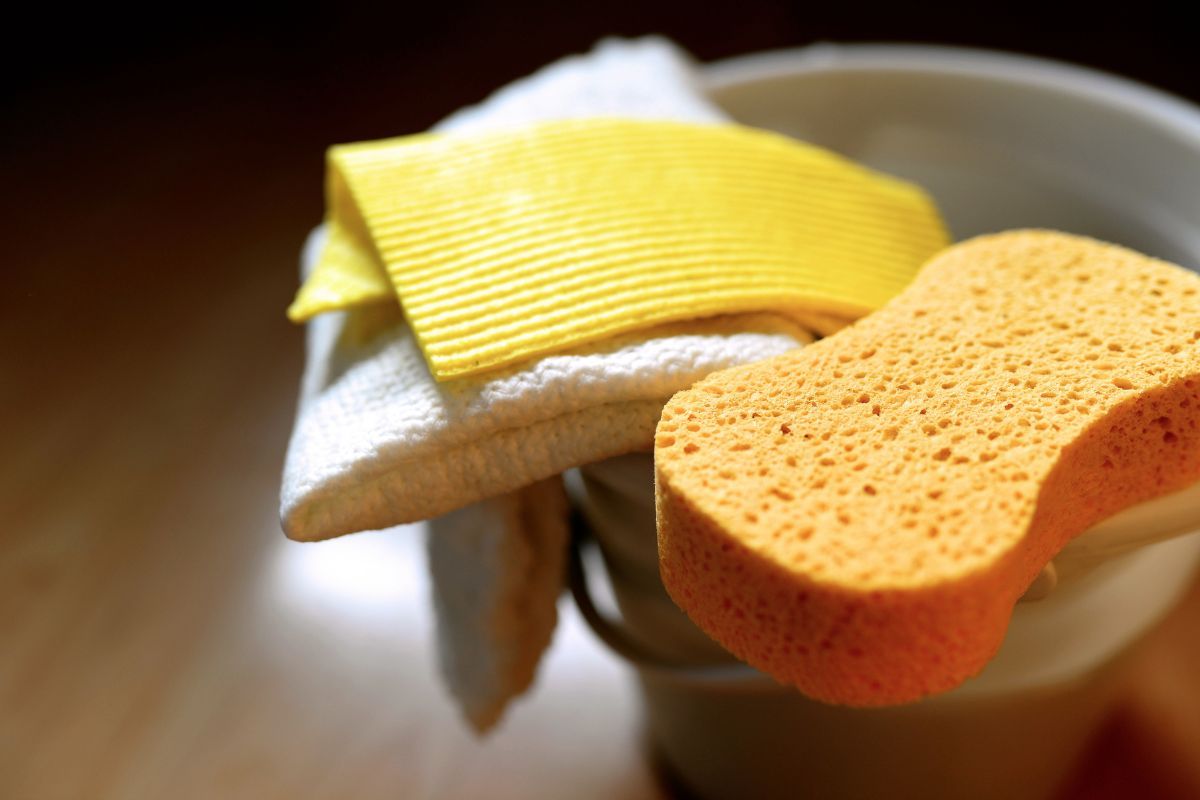
Maintaining cleanliness in the kitchen starts with special care of daily-use accessories—especially kitchen cloths. The key to effective protection against bacteria is regular washing, frequent replacement, and proper drying techniques. Cloths used to wipe hands, counters, dishes, or spills should be washed more frequently than many people assume—ideally every day or every other day, especially in homes with children or elderly residents. Both for fabric and microfiber kitchen towels, it’s recommended to wash at a minimum of 60°C (140°F), which effectively destroys most bacteria, viruses, and fungi. It’s best not to wash kitchen cloths with other textiles, to avoid transferring germs onto clothes or bathroom towels. Also, avoid fabric softeners, which may leave chemical residues on the fabric, reduce absorbency, and encourage pathogens to multiply. Opt for mild antibacterial detergents or eco-friendly solutions, such as baking soda and vinegar, which are effective yet safe for the skin and home health.
Proper cloth care doesn’t end with washing—frequent replacement and correct drying are equally important. Never use one cloth for multiple purposes—dedicate separate cloths for dishes, counters, or hands, preferably color-coded or specially marked. Change cloths immediately after contact with raw meat, eggs, or fish, after heavy cleaning, and if a cloth has been left damp in the kitchen, as moisture provides ideal conditions for bacterial growth. After use, thoroughly rinse cloths in hot water, wring them out, and hang them in a well-ventilated spot—avoid folding or bunching them at the sink, where they dry slowly. Drying is best in a place with good airflow or on a radiator in winter to quickly remove moisture. Using a tumble dryer or sun drying outdoors is also ideal, as UV rays further inhibit pathogen growth. Regularly check your cloths’ condition—replace immediately if you notice stubborn stains, bad smells, loss of absorbency, or holes. These practices not only minimize bacterial growth but also prolong the life of kitchen textiles, ensuring cleanliness and safety for the entire family, no matter the season. With simple, consistent habits in washing, drying, and storing kitchen cloths, your kitchen becomes free of invisible threats, and daily meal prep is safe and comfortable.
Toxins in Cleaning Agents and Safe Cleaning
Common cleaning agents used in the kitchen—dishwashing liquids, antibacterial sprays, bleaches, or degreasers—may contain various chemicals that not only kill bacteria but also leave toxic residues on surfaces and fabrics. Some of the most dangerous ingredients include chlorine, ammonia, formaldehyde, phenols, parabens, as well as synthetic fragrances and colorants. Studies prove that regular contact with these substances can cause chronic skin and respiratory irritation, even hormonal disruptions and the development of allergies, especially in children and those with lowered immunity. Ironically, chemical products intended to ensure kitchen hygiene may gradually worsen inhabitants’ health and create harmful volatile compounds in home air. For dish cloths, the problem is especially significant—fabric fibers absorb detergents and may then release them during contact with food, dishes, or children’s hands. Also concerning are residues of SLS (sodium lauryl sulfate), SLES (ethoxylated sodium lauryl sulfate), and EDTA (disodium EDTA), which lose effectiveness after repeated washing, but their toxins can accumulate in fabric, increasing the risk of allergic reactions, dermatitis, or hormone disruption. High moisture in cloths further activates harmful chemicals and allows microorganism growth even despite regular cleaning. Examine cleaning product labels regularly and avoid those with long, vague ingredient lists or containing petroleum-based or aggressive detergents that can damage fabric structure and cause rapid wear.
As an alternative, increasingly valued by conscious consumers, eco-friendly and biodegradable cleaners use natural ingredients such as baking soda, citric acid, spirit vinegar, borax, or natural essential oils with antiseptic properties (like tea tree, lemon, lavender, or eucalyptus). Such products effectively combat pathogens without leaving poisonous residues on cloths and other surfaces. Their use significantly reduces the risk of allergy and doesn’t negatively affect your skin’s microbiome or your respiratory system, while maintaining high cleaning efficacy. Regular use of natural disinfecting solutions not only raises kitchen hygiene but also extends the life of cloths without weakening absorbency or fiber strength. More manufacturers now offer eco-friendly liquids and sprays with Ecolabel, Vegan, or Allergy UK certification, proving effectiveness need not come with harm. For the DIY-inclined, homemade cleaning blends (such as water, vinegar, and a few drops of essential oil) provide a cheap and efficient alternative to conventional detergents—not only protecting your household but the environment too. Remember, effective washing of kitchen cloths can be achieved without aggressive bleaches—hot water and natural Marseille or castile soap suffice. This neutralizes bacteria and potential toxins, minimizing the risk of transferring hazardous substances to food, dishes, and hands. Implementing ecological cleaning practices ensures not only cleanliness and freshness, but also limits exposure to chemical toxins, benefiting the whole family’s health and everyday meal safety.
Children in the Kitchen: How to Teach Safe Hygiene Habits?
Developing proper hygiene habits in children for the kitchen is essential—not only for their own health, but for the safety of the whole family. From an early age, it’s worth involving your child in daily kitchen routines and teaching them about basic cleanliness rules and the dangers of bacteria lurking on kitchen cloths and work surfaces. The most crucial step is to teach systematic hand washing before any kitchen activity, after contact with raw foods, and after wiping counters or cleaning spills. Many parents forget that children learn most effectively by example, so performing these tasks together—explaining the sequence and reason behind the actions—will help instill good habits for a lifetime. Encourage children to use their own cloths (preferably in a different color than the rest) and clearly separate use—one should be for drying hands, another for dishes, another for cleaning counters or tables. Discuss the dangers of improper textile use, mentioning bacteria like Salmonella, E. coli, or viruses causing diarrhea. This helps children realize hygiene is not just about tidiness, but real health protection. Joint washing and drying of cloths is a great opportunity to show why keeping textiles clean and changing them often—especially after handling raw food or when they start to smell—is so important. Show the difference between a fresh, clean cloth and one that’s damp and overdue for washing, emphasizing that even invisible bacteria can be dangerous.
Another important educational element is explaining the value of natural, safe cleaning agents, like vinegar, baking soda, or lemon—they’re not only effective but also safe, especially if there’s accidental food contact. Children taught early to reach for eco-friendly solutions are far less likely to use toxic products later in life. Jointly preparing homemade cleaning products can be fun and educational—kids love mixing baking soda and vinegar and observing the reaction. Also explain how to clean different kitchen surfaces properly, and when a cloth should be rinsed, replaced, or washed. Color-coding or using different patterns on cloths is a great way to help even the youngest kids avoid mix-ups. During cooking and cleaning, remind children not to touch their face or mouth with dirty hands or cloths, and that thorough handwashing is mandatory after touching waste or raw meat. Teach that regular kitchen airing and storing cloths in a dry, airy place reduces dangerous germ growth. Clear cleaning rules like “Clean cloth, clean kitchen” or “We change cloths every two days” teach responsibility for shared spaces. Instilling these routines long-term reduces the family’s risk of food poisoning and fosters independence and care for one’s own and others’ health.
Eco-friendly and Safe Alternatives to Traditional Dish Cloths
Rising ecological awareness and increased concern for household health are driving more people to seek alternatives to traditional synthetic kitchen cloths. Unlike microfiber, polyester, or other synthetic fiber models—which can release microplastics into water during washing—eco alternatives rely on natural materials like organic cotton, linen, bamboo, or hemp. Cloths made of certified organic cotton stand out for their durability, softness, full biodegradability, and chemical-free dyes—making them safe for allergy sufferers and children. Linen cloths are also growing in popularity, featuring exceptional absorbency and rapid drying, further minimizing bacteria and unpleasant odors. Linen is naturally antibacterial, cultivated with little need for pesticides or artificial fertilizers, giving such products a much smaller carbon and chemical footprint than conventional textiles. Bamboo cloths are another frequent choice—offering high absorption, natural resistance to fungi and bacteria, and as a crop, growing rapidly without pesticides or much water, making it among the world’s most sustainable resources. Bamboo fiber cloths are unusually gentle, safe for sensitive skin, and ideal for eco-minded users, particularly for children.
Eco-friendly kitchens also favor reusable products—instead of disposable paper towels or ready-wet wipes soaked in detergent, switch to natural, compostable alternatives that can be thrown on the compost heap when worn out, cutting waste to landfills. Hemp fiber cloths excel at effective cleaning and are naturally antibacterial, working without need for powerful chemicals. Swedish-style cellulose cloths, made from cellulose and cotton, are remarkably durable, highly absorbent, and fully biodegradable. Consider also using scrubbers and cloths from recycled materials—recycled textile fiber cloths not only give “new life” to resources but save new raw materials as well. Often, homemade cloths can be sewn from old, unused cotton or linen tablecloth remnants, fitting perfectly with a zero-waste lifestyle. Enhance green alternatives with proper care—washing with natural agents like soap nuts, natural soap, or eco-friendly powders extends lifespan and keeps cloths toxin-free, protecting both health and groundwater. Always look for certifications (OEKO-TEX, GOTS, EcoLabel) to guarantee non-toxic and responsible sourcing. Investing in safe, natural cloths not only supports personal and environmental health, but also models ecological daily habits to children and cohabitants. In the long run, eco alternatives help battle plastic waste and reduce household exposure to chemicals, providing a healthier, more sustainable environment for every family.
Summary
Kitchen cloths are often underestimated sources of dangerous bacteria such as MRSA or E. coli, putting household members at risk of infection—especially in warm and humid kitchen conditions. Proper care, systematic replacement, and wise use of cleaning agents are key to a safe kitchen. Harmful chemicals can be replaced with eco solutions that don’t harm your health. Educating children in kitchen hygiene from an early age reduces the risk of infection. By adopting good habits and reaching for safe alternatives, we effectively protect ourselves and our loved ones from invisible threats.


