

Is popcorn healthy? Learn about nutritional values, calories, properties, risks and how to prepare the healthiest popcorn at home.
Table of contents
- Popcorn – basic information and nutritional values
- How many calories does popcorn have? Effects on diet and weight loss
- Health benefits of popcorn: fiber and antioxidants
- How does popcorn do harm? Trans fats, salt and carcinogens
- The healthiest popcorn: how to prepare it at home
- Summary: Is it worth eating popcorn and what to watch out for?
Popcorn – basic information and nutritional values
Popcorn, also known as roasted corn, is one of the most popular types of snacks around the world – not only during movie screenings, but also as a quick and light way to satisfy hunger between meals. Its history dates back to antiquity – already the indigenous peoples of the Americas exploited the properties of a unique variety of corn with hard kernels that explode under high heat and turn into a fluffy, crunchy snack. Popcorn in its pure form is made without added fats, sugars or artificial substances, and is based only on corn and the right temperature. Importantly, unlike most popular chips or sticks, popcorn in its natural version is a whole-grain product, so it retains the most valuable nutrients present in the corn kernel – dietary fiber, B vitamins and minerals, including magnesium, phosphorus, iron or zinc. Corn itself is gluten-free, so popcorn is a safe snack for people on a gluten-free diet. It’s worth knowing that popcorn prepared on its own without the addition of vegetable fats, large amounts of salt, butter or caramel found in movie theater or microwave-ready versions has the highest nutritional value.
A serving of freshly roasted popcorn (about 30 g, or a classic small bowl) provides an average of 110-130 kcal, depending on the method of preparation and the number of possible additives. For a snack, popcorn is distinguished by its high content of dietary fiber – in 100 g there are up to 14 g of this ingredient, which supports digestion and gives a feeling of satiety for longer than most other low-fiber snacks. In addition, you’ll find valuable antioxidants, including polyphenols, which have been shown to support the immune system and can protect cells from oxidative stress. Popcorn also contains small amounts of fat (about 1 g per 30 g of product) and a moderate amount of protein (about 3 g per 30 g), which, while being low in calories, makes it an interesting option for weight watchers or those reducing calories. Natural corn also provides vitamins B1 (thiamine), B3 (niacin) and minerals – especially magnesium, iron, zinc, phosphorus and potassium. It is worth noting that the greatest value for health is popcorn prepared by the dry method (in hot air or in a dry pan) – without fat and excess salt. Versions available in movie theaters or pre-packaged for the microwave differ significantly in nutritional value from this natural snack, as they often contain large amounts of hydrogenated fats, glucose-fructose syrup, artificial flavors or preservatives. In conclusion, consumed in moderation, fresh popcorn – without unnecessary additives and in the right portion – can be an excellent source of valuable nutrients and an alternative to highly processed snacks.
How many calories does popcorn have? Effects on diet and weight loss
Popcorn as a snack is extremely popular due in part to its distinctive flavor and versatility of use. However, the key question that arises when composing a healthy diet and during weight loss is: how many calories does popcorn have and how does it affect weight reduction? It is worth knowing that the energy value of popcorn is closely related to the way it is prepared and the additives that often go into the finished products. Freshly prepared popcorn made from corn kernels, without any added fat or sugar, contains an average of 110 to 130 kcal per 30 gram serving (about 3 cups of roasted corn), which makes it a relatively low-calorie snack, especially compared to traditional chips or salty sticks. Its biggest advantage is its high fiber content – there can be as much as 3-4 grams of fiber per serving, which has a positive effect on the feeling of satiety and can reduce snacking on other, more caloric snacks. Popcorn prepared at home in hot air is an option in which the amount of fats is negligible and calories remain low. However, already in the case of popcorn prepared with added fat – for example, in oil or butter, and cinema or microwave-ready versions – the caloric content of the product increases by as much as two or three times. A 30 g serving of popular buttered popcorn can contain 180-220 kcal, and if the product is additionally salted, cheesy or caramelized (sweet), the energy value can exceed as much as 300 kcal, providing large amounts of trans fats, sugar and salt, which are not conducive to health or healthy body weight.
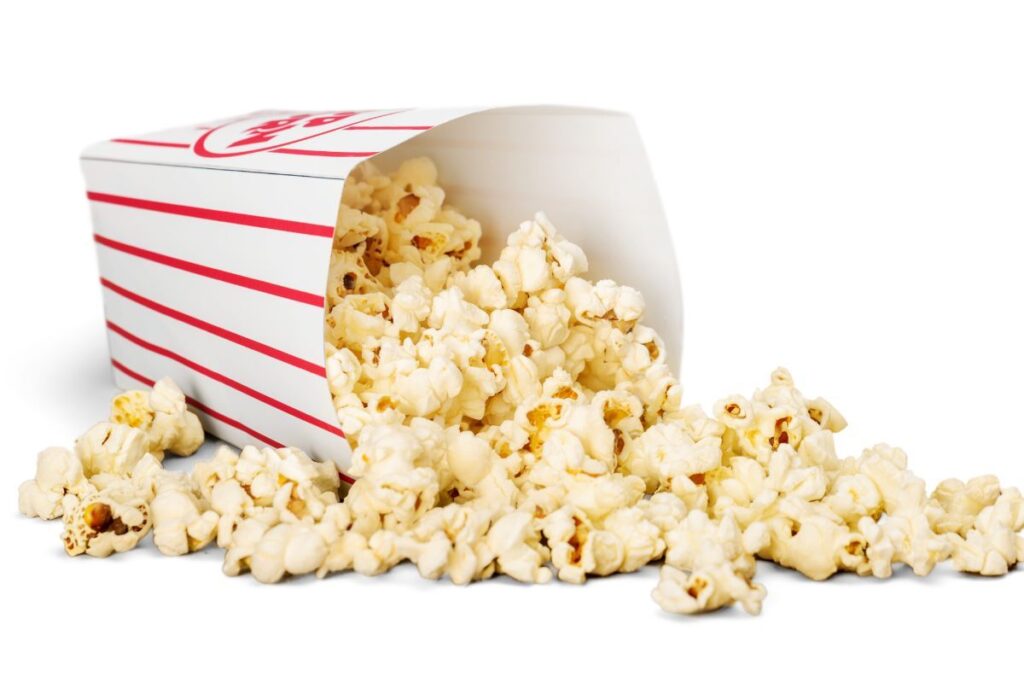
Properly incorporating popcorn into a weight-loss diet requires prudence and a conscious choice of the type and preparation of this snack. Natural popcorn prepared at home, without fats, excess salt or sugar, can work in favor of those striving for weight loss. Thanks to its high fiber content, the rate of digestion of popcorn kernels is moderate, which helps keep the feeling of satiety longer and prevents hunger attacks. Studies show that whole-grain products – like roasted corn – help control appetite, and can positively modulate glucose and insulin levels. The glycemic index of popcorn is also important for people who care about the line: its value also depends on the preparation (popcorn without additives has a GI of about 55, while versions with sugar or fat even have a GI of 80 or higher), so it is most beneficial to choose “dry” popcorn from a hot air machine or from a pot without fat. In the context of a weight loss diet, it is also worth paying attention to the volume of popcorn – a large amount of low-calorie product provides the impression of a “large portion” with moderate energy, which is important for mental comfort during weight loss. However, even healthy homemade popcorn is best consumed in moderation and always include it in the daily caloric balance, so as not to exceed the daily energy requirements. Keep in mind that any additives, such as butter, powdered cheese or ready-to-use seasoning mixes, significantly increase the caloric content of the snack, which can nullify the efforts of those losing weight. Incorporating popcorn into a healthy, balanced diet as an item eaten occasionally, in controlled portions, can prove to be a smart way to satisfy the craving for “crunch” without remorse and a substitute for highly processed snacks, provided that the principles of rational nutrition and moderation in consumption are followed.
Health benefits of popcorn: fiber and antioxidants
Popcorn, as a product obtained from whole corn kernels, is distinguished by its richness in dietary fiber, making it a valuable snack to support the health of the digestive system. Adequate dietary fiber is crucial for maintaining proper intestinal peristalsis, and a serving of popcorn (about 30 g) provides 3.5 to as much as 5 g of fiber, which is about 15-20% of an adult’s daily requirement. Dietary fiber not only aids digestion, but also regulates blood glucose levels, delaying the absorption of carbohydrates and preventing sugar spikes. This is especially important for those concerned about the prevention of type 2 diabetes and those struggling with insulin resistance. In addition, fiber intake is associated with lowering levels of so-called “bad” LDL cholesterol, which promotes cardiovascular protection and reduces the risk of atherosclerosis and heart disease. An adequate supply of fiber is also invaluable during weight loss – even a small serving of popcorn satiates you for longer, reducing cravings for caloric and processed snacks. Scientific studies confirm that people who consume whole-grain products such as popcorn are more likely to maintain a healthy body weight and stable energy levels throughout the day. This makes natural, unprocessed popcorn gain a name as a functional snack not only for people who care about their weight, but also for those who want to take care of their gut health.
In addition to fiber, popcorn also provides valuable antioxidants that play a key role in protecting the body from oxidative stress and cellular aging processes. The best-known antioxidants present in corn kernels are polyphenols, especially ferulic acid, which neutralize free radicals that can damage cells’ DNA, proteins and lipids in the human body. According to research, popcorn contains up to three times more polyphenols than popular fruits and vegetables – but the form in which popcorn is consumed is important. Natural popcorn, prepared without fat and artificial additives, retains most of the valuable active substances. The presence of polyphenols is associated with a lower risk of developing many chronic diseases, such as cancer, neurodegenerative diseases and cardiovascular diseases. An additional health-promoting ingredient in popcorn is B vitamins, responsible for proper metabolism and nervous system function. As a whole grain, popcorn also provides magnesium, phosphorus and iron, necessary for proper nerve conduction, energy production or hemoglobin synthesis. It is worth noting that roasting corn kernels in a dry, hot atmosphere preserves the most nutrients and antioxidants, which is why popcorn prepared in a dry pan or popcorn machine is considered the healthiest. By avoiding the addition of fat, salt or sugar, the health-promoting values of popcorn are not offset by the harmful ingredients present in ready-made versions of this snack. All this means that popcorn can be not only tasty, but also a highly valuable item in the daily diet, especially if consumed consciously, in its natural form.
How does popcorn do harm? Trans fats, salt and carcinogens
Popcorn, especially in microwave-ready or classic movie theater snack form, can negatively affect health due to the use of harmful additives and the way it is prepared. One of the main risks to consumers is the presence of trans fats, which are created by the industrial hardening of vegetable fats. It is these types of fats that are commonly used in pre-made mixtures for microwave popcorn or movie theater popcorn, as they provide crunchiness and extend the shelf life of the product. Trans fats have a very negative impact on heart health: they contribute to an increase in “bad” LDL cholesterol and a decrease in “good” HDL cholesterol, thus increasing the risk of atherosclerosis, ischemic heart disease and heart attack. Regular consumption of snacks with trans fats has been closely linked to a higher risk of developing type 2 diabetes, obesity and even some cancers. Unfortunately, on the labels of many prepared products, information about the presence of trans fats is often disguised as “partially hydrogenated vegetable oils,” so consumers should read the composition of popcorn and avoid products containing such fats.
Another factor negatively affecting health is the high salt content of finished popcorn. A serving of cinema popcorn can contain as much as 2-3 grams of salt, which is equivalent to more than half of the recommended daily sodium intake for an adult. Excessive sodium intake is one of the main factors in the development of hypertension, which in turn increases the risk of stroke, heart attack or chronic kidney disease. A long-term diet high in salt leads to water retention in the body, stress on the heart and can promote the development of osteoporosis. The problem doesn’t apply only to salted popcorn – even flavored variants, such as cheese, caramel and butterscotch, can contain large amounts of hidden salt. In addition, it is worth noting the presence of potentially carcinogenic substances formed during the production and preparation of popcorn in the microwave. The most serious threat is diacetyl, a synthetic chemical compound used in butter flavorings used in microwave popcorn. Inhaling the vapors of this compound leads to so-called “popcorn disease,” or irreversible damage to the lungs, and contact with the substance itself can be harmful to health. In addition, roasting popcorn at too high a temperature leads to the formation of acrylamide, a chemical compound classified by the World Health Organization as potentially carcinogenic to humans. Acrylamide is formed in carbohydrate-rich products subjected to high temperatures (such as when frying, roasting or roasting corn). High intake of acrylamide has been linked to a higher risk of developing various types of cancer, especially in people with regular dietary exposure to it. Also problematic is microwave popcorn packaging, which are often coated with PFAS (perfluoroalkyl) compounds, which serve to retain fat and prevent leakage. Experts believe that these compounds, when permeating food, can negatively affect the endocrine system, liver or immunity, and have carcinogenic potential. Therefore, the regular consumption of microwave popcorn and prepared snacks containing trans fats, excess salt, synthetic flavors and high-temperature reaction products are associated with significant health risks and should not be the main source of snacks in the daily diet.
The healthiest popcorn: how to prepare it at home
The preparation of the healthiest popcorn at home is based on a few simple but extremely important principles, thanks to which we maximize its nutritional value and minimize potential health risks. The key element is to choose pure corn kernels for roasting, preferably organic and from a trusted source – this is a guarantee that they do not contain pesticides, preservatives or potential allergens. The second step is to avoid any ready-made mixtures for the microwave, which are usually saturated with fat, salt, flavor enhancers and other additives that worsen the health profile of this snack. The healthiest method of roasting popcorn is the so-called dry method, i.e. heating the kernels in a suitable vessel without the addition of oil – a special popcorn pot, a heavy-bottomed skillet or even an ovenproof dish is an excellent option. You can, of course, use a minimal amount of healthy fats, such as cold-pressed canola oil or extra virgin olive oil, which are heat-resistant and a source of beneficial fatty acids, but avoid butter or hydrogenated fats. A very good way to prepare diet popcorn is also to use a hot-air roasting device (air-popper), in which popcorn is prepared without any fat, and its calorie and fat content is minimal. Popcorn prepared in this way retains its most valuable advantages: it is light, rich in fiber, B vitamins, magnesium, iron and antioxidants, and does not contain any unnecessary additives – so it is a snack suitable for children, people watching their weight, people with hypertension or lipid disorders.
A very important aspect that determines the healthfulness of popcorn is what additives we supplement it with. The most common mistake is to go for a large amount of salt or butter, which not only increases calories, but also disrupts the body’s sodium-potassium balance and puts a strain on the cardiovascular system. Instead, opt for natural spices and herbs, which not only give popcorn a great taste, but also enrich it with additional bioactive substances. Paprika powder, garlic, turmeric or rosemary are delectable alternatives to salt, in line with the anti-inflammatory diet. It is also increasingly popular to lightly dust popcorn with inactive yeast, which enhances its flavor and provides B vitamins and protein. Sweet versions can also be prepared – instead of sugar or glucose-fructose syrup, it is recommended to sprinkle popcorn with cinnamon or a little natural cocoa, which strips the snack of excess empty calories, while increasing the antioxidant content. For those on a vegan or gluten-free diet, popcorn prepared on your own at home is one of the safest choices – just make sure to label the kernels gluten-free on the package and use only natural additives. Importantly, homemade popcorn allows you to consciously control your portion size and total calorie balance – unlike ready-made snacks, where it’s easy to exceed your daily limit due to hidden ingredients. Regularly reaching for homemade popcorn, prepared according to the principles of minimal processing, supports a healthy diet, helps reduce the desire for unhealthy sweets and chips, and is part of the fashionable trend of careful and conscious eating. Preparing popcorn at home is both quick, economical and provides an opportunity for creative play with flavors, which encourages experimentation and enhances the quality of everyone’s daily diet at home.
Summary: Is it worth eating popcorn and what to watch out for?
As a whole grain snack, popcorn has many health benefits and can be a valuable part of a balanced diet, but it is worth approaching its consumption consciously, paying attention to the type and method of preparation. Natural popcorn prepared dry or using hot air, with no added fats or sugar, is low in calories and rich in fiber, which supports digestion, provides long-lasting satiety and helps with weight control. In addition, the presence of antioxidants in corn contributes to the protection of cells from oxidative stress, and minerals such as magnesium, iron and zinc support the proper functioning of the body. It is worth remembering that healthy popcorn can be an excellent alternative to less valuable snacks like chips or sticks, especially for those concerned about their weight and heart health. Despite its positive nutritional profile, however, popcorn consumption should be controlled, especially because of the potential effects of over-eating fiber, which in sensitive individuals can result in gastrointestinal complaints. For those on reduction or elimination diets, popcorn can be helpful in maintaining a feeling of satiety with low calories, but the amounts and sources of additives, as well as the calorie content of servings, should be checked to avoid unconscious excess energy in the diet. Conversely, people who are allergic to corn should eliminate popcorn from their diets altogether.
The key aspect that determines whether popcorn will be a healthy snack is how it is prepared and the additives used. Cinematic and microwave-ready versions, while convenient and popular, most often contain significant amounts of undesirable substances, such as trans fats, excess salt, glucose-fructose syrups, artificial flavors or preservatives. Regular consumption of popcorn from such sources can lead to an increased risk of heart disease, hypertension, type 2 diabetes and obesity. In addition, the production of microwave popcorn produces potentially dangerous compounds, such as diacetyl (used in flavorings) and acrylamide (formed during overheating), which are suspected carcinogens and toxic to the nervous system. Chemicals from packaging, such as PFAS, which accumulate in the body and can affect hormones and immune function, can also be an unseen threat. For this reason, when choosing popcorn, it’s best to go for organic grains, roasting them yourself in a pan or hot air roasting device, forgoing excess fat, salt and ready-made mixes. It’s worth experimenting with natural flavorings – herbs, dried vegetables or a light sprinkling of Parmesan cheese – that will enhance the flavor without compromising health. When including popcorn in your diet, remember to exercise moderation so that you do not exceed your daily caloric needs, as well as carefully read the labels of finished products and avoid highly processed variants. Popcorn – consumed sensibly, consciously and in the right proportions – can be a tasty, nutritious and, above all, safe addition to a healthy diet for people of all ages.
Summary
Popcorn can be a healthy snack, but only if you prepare it properly. Unroasted in fat, without added salt or sweetened toppings, popcorn is low in calories and rich in fiber, promoting digestion and satiety. However, it’s worth remembering the pitfalls of ready-made products – those from the microwave or with additives can contain trans fats, excess salt and unhealthy chemicals. It is best to choose popcorn created from roasting in hot air – then you benefit from its health-promoting properties while avoiding harmful additives. Adding popcorn to your diet – prepared at home, in moderate amounts – is a healthy choice for the whole family.


