
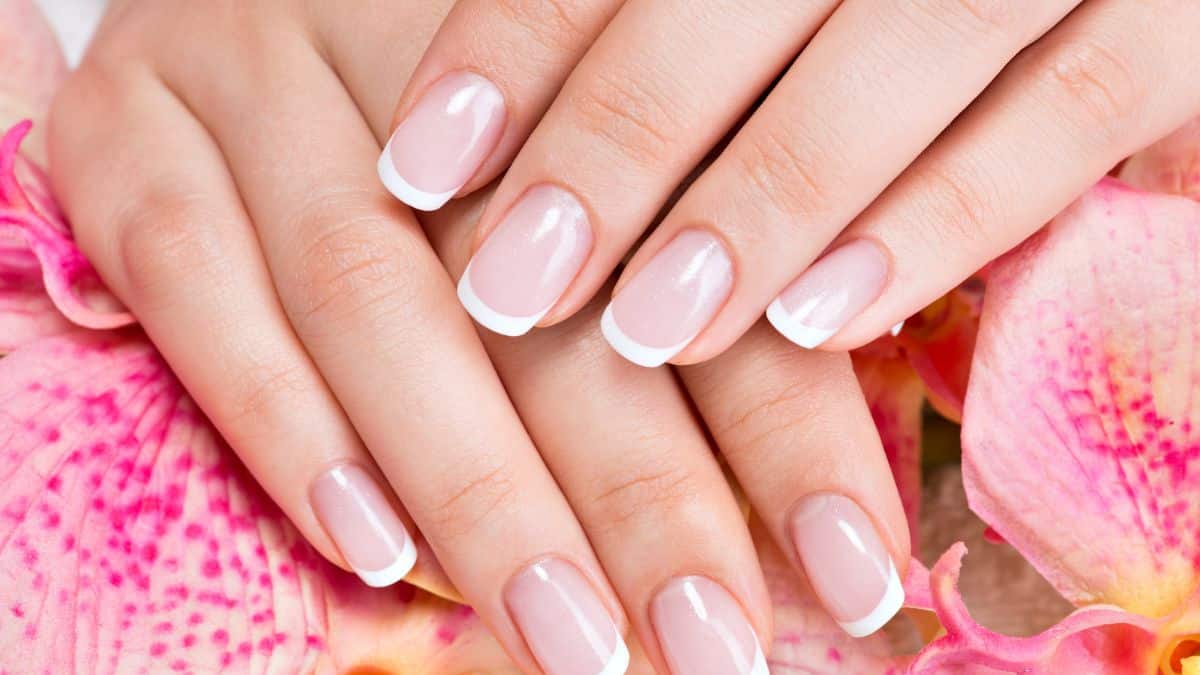
Learn how to effectively care for your hands and nails in winter. Expert advice: moisturizing, protection, regeneration, and home remedies for healthy hands!
Table of Contents
- Why Are Hands and Nails Especially Vulnerable in Winter?
- Daily Moisturizing – The Key to Soft and Healthy Skin
- Regeneration and Protection: Creams, Masks and Natural Oils
- Hand Peeling – How to Effectively Exfoliate Dead Skin
- Gloves and Protection from Frost – Essential Elements
- Diet, Habits, and Hygiene – Comprehensive Inside Care
Why Are Hands and Nails Especially Vulnerable in Winter?
Winter is a special test for our skin, and during this period, hands and nails are particularly exposed to a number of adverse environmental factors. Harsh temperatures, snow, wind, and ever-present moisture outside contrast with dry, warm air indoors due to heating. This constant shift in temperatures and humidity physically disrupts the skin’s natural hydrolipid barrier, which protects against water loss and prevents harmful substances from penetrating. During cold weather, blood vessels in the hands constrict, limiting nourishment and oxygenation, and as a result, regeneration and repair processes are slowed. The skin becomes dry, rough, begins to crack, and loses its elasticity, leading to painful wounds, irritations, and inflammation. Additionally, increased frequency and thoroughness of hand washing during winter—due to the cold and illness season—removes natural sebum from the skin’s surface, further intensifying dryness and exposing hands to detergents that can cause microdamage and allergic reactions.
Nails, much like the skin on your hands, also do not cope well with winter conditions. During this time, problems such as brittleness, splitting, or dullness of the nail plate increase. The main reason is excessive water loss and insufficient nourishment of the nail matrix. Lack of nutrients and slowed microcirculation result in thinner, more fragile nails prone to cracks and delamination, and nail growth becomes significantly slower. Frequent putting on and taking off gloves, contact with cold air or even freezing moisture, and sudden temperature changes can cause microcracks in both the skin and the nail plate. Furthermore, the heating season severely dries out indoor air, leading to dehydration of the whole body—including hands and nails. Poor habits, such as neglecting gloves or rarely applying protective creams, make the skin even more vulnerable to damage. Decreased body hydration, weakened skin lipid barrier, and a very limited nocturnal regeneration phase due to dry air, mean that hands and nails require much more attention and a variety of systematic protective and care measures in winter. Only such a comprehensive approach can effectively reduce the unpleasant effects of winter weather and allow you to enjoy healthy, beautiful hands all year round.
Daily Moisturizing – The Key to Soft and Healthy Skin
Daily moisturizing of the hands is absolutely crucial in winter, when low temperatures and dry air efficiently deprive our bodies of moisture. Moisturizing not only provides immediate relief for dry skin, but also actively creates a protective layer against external factors—frost, wind, or heated indoor air. It is a great practice to apply hand cream after every wash, preventing further water loss and rebuilding the skin’s natural lipid barrier. It’s equally important to choose products rich in intensely moisturizing and regenerative ingredients, such as glycerin, shea butter, argan oil, panthenol, or urea. These ingredients repair the skin structure, improve elasticity, smooth roughness, and eliminate the feeling of dryness. People with very dry or cracked skin should opt for heavier creams and apply intensive regenerating masks and wraps at night. You should also regularly perform gentle hand exfoliation to remove dead skin and prepare it for better absorption of active ingredients from creams. It’s wise to have hand cream not only at home but also at work, in the car, or in your bag, so you can always instantly respond to the first signs of dryness. This way, the skin remains soft, smooth, and crack-resistant even in extreme weather.
Moisturizing should be treated as a ritual and become a part of your daily skincare routine. After washing your hands with a gentle, fragrance-free soap or moisturizing cleanser, immediately pat your skin dry—never rub—and then apply a protective cream. If your hands need deep regeneration, use a special compress at least once a week: apply a thicker layer of rich cream or mask overnight under cotton gloves. Natural plant oils such as coconut oil, olive oil, or almond oil are also excellent, supplying not only hydration but also vitamins and antioxidants that aid skin renewal. You shouldn’t skip nail and cuticle care—here too, oils (such as castor, jojoba, or argan oil) are fantastic for improving nail health and preventing mattification and splitting. Bringing these treatments into your daily winter routine greatly reduces the risk of cracks, flaking, or redness. Also pay attention to ensure that your winter gloves are made from natural, breathable materials—this prevents excessive skin dryness and helps maintain optimal moisture. Such a comprehensive approach to daily hand and nail moisturizing and protection will let you enjoy healthy, well-groomed, and beautiful hands throughout the winter season.

Regeneration and Protection: Creams, Masks and Natural Oils
In winter, effective hand and nail care is based on proper regeneration and protection—going beyond daily moisturizing. The key role is played by intensive hand creams designed to rebuild the skin’s hydrolipid barrier. When choosing a hand cream for winter, pay special attention to ones containing rich fatty ingredients like shea butter, lanolin, argan oil, plus glycerin, vitamin E, and panthenol. These not only moisturize but also lock water in the skin, creating a protective film against cold and wind. Barrier or repair creams, in particular, strengthen the skin’s structure and speed up healing if you have chapping or microdamage. Apply creams regularly—ideally after every wash, before heading out, and at night (apply a thick layer for deep overnight action). If your skin is very dry or cracked, opt for creams with urea or allantoin for softening and regeneration. For deep recovery, use a hand mask at least once a week—or more often if needed—a thicker and more concentrated product for intensive, night-time repair. Hand masks often contain vitamin complexes, plant oils, aloe vera, honey, and even vitamin F, which helps maintain the skin’s lipid balance. The best results are achieved by applying the mask and securing your hands with cotton gloves, which retain warmth and boost absorption of active ingredients, even for very dry skin. Like creams, masks can be enriched with natural oils that penetrate deeper and have amazing protective and healing effects.
Natural oils are also irreplaceable in winter hand and nail care, delivering essential nutrients, regenerating and smoothing skin and nails. Argan, avocado, coconut, or almond oils are all rich in unsaturated fatty acids, vitamins A, E, D, and minerals, quickly restoring damaged skin and minimizing the risk of cracking and dryness. Regularly massaging a few drops of oil into hands and nails—especially in the evening—significantly improves elasticity and flexibility, soothes rough skin, and nourishes dry cuticles. They can be used alone or as an additive to your cream or mask for a boosted effect and global protection against frost and dry air. Castor oil is especially well known for strengthening nails and speeding their growth and recovery. Natural oils are great for home spa rituals—try soaking your hands in warm oil for several minutes to restore moisture and softness, and improve microcirculation. Enhancing these treatments with natural ingredients like honey, calendula, or lavender allows you to make your own homemade hand masks with strong soothing and anti-inflammatory properties. Regular regeneration should also be combined with gentle exfoliation to better facilitate oil and cream penetration and further boost hand condition, even in the harshest conditions. Caring for your hands and nails with creams, masks, and oils is an investment not just into health, but also a beautiful, well-groomed look that is especially important in winter when your hands are most exposed to harmful weather.
Hand Peeling – How to Effectively Exfoliate Dead Skin
Hand peeling is an extremely important element of care, especially in winter, when skin becomes rough, dry, and prone to cracking due to low temperatures and dry indoor air. Regularly exfoliating dead skin cells—once or twice per week—not only improves appearance and smoothness but also significantly increases the effectiveness of subsequent moisturizing and nourishing treatments like creams or oils. The main purpose of peeling is to remove dead cells that accumulate on the skin surface, making it look duller, reducing absorption of active substances, and contributing to the development of rough spots and microcracks. When choosing the right hand peel, go for dedicated products with gentle particles that do not cause microtrauma or overdry the skin. The best are those based on fine sugar, sea salt, or ground fruit seed grains, which remove dead skin effectively but gently. Enzymatic hand peels are also popular—they’re milder than typical scrubs, using fruit enzymes like papain or bromelain to “dissolve” dead cells without friction. Systematic use results in smoother, noticeably younger-looking skin and much stronger, more elastic nails, as absorption of regenerating substances is improved. For home peels, soak your hands beforehand in warm water with a few drops of oil or herbal infusion to soften skin and enhance exfoliation. There are many easy DIY recipes, the most popular being a mix of olive or coconut oil with brown sugar and lemon juice—this not only exfoliates but moisturizes too, delivering vitamins A and E and polyphenols to strengthen the skin’s lipid barrier and restore glow. Ground coffee or oat bran also works well, offering exfoliating, soothing, and nourishing benefits. Regardless of method, be gentle—massage in circular motions for two or three minutes, avoid harsh rubbing, especially if your skin is sensitive or damaged. After exfoliating, always rinse with lukewarm water, dry your hands, and apply a thick, regenerating cream to lock in moisture and enhance a velvety result.
Keep in mind that regular hand exfoliation is not just about aesthetics, but primarily about skin health and daily comfort during winter. Exfoliation boosts skin cell oxygenation, stimulates microcirculation, and speeds regeneration, resulting in firmer, more resilient hands. Gentle massaging during the process also improves blood flow, helping your skin absorb nutrients more effectively—crucial when your hands are exposed to harsh outside factors. Peeling also helps reduce discoloration and rough patches, ensuring an even, bright, and well-cared-for skin structure and minimizing tiny wounds. For those with very dry or sensitive skin, choose milder formulas without artificial dyes or fragrances—enzymatic or delicate scrubs with calming extracts like aloe, calendula, or oats are best. Also, do not use intense mechanical peeling on irritated or cracked skin to avoid worsening the situation—instead, go for gentle methods and focus on extra moisturizing and regeneration. Winter hand peeling is a key step in multi-stage care, helping prep your skin for optimal absorption of other products so your hands and nails stay in top condition despite difficult conditions.
Gloves and Protection from Frost – Essential Elements
Winter months are particularly tough for hand skin, which as one of the first parts of the body, comes in direct contact with adverse weather like frost, wind, and sudden temperature changes. Proper protection against these factors is a must for preventing dryness, cracking, and nail deterioration. Crucial here are good quality gloves that physically shield you from the cold and prevent chilling and rapid moisture loss. When choosing gloves pay attention to material—natural fibers such as wool, cotton, or quality leather provide optimal thermal insulation while allowing skin to breathe. Gloves should be loose enough not to constrict or limit circulation, as proper blood flow means healthier, well-oxygenated skin and nails. Avoid poor-quality synthetic gloves that may trap moisture and cause irritation or rashes. Remember to replace gloves each season and wash regularly, since bacteria and grime can accumulate and cause microdamage or skin condition deterioration.
Hand protection from frost should also be supported by the use of special winter creams that create a barrier on your skin to prevent moisture loss and guard against cold and wind. Such creams usually contain lanolin, waxes, shea butter, or plant oils—ingredients known for their occlusive properties. Applying protective cream should become routine before putting on gloves or going outside, especially in freezing temperatures. Remember, do not put gloves on wet hands—always dry them first and let cream absorb to avoid irritation and infection. Proper aftercare is also important—after returning home, gently warm your hands, avoiding sudden temperature changes that can break blood vessels and worsen dryness. Especially sensitive people should consider double or two-layer gloves for even better insulation. Gloves with water-repellent coatings are also especially effective, preventing soak-through during rain or snow. Wearing gloves—even for short outdoor periods—is one of the simplest and most effective ways to protect hands and nails in winter. Well-chosen gloves combined with regular moisturizing and protective care form an efficient barrier against winter’s unfavorable conditions, minimizing risk of irritation, frostbite, and loss of hand skin elasticity.
Diet, Habits, and Hygiene – Comprehensive Inside Care
Hand and nail health in winter is not only a matter of creams, masks, or gloves—comprehensive inside care including the right diet, habits, and hygiene is essential. A diet rich in nutrients provides the essential vitamins and minerals for skin and nail function. When fresh produce is scarce in winter, focus on vitamin A, E, C, biotin, zinc, silicon, and omega-3 fatty acids. Vitamins E and C are strong antioxidants that protect cells from oxidative stress and support regeneration. Biotin strengthens the nail plate, reducing brittleness, while zinc and silicon reinforce skin and hair. You’ll find these nutrients in nuts, pumpkin and sunflower seeds, eggs, fish, spinach, broccoli, whole grains, and healthy fats from olive oil and avocado. During winter, include legumes for valuable amino acids that help build collagen—the foundation of skin’s elasticity. Keeping hydrated is often overlooked in winter due to decreased thirst but drinking 1.5-2 liters of water daily helps hydrate the skin from within, improving elasticity and reducing the risk of dryness or chapping. Choose not only clean water but also herbal teas with anti-inflammatory effects (like chamomile, nettle, or horsetail) to support skin and nail health. Avoid excessive sugar, alcohol, and processed food as they encourage dehydration and worsen nail and hand skin condition.
Hygiene and building healthy habits also play a fundamental role in maintaining healthy, beautiful hands in winter. Avoid aggressive washing and harsh detergents—soaps without SLS/SLES or mild syndets help maintain the skin’s natural barrier. Always pat hands dry with a soft towel rather than rubbing, which may cause microdamage and increase dryness. Remember to care for nails by filing regularly but not too often, and never biting or picking at cuticles. To avoid fungal infections, always dry spaces between fingers thoroughly and use your own manicure tools. Change to dry gloves when wet and wash them frequently to reduce irritation and the spread of germs. Use rubber gloves during household chores to protect hands from chemicals and water. Regularly use gentle, naturally formulated antibacterial balms to keep hands clean without drying out your skin. Internal hand and nail care, healthy habit building, and proper hygiene are an investment in long-term skin health—preventing cracks, infections, and nail plate weakening, especially in challenging winter conditions. An integrated approach gives not only better external care results but also improved well-being and a natural, healthy appearance for your hands and nails.
Summary
Winter hand and nail care requires special attention and the implementation of simple but effective routines. Regular moisturizing, using regenerative creams and masks, gentle exfoliation, and protection from frost will ensure your hands look healthy and beautiful—even in the harshest conditions. Don’t forget proper diet and hygiene too, as they support skin health from within. Incorporate these practices into your daily life and your hands and nails will be your best calling card all winter long.


