

Learn the best ways to soothe and calm your baby. Discover effective methods for restful sleep and proper development of your child!
Table of Contents
- Why Do Babies Cry? Most Common Causes of Distress
- The 5S Method and Other Proven Baby Soothing Techniques
- Swaddling and Rocking – Safety and Comfort for Your Baby
- Evening Rituals – How to Prepare Your Baby for Sleep
- Natural Ways to Calm Your Baby Before Bedtime
- What to Avoid When Putting Your Baby to Sleep and Calming Them?
Why Do Babies Cry? Most Common Causes of Distress
A baby’s cry is one of the most universal and, at the same time, distressing sounds that new parents experience. Although it might seem that babies cry for no reason, in reality, crying is their main way of communicating needs and feelings. Crying is a natural form of expressing discomfort, hunger, fatigue, or the need for closeness. The most common reason for newborns and infants to cry is hunger—your baby’s tiny stomach requires frequent feedings, and a baby cannot yet signal their needs in any other way but through crying. Another frequent reason for unease can be discomfort due to overheating or being too cold. Babies, especially in their first months, are very sensitive to temperature changes—being dressed too warmly or not warmly enough can cause them distress. Equally important is a wet or dirty diaper, causing a feeling of dampness and skin irritation. It often happens that crying comes from a need for physical closeness—a baby needs affection, touch, and rocking to feel safe. Sometimes, babies cry due to tiredness or difficulties in falling asleep; too much stimulation, new experiences, or a noisy environment can easily upset them, leading to irritability and tears. Physical causes like colic, gas, gastroesophageal reflux, or teething can also make it difficult for babies to sleep peacefully and cause discomfort.
Aside from basic reasons like hunger or needing a diaper change, many other factors can cause babies to cry, especially in the early months. Developmental leaps linked to rapid nervous system growth make babies more irritable and uncertain about new experiences, and they often respond to them with crying. Being in crowds, loud noises, or an overload of visual stimuli can also have a negative impact on a child’s emotions. Anxiety may also arise if a baby can’t find a comfortable sleeping position or is in pain—even a tight piece of clothing, uncomfortable fastener, minor scratches, or allergies to cosmetics. Some babies cry out of habit—those who fall asleep while being rocked may cry if the routine is interrupted. Crying often intensifies in the evening when the fatigue of the whole day accumulates, especially if the day was full of intense experiences. Crying related to development and early emotions, like separation anxiety, is especially noticeable in the second half of the first year, when babies begin to recognize faces and feel uncertain at the sight of strangers. It’s also important to remember that crying can be due to health issues—fever, signs of infection, earache, sore throat, or allergic reactions should always prompt parents to closely observe their child and consult a doctor if needed. A thoughtful analysis of the situation, attentiveness to your baby’s signals, and understanding their needs are crucial to responding appropriately to crying and ensuring your baby feels safe and comfortable for healthy development.
The 5S Method and Other Proven Baby Soothing Techniques
Many parents searching for effective ways to calm a crying baby come across the “5S Method,” devised by American pediatrician Harvey Karp. It has become one of the most popular techniques worldwide for reducing distress and helping young infants fall asleep. The foundation of this method is recreating conditions similar to those the baby knew from the womb, which gives them a sense of safety and comfort. The core 5S’s are: swaddling, side or stomach position, shushing, swinging, and sucking. Each element plays a specific role. Swaddling means gently but firmly wrapping the baby in a soft blanket, which limits uncontrolled movements and reduces the risk of being awakened by the Moro reflex—the sudden flinging of arms. Laying the baby on their side or tummy—only under close supervision—can soothe colic and digestive discomfort; this position is also calming. Shushing, whether using special white noise machines or parents quietly whispering “shhhh,” reminds the child of womb sounds and masks other noises that could wake or irritate them. Swinging, gently and consistently, mimics the movements felt in the womb, helping to calm and induce sleep. The final S, sucking, provides not just hunger satisfaction but also deep oral stimulation—this can be the breast, a bottle, or sometimes a pacifier. The best results come from using these elements together, creating a harmonized soothing system that supports sleep and helps parents through tough moments like evening colic or heightened distress.
Besides the 5S method, several other techniques can help support your baby’s emotional comfort and calmness. It’s important to adjust specific solutions to your child’s personality and needs, as every baby responds to stimuli differently. One universal method is skin-to-skin contact, especially recommended in the first weeks. Cuddling your baby to your bare chest not only strengthens the emotional bond, but also stabilizes body temperature, heartbeat, and provides a sense of security. Another tried and tested technique is infant massage—gentle stroking, circular belly movements, and soft pressing of hands and feet work wonders, especially if the baby suffers from colic or sleep difficulties. Calming music or lullabies from parents are also helpful, reducing anxiety and promoting calmness. Many babies respond well to evening rituals—a warm bath, dimmed lights, cuddling, reading books, or humming tunes help wind down after a stimulating day. Make sure the environment is suitable: air out the room, keep the temperature between 18–21°C, use soft lighting, and minimize unnecessary noise—these all create safe, restful conditions. For some babies, white noise toys or machines are helpful, providing a steady background for longer periods. It’s vital to stay calm in your daily routines—babies are sensitive to their caregivers’ emotions, so calm, gentle reactions help them relax. More difficult cases, such as prolonged, persistent crying, may require consultation with a pediatrician or lactation consultant, especially if there are signs of physical discomfort. The key to soothing your baby is individualized care and patience—every child develops their rhythm, and parents’ role is to gently accompany them with care, understanding, and safety.
Swaddling and Rocking – Safety and Comfort for Your Baby
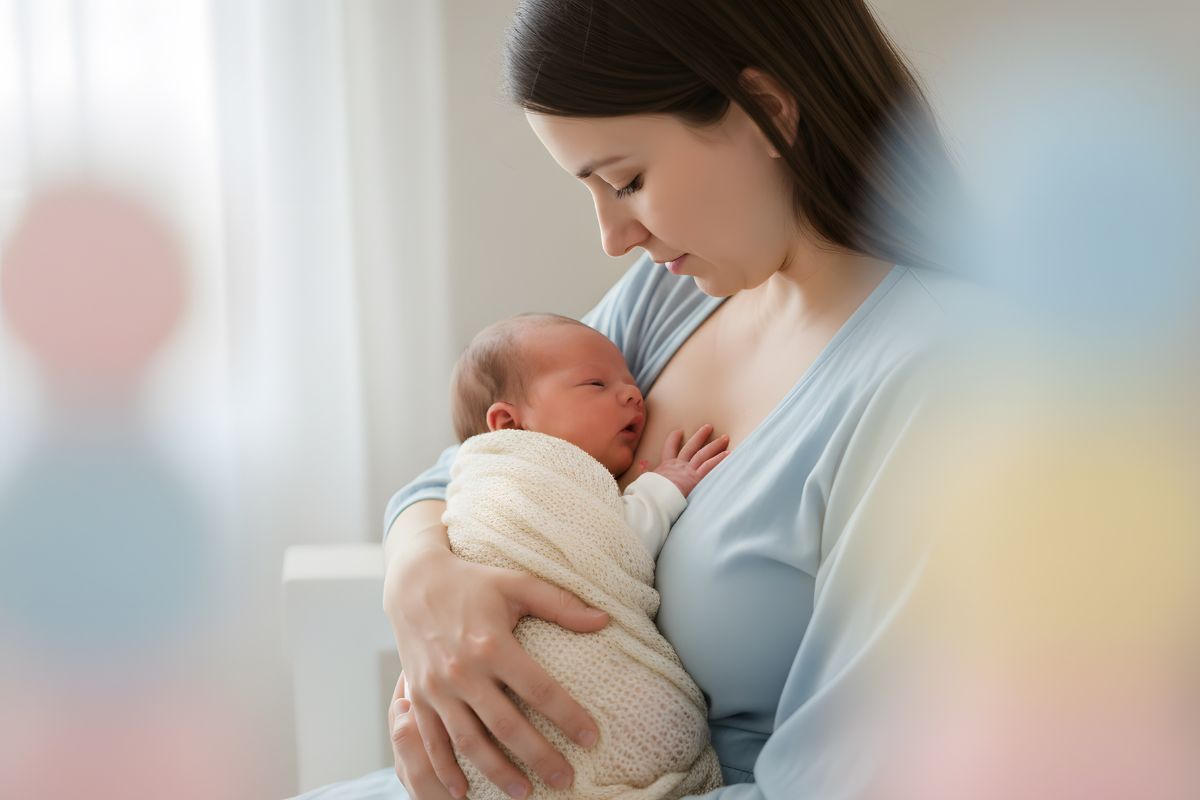
Swaddling and rocking are two fundamental elements of infant care that have a significant impact on your baby’s sense of security, comfort, and the ability to self-soothe. Both modern pediatric research and traditional parenting wisdom show that imitating womb-like conditions helps babies adapt to their new environment. Swaddling—gently but snugly wrapping your baby in a soft blanket or special swaddle—limits the Moro reflex, when babies suddenly fling out their arms and legs, often waking themselves or getting unsettled. Physical restriction during swaddling gives the baby a sense of being held much like in the womb—one of the most reassuring stimuli for newborns and infants. Proper swaddling reduces stress, regulates body temperature, and helps calm the nervous system, supporting deep, peaceful breathing. It’s important to always keep safety in mind—the swaddle shouldn’t be too tight, especially around the hips (to avoid limiting their development), and the baby’s face should remain uncovered for free breathing.
Rocking, instinctive for many parents, is a proven technique with strong scientific backing, featured in the 5S method. Repetitive, rhythmic movements mimic what a baby experienced in the womb as their mother walked or shifted positions, providing calming, soothing input for their senses. Gentle rocking—in your arms, a rocker, or using a baby carrier—stimulates the vestibular system for balance and coordination, while influencing the reduction of cortisol, the stress hormone. In cultures where babywearing is common, it’s observed that babies who regularly experience closeness and gentle rocking cry less, fall asleep more easily, and have greater resilience to stimuli. However, rocking should always be controlled, smooth, and tailored to the baby’s needs—excessive or abrupt movements can unsettle or even endanger your baby. Slow rocking, in the side position or in your arms, combined with eye contact, singing lullabies, or whispering, is most effective for developing the bond and sense of safety. Combining swaddling and rocking, especially in the first months of life, is among the most effective ways to calm a fussy baby and helps establish good sleep routines. Pay attention to your baby’s preferences—not every infant enjoys swaddling, so observe their signals and adapt the approach. You can gradually stop swaddling when your baby becomes more mobile or starts rolling, then focus more on gentle rocking and physical closeness to continue ensuring the sense of security needed for healthy sleep and emotional development.
Evening Rituals – How to Prepare Your Baby for Sleep
Evening rituals are the cornerstone of peaceful falling asleep, improving overall sleep quality, supporting healthy emotional development, and teaching your baby a sense of safety and predictability. Even the youngest babies are intensely sensitive to the home atmosphere and repetitive daily activities, learning to recognize the signals for rest. Establishing evening routines helps calm your baby after a stimulating day, reduce stress, and gradually prepare the body for sleep by supporting melatonin—the natural sleep hormone. Even weeks-old infants benefit from consistent, simple activities that become clear markers for bedtime. The most successful rituals are repeated consistently in the same order and at the same time, which gives your baby a sense of security and predictability, while helping parents better understand their baby’s needs and evening behaviors.
The best evening ritual is simple, calm, and tailored to your baby’s age and temperament. Effective ideas include: a relaxing bath, gentle massage with baby oil, putting on a soft pajama, drawing the curtains, dimming the lights, reading a short book, singing soothing lullabies, or using a music box with a steady, gentle sound. Many parents also use the “skin to skin” technique, where the baby lies in mum’s or dad’s arms, feeling their warmth, heartbeat, and gentle rocking. The bath should be warm (not hot), and gentle, loving attention during this time helps transition the child from the stimulation of the day to rest. Massage relaxes muscles and nerves, reduces tension, and quiet conversation or soft singing further builds intimacy. The sleep environment should be well prepared—the temperature should be about 18–20°C, the light warm and subdued, and outside noise minimized. Limit visual and auditory stimulation for about an hour before bed: put away stimulating toys, turn off the TV, and dim any bright lights. As your baby grows and gets used to routines, you can gently adjust and personalize the bedtime ritual. Consistency, avoiding chaotic activities, and providing a calm presence is key, as parents are a baby’s most important guide to sleep and calmness. Proper evening rituals result in faster sleep onset, fewer night wakings, and deeper sleep, directly benefiting brain development, immune strength, and harmonious growth.
Natural Ways to Calm Your Baby Before Bedtime
Natural baby-soothing methods before bedtime are tried-and-true techniques designed to use closeness, the soothing power of touch, gentle sounds, and the right environment, without needing special tools or medications. The key is to create a predictable, calm setting that helps your little one recognize sleep time. One of the most intuitive and effective methods is skin-to-skin contact. Cuddling your baby to your bare chest lets them feel your heartbeat and warmth, reminiscent of the prenatal period, bringing an intense feeling of safety. The closeness stimulates oxytocin—the love hormone—that reduces stress in baby and parent alike. Another method is evening massage—soft stroking and squeezing, starting from the head, through the shoulders, all the way to the legs, helps relax the muscles, calm the nervous system, and strengthen bonds. Use warm hands and natural, unscented oils that are safe for babies’ skin. Baths at a consistent time, with tepid water and gentle movements, are also helpful; this ritual has a relaxing effect, and the sensation of water on the skin helps the child unwind and calm down before bed.
The power of quiet sounds and gentle music cannot be overstated. White noise—sounds similar to those heard in the womb, like a hairdryer, fan, or white noise apps—has become popular. This kind of background noise masks sudden household sounds, helps regulate heartbeat and breathing, and prevents awakenings. Lullabies sung softly by a parent also work wonders; their simple melody and repetition are excellent for soothing your baby and creating a sense of continuity and safety. Even reading books, even if the infant doesn’t understand the words yet, helps; the soft, constant voice is calming, supports cognitive development, and deepens the relationship. Natural calmness before bedtime also means turning off artificial stimuli: dimming the lights, reducing blue light from screens (if parents use electronic devices), keeping the room at about 18-20°C, ventilating well, and maintaining a peaceful, predictable atmosphere with no rush or anxiety. Regularly performing sleep routines—putting your baby to bed in the same place and at the same time—makes bedtime easier and actively supports healthy development. A crucial part of natural soothing is attentiveness to your baby’s signals—observing when your child is sleepy, how they respond to touch, sound, and light, so you can choose the right techniques, build trust, and avoid overstimulation that might overexcite rather than relax. This way, every nightly routine is not only preparation for sleep but also a time to strengthen family bonds and nurture the sense of security essential for your child’s harmonious development.
What to Avoid When Putting Your Baby to Sleep and Calming Them?
Soothing and putting a baby to sleep requires gentleness and understanding of your child’s needs, but it’s equally vital to consciously avoid behaviors and circumstances that can negatively impact your baby’s sleep and comfort. First and foremost, avoid overstimulation before bedtime—bright lights, loud noises, electronic toys, or TV can make it much harder for a baby to calm down. Infants are extremely sensitive to noise and bright light, and their nervous systems are not yet capable of processing an overload of stimulation. High stimulation in the evening—like active play, visitors, or changes of environment—can result in difficulty falling asleep, light sleep, crying, wakings, and poor rest. Another common mistake is a lack of routine—changes in feeding, bathing, and sleeping times confuse the baby and disrupt their natural circadian rhythm. Unpredictable or irregular evening routines can cause chaos, intensify separation anxiety, lower your baby’s sense of safety, and result in more fussiness or prolonged crying.
How you respond to your baby’s cries is another important aspect often overlooked. Practices that leave a baby to “cry it out”—even if suggested by certain parenting methods—can have negative consequences for emotional development and your baby’s sense of security. A child who doesn’t get support and contact during stressful times learns their needs are ignored, making emotional regulation and building a caregiver bond much harder. Similarly, sudden movements or improper rocking—excessive jostling, bouncing, or vigorous shaking in an attempt to calm—are not only ineffective but can be very dangerous and lead to serious injuries such as shaken baby syndrome. Also, avoid overheating—excess clothing, warm blankets, or a room that is too warm causes discomfort, skin irritation, and raises the risk of sudden infant death syndrome. The optimal temperature is 18–21°C, with clothing and bedding suited to the season to prevent both overheating and chilling.
It is also inadvisable to use calming substances or sleep medications without a doctor’s recommendation—medicines can mask real problems, such as pain, allergies, or colic, and may cause unwanted side effects. Any method that suppresses symptoms rather than addresses the child’s needs is not aligned with current pediatric knowledge. Also, avoid abrupt and radical changes to sleep routines, especially without gradually acclimating your baby, as this can cause stress and resistance. Babies need closeness, so you should not isolate your child for long periods in another room, limit physical contact, or use separation as punishment. Parents also need to be aware of their own emotional state at bedtime—showing frustration, irritation, or stress, though understandable in the face of exhaustion, is picked up by your child and makes it harder for them to calm down. It’s unhelpful to suddenly interrupt evening rituals, like ending cuddles or stories just because fussiness or crying appears—children need consistency and empathetic support at every stage of calming. All these behaviors can make sleep difficulties worse, so it’s essential to avoid them and build daily routines focused on closeness, safety, and stability.
Summary
Restful sleep and a baby’s well-being are a priority for every parent. The key is to identify causes of distress, use effective calming methods—such as swaddling, rocking, or the 5S technique—and implement regular, soothing bedtime routines. Natural ways and avoiding stress-causing factors help quickly restore emotional balance and a sense of security. With these tips, your child will fall asleep more easily, wake less often, and develop better. The right approach to sleep and calming improves life for both babies and parents alike.


