
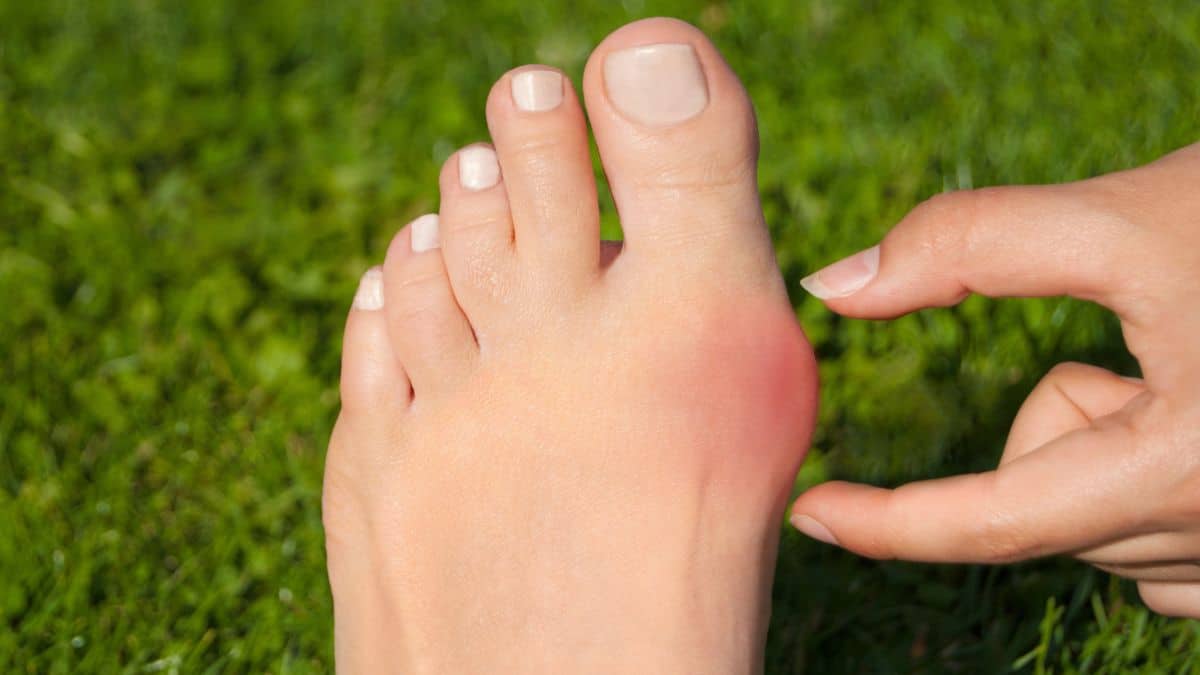
Hallux valgus, also known as hallux valgus toes, is a foot deformity that affects millions of people worldwide. They are characterized by a lateral deviation of the big toe toward the other toes, leading to a painful bump at the base of the toe. While hallux valgus can be a cosmetic problem, it also often causes pain, discomfort and difficulty walking. In this article, we will discuss the causes, symptoms, diagnosis and treatment of hallux valgus, as well as ways to prevent the condition.
What are hallux valgus and how to recognize it?
Hallux valgus is a deformity of the foot in which the big toe is twisted toward the other toes. As a result, the first metatarsal bone tilts inward, creating a characteristic protrusion on the inside of the foot.
Hallux symptoms:
- Visible deformation of the big toe of the foot.
- Pain and tenderness in the area of the tumor.
- Swelling and redness.
- Limited mobility of the toe.
- Calluses and fingerprints.
- Difficulties in shoe selection.
- Pain in other parts of the foot, such as the instep or heel.
Causes of hallux valgus formation
Hallux valgus can be caused by many factors, including:
- Genetics: genetic predisposition plays an important role in the development of hallux valgus. If there is a family history of hallux valgus, the risk of developing it is much higher.
- Inappropriate footwear: Wearing shoes with narrow toes, high heels or too small a size can lead to pressure on the toes and promote hallux valgus formation.
- Flat feet: Flat feet cause excessive stress on the forefoot, which can contribute to the development of hallux valgus.
- Rheumatoid arthritis: This disease can lead to inflammation and damage to joints, including the metatarsophalangeal joint of the big toe.
- Foot injuries: Past injuries to the foot, such as fractures or sprains, can also contribute to hallux valgus.
- Biomechanical factors: Improper foot mechanics during walking or running can also contribute to the development of hallux valgus.
Diagnosis and treatment of hallux valgus
The diagnosis of hallux valgus is based on a physical examination of the foot and imaging studies, such as X-rays. X-rays help assess the severity of the deformity and rule out other conditions.
Hallux valgus treatment can be conservative or surgical.
Behavioral:
- Change of footwear: Wear shoes with wide toes, a low heel and the right size.
- Orthotics: Orthotics can help correct abnormal foot mechanics and reduce pain.
- Physiotherapy: Stretching and strengthening exercises for the muscles of the foot can help reduce pain and improve mobility of the toe.
- Painkillers and anti-inflammatory drugs: These medications can help relieve pain and inflammation.
- Corrective braces: The use of corrective braces can help reduce toe deformities, especially in the early stages of the disease.
Operative treatment:
Surgical treatment is recommended when conservative treatment is unsuccessful or when the deformity is significant and causes severe pain. There are many different surgical techniques, and the choice of the appropriate method depends on the severity of the deformity and the individual needs of the patient.
Prevention of hallux valgus
There are many ways to reduce the risk of developing hallux valgus:
- Wear the right footwear: Avoid shoes with narrow toes, high heels and too small a size.
- Take care of proper body weight: Being overweight and obese increases the strain on your feet and can contribute to the development of hallux valgus.
- Exercise regularly: Regular exercises to strengthen the muscles of the foot can help prevent hallux valgus.
- Avoid prolonged standing: If your job requires prolonged standing, take breaks and stretch your feet.
- Use orthotics: If you have flat feet or other foot deformities, use orthotics.
- Examine feet regularly: Regular foot examinations allow early detection of hallux valgus and appropriate treatment.
Hallux valgus – summary
Hallux valgus is a common foot deformity that can cause pain, discomfort and difficulty walking. There are many factors that can contribute to the development of hallux valgus, including genetics, inappropriate footwear and flat feet. Hallux valgus treatment can be conservative or surgical, and the choice of the appropriate method depends on the severity of the deformity and the individual patient’s needs. Prevention of hallux valgus mainly consists of wearing appropriate footwear, ensuring proper body weight and regular exercise.
Note:
The above article is for informational purposes and is not a substitute for visiting a doctor. If you have any doubts about your health, consult a specialist.


