
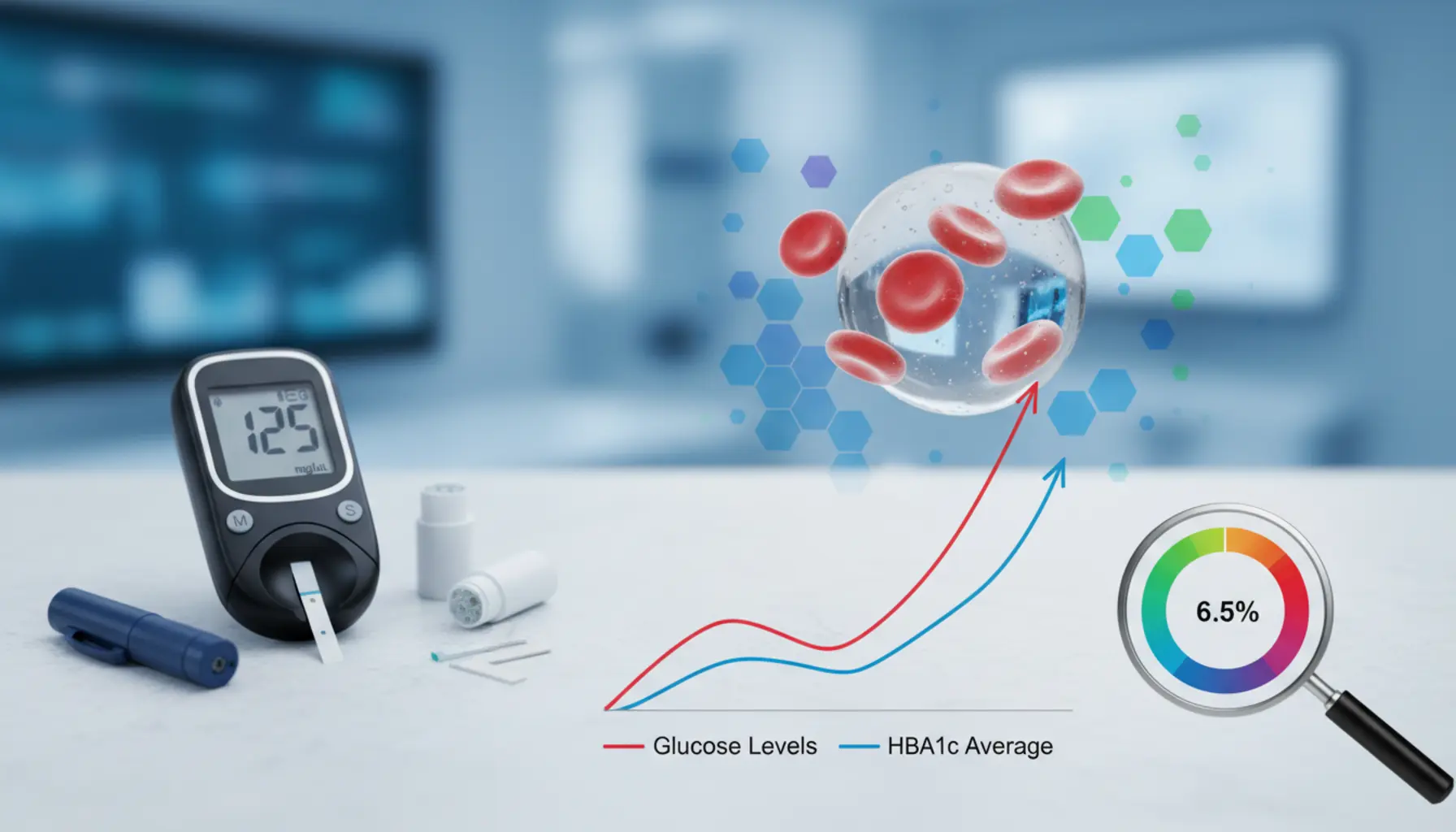
Glycated hemoglobin (HbA1c) is a key biomarker used in the diagnosis, monitoring, and control of diabetes. Regular HbA1c testing allows for effective monitoring of glucose levels and the prevention of complications associated with hyperglycemia.
Glycated Hemoglobin (HbA1c) – check the standards, how to interpret the results, when to test, and discover effective ways to lower it in diabetes.
Table of Contents
- What is Glycated Hemoglobin (HbA1c) and Why Do We Test It?
- HbA1c Standards – When Is the Result Normal?
- How to Prepare for HbA1c Testing?
- Interpretation of Results: What Does High or Low HbA1c Mean?
- Glycated Hemoglobin in the Diagnosis of Diabetes
- How to Lower HbA1c Levels? Effective Methods
What is Glycated Hemoglobin (HbA1c) and Why Do We Test It?
Glycated hemoglobin (HbA1c) is a special form of hemoglobin—the protein found in red blood cells, which is responsible for transporting oxygen throughout the body. When blood glucose concentration is elevated, this sugar spontaneously and irreversibly binds to hemoglobin molecules in a process called glycation. The higher the glucose level and the longer the hyperglycemia persists, the higher the percentage of hemoglobin that undergoes “sweetening,” and the higher the HbA1c result. Red blood cells live on average about 120 days, so the HbA1c test reflects the average blood glucose level from the past 2–3 months, not just from one day or a few hours. For this reason, HbA1c is called the “memory of glycemia”—it cannot be “cheated” at the last minute by having just one good or bad blood sugar right before the blood draw. In laboratory practice, the HbA1c result is given as a percentage (the proportion of glycated hemoglobin to total hemoglobin) and increasingly in mmol/mol, in line with international standards. The mechanism of HbA1c formation makes it a very stable indicator, not prone to short-term fluctuations, stress, or single dietary errors. This is extremely important for people already diagnosed with diabetes, as well as for those at risk, as a single test can give insight into how glycemic control has looked over a longer period. The HbA1c test is performed once, from a venous blood sample, usually in the morning, and in most cases fasting is not required, which further facilitates its use in practice. Unlike classic fasting glucose determination or oral glucose tolerance test (OGTT), where the result is strongly dependent on what the patient ate in recent hours and the activities of the previous day, HbA1c gives a much broader, averaged picture of carbohydrate balance, which is why it is so widely recommended in diabetic guidelines worldwide.
Testing glycated hemoglobin plays a key role in diagnosing and monitoring diabetes, as well as in assessing the risk of its complications. Doctors use HbA1c both to confirm a diagnosis of diabetes or pre-diabetes and for regular control of treatment effects: diet, physical activity, pharmacotherapy (e.g., metformin, incretin drugs, insulin therapy). Higher HbA1c values indicate chronically increased blood glucose, which is linked to a greater risk of blood vessel and nerve damage. This relationship is well documented: every persistent rise in HbA1c increases the probability of microvascular (retinopathy, nephropathy, neuropathy) and macrovascular (cardiovascular disease, heart attack, stroke) complications. Therefore, the guidelines of the Polish Diabetes Association and international organizations clearly emphasize that HbA1c is one of the basic indicators, whose target values should be individually established for each patient, considering age, diabetes duration, comorbidities, and risk of hypoglycemia. Regular HbA1c testing—usually every 3 months for people with uncontrolled diabetes and every 6 months for those with good control—allows assessment of whether current treatment truly limits glycemic fluctuations and persistently high sugar levels. For many patients, the result is also a motivating tool, as it reflects the effects of lifestyle changes, weight reduction, or better adherence to medical recommendations. HbA1c testing is also useful for people at risk, such as those with obesity, hypertension, dyslipidemia, polycystic ovary syndrome, or a family history of type 2 diabetes—it helps detect abnormalities early, even before overt symptoms appear. It is worth remembering, however, that although HbA1c is an extremely valuable marker, it does not fully replace self-monitoring of blood glucose using a glucometer or continuous glucose monitoring systems—these measurements reveal current values and allow a quick response to hyper- or hypoglycemia, while HbA1c serves as a “period report” from the past weeks. Combining these methods gives the most complete picture of diabetes control and enables better treatment adaptation to the individual’s needs.
HbA1c Standards – When Is the Result Normal?
The standards of glycated hemoglobin are closely related to whether we are dealing with a healthy person, someone at risk of developing diabetes, or someone with diagnosed diabetes requiring treatment. In people without carbohydrate imbalance, an HbA1c result below 5.7% (39 mmol/mol) is usually considered normal. This level indicates good glucose tolerance and a low risk of developing diabetes in coming years, as long as other risk factors like abdominal obesity, hypertension, lipid disturbances, or a burdensome family history do not occur. A result in the 5.7–6.4% (39–47 mmol/mol) range is defined as pre-diabetes—a signal that the body is starting to cope worse with maintaining normal glucose. This is not yet diabetes, but it clearly increases the risk of its onset in the future if no lifestyle changes are made (weight reduction, diet improvement, increased physical activity) or—in some cases—pharmacological treatment. The diagnosis of diabetes based on HbA1c is usually made at values ≥ 6.5% (48 mmol/mol), provided the result is confirmed by another test (e.g., fasting glucose or oral glucose tolerance test, OGTT) and there are no factors that might distort the measurement, such as severe anemia, kidney disease, or certain hemoglobinopathies. Note that laboratories may use both percentage (%) and mmol/mol units—so always pay attention to the reference range shown on the report and consult your doctor if in doubt, rather than interpreting the values “by eye.”
For people with diagnosed diabetes, the concept of “normal” HbA1c is somewhat different—it is not about the value typical of healthy people, but about the target level that best balances the benefits of low glycemia with the risk of hypoglycemia and other threats. In most guidelines, including the Polish Diabetes Association and international organizations (ADA, EASD), the therapeutic goal for many adults with type 1 and type 2 diabetes is HbA1c < 7% (below 53 mmol/mol). Such a level significantly reduces the risk of chronic microangiopathic complications (retinopathy, nephropathy, neuropathy) and is regarded as “well-controlled” diabetes for most patients. In younger, highly motivated patients without significant comorbidities or severe hypoglycemia, the doctor may propose tighter targets, e.g., HbA1c around 6.0–6.5%, to offer even better protection of vessels and organs. In contrast, in older people, with advanced complications, long diabetes duration, heart disease, renal failure, or increased risk of falls and hypoglycemia, a “looser” target—e.g., 7.0–8.0%, or even a bit higher—may be safer, always set individually with a diabetologist. Thus, the same result (e.g., 7.4%) can be considered worrying in a 30-year-old with newly diagnosed type 1 diabetes, but acceptable or even good in an 82-year-old with long-standing type 2 diabetes and cardiovascular disease. The assessment is also influenced by other parameters—frequency of hypoglycemia, daily glycemic fluctuations (so-called glycemic variability), glucometer or continuous glucose monitoring system (CGM) self-monitoring results, as well as the patient’s general well-being. In practice, this means the HbA1c “standard” is not a single rigid number, but a range tailored to the individual, their age, lifestyle, plans (e.g., imminent pregnancy), and comorbidities. Therefore, the test result should always be discussed with the supervising doctor, who will compare it to established therapeutic goals, consider all clinical factors, and assess whether HbA1c is actually normal in the specific case.

How to Prepare for HbA1c Testing?
HbA1c testing is one of the simplest and most “user-friendly” laboratory tests, so in most cases it requires no complicated preparation. Most importantly, you do not have to be fasting—you can eat your usual breakfast, drink coffee, or take your morning medications as normal, because HbA1c reflects the average glucose level of the past 2–3 months, not temporary fluctuations after a meal. However, on the day of the test, aim to eat as you usually do—skipping meals, overeating, or deliberately having an unusually healthy meal for the sake of the test won’t significantly affect the result but can make it harder for the doctor to assess your typical functioning. It is important not to introduce sudden, short-term changes in the days preceding the test—e.g., drastic diets, intense exercise “at the last minute,” or abrupt discontinuation of antidiabetic drugs—because while the HbA1c result is long-term, such experiments may hinder the evaluation of your usual diabetes or pre-diabetes control. Before the test, ensure you are well hydrated—dehydration does not significantly change HbA1c, but it may make the blood draw harder and make you feel weaker afterwards.
A key part of preparation is providing the laboratory and your doctor all information that may affect result interpretation. Pay special attention to conditions and states that shorten or lengthen the life span of red blood cells, such as anemia (anemia), iron, vitamin B12, or folic acid deficiencies, kidney and liver diseases, recent significant blood loss, transfusions, and hemoglobinopathies (e.g., thalassemia, sickle cell anemia). In such cases, HbA1c results may be artificially lowered or raised, so the doctor, being aware of these conditions, can order supplementary tests (e.g., fructosamine, more frequent glucometer or CGM measurements) or alternative testing methods. If you take medications that can influence glucose levels—such as steroids (e.g., prednisone), some antipsychotics, immunosuppressants, erythropoietin preparations, high-dose vitamin C, niacin, or iron supplements—inform the doctor and lab staff; discontinuation is usually unnecessary, but this knowledge is crucial for result interpretation. Bring previous HbA1c results and records from your glucometer or continuous glucose monitoring system (CGM/FGM); comparing the long-term index with your daily values can help detect occult hyperglycemia (e.g., frequent post-meal spikes despite correct fasting levels). Avoid taking the test immediately after a severe infection, surgery, heart attack, or other acute condition—strong metabolic stress and medications at such times may temporarily disturb glycemia, complicating the assessment of typical diabetes control; however, always follow your doctor’s instructions if testing is advised despite such states. For pregnant women or those planning pregnancy, HbA1c testing has additional nuances—make sure to inform about your pregnancy or plans, as therapeutic targets then change, and the doctor may also order an oral glucose tolerance test (OGTT) and recommend more frequent home monitoring. On the day of the test, wear comfortable clothes with easy access to the elbow crease, bring ID, a referral (if required), and a list of medications. If you have a fear of blood draws, plan a short rest and a light snack afterwards; inform the staff of your concern—often a few minutes of conversation, comfortable positioning, and calm breathing make the process much less stressful. Lastly, maintain a conscious psychological approach: do not try to “improve” the result in the days just before your appointment, as this won’t reflect your real situation; the goal of HbA1c is not to assess whether you were “well-behaved,” but to provide solid information to wisely adjust treatment, diet, and lifestyle, so get tested when your routine most accurately reflects the previous months.
Interpretation of Results: What Does High or Low HbA1c Mean?
HbA1c results should always be interpreted in the context of the patient’s overall health, known diseases, age, and treatment, but there are general rules that help understand what an excessively high or low result means. In people without diagnosed diabetes, HbA1c below 5.7% signals normal carbohydrate metabolism, while values 5.7–6.4% point to pre-diabetes and a greater risk of developing type 2 diabetes in coming years. If a result is ≥ 6.5% and confirmed by another test (e.g., repeated HbA1c, fasting glucose, or OGTT), diabetes can be diagnosed. For someone already diagnosed, HbA1c is not only for confirmation but mainly to assess how well glucose levels are being controlled—whether current treatment (diet, exercise, oral meds, insulin) is adequate, or needs modification. The higher the value, the greater the average glucose over recent months and the higher the risk of complications such as retinopathy, nephropathy, neuropathy, or cardiovascular disease. For example, HbA1c around 7% corresponds to an average glucose of about 154 mg/dl (8.6 mmol/l), while a result of 9% means an average of about 212 mg/dl (11.8 mmol/l), which for many months or years can vastly accelerate the development of complications. High HbA1c in a newly diagnosed patient suggests the disease may have been developing silently for some time. In a patient already under treatment, a high result is an alarm signal: it may mean too low medication or insulin doses, irregular intake, an improper diet with excessive carbohydrate intake, lack of exercise, stress, coexisting infections, or other conditions elevating glucose. It may also be the result of improper glucometer use, skipped measurements, or incorrect correction of high blood sugar. Very high HbA1c, e.g., above 10–11%, usually indicates persistently, significantly elevated glucose levels and requires urgent treatment reassessment, and sometimes hospitalization, especially if symptoms like excessive thirst, weight loss, weakness, or frequent infections appear. Remember, a high HbA1c doesn’t always result from patient “non-compliance”—sometimes it’s due to poorly matched insulin regimens, side effects of other medications (e.g., steroids), unrecognized depression, or chronic stress.
A low HbA1c, especially below 6.0% in a person with diabetes, may seem desirable at first glance, but in practice requires cautious interpretation. In young, well-cooperating patients, especially with type 1 or type 2 diabetes without complications and without hypoglycemic tendencies, values around 6.0–6.5% may be beneficial, as long as they are not achieved at the cost of frequent hypos. In older patients, with heart disease, long-standing diabetes or those taking drugs that increase the risk of hypoglycemia (e.g., insulin, sulfonylureas), too low HbA1c may paradoxically signal over-intensive treatment. If, at 6.0–6.5%, the patient reports symptoms such as hand tremors, hunger, sweating, palpitations, dizziness, concentration issues, or loss of consciousness, this is a sign that current therapeutic goals are too ambitious, and they must be adjusted to protect against severe hypoglycemia, which can endanger the heart and brain. Very low HbA1c in a non-diabetic typically isn’t worrisome, unless accompanied by other abnormalities (anemia, liver disorders, malabsorption syndromes), in which case further diagnostics may be warranted. Both very low and suspiciously high values can also result from measurement distortions: HbA1c is based on the average lifespan of red blood cells, so diseases that shorten or lengthen it (e.g., hemolytic anemias, chronic bleeding, iron deficiency, thalassemias, certain hemoglobinopathies, kidney and liver diseases) may falsify the results. In these situations, the doctor may order alternative tests (fructosamine, more frequent glucose checks, or CGM analysis). Different labs may use varied methods for HbA1c determination, so the result should be compared with the reference range listed on the report, and ideally, testing is performed at the same laboratory during follow-up. It is also vital not to assess HbA1c in isolation from other parameters: important are the daily glycemic profile, frequency of hypoglycemia, fasting and post-meal glucose, body weight, blood pressure, lipid profile, and overall treatment tolerance. Only a combination of this data with the HbA1c value allows genuine assessment of whether the result is too high, optimal, or too low for the individual and which—if any—changes in diet, lifestyle, or pharmacotherapy are worth discussing with the doctor.
Glycated Hemoglobin in the Diagnosis of Diabetes
Glycated hemoglobin (HbA1c) now occupies a central role in diagnosing and classifying carbohydrate metabolism disorders. The World Health Organization (WHO) and most diabetological societies accept HbA1c ≥ 6.5% (48 mmol/mol), measured in a standardized laboratory, as one of the equivalent criteria for diagnosing type 2 diabetes, alongside fasting glucose and the oral glucose tolerance test (OGTT). This is because HbA1c reflects the average glycemia of the past 8–12 weeks, eliminating the effect of short-term sugar fluctuations caused by stress, exercise, or a single heavy meal. In clinical practice, this means that a single HbA1c test—if standardized and not affected by interfering states—can give a more reliable picture of chronic hyperglycemia than a one-off glucose measurement, which depends on the time of day, fasting/feeding state, or the patient’s current condition. In diagnostic algorithms, doctors often order HbA1c for people with impaired fasting glucose, typical diabetes symptoms (excessive thirst, frequent urination, weight loss, fatigue), and at-risk groups such as those with overweight, obesity, hypertension, dyslipidemia, polycystic ovary syndrome, or a positive family history. In these patients, the HbA1c result can confirm full-blown diabetes or reveal pre-diabetes, enabling swift preventive action. Doctors particularly value the repeatability and standardization of testing—modern HbA1c methods are calibrated according to the international IFCC/NGSP standard, making results from different labs largely comparable and reducing the risk of serious diagnostic discrepancies. At the same time, interpreting the result requires knowing its potential limitations—for patients with blood disorders, altered red cell lifespan (e.g., hemolytic anemia, iron deficiency, thalassemia), recent transfusions, or severe renal failure, HbA1c may not reflect the true glycemia; in these cases, classic glucose determinations remain preferable for diagnosis. As such, recommendations stress that HbA1c should not be an automatic, stand-alone criterion, but should be part of a broader clinical assessment, including history, examination, and other lab findings. There’s growing use of HbA1c in screening populations—asymptomatic but at-risk individuals can be identified as diabetic or pre-diabetic with a single determination, especially if classic “sugar” tests are rare or only occasional.
The role of HbA1c in diagnostics is not limited to establishing an initial diagnosis, but includes clarifying the disorder type and predicting its progression risk. In those with HbA1c between 5.7–6.4% (39–47 mmol/mol), we speak of pre-diabetes, with a substantially higher chance of developing type 2 diabetes in the coming years and increased cardiovascular risk. The closer to the upper limit, the greater the likelihood that without changes in lifestyle (weight reduction, improved diet, increased activity) and/or medication, the patient will progress to overt diabetes. In practice, HbA1c acts as a “thermometer” indicating how urgently intervention is needed—e.g., a patient with HbA1c 6.3% and obesity will be advised on intensive dietary and exercise modifications, more frequent monitoring, and sometimes even preventive metformin, while a 5.8% result may lead to mostly dietary advice and another test in 6–12 months. HbA1c also helps distinguish a one-off hyperglycemic incident (due to acute illness, steroid therapy, severe stress) from a chronic disorder; if a patient presents high glucose in a single test but normal or only slightly elevated HbA1c, this usually points to a transient deviation, not entrenched diabetes. On the other hand, with typical symptoms and very high HbA1c above 8–9% (64–75 mmol/mol), even a single measurement indicates long-term hyperglycemia. For differentiation of diabetes types, the HbA1c result complements other tests (antibodies, C-peptide, lipid profile), and is clue to disease process dynamics—very high HbA1c with a short symptom history suggests rapidly progressing type 1 or LADA diabetes; a slow, years-long rise is more common in type 2 diabetes associated with insulin resistance. One should not forget practical aspects: HbA1c is diagnostically convenient, as fasting or multi-hour glucose challenge tests are not required; the blood sample can be taken at any time of day, which is especially significant in primary care and screening programs. Patients don’t need to come in specially in the morning, making it easier for busy or irregular-schedule people—often the ones particularly at risk of type 2 diabetes—to get tested. As a result, HbA1c has become a practical and widely available tool for screening, diagnosis, and prognosis, provided it is interpreted correctly in the context of the complete clinical picture and any factors that may distort the result.
How to Lower HbA1c Levels? Effective Methods
Lowering glycated hemoglobin requires persistent effort on several fronts at once: diet, physical activity, pharmacotherapy, glucose monitoring, and the modification of daily habits. The main objective is to reduce average blood glucose levels and minimize glycemic variability, not merely improve isolated readings. The foundation is an individual dietary plan based on products with a low or medium glycemic index and enough dietary fiber. In practice, this means choosing whole grains (oats, buckwheat, rye bread), non-starchy vegetables (lettuce, broccoli, zucchini, tomatoes), legumes, and healthy fats (olive oil, nuts, seeds), while reducing simple sugars, sweetened drinks, sweets, white bread, sugary breakfast cereals, and highly processed foods. Meal regularity is also key—long breaks foster hunger and spikes, while overly frequent snacking may keep glycemia elevated. For many, 3 main meals per day with 1–2 small, well-planned snacks (depending on medical recommendations and especially insulin use) work best. Portion control is a vital strategy—instead of eliminating bread or fruit entirely, it is better to learn proper dosing, e.g., using carbohydrate exchanges or carb counting. The “diabetic plate” approach also supports HbA1c reduction: half the plate is vegetables, a quarter is protein (fish, poultry, lean meat, eggs, tofu), and a quarter is low-GI starchy foods (whole grains, legumes). Distributing carbs evenly throughout the day, avoiding sugar-rich late dinners, and making a habit of reading labels for hidden sugars (even in “fit” products) is advisable. Switching from sugary drinks to water, unsweetened teas, and herbal infusions can markedly decrease total daily sugar, improving average glucose values in a short time.
Almost as important as diet is regular physical activity, which increases tissue insulin sensitivity, facilitates glucose transport to muscles, and supports weight loss. At least 150 minutes per week of moderate aerobic exercise (e.g., brisk walking, cycling, swimming) spread over at least 3 days, with no more than 2 consecutive days off, plus 2–3 resistance workouts per week using body weight or light weights are recommended. For people with diabetes, gradually increasing workload is crucial—too fast a start can cause hypoglycemia or injury. For some, short post-meal walks (10–15 minutes) are beneficial to blunt postprandial spikes and visibly lower HbA1c over several months. Effective HbA1c control also requires steady use of medication as prescribed: regular intake of metformin, SGLT2 inhibitors, GLP-1 analogues, sulfonylureas, or insulin, tailored to the diabetes type and individual therapy plan. Wrong insulin dosing, often skipping doses, or self-modifying them without consultation typically leads to chronically high sugars and a rise in HbA1c. Consistently self-monitoring glucose with a glucometer or CGM helps enormously. Analyzing daily profiles, diary records, or sensor reports allows providers and patients to identify peak fluctuation times and adjust medications, meal timing, diet, and exercise to actual needs. Lifestyle also plays a role: chronic stress increases the release of glucose-raising hormones (cortisol, adrenaline), so relaxation techniques (meditation, breathing, yoga, outdoor walks) and sufficient sleep (usually 7–9 hours per night for adults) are a real part of glycemia therapy, not just an extra. Reducing or eliminating smoking and excessive alcohol is beneficial—both disrupt metabolic control and worsen cardiovascular risk. In obese patients, even moderate weight loss (by 5–10% of initial body weight) can dramatically improve insulin sensitivity and lower HbA1c by several tenths of a percent. In many cases, working with a dietitian, psycho-dietitian, or diabetes care team helps set realistic goals and sustain motivation, as improvements in HbA1c are achieved over weeks and months, not by having a single “perfect” day.
Summary
Glycated hemoglobin (HbA1c) is a key test enabling the assessment of average blood sugar over the past 2–3 months. Knowing the standards and how to interpret HbA1c results is essential for the prevention and management of diabetes. High values can indicate poorly controlled diabetes, while low levels suggest good glycemic control. Regular testing, proper diet, and physical activity help maintain correct HbA1c and minimize the risk of complications. Look after your health and monitor your glycated hemoglobin to manage diabetes effectively.


