
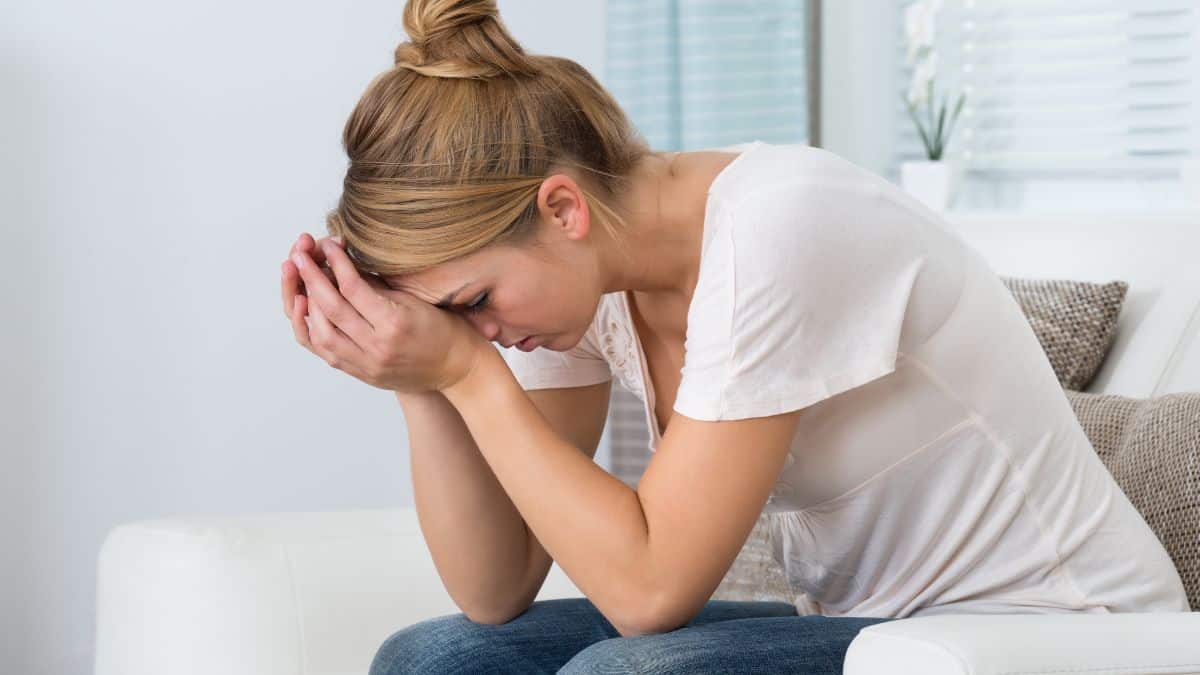
A diagnosis of endometriosis can be overwhelming. It is a chronic and often painful disease that affects millions of women around the world. It is characterized by the presence of endometrial tissue – the endometrium – outside the uterine cavity. This tissue, reacting to the hormonal cycle, causes inflammation, pain and, in some cases, fertility problems.
If you’ve just heard the diagnosis, you’re probably asking yourself, “What’s next?” This article will take you through the steps of coping with endometriosis, from understanding the disease, to available treatments, to strategies for dealing with pain and emotions.
What is endometriosis and what are its symptoms?
Endometriosis is a complex disease that can manifest itself in many ways. The most common symptom is pain, which can occur in various places:
- Pelvic pain: may be constant or worsen during menstruation.
- Painful menstrual periods (dysmenorrhea): Intense cramps that make daily functioning difficult.
- Pain during intercourse (dyspareunia): Can lead to avoidance of sexual intercourse.
- Pain during urination or bowel movements: Especially during menstruation.
- Other symptoms: Nausea, vomiting, diarrhea, constipation, fatigue and even depression.
Unfortunately, endometriosis is often confused with other conditions, delaying diagnosis and treatment. That’s why it’s so important that you know your body and report any worrisome symptoms to your doctor.
Endometriosis diagnosis: How to recognize the enemy?
Diagnosing endometriosis can be difficult because the symptoms are varied and often resemble other diseases. Diagnosis usually includes:
- Medical history: Detailed discussion of symptoms, medical history and lifestyle.
- Gynecological examination: Evaluation of the reproductive organs.
- Transvaginal ultrasound: Allows imaging of pelvic lesions.
- Laparoscopy: A minimally invasive surgical procedure that allows direct viewing of organs and taking sections for histopathological examination.
Treatment of endometriosis: Options and strategies available
Treatment of endometriosis is tailored to the individual patient’s needs and may include:
- Drug treatment:
- Pain medications: Ibuprofen, paracetamol, and in more severe cases opioids.
- Hormonal contraceptive therapy: Inhibits endometrial growth.
- Progestagens: Reduce bleeding and pain.
- GnRH analogs: cause artificial menopause, reducing the symptoms of endometriosis.
- Surgical treatment:
- Laparoscopy: removal of endometriosis foci.
- Hysterectomy: Removal of the uterus (in severe cases).
It is important to discuss all available treatment options with your doctor and choose the one that will be most effective in your case.
Living with endometriosis: Support, diet and lifestyle
Endometriosis is a chronic disease that can affect various aspects of life. Here are some tips to help you better manage the disease:
- Find support: Talk to loved ones, join a support group, or get help from a psychologist.
- Take care of your diet: A healthy diet rich in vegetables, fruits and whole grains can ease symptoms.
- Be physically active: Regular exercise will help reduce pain and make you feel better.
- Use relaxation techniques: Yoga, meditation, and breathing techniques can help manage stress and pain.
- Don’t give up on your dreams: Endometriosis doesn’t have to derail your maternity plans. Talk to your doctor about your fertility preservation options.
Endometriosis and fertility: is it possible to get pregnant?
Endometriosis can make it difficult to get pregnant, but it is not impossible. Many women with endometriosis give birth to healthy babies. If you are planning a pregnancy, consult a doctor who specializes in infertility treatment. Various treatments are available that can increase your chances of motherhood.
Modern treatments for endometriosis
Medicine is constantly evolving, and with it come new treatments for endometriosis. Among the latest are:
- Immune system modulation drug: Acts on the immune system to reduce inflammation.
- Molecularly targeted therapy: blocks specific molecules involved in the development of endometriosis.
Where to look for help?
If you suspect you have endometriosis or have been diagnosed with it, contact your gynecologist. You can also seek help from specialized endometriosis treatment centers.
Remember that you are not alone. Millions of women around the world struggle with endometriosis. With the right treatment and support, you can live your life to the fullest and fulfill your dreams.
Attention:
The above article is for informational purposes and is not a substitute for visiting a doctor. If you have any doubts about your health, consult a specialist.


