

Earache in children – discover the causes, symptoms, effective treatments, and home remedies. Take care of your child’s health and learn when to see a doctor!
Table of Contents
- Ear Pain in Children – How to Recognize Symptoms?
- Most Common Causes of Ear Pain in Children
- How to Distinguish a Bacterial from a Viral Infection?
- Treating Ear Pain in Children – When to See a Doctor?
- Home Remedies for Ear Pain – What Should You Know?
- Prevention and Prophylaxis of Ear Infections in Children
Ear Pain in Children – How to Recognize Symptoms?
Ear pain in children is a problem that often worries parents, especially due to the difficulty in recognizing symptoms in very young children who cannot yet clearly communicate their discomfort. In infants and young children, the most common signs of ear pain are non-specific—the child may be cranky, fussy, may have trouble falling asleep or wake up more often at night. A characteristic signal is frequent rubbing or pulling at the ear that hurts, especially during feeding, sucking from a bottle, or swallowing saliva. Older children may directly express discomfort, talking about pain, a feeling of fullness, or itching in the ear, as well as hearing loss. Additional worrisome symptoms can be fever, general weakness, loss of appetite, disturbances in balance, or sudden mood deterioration. In the case of infections, especially acute otitis media, ear pain may be accompanied by symptoms such as increased body temperature, discharge from the ear (clear, purulent, or even blood-tinged), or an unpleasant smell from the ear canal. In contrast, when a foreign object is present in the ear, the child often points to localized discomfort, a feeling of fullness, and tinnitus, and sometimes there is sudden hearing loss or even short acute pain during head movements. It’s crucial for parents to observe their child’s behavior, changes in functioning, and to closely inspect the ear area for redness, swelling, or excessive warmth around the auricle. These symptoms are important clues for the doctor and help in proper diagnosis, so any worrisome change in your child’s appearance or behavior combined with ear pain should be precisely described during medical consultation.
An important aspect of recognizing ear pain symptoms is awareness of accompanying manifestations that may suggest secondary complications or require swift medical intervention. If your child, besides the typical signs, develops speech difficulties, balance issues, vomiting, or severe headaches, immediate contact with a doctor is necessary. During ear infections, especially in the course of a cold or other upper respiratory infections, ear pain often worsens during swallowing, chewing or lying down. Children may also complain of ringing, “popping,” or a feeling of fullness, related to secretions or swelling in the Eustachian tube. In infants, a sudden change in behavior, e.g., increased fussiness after feeding, refusal to breastfeed or take a bottle, may be the first subtle signs of ear problems. Skin changes around the ear—redness, swelling, rash, or oozing discharge—can also indicate more serious conditions like otitis externa or developing abscess. It’s important to remember, some children may experience ear pain due to sudden pressure changes (e.g., during a flight) or after swimming, when water enters the ear canal and irritates the eardrum. Recognizing the symptoms of ear pain in a child not only allows for prompt response but also minimizes the risk of complications and maintains your child’s comfort.
Most Common Causes of Ear Pain in Children
Ear pain in children can have a wide variety of causes, most closely related to the structure and function of the child’s respiratory and hearing systems. The most common cause is acute otitis media, which usually develops as a complication of viral or bacterial upper respiratory tract infections. The underdeveloped or short Eustachian tube in young children makes it easier for microbes from the nose and throat to reach the middle ear, promoting inflammation and fluid buildup. This increases pressure in the tympanic cavity and causes intense pain, often accompanied by fever, weakness, and general malaise. Another significant cause is otitis externa, most often due to moisture, such as after swimming—hence the term “swimmer’s ear.” A moist environment and mechanical skin damage in the ear canal (e.g., improper cleaning with cotton swabs) foster bacterial and fungal growth, leading to infection, severe pain, itching, and swelling around the ear. Chronic serous otitis media can also cause unexplained, chronic pain and hearing loss. In children prone to frequent upper respiratory infections, including chronic rhinitis, adenoid hypertrophy, or allergies, the risk of middle ear infections increases significantly.
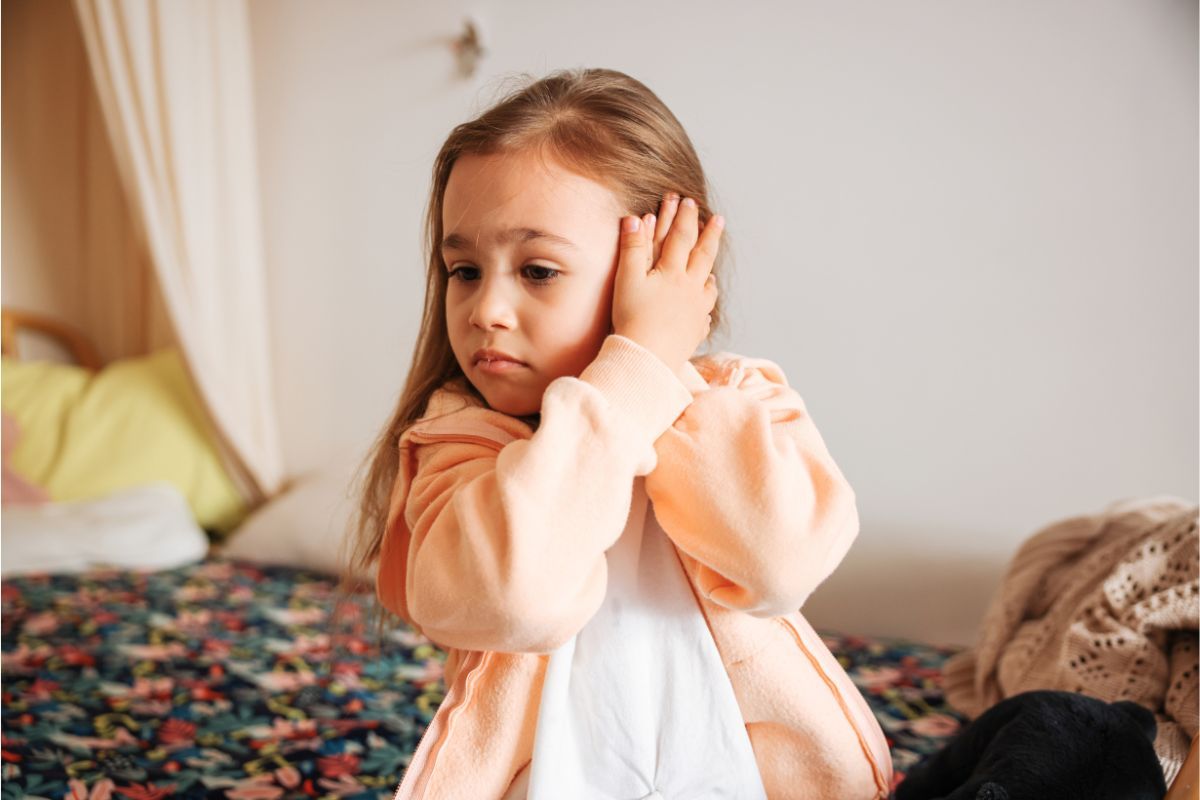
Other possible causes of ear pain in children include mechanical trauma, presence of a foreign body, or an earwax plug. Young children especially tend to put small objects in their ears (e.g., beads, toy fragments, bits of paper), which can cause not only mechanical injury but also blockage of the ear canal and secondary infection. Earwax buildup, especially from improper cleaning, may also trigger discomfort, pain, and hearing loss. In rare cases, ear pain results from so-called referred pain, such as teething, throat infections, or tonsillitis—these conditions may radiate pain to the ear due to shared nerve supply. Additionally, in children involved in contact sports, external ear injuries or the formation of auricle hematomas may be the cause. Allergies, through swelling of the nasal and throat mucosa, may block the Eustachian tube, promoting middle ear problems. Understanding these causes is crucial for quick diagnosis and appropriate treatment, as every case requires an individualized approach and often the cooperation of an ENT doctor.
How to Distinguish a Bacterial from a Viral Infection?
Recognizing whether a child’s ear pain is due to a bacterial or viral infection is critical for choosing effective treatment. In clinical practice, both doctors and parents often have trouble clearly differentiating these infections, as symptoms may be very similar. However, there are distinguishing features that may help lead to the correct diagnosis. Viral infections, most often developing as a cold or flu complication, typically run a milder course, accompanied by general weakness, runny nose, cough, or sore throat. The child may have a mild fever but is usually not significantly worse overall. Ear pain from a viral infection is often less severe and “referred”—that is, felt in the ear although the primary infection is elsewhere in the respiratory tract (e.g., throat, nose). Any ear discharge is usually watery and not smelly, and the ear may not be highly red. Bacterial infections, including acute otitis media from Streptococcus pneumoniae, Haemophilus influenzae, or Moraxella catarrhalis, are usually more intense. They often manifest as sudden, severe ear pain, rapidly rising high fever (even above 39°C/102°F), deterioration in general state, and sometimes purulent, yellow, or green ear discharge. The child may be irritable, apathetic, have trouble sleeping, and refuse food, especially in infants. The ear is distinctly red, swollen, and pressing on the area behind the auricle increases pain. Bacterial infections often cause fluid buildup behind the eardrum, which may lead to bulging and—even in extreme cases—perforation with sudden pus discharge outside the ear.
At home, parents can observe the infection’s course, paying special attention to the severity and progression of symptoms. A sudden escalation in fever, rapid general deterioration, onset of purulent and foul-smelling ear discharge, or symptoms such as vomiting or marked weakness strongly suggest bacterial infection. By contrast, viral infections tend to resolve on their own after a few days and rarely lead to complications. Remember, early antibiotic therapy is not always indicated—most viral infections do not require antibiotics and will pass with proper symptomatic care, such as moderate doses of fever reducers and keeping the child hydrated. Key to recognizing the infection is a doctor’s consultation—an ENT specialist can assess through otoscopy the type of discharge, the color and shape of the eardrum, and signs of inflammation. Sometimes differential diagnosis may require further testing, such as discharge culture or blood work. Prophylactically, parents should remember both types of infections are more common in children with weakened immunity, in nurseries or kindergartens, or those who have been in contact with colds. In case of any doubt regarding infection type, delayed recovery, or symptom intensification, you should promptly seek professional medical advice, as rapid intervention can prevent serious complications such as chronic otitis media or hearing impairment.
Treating Ear Pain in Children – When to See a Doctor?
Treating ear pain in children requires an individualized approach based primarily on the underlying cause and severity of symptoms. At first, when a child complains of ear pain or symptoms suggesting it (e.g., frequent ear rubbing, restlessness, trouble falling asleep), parents should carefully observe the situation. Mild cases, especially in older children without general symptoms like fever over 38.5°C (101.3°F), apathy, or marked malaise, can be managed with home remedies. These include administration of child-appropriate pain and fever relievers (e.g., paracetamol or ibuprofen), ensuring correct dosing by age and weight. Elevating the child’s head during sleep relieves middle ear pressure and provides comfort. Humidifying the room, proper hydration, and a calm atmosphere also help reduce pain. Absolutely do not use home drops or pour any liquids into the child’s ear without prior medical advice. The effectiveness of warm compresses on the ear remains scientifically unproven and, if pus or a foreign object is suspected, may be harmful. The main aspect of treatment is promptly assessing whether the pain comes from benign causes, such as momentary Eustachian tube blockage, or a more serious condition, e.g., acute or external otitis or a foreign body. Parents need to be alert for worrisome signals—recurring or escalating fever, ear discharge (serous, purulent, or blood-stained), significant hearing loss, swelling or redness of the auricle, as well as general symptoms of deterioration such as vomiting, neck stiffness, or trouble speaking or swallowing.
Definite indications for urgent medical consultation include ear pain lasting more than 48 hours, intensifying, or accompanied by high fever—especially in children under 2. Regardless of the child’s age, purulent or bloody discharge necessitates immediate action—as this could mean eardrum perforation or an advanced infection. Alarm signals are also neurological symptoms (e.g., balance disorders, severe headache, seizures) or suspicion of a foreign body—never try self-removal from the ear canal. A pediatrician or ENT will take history, perform otoscopy, and assess the eardrum’s condition and fluid in the ear. In proven bacterial infections, especially in young children more prone to complications, antibiotic therapy is usually prescribed. Supportive treatment continues pain and fever relief for the child’s comfort. Viral infections most often run mild courses and don’t require antibiotics—symptom monitoring and easing is key. Sometimes with chronic serous otitis, frequent medical follow-ups and tailored treatments, and in some cases procedures like ear tube placement, are required. Specialist approaches are always preceded by detailed diagnostics. Parents must remember untreated ear infections can cause serious complications, such as hearing loss, mastoiditis, or even meningitis; swift action and physician consultation are crucial if there’s any doubt about the child’s health.
Home Remedies for Ear Pain – What Should You Know?
Ear pain in a child is understandably worrying, particularly when it appears suddenly or at times when seeing a doctor is difficult. In many mild cases, parents can try home remedies that improve comfort and support faster recovery. However, home techniques should be chosen wisely—these cannot replace professional diagnosis in the presence of severe symptoms like high fever, ear discharge, or rapidly worsening general condition. A fundamental and safe principle is to ensure your child rests comfortably; tiredness and sleeplessness can increase pain perception. Placing a child in a semi-seated position can bring relief, especially during severe pain related to middle ear inflammation, as this reduces pressure around the ear. Over-the-counter pain and fever medicines, such as paracetamol or ibuprofen (at pediatrician-recommended doses), are among the simplest and most effective forms of first aid. These medications can ease ear pain, general malaise, and allow for better sleep. Always follow dosing instructions and avoid multiple preparations with the same active ingredient to prevent overdose. For children older than 6 months, gentle cold or warm compresses—a soft cloth dampened with warm or cold water applied to the ear for several minutes—can help relieve pain and inflammation. Never apply ice directly to skin or use a hot-water bottle at high temperatures to prevent burns. Always consult a doctor before using compresses, especially if unsure about the cause of pain; for instance, if there’s eardrum perforation, thermal procedures in the area should be avoided entirely.
At home, proper humidity matters, especially during heating season. Dry air irritates mucous membranes, increasing infection risk and susceptibility to ear pain. Using a humidifier or hanging damp towels on radiators can help. In children prone to recurrent respiratory infections, regular nasal cleaning is important—trapped mucus fosters middle ear inflammation. Saline solutions and gentle nasal aspirators designed for young children are recommended. For older children capable of blowing their noses, ensure they don’t blow too hard, which could push infection toward the ear. Absolutely do not use home drops based on oil, onion, garlic, or alcohol—such internet-popular “remedies” can do more harm, especially with a torn eardrum or pus present. Never try to remove ear discharge or foreign objects yourself—it risks serious complications or even permanent hearing loss. Any suspicion of a foreign body or persistent symptoms requires urgent medical advice. Also, maintain a quiet, low-stimulus environment—a child with ear pain should rest in calm and moderate silence. Ensure adequate fluid intake, as dehydration can worsen infection symptoms and reduce body immunity. Home remedies for ear pain are meant mainly to support comfort and avoid complications until professional medical care can be provided.
Prevention and Prophylaxis of Ear Infections in Children
Preventing ear infections in children is chiefly based on eliminating risk factors and developing daily habits that minimize the chances of ear infections. Key is proper nasal and ear hygiene—regular cleaning of the nose, especially for infants and toddlers who cannot clear their own mucus. Accumulated mucus allows bacteria to multiply and travel through the Eustachian tube to the middle ear, causing inflammation. Use saline or marine water solutions for moisturizing and cleaning the nose. Avoid overly aggressive ear cleaning—using cotton swabs can compact wax, irritate the ear canal, or even damage the eardrum, increasing infection risk. Also, after bathing or swimming, thoroughly dry the auricle without inserting anything into the canal. Moisture favors bacteria and fungi growth, raising the risk of otitis externa. Avoid exposure to tobacco smoke, which greatly increases the chance of recurrent upper respiratory infections and therefore otitis media. Children exposed to passive smoking are far more likely to develop ear infections than those in smoke-free environments. Choosing the right feeding method is also important, especially during the first months of life—breastfeeding provides antibodies, boosts immunity, and protects against many infections, including those of the ear. If bottle-feeding, avoid a lying position, which encourages milk to flow into the Eustachian tube and trigger inflammation.
Another important aspect is supporting your child’s immunity and preventing upper respiratory infections, which often precede ear problems. Regularly ventilate rooms, keep appropriate humidity (40–60%), avoid overheating, and dress your child appropriately for the weather to prevent chilling or overheating. Children should spend time outdoors, avoid large crowds during peak illness periods, and frequent hand washing should be practiced by all family members. Vaccinations are particularly important—vaccination against pneumococcus and Hib (Haemophilus influenzae type b) greatly reduces the risk of acute otitis media, while annual flu shots help limit viral respiratory infections, a common cause of ear infections. During summer, pay attention to ear hygiene after swimming; water may bring bacteria into the canal, so dry the ears gently after swimming and avoid overly long periods in wet environments. Always treat every upper respiratory infection and allergy promptly and effectively, as they can lead to fluid buildup in the middle ear. Special attention is necessary for children in nurseries and kindergartens—frequent infections in this age group increase otitis media risk, so good hygiene, immune support, and close doctor cooperation are vital. Regular pediatric or ENT check-ups, especially for children prone to ear infections, help catch problems early and implement effective preventive action. In this way, parents can actively safeguard their child’s health, minimizing the risk of painful and dangerous complications from ear infections.
Summary
Ear pain in children is one of the most common concerns for parents. Quick recognition of symptoms and understanding of the main causes—from viral, bacterial, to mechanical—is crucial. Treatment is tailored based on the underlying cause, making use of home and professional methods. Knowing effective strategies and when to consult a specialist lets you adequately support your child’s health. It’s also worth implementing effective prevention to reduce the risk of recurring infections.


