
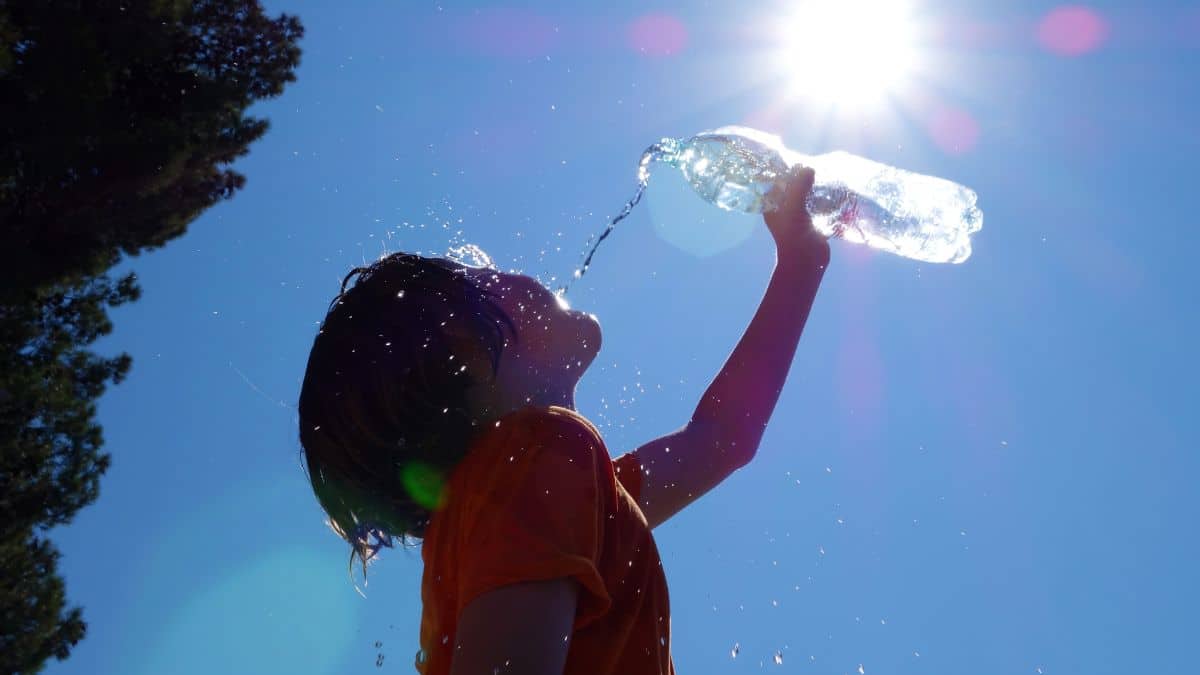
See if cold water during hot weather is a good idea? An expert explains the implications and suggests how to hydrate your body in the summer.
Table of contents
- Is it safe to drink cold water in hot weather?
- Effects of beverage temperature on the body: response to thermal shock
- Consequences of hydrating with cold water during high temperatures
- What drinks to choose during hot weather to hydrate effectively?
- Mistakes to avoid during extreme heat
- Doctors’ recommendations – how to take care of your health in the summer?
Is it safe to drink cold water in hot weather?
The idea that cold water is the best way to quickly cool down the body in hot weather is very common in fashionable messages and everyday conversations. However, medical and dietary experts warn that drinking extremely cool beverages when the temperature outside is rising may not only have temporary side effects, but also have more serious health consequences, especially in certain groups of people. The human body is equipped with thermoregulatory mechanisms that try to maintain a constant body temperature during high temperatures. The sudden introduction of a liquid into the stomach at a much lower temperature than body temperature can cause thermal shock to the digestive and nervous systems. The immediate consequence can be stomach cramps, abdominal pain or digestive disturbances. Some people also experience a sore throat and even a temporary reduction in the immunity of the oral mucosa due to the sudden cooling of tissues. Such effects are particularly acute for children, the elderly and those with chronic or gastrointestinal diseases, in whom even small deviations from the norm can lead to discomfort or deterioration. Nevertheless, for many healthy people, the occasional consumption of cool drinks does not necessarily imply a serious risk, although experts do not recommend it as a permanent part of the summer diet.
In addition to the discomfort felt immediately after consuming cold water, it is worth highlighting another important physiological mechanism that can paradoxically negatively affect one’s well-being during hot weather. When a very cold liquid enters the body, the body quickly reacts by contracting the blood vessels in the esophagus and stomach area, limiting heat transfer and temporarily stopping sweating. As a result, the body’s cooling process, instead of being activated, is momentarily halted, making the feeling of refreshment short-lived, and a few minutes after drinking a cold drink, the heat begins to be felt more intensely. This misleading sensation can lead to drinking more and more cold drinks, increasing the risk of upsetting the digestive tract or even the onset of symptoms of stomach irritation. Doctors also point out that people who participate intensively in sports in high temperatures can experience thermal shock after drinking cold water, and in extreme cases even fainting or sudden deterioration of performance. Clinicians and nutritionists unanimously recommend reaching for water at near room temperature or slightly cooled water during hot weather – this provides a much smoother and more effective regulation of body temperature, minimizes the risk of irritation and ensures long-term hydration. It is also worth remembering that the safety of drinking cold water depends on the individual tolerance of the body and the current state of health, and people with cardiovascular problems or gastrointestinal diseases should exercise extreme caution and, preferably after consulting a doctor, adjust the temperature of the drinks consumed to their own needs.
Effects of beverage temperature on the body: response to thermal shock
The temperature of the beverages consumed has a significant impact on the thermoregulatory responses of the human body, and a sudden supply of very cold liquids can cause so-called thermal shock. When we reach for ice-cold water during hot weather, the temperature difference between the drink and the body triggers rapid responses from the nervous and circulatory systems. In response to the cold liquid, the mucous membranes of the mouth, throat and upper respiratory tract experience a sudden contraction of blood vessels, leading to a temporary impairment of the local blood supply and a feeling of numbness or pain. Further, cold water reaching the stomach can cause its contractions, which is felt especially in people with delicate digestive tracts. In extreme cases, there can also be a reflexive slowing down of intestinal peristalsis, the appearance of abdominal pain and even sudden diarrhea or nausea. Children, seniors and people with chronic diseases such as diabetes, heart disease or digestive disorders are particularly vulnerable – for these groups, even small changes in homeostasis related to beverage temperature can quickly lead to deterioration. In addition, sudden cooling of the mouth and throat can trigger a natural defense mechanism in the form of increased mucus production, which manifests itself in hoarseness, coughing or a slight feeling of discomfort in the throat, and in predisposed people – even upper respiratory infections.
In addition to local reactions, the body intensively tries to compensate for the sudden temperature difference on a general level. When a cold drink enters the stomach, the thermoreceptors in its wall give a signal to quickly activate compensatory mechanisms – the metabolic rate increases in order to warm the cool liquid, and as a result, instead of a cooling sensation, the body temperature eventually rises. The body, instead of maintaining thermal balance, responds with increased sweating and more intense secretion of internal heat, which in practice paradoxically reinforces the feeling of overheating after a short period of apparent cooling. In addition, the sudden introduction of cold fluid can adversely affect the contractility of the heart muscle, leading to a feeling of palpitations or temporary pulse disturbances in susceptible individuals. It is worth noting that the thermal shock of cold drinks is particularly dangerous during hot weather and physical exertion – then the body is already burdened with the struggle to maintain the right temperature, and the additional stress caused by cold can upset the heart and circulatory system, causing dizziness, fainting, and even temporary vision or motor coordination disorders. Doctors point out that regular consumption of very cold beverages in the summer can result in more frequent migraine pain, as the instant constriction of blood vessels in the head and neck area promotes paroxysmal pain. In summary, while cold beverages may be temporarily pleasant, their physiological effects on the body in high-temperature conditions are often counterproductive, posing a risk especially to those with impaired thermoregulation or health problems.
Consequences of hydrating with cold water during high temperatures
Although reaching for ice-cold water seems a natural reflex on hot days, few of us are aware of the potential consequences of such a choice for the body. The most obvious reaction to the sudden delivery of a very cold liquid to a body heated by high temperatures is thermal shock. The body, which simultaneously receives signals of warming from the surface of the skin and rapid cooling from the stomach, is faced with the need for rapid adaptation. This leads to spasmodic contractions of the smooth muscles of the digestive tract – especially the stomach, which manifests itself in abdominal pain, nausea, sometimes even violent diarrhea. This effect is particularly intense for children, the elderly and people with sensitive digestive systems or chronic illnesses. In addition, the sudden difference in temperature causes blood vessels in the mouth, throat and esophagus to constrict, resulting in a feeling of numbness, pain during swallowing, as well as temporary breathing difficulties. Sometimes rapid cooling of the pharyngeal mucosa leads to the so-called “ice cream headache,” which is a short-lived but very severe migraine pain caused by constriction of intracranial vessels. The risk of such ailments increases when thirst is high, when we drink a larger amount of cold liquid in a quick gulp, instead of slowly rehydrating the body. Another problem arising from drinking cold water in hot weather is that it delays the process of actually cooling the body. Not everyone realizes that after absorbing a very cold liquid, the body immediately starts working to warm it up to the body’s internal temperature. This requires an increase in metabolism, which stimulates the processes of thermogenesis and contributes to increased sweating – as a result, the feeling of overheating can return, and the amount of electrolytes lost with sweat will be greater, which in turn can cause headaches, feelings of weakness and accelerate dehydration.
Regularly hydrating with cold water during high temperatures also affects cardiovascular function. Sudden cooling causes a reflex constriction of blood vessels, increasing resistance to blood flow and heart rate, which can be dangerous for people with cardiac problems and hypertension. In people with a predisposition to arrhythmias or cardiac arrhythmias, sudden cooling can result in a feeling of palpitations, irregularity of rhythm or even a brief disturbance of blood flow through the blood vessels. For those who are physically active, the strain on the cardiovascular system is compounded – after exercise, the body is severely heated and particularly vulnerable to negative reactions to sudden contact with cold fluid. An additional consequence of drinking very cold water is a decrease in the efficiency of digestive enzymes in the stomach – the low temperature slows down the rate of digestion, causing discomfort, a feeling of heaviness or heartburn. Reduced temperature in the abdominal organs also adversely affects intestinal peristalsis, leading to transient stool disturbances or unpleasant flatulence. In some people, especially with lowered immunity and irritated throat mucous membranes, ice-cold water can become the initiating factor of upper respiratory tract infections or even the beginning of a recurrence of chronic inflammation. Contrary to appearances, instead of bringing cooling and relief, drinking cold water during hot weather can therefore lead to the opposite effect – worsening overall well-being, exacerbating symptoms of heat exhaustion or causing additional health complaints. That’s why doctors and nutritionists suggest reaching for room-temperature or slightly cooled water during hot weather, which hydrates more effectively and without the risk of harmful complications.
What drinks to choose during hot weather to hydrate effectively?
During high temperatures, proper hydration of the body becomes a key part of taking care of health, well-being and protecting against the effects of overheating. Choosing the right drinks is not limited to the sheer quantity of fluids, but also to their composition, temperature, electrolyte levels and the absence of unfavorable additives. According to doctors and nutritionists, the safest and most effective way to quench thirst on hot days is to drink water at room temperature or slightly chilled (about 15-20°C). This temperature minimizes the risk of thermal shock and does not disrupt the body’s thermoregulatory mechanisms. Water performs its function best if it is non-carbonated, as carbonated drinks can cause bloating and digestive discomfort, especially if you drink them in large quantities or on an empty stomach. Mineral water is also worth looking into – it will work especially well during prolonged exposure to the sun or significant physical activity, where valuable electrolytes such as sodium, potassium and magnesium are lost with sweat. Medium-mineralized or highly-mineralized water provides them to the body, supporting the efficient functioning of the nervous and muscular systems, thereby reducing the risk of fatigue and muscle cramps. It is also recommended to sip water regularly in small sips, rather than drinking large amounts at a time – this practice allows for constant replenishment of fluids and does not put undue strain on the kidneys. After physical exertion or intense sweating, you can reach for homemade isotonic drinks, such as water with the addition of lemon juice, a pinch of salt and honey, which will replenish not only fluids, but also lost mineral salts, without artificial colors, preservatives or excess sugar, as is the case with ready-made sports drinks available in stores.
In addition to water, experts also recommend reaching for natural herbal infusions and fruit teas served warm or slightly cooled – they have a beneficial effect on digestion and do not provide unnecessary calories that could put additional strain on the body on hot days. To relieve thirst, mint, chamomile or lemon balm will be great, as they can not only promote hydration, but also relieve possible digestive discomfort. Infused waters – so-called flavored waters prepared on their own by adding fresh fruit, mint leaves or cucumber slices to water – are also very popular. Such drinks not only enrich liquids with natural vitamins and trace elements, but also encourage children and adults to reach for water more often, especially if drinking pure water alone seems monotonous. On the other hand, it is necessary to avoid sweetened, carbonated drinks, heavily chilled juices from concentrate or energizers, which contain large amounts of sugar, caffeine and artificial preservatives – such ingredients not only weaken hydration mechanisms, but increase the risk of dehydration by increasing diuresis and the loss of valuable minerals. The high sugar content of store beverages can additionally lead to rapid fluctuations in blood glucose levels and deterioration of well-being, especially in people who are overweight, diabetic or have metabolic problems. Fresh fruits and vegetables – watermelon, cucumber, strawberries and citrus – are also an important part of summer hydration, as they have a high water content while providing vitamins and fiber. Consuming fruit and vegetable cocktails, compotes without added sugar or diluted fresh-squeezed juices can be a valuable supplement to fluids, especially in the diets of children and the elderly. It’s also worth remembering not to substitute water for milk or alcoholic beverages – milk puts a strain on the digestive tract, while alcohol accelerates fluid loss by increasing diuresis and puts additional strain on the cardiovascular system, which is particularly dangerous in hot weather. Experts remind us that the key to effective hydration is regularity, moderate drink temperature and the choice of simple, natural ingredients. This will help the body maintain optimal water balance even during the most intense heat waves.
Mistakes to avoid during extreme heat
Extreme heat poses a serious challenge to the body, so it is especially important to avoid the most common mistakes that can lead to dangerous health consequences. One of the key mistakes is reaching for fluids too infrequently or drinking too much at once. The body best assimilates water consumed in small portions throughout the day, while drinking a large amount of liquid quickly, especially cold, can not only cause thermal shock, but also strain the kidneys and disrupt electrolyte balance. It is also a common mistake to replace water with sweetened, carbonated or energy drinks, which not only do not hydrate effectively, but can even lead to dehydration due to sugar or caffeine, and cause sudden fluctuations in glucose levels. Consuming alcohol during hot weather is a mistake that leads to rapid fluid loss, impaired intestinal peristalsis and can contribute to dehydration and dangerous conditions like heat stroke. Drinking strong dairy drinks and fatty shakes should also be avoided on hot days, as they strain the digestive system and intensify feelings of fatigue, as opposed to light infusions or herbs.
Another common mistake is not adapting one’s diet and behavior to the weather; eating heavy, fatty or high-protein foods increases metabolic heat production and raises body temperature, which can lead to overheating. It’s also a good idea to avoid excessive sun exposure during peak sunlight hours, ignoring the need to cover the body with light, airy clothing and forgoing headgear. Leaving air-conditioned or cooler rooms straight into the hot air, especially after physical activity or bathing, is risky, as the temperature difference can be harmful to the cardiovascular system. The elderly and children do not always feel thirst or changes in temperature, making them require regular care and monitoring. Overheating the body while sleepingis also a common mistake-lackof ventilation in the bedroom, the use of heavy bedding or inadequate closet can lead to thermoregulatory disorders and impaired sleep quality, which weakens the whole body. In addition, during hot weather it is inadvisable to overuse fans and air conditioners set at very low temperatures, which can dry out mucous membranes, lower immunity and increase the risk of upper respiratory tract infections. Often neglected is the need to monitor electrolyte levels, especially during the onset of intense sweating-ignoring symptoms such as muscle tremors, dizziness or feelings of fatigue can be hazardous to health. Also examined are unnecessary intense workouts or staying in stuffy places without access to fresh air, which promotes rapid overheating and weakening of the body. These many mistakes are often due to a misconception about the body’s immunity or a lack of awareness of the dangers of hot weather. By paying attention to avoiding the aforementioned activities, you can more effectively protect yourself from serious health consequences during hot weather and ensure that you feel comfortable and safe during the hottest days of summer.
Doctors’ recommendations – how to take care of your health in the summer?
In summer, when temperatures exceed the norm, doctors especially stress the need for health-conscious care. A key issue is adequate hydration of the body – experts recommend drinking water regularly, preferably at room temperature or slightly cooled, to avoid the risk of heat shock and stomach and heart disorders. It is advisable to break down fluid intake into smaller portions consumed frequently throughout the day, as suddenly drinking a large amount at once can cause discomfort, vomiting and even electrolyte disturbances. In addition to water, reach for herbal infusions (e.g., mint, lemon balm), fruit teas or homemade isotonic drinks made with a base of water, a pinch of salt and a splash of natural fruit juice to help replenish minerals lost during sweating. The diet should be light, rich in fresh fruits and vegetables – these products not only effectively hydrate, but also provide essential vitamins and antioxidants, protecting against the negative effects of intense sunlight. Doctors pay attention to avoiding fatty, hard-to-digest and fried foods, which strain the digestive tract and increase the body’s heat production. Coolers, light salads, vegetable soups and fermented dairy drinks are good options, although the latter should be used with caution by people with lactose intolerance. It is especially important to limit the consumption of sugar and alcohol – these substances promote dehydration and can disrupt thermoregulatory mechanisms and cause sudden spikes in blood pressure or heart rhythm disturbances.
Another important issue in summer health prevention is to protect the skin and avoid overheating the body. Doctors recommend daily use of creams with high SPF on exposed parts of the body – they protect against burns, photoaging and minimize the risk of developing skin cancer. The highest intensity of UV radiation is recorded between 11:00 am and 4:00 pm, so it is recommended to limit sun exposure during this time; it is advisable to plan activities for early morning or late afternoon. Light-colored headgear (hats, baseball caps), sunglasses with UV filters and airy clothing made of natural materials that shield the skin and allow air to circulate freely are also essential. Home ventilation and the use of fans must be judicious – excessive cooling by too low a/c temperatures can lead to upper respiratory infections, colds and rheumatoid joint ailments. It is advisable to especially monitor the health of the elderly, children and the chronically ill – these are the groups most vulnerable to dehydration, heat stroke and cardiovascular disorders. It is important to monitor body weight, blood pressure and heart rate, and if alarming symptoms appear – such as weakness, shortness of breath, rapid dizziness or visual disturbances – to seek immediate medical attention. In the summer, physical activity should be tailored to the individual’s abilities and the ambient temperature; experts suggest choosing moderate-intensity exercise, preferably during the cooler hours of the day, with adequate rest breaks and regular drinking of water. Ignoring the above guidelines can lead to dangerous health consequences, such as heat stroke, dehydration and even cardiac arrest, so doctors stress the need for education and scrupulous adherence to safety rules during the summer heat.
Summary
Drinking cold water in hot weather may not be as beneficial as commonly believed. Drinks that are too cold can lead to thermal shock, digestive disorders and excessive strain on the body. Choosing water or other beverages that are close to body temperature will make it easier and more effective to hydrate and reduce the risk of unpleasant health consequences. Doctors stress that proper hydration without shocking the body with cold water is the basis for a safe and healthy summer. By following these recommendations, we can take better care of ourselves during hot weather and avoid risky mistakes.


