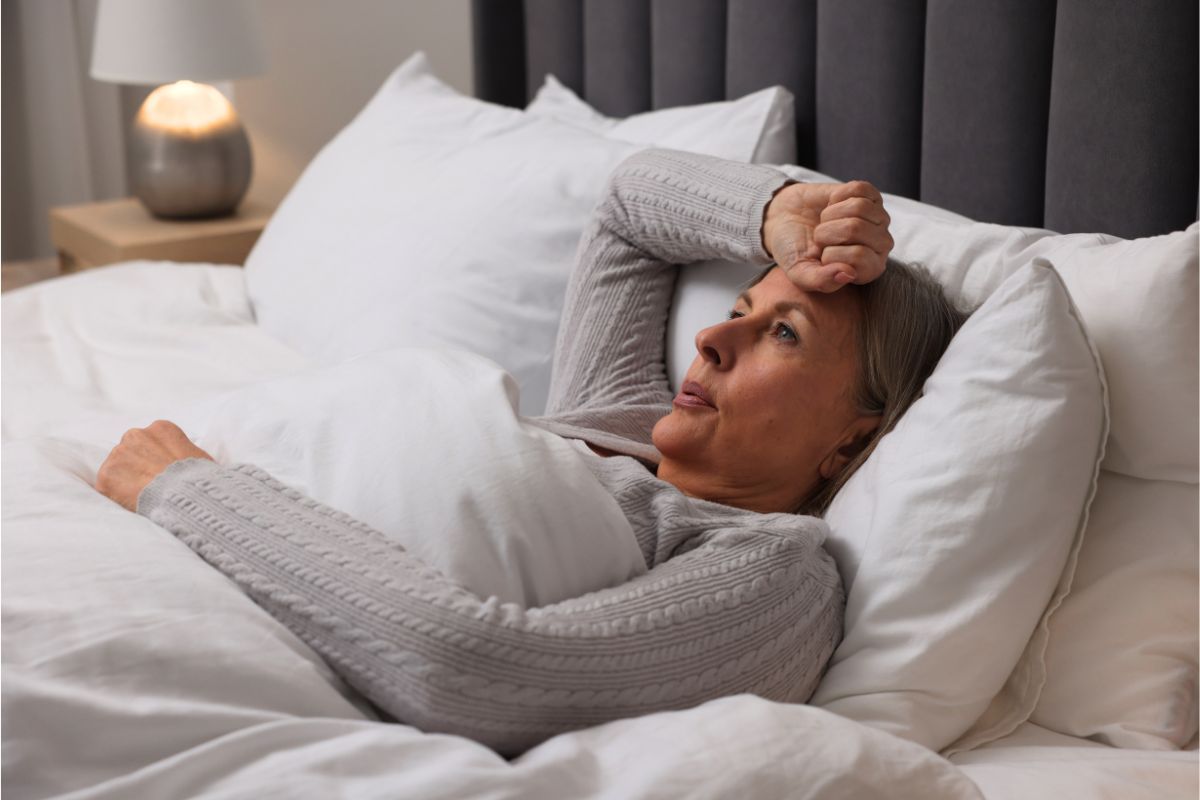
Night sweats – find out what causes night sweating, when they may indicate menopause, and which symptoms require a visit to the doctor.
Table of Contents
- What Are Night Sweats and How Do They Manifest?
- Most Common Causes of Night Sweats
- Night Sweats and Menopause – Hormonal Changes in Women
- When Are Night Sweats a Symptom of Serious Diseases?
- Diagnosis and Treatment of Night Sweats
- Home Remedies and Prevention for Night Sweats
What Are Night Sweats and How Do They Manifest?
Night sweats are recurring episodes of excessive sweating during sleep, which can become so intense that they soak through pajamas, bedding, or even force you to change clothes in the middle of the night. They are a symptom that goes beyond normal physiological sweating used for body temperature regulation – although sweating is a natural reaction to increased environmental temperature or overly warm bedding, night sweats usually occur even when bedroom conditions are conducive to comfortable sleep. Night sweats are characterized by their unexpected onset, frequent recurrence over consecutive nights, affecting large areas of the body, and sometimes associated with a feeling of shortness of breath, heart palpitations, or anxiety. This symptom is also unusual in that it often remains independent of physical exertion, current health status, or external conditions, and can significantly lower sleep quality, leading to awakening and difficulties falling back asleep, and in the long run – chronic fatigue or even mood disorders.
The symptoms of night sweats can vary in nature and intensity depending on the cause, age, gender, and individual body conditions. Typically, a sudden feeling of heat sweeps through the body, accompanied by profuse sweating – usually in the chest, neck, nape, back, or head, but it can also affect limbs. Other accompanying symptoms often described are rapid heartbeat, a sense of anxiety, skin redness, awakening from sleep, or a general feeling of discomfort upon waking. For many people, these episodes recur regularly and may intensify at certain times – most often in the second half of the night or early morning. It should be noted that night sweats are not always a manifestation of disease – they can be related to natural metabolic processes, stress response, recent infection, hormonal imbalance (e.g., during menopause in women), climacteric state, or specific physiological conditions. However, if the sweating is so intense that it hinders restful sleep, and especially if accompanied by other concerning symptoms (such as weight loss, fever, chronic fatigue, or strong heart palpitations), it should prompt closer observation and consultation with a specialist. Night sweats can have causes ranging from mild, transitional factors to serious health disorders, so understanding their mechanism and recognizing characteristic symptoms is key for proper diagnosis, effective treatment, or management of this unpleasant sleep problem.
Most Common Causes of Night Sweats
Night sweats are a symptom with many potential sources, often related both to the body’s physiology and a range of external or pathological factors. One of the most common triggers is hormonal imbalance. In women, menopause and perimenopause play a dominant role, where a drop in estrogen levels deregulates the thermoregulatory center in the brain, causing sudden hot flashes and intense sweating during sleep. Thyroid diseases, both hyper- and hypothyroidism, also disrupt hormonal balance, resulting in body temperature fluctuations and increased sweating. Diabetes, particularly nocturnal hypoglycemia, may stimulate the body to release adrenaline, resulting in sudden sweating and waking from sleep. Hormonal disturbances are also observed in men, for instance during andropause when decreasing testosterone levels can cause similar symptoms as in menopausal women.
Viral and bacterial infections, particularly chronic ones like tuberculosis, HIV, or mononucleosis, may also cause frequent night sweats. During such illnesses, the immune system activates mechanisms to fight pathogens, leading to a raised body temperature and intensive sweating, usually at night. Other significant causes include cancers, especially lymphomas and leukemias, which, due to disturbed lymphocyte production and inflammation, result in excessive nighttime sweating, often with other alarming symptoms like weight loss or unexplainable fever. Certain medications are also known to stimulate sweating as a side effect – most notably antidepressants from the SSRI group, steroids, or drugs used in antihypertensive therapy. Stimulants like alcohol, caffeine, or nicotine also affect the body by stimulating the nervous system and disrupting temperature regulation processes, leading to night sweats. Everyday habits and environmental factors, such as too high a bedroom temperature, wrong choice of bedding or synthetic pajamas impeding air circulation, can also significantly exacerbate night sweats. Psychological stress and anxiety disorders may also cause excessive sweating through chronic sympathetic activation and release of stress hormones like cortisol or adrenaline. For some individuals, night sweats may also signal autoimmune (e.g., rheumatoid arthritis) or systemic disorders (e.g., sarcoidosis), which cause abnormal immune responses. Primary idiopathic hyperhidrosis, where excessive sweating occurs without an identifiable medical reason, must also not be forgotten. Identifying the exact cause requires careful observation of accompanying symptoms and possible risk factors, as only accurate diagnosis allows for effective treatment and improved sleep comfort.

Night Sweats and Menopause – Hormonal Changes in Women
Night sweats are among the most characteristic and bothersome symptoms of menopause, affecting a significant proportion of women in the perimenopausal age. Menopause is a natural stage in every woman’s life, usually occurring between the ages of 45 and 55, and is associated with the permanent cessation of ovarian hormonal activity. The key mechanism underlying night sweats during menopause is rapid hormonal fluctuations and a subsequent decrease in estrogen levels – the primary female hormones, which play an important role in regulating many body functions, including thermoregulation. Estrogen deficiency directly affects the hypothalamic-pituitary axis, which is responsible for controlling body temperature. When estrogen levels drastically decline, the hypothalamus receives a false signal that the body is overheating and provokes a defensive response: vasodilation and the activation of sweat glands, resulting in sudden hot flushes and intense sweating, especially at night. In many women, night sweats occur in parallel with so-called hot flashes, causing a sudden sensation of heat, rapid heartbeat, skin redness, and awakening from sleep. A decrease in progesterone, which physiologically works in conjunction with estrogen to maintain the balance of various metabolic functions, also plays a significant role here. Additionally, hormonal fluctuations during the perimenopausal period may increase sensitivity to stress and amplify the reactions of the autonomic nervous system, intensifying episodes of excessive sweating. Statistics show that as many as 70–80% of women going through menopause experience substantial night sweats, which are often among the first signals of hormonal changes taking place. Interestingly, the severity and frequency of symptoms can be highly varied and depend on genetic predisposition, lifestyle, metabolic comorbidities, or medications, such as antidepressants, which themselves can exacerbate night sweats.
The importance of hormonal disturbances in causing night sweats in women is well confirmed by clinical research and physician observations. Estrogen deficiency not only disrupts thermoregulatory mechanisms but also negatively impacts sleep quality and overall well-being, leading to chronic fatigue and irritability. Prolonged night sweats can significantly reduce quality of life – disrupting sleep, contributing to insomnia, and leading to psychophysical exhaustion. Other menopausal symptoms, such as vaginal dryness, mood changes, cognitive disorders, or headaches, often co-occur, creating a comprehensive complex of complaints. It’s also important to note that menopause doesn’t mean immediate cessation of symptoms for all women – for some, night sweats may persist even for several years after the last period, though they typically become milder over time. In cases of severe night sweats, thorough diagnostics are needed to rule out other potential causes like thyroid diseases (e.g., hyperthyroidism), infections, or cancers, which can also present with this symptom. The support of a gynecologist or endocrinologist is crucial here – implementing suitable treatment, such as hormone replacement therapy (HRT), can provide significant relief from night sweating. However, initiating such treatment should always be preceded by a careful health assessment, taking into account contraindications and patient preferences. It is also recommended to introduce lifestyle modifications – regular physical activity, avoiding excessive alcohol and spicy food consumption, ensuring the right bedroom temperature, and practicing relaxation techniques to reduce stress. With a broad understanding of the causes of night sweats in menopause, women have a better chance of effectively alleviating symptoms and adapting to the changes brought by this special period.
When Are Night Sweats a Symptom of Serious Diseases?
While night sweats often have mild, benign causes, they can also be a symptom of serious systemic diseases that require prompt diagnosis and specialist medical care. The risk that night sweats are signaling a life-threatening disorder increases when accompanied by other alarming symptoms, such as unexplained weight loss, chronic fatigue, fever, enlarged lymph nodes, bone pain, appetite disorders, recurrent infections, or nighttime chills. One of the most significant conditions where night sweats arise as an early symptom is lymphatic malignancies, especially non-Hodgkin and Hodgkin lymphomas. In these cases, the so-called “B symptoms” are noted; these include night sweats, unexplained fevers, and weight loss exceeding 10% within a short period. Night sweats may also be present in advanced malignancies of other organs, such as leukemia, lung cancer, pancreatic, or prostate cancer. Even if night sweating is the only sign of disturbance, it should be taken seriously and thoroughly investigated in people with oncological risk factors. Chronic infections, especially bacterial ones, are also critical – tuberculosis, for example, commonly manifests with night sweats, dry cough, fatigue, and gradual weight loss, often for months before diagnosis. Night sweats are also seen in other long-standing infections, such as endocarditis, HIV, or certain parasitic diseases. Among autoimmune diseases, such as rheumatoid arthritis or lupus, night sweats may result from chronic inflammation, often appearing with morning stiffness or unexplained skin rashes. Endocrine disorders, especially hyperthyroidism (Graves’ disease), accelerate metabolism and cause thermoregulation disturbances, resulting in persistent night sweats, palpitations, hand tremors, and weight loss without dietary changes. These symptoms are easily overlooked or attributed to stress or aging, so a thorough medical interview and basic laboratory tests are crucial for diagnosing night sweats of unknown origin.
Another significant category where night sweats can be a key warning sign includes cardiac and respiratory disorders. Chronic heart failure, especially with decompensation, results in poorer tissue oxygenation and compensatory mechanisms, causing night awakenings with shortness of breath and intense sweating. Similarly, chronic obstructive pulmonary disease (COPD) and asthma, when associated with nighttime respiratory attacks, can provoke worsening sweating during sleep. Neurological conditions such as early-stage Parkinson’s disease or hypothalamic damage impair central temperature and vascular response regulation, leading to unusual body reactions like sudden night sweats. It is also worth noting side effects of certain medications – particularly antidepressants (e.g., SSRIs), antipsychotics, antipyretics, and steroids, which may disturb physiological thermoregulation and cause night sweating. Additionally, abusing alcohol, psychoactive substances, or sudden withdrawal from them promotes night sweats due to withdrawal or toxic effects on the central nervous system. Alarming symptoms such as hemoptysis, chest pain, persistent low-grade fever, or peripheral edema should not be ignored and are an indication for urgent medical consultation and expanded laboratory-imaging diagnostics. Correct and swift identification of the serious cause of night sweats is crucial for implementing effective treatment and preventing health complications, especially when the disease is latent and may not give classic clinical symptoms for a long time.
Diagnosis and Treatment of Night Sweats
Night sweats are a symptom whose cause must be accurately identified to implement proper treatment. The diagnostic process begins with a detailed medical history, where the physician gathers information on the intensity and frequency of sweating, symptom duration, and coexisting ailments such as weight loss, fever, chronic fatigue, or appetite changes. It is also important to establish external factors that may affect night sweating – for example, bedroom temperature, bedding type, or medications taken. The interview should include questions about substance use, smoking, and potential overuse of alcohol or psychoactive substances, which can intensify this symptom. The next step is a health assessment through a comprehensive physical examination – searching for accompanying signs like swelling, enlarged lymph nodes, skin changes, or infection evidence. It’s recommended to analyze chronic diseases in the family history, especially cancers, autoimmune diseases, and endocrine disorders, as this can help narrow down the diagnostic process. A significant role is played by detailed laboratory diagnostics – including blood tests (morphology, ESR, CRP, hormonal panel with TSH and sex hormones, fasting glucose, liver and kidney function tests), and urinalysis. If chronic infections are suspected, additional serological tests (for HIV, hepatitis, tuberculosis) and imaging studies such as chest X-ray or abdominal ultrasound are ordered to detect infection foci, proliferative changes, or organ enlargement. In some cases, the patient must be referred to specialists: endocrinologist, hematologist, immunologist, or oncologist, who will conduct further targeted diagnostics – e.g., biopsy, MRI, or advanced genetic testing.
The treatment of night sweats depends on the direct cause, so establishing an accurate diagnosis is vital. If hormonal changes are the source – menopause, andropause, or thyroid diseases – appropriate hormonal or pharmacological therapy may be considered. For menopausal night sweats, hormone replacement therapy (HRT) may help, but its use requires individualized evaluation of indications and contraindications by a gynecologist. If bacterial or viral infections are present, targeted antibiotic or antiviral therapy is implemented, while in cancers, treatment is provided by the oncologist according to established standards. If psychiatric disorders or chronic stress are the cause, relaxation techniques, psychotherapy, or pharmacological support (e.g., anxiolytics) may help reduce night sweats. Additionally, lifestyle modifications are necessary – maintaining a suitable bedroom temperature (ideally 18–20°C), wearing breathable underwear and bedding made from natural fabrics, and avoiding heavy dinners, alcohol, spicy foods, and caffeine before bed. Keeping a healthy weight and regular physical activity improve thermoregulation and overall well-being. If night sweats are idiopathic (no detectable cause), symptomatic treatment is used: topical antiperspirants, medications reducing sweating (such as anticholinergic agents), or – in extreme cases – aesthetic medicine procedures like iontophoresis or botulinum toxin. It’s important to regularly monitor symptoms and have follow-up medical check-ups to catch any signs of serious illnesses early. An integrated approach, including diagnostics, causal treatment, and preventive action, increases the chances of effectively eliminating night sweats and improving the patient’s quality of life.
Home Remedies and Prevention for Night Sweats
Introducing home remedies and appropriate preventive measures is a key element in managing night sweats, especially when they are not related to serious diseases demanding pharmacological treatment. One of the most important steps is optimizing bedroom conditions. Room temperature should be kept between 16–20°C and air humidity at 40–60%. Ventilating the bedroom before sleep, using breathable natural bedding like cotton or linen, and avoiding heavy, synthetic blankets significantly reduce the risk of overheating during nighttime rest. Choose pajamas made from breathable fabrics and avoid excessive layering, which hampers evaporation of moisture from the skin. Pillows and mattresses with thermoregulatory properties can also help prevent heat build-up under the body. Evening hygiene is essential – a cool shower before bedtime not only lowers body temperature but also relaxes and soothes the nervous system, which may minimize sweating episodes. Avoid hot baths, as they temporarily raise body temperature and may contribute to night sweats. Diet plays a key role – consuming heavy, spicy foods and snacks just before bed can provoke a thermogenic response (increased heat production by the body), leading to excessive sweating. Also avoid drinks high in caffeine, alcohol, and energy drinks in the evening, as these stimulate the sympathetic nervous system and intensify night sweating. Equally important is hydration – drinking enough water throughout the day supports natural body thermoregulation and prevents dehydration, which itself can increase temperature sensitivity.
Lifestyle Changes and Relaxation Techniques
Regular physical activity, though best moderate and performed in the first half of the day, plays a significant role in preventing night sweats. Exercise has a positive effect on metabolism, cardiovascular system, and stress hormones; however, overly intense workouts in the evening may raise body temperature and worsen symptoms during sleep. Establishing a daily calming ritual before sleep, using relaxation techniques such as meditation, light stretching, or breathing exercises, helps lower cortisol levels and soothe the nervous system – since stress and emotional tension are important triggers, especially in psychologically predisposed people. Those suffering from night sweats due to hormonal disorders (e.g., menopause) may benefit from natural methods to support hormonal balance, such as supplementing with phytoestrogens found in soy products, flaxseed, or red clover – always consult a doctor before doing so. Pay attention to mental health – chronic stress, anxiety, or depression are closely linked to increased sweating, so professional psychological support is recommended if relaxation techniques do not work. Calming herbal blends, e.g., lemon balm, valerian root, or lavender, can be helpful as teas before sleep. Maintaining a healthy body weight and combating obesity are also important preventive measures because fat tissue limits effective heat dissipation. Limiting blue light exposure from screens just before bed is worthwhile, since it disturbs melatonin production and can prevent deep, restful sleep, increasing awakenings from sweating. Consistent use of these strategies can significantly minimize the burden of night sweats and improve sleep quality and daily functioning.
Summary
Night sweats are a symptom that can have multiple causes – from physiological and hormonal changes during menopause, to infections, and even serious diseases. Proper diagnosis helps identify the source of the problem, allowing for pharmacological treatment or home remedies to relieve symptoms. If night sweats suddenly appear or are accompanied by other concerning symptoms, you should consult a doctor. Early action helps avoid more serious health consequences and improves life quality.