
Discover the symptoms, causes, and proven methods for treating migraines. Learn how to effectively cope with headaches and improve your quality of life.
Table of Contents
- What is migraine and how to recognize it?
- Common migraine symptoms – when to see a doctor
- Causes of migraine and triggering factors
- Migraine in children and adults – differences and similarities
- Modern and home methods of migraine treatment
- Prevention and everyday strategies for coping with headache
What is migraine and how to recognize it?
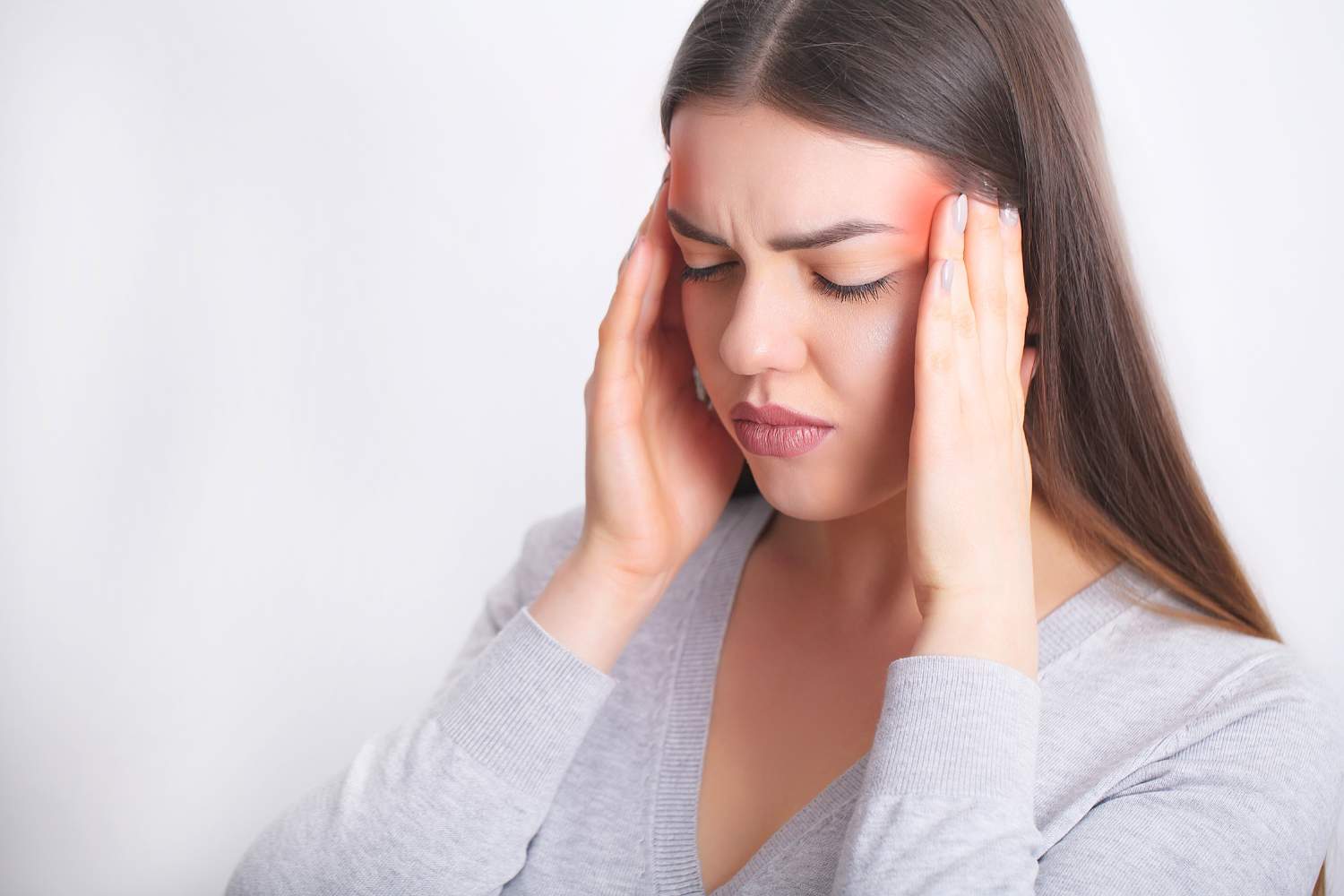
Migraine is a chronic neurological disorder characterized by recurrent, usually unilateral, very severe headaches. This condition has been known since ancient times, but only modern medicine has begun to investigate its complex mechanisms and its impact on patients’ lives. Migraine affects about 10-15% of the population, occurring more frequently in women than in men, though it can appear in any age group, even in children. It’s important to emphasize that migraine is not just an “ordinary” headache but involves a range of coexisting symptoms with varying intensities. The most characteristic symptom is a pulsating, unilateral pain, usually located in the forehead, temple, or eye socket, which can last from a few to even 72 hours. Generally, the pain worsens with physical activity and is often accompanied by neurological symptoms such as hypersensitivity to light (photophobia), sound (phonophobia), and smells (osmophobia). Some patients experience what is called a migraine aura—a warning sign occurring several minutes before the headache. Aura can manifest as visual disturbances (flashing lights, zigzags, shadows), tingling in the limbs, or even speech difficulties. However, it’s worth noting that migraine can also occur without aura—this is actually the most common type. A characteristic, yet often overlooked aspect of migraine is its impact on daily functioning—attacks can incapacitate a person from work, study, or family activities, leading to a significant deterioration in quality of life.
Diagnosing migraine is mainly based on a detailed medical interview and an analysis of symptoms reported by the patient. Migraine is diagnosed using the so-called diagnostic criteria of the International Headache Society (IHS). These include: at least five attacks lasting from 4 to 72 hours, unilateral pain location, pulsating character, moderate or severe intensity, as well as an increase in symptoms during daily activity. Diagnosis also considers coexisting symptoms such as nausea, vomiting, hypersensitivity to external stimuli, or the presence of aura. The doctor may order additional tests, such as MRI or CT scans, if there is suspicion of other causes of headache or atypical symptoms that cause concern (for example, sudden and very severe headache, change in the character of symptoms, or neurological disturbances). What distinguishes migraine from other headaches is primarily the distinctive character of the attacks and the repetition of symptoms, and keeping a migraine diary can be very helpful in establishing the diagnosis. Most people with migraines can identify their individual triggers (such as stress, hormonal changes, certain foods, fatigue, or lack of sleep), though in some patients, it’s hard to pinpoint a single clear cause. Early diagnosis and implementation of appropriate management are crucial to reducing both the frequency and intensity of attacks, as well as improving quality of life for those affected by this condition.
Common migraine symptoms – when to see a doctor
Migraine is a condition characterized not only by severe headaches but also a complex set of symptoms that can significantly affect everyday functioning. The most typical symptom of migraine is a moderate to severe headache, usually unilateral, pulsating, and worsening with physical activity. This pain very often localizes in the forehead, temple, or orbital area, although in some patients, it may affect the whole head or change location during the attack. The severe, throbbing pain drives migraine sufferers to seek out dark, quiet rooms and avoid contact with the outside world. In addition to the headache, there are often accompanying symptoms such as nausea, vomiting, and hypersensitivity to external stimuli—light (photophobia), sound (phonophobia), and smells (osmophobia). Many patients also experience loss of appetite, weakness, irritability, or difficulty concentrating. A unique symptom that occurs in about 20–30% of people with migraine is the so-called migraine aura—a set of temporary neurological symptoms preceding the headache. Aura most commonly manifests as visual disturbances (shadows, flashes, zigzags, flickering points in the visual field), less commonly as sensory disturbances (numbness and tingling of the face or limbs), speech difficulties, or even brief muscle weakness. It should be emphasized that the aura usually disappears within about an hour of onset and is replaced by the headache. However, not every migraine attack includes an aura—classic migraine without aura is much more common, and its diagnosis requires only the consideration of painful symptoms and their accompanying complaints.
Diagnosing migraine can be difficult because its symptoms may overlap with those of other neurological or vascular disorders. So, when should you see a doctor? Immediate consultation is required after the first-ever attack of a very severe headache that appears suddenly, reaches maximum intensity within a few minutes (the so-called thunderclap headache), and is accompanied by consciousness disturbances, seizures, neck stiffness, fever, or paralysis. In such cases, you should immediately go to the hospital, as they may indicate serious conditions such as subarachnoid hemorrhage or central nervous system infections. Patients should also consult a doctor if headache attacks occur for the first time after the age of 50, have an unusual character, change their features (such as location, intensity, duration), worsen over time, or are resistant to pharmacological treatment. Consultation is also needed if new neurological symptoms appear, such as vision, hearing, balance, speech, or sensory disturbances, memory problems, or limb weakness, especially if they last longer than a typical aura. Recurrent vomiting, weight loss, or severe headache that awakens from sleep are also warning signs. In any case of recurrent, severe, or unusual headaches, it is worth consulting a neurologist who, based on a professional interview and, if necessary, imaging tests, will establish the correct diagnosis and choose the optimal treatment strategy. Early diagnosis allows for the exclusion of dangerous diseases and the correct recognition of migraine, which is crucial for the effectiveness of therapy and improving patients’ quality of life. Regularly keeping a headache diary, where you record attack dates, duration, possible triggers, and accompanying symptoms, is extremely helpful in diagnosis and monitoring the effects of migraine treatment.
Causes of migraine and triggering factors
The causes of migraine are multifactorial and still not fully understood, but contemporary medicine highlights their complex nature, combining genetic, environmental, and dysfunctions in the nervous, vascular, and biochemical systems. Genetic predispositions are often at the root of migraine development. Research shows the risk of suffering from this condition is up to four times higher in people whose close relatives also had migraines. Family tendency to aura migraines is particularly noticeable. In the pathogenesis of migraine, key roles are played by disturbances in cerebral blood flow, improper activation of the trigeminal system, and changes in the levels of neurotransmitters, especially serotonin and dopamine, which are responsible for pain signaling. Migraine attacks are often initiated by neuronal hyper-reactivity to environmental stimuli, leading to the so-called cortical spreading depression. This complex phenomenon results in a local imbalance between the excitation and inhibition of neurons, triggering a cascade of biochemical and inflammatory changes leading to the characteristic migraine pain and accompanying symptoms. One of the important mechanisms is also the release of neuropeptides, such as substance P and CGRP, which facilitate vasodilation and the development of local inflammation within the meninges. As a result, sensitivity increases in areas responsible for pain processing, and the body becomes more sensitive to external and internal factors triggering migraine attacks.
In addition to genetic and biological conditions, so-called provoking factors play a crucial role in triggering migraine attacks; these can differ significantly among individuals and even change over a lifetime. Among the most frequently mentioned migraine “triggers” are hormonal changes—hence, migraine is more common in women, and the intensification of symptoms is associated with menstruation, ovulation, pregnancy, menopause, or oral hormonal contraception. Many people also report that their migraine attacks are preceded by intense or chronic stress, sudden relaxation after stressful periods, as well as abrupt changes in sleep patterns: both deficiency and excess of sleep can trigger attacks. Significant dietary factors—especially foods rich in tyramine, histamine, and nitrates, such as aged cheeses, red wine, chocolate, citrus fruits, nuts, processed meats, or highly processed foods—are also suspected. Alcohol (especially red wine), caffeine, fasting, long intervals between meals, dehydration, or rapid fluctuations in blood sugar levels can also be strong triggers. Environmental factors also matter: bright lights, strong odors, noise, atmospheric pressure changes, sudden weather changes, or exposure to tobacco smoke. Some people notice a connection between migraine and physical activity—both intense effort and sudden tension of the neck and shoulder muscles can provoke attacks. Similarly, dietary supplements, the use of certain medications (such as vasodilators, hormonal drugs), and even emotional disturbances or depression may affect the frequency and intensity of attacks. Knowing your individual provoking factors and modifying them, for example by keeping a migraine diary, is a key element in both prevention and effective treatment of migraines in everyday life.
Migraine in children and adults – differences and similarities
Migraine is a condition that spares no age group, yet the symptoms, course, and diagnostic challenges can vary greatly depending on the patient’s age. In children, migraine often presents less typically than in adults—headaches may be shorter, milder, and more often bilateral, whereas in adults they are usually unilateral, strongly pulsating, and last from 4 to 72 hours. Children, especially younger ones, have difficulty precisely describing their pain, so symptoms can be mistaken for other diseases, such as infections, dehydration, vision defects, or gastrointestinal disorders. Moreover, children often display so-called periodic syndromes (for example, cyclical vomiting, abdominal pain, or dizziness), which may represent a specific equivalent of migraine at a young age and later develop into a classic migraine pattern in adulthood. Accompanying symptoms such as nausea, vomiting, and hypersensitivity to light and sound occur in both children and adults, but children withdraw from activities much more quickly during attacks and more often show gastrointestinal symptoms than adults. It can also be much harder to recognize migraine aura in young patients, mainly due to their limited ability to describe visual or sensory experiences preceding the headache.
In adults, however, migraine exhibits greater variation in attack duration and symptom severity—more often accompanied by aura, and pain can be so severe as to impact professional, social, and family functioning. Adults are generally able to describe the nature of the pain and triggers in detail, simplifying diagnosis. Among adults, migraine appears significantly more frequently in women, especially of reproductive age, which is associated with the influence of sex hormones, particularly estrogens, on the frequency and severity of migraine episodes. In children, gender is not as significant, but during puberty, it becomes more prevalent in girls, which clearly relates to hormonal changes. Regarding causes, migraine has both genetic and environmental components in both groups, but in children, triggers are often insufficient sleep, irregular meals, school stress, and excessive sensory stimuli. In adults, work-related stress, fatigue, hormonal changes, alcohol, or specific dietary ingredients dominate. In both age groups, identifying individual triggers and regularly keeping a headache diary are very important, but in children, early implementation of these strategies brings the best results in prevention and effective treatment. There are also differences in treatment—pharmacological options are more limited in children, with non-pharmaceutical approaches coming first: proper sleep hygiene, trigger avoidance, relaxation, a regular routine, and supportive psychotherapy. Painkillers are prescribed with great caution and carefully dosed according to age and body weight. In adults, especially if the episodes are frequent and severe, the use of triptans, antiemetics, and, for prevention, beta-blockers, antiepileptic, or antidepressant drugs can be considered. The key to effective therapy in both children and adults is an individual approach and the involvement of the entire environment—particularly parents and caretakers with children, who play a crucial role in recognizing symptoms, education, and adjusting daily routines to the child’s needs. Despite differences in the course and treatment of migraines in children and adults, there are many similarities—in both cases, headaches have a significant impact on life quality and daily activity, and the effectiveness of therapy largely depends on quick recognition, elimination of triggers, broad support from the environment, and cooperation with the medical team.
Modern and home methods of migraine treatment
Modern migraine treatment is based on an individualized approach that combines pharmacological therapy and non-pharmacological methods, enabling better control of attacks and improving quality of life for patients. Contemporary therapeutic options focus not only on alleviating symptoms during attacks but also on prevention—that is, stopping recurrences. The most commonly used drugs for migraine treatment are non-steroidal anti-inflammatory drugs (NSAIDs), which help relieve moderate headaches, though for many patients their effectiveness may be insufficient. In such cases, triptans play an important role—a group of drugs that selectively act on serotonin receptors, causing constriction of dilated brain vessels and inhibiting the transmission of pain signals. Their advantage is rapid relief of pain as well as typical migraine symptoms such as nausea or photophobia. The availability of different triptan forms—tablets, nasal sprays, or injections—allows treatment to be tailored to the individual patient. New in migraine therapy are also drugs from the gepant group (CGRP receptor antagonists) and lasmiditan, which acts on serotonin receptors, and can be used for people for whom triptans are contraindicated or ineffective. In more difficult cases, preventive pharmacological treatment may be considered, involving beta-blockers, antiepileptic drugs, or antidepressants used constantly to reduce the frequency and severity of attacks. A breakthrough in treatment is also the introduction of biological therapies, such as monoclonal antibodies targeting CGRP (calcitonin gene-related peptide) or its receptor, which are used mainly in people with chronic migraines and poor response to standard treatments. These therapies provide high effectiveness in long-term reduction of migraine frequency and severity, with relatively good safety profiles.
Meanwhile, the importance of home and non-pharmacological methods to support migraine treatment is growing—both in prevention and in alleviating attack symptoms. The most important ones include relaxation techniques such as meditation, yoga, or breathing exercises, which can lower the level of stress—one of the most common migraine triggers. Regular, moderate physical activity, like walking or swimming, has a beneficial effect on general immunity and reduces attack frequency. Good sleep habits, maintaining a routine, and avoiding irritating factors such as flickering lights, noise, or strong smells, are also important. Natural pain relief methods can help too: cooling the forehead or neck with cold compresses, darkening the room, reducing activity, and lying in a quiet place. For some, acupuncture and neck and head massages—improving blood flow and reducing muscle tension—are beneficial. Keeping a migraine diary is important for identifying triggers, and the right diet plays a key role—avoiding foods containing tyramine (e.g., matured cheeses, red wine), monosodium glutamate, or aspartame can significantly reduce headache recurrences in many patients. Supplementing with magnesium, riboflavin (vitamin B2), and coenzyme Q10 is becoming more popular, especially for those prone to chronic migraines. Integrating modern medical therapies with a holistic home approach gives the best chance to effectively tame migraine; however, every case requires an individualized treatment strategy, ideally developed together with a neurologist.
Prevention and everyday strategies for coping with headache
Effective migraine prevention and everyday headache management strategies focus on eliminating triggers and introducing healthy habits that can significantly reduce the frequency and severity of attacks. The foundation of migraine prevention is consistency in daily activities, as sudden changes in daily routine, sleep times, or meals encourage headache episodes. It’s advised to maintain regular sleep hours and avoid both lack and excess of sleep, as both can be potential triggers. It’s equally important to keep meal times regular—fasting, long gaps between meals, or consuming highly processed products can intensify migraine symptoms. With diet, it’s helpful to identify and avoid individually identified migraine-triggering foods, which often include chocolate, aged cheese, red wine, citrus fruits, or caffeinated beverages. Keeping a migraine diary, recording events prior to an attack, types of foods eaten, and the duration and intensity of pain, helps both the doctor select appropriate treatment and the patient detect and avoid frequent triggers in the future. Regular physical activity, adapted to individual capabilities, also plays a significant role in prevention—moderate exercise such as brisk walking, swimming, or yoga positively impacts overall health and stress levels, which are among the key headache triggers. Correct stress management technique is also important in daily life—practicing mindfulness, meditation, breathing exercises, and muscle relaxation reduces nervous system excitability and susceptibility to pain.
From the angle of daily functioning, individuals dealing with recurring headaches should also ensure sleep hygiene, eliminating screen exposure and bright lights for at least an hour before bedtime and providing appropriate resting conditions—a dim, quiet space, and regular bed- and wake-up times. Avoiding excessive noise and strong odors, which are often powerful migraine triggers, makes sense together with techniques to limit external stimuli, such as using an eye mask while resting, dark glasses in bright rooms, or apps which generate relaxing sounds. Preventive measures also include regular medical check-ups, neurology consultations, and monitoring any changes in headache characteristics, allowing early implementation of appropriate pharmacological or non-pharmacological treatment. In women, hormonal changes related to the menstrual cycle require special attention, so it is worth discussing preventive strategies with a doctor if migraine attacks worsen during a particular phase of the cycle. Proper hydration is also important in prevention—drinking enough fluids and avoiding excessive caffeine and alcohol, which can worsen migraine symptoms. Home remedies for headaches that often work well include applying cold compresses on the forehead and neck, resting in a darkened room, and aromatherapy with natural essential oils—provided the patient is not allergic to any specific scent. If the headache intensifies despite these methods, prompt medical consultation is needed, especially if there’s neurological symptoms, unusual severity, or attacks persist for many hours. Integrating a healthy lifestyle, self-control, developing individual stress management strategies, and close cooperation with a physician significantly improves the quality of life for people suffering from migraines.
Summary
Migraine is a serious, chronic condition that significantly affects quality of life for both adults and children. Recognizing migraine symptoms and understanding attack triggers is crucial for effective prevention. Rapid response and medical consultation are important, especially if symptoms are unusual or severe. Migraine treatment involves both modern pharmacological therapies and home remedies, while prevention and a healthy lifestyle reduce attack frequency and severity. Remember—the sooner you take appropriate action, the easier it will be to control your headache and stabilize daily functioning.